Photo: Wikipedia
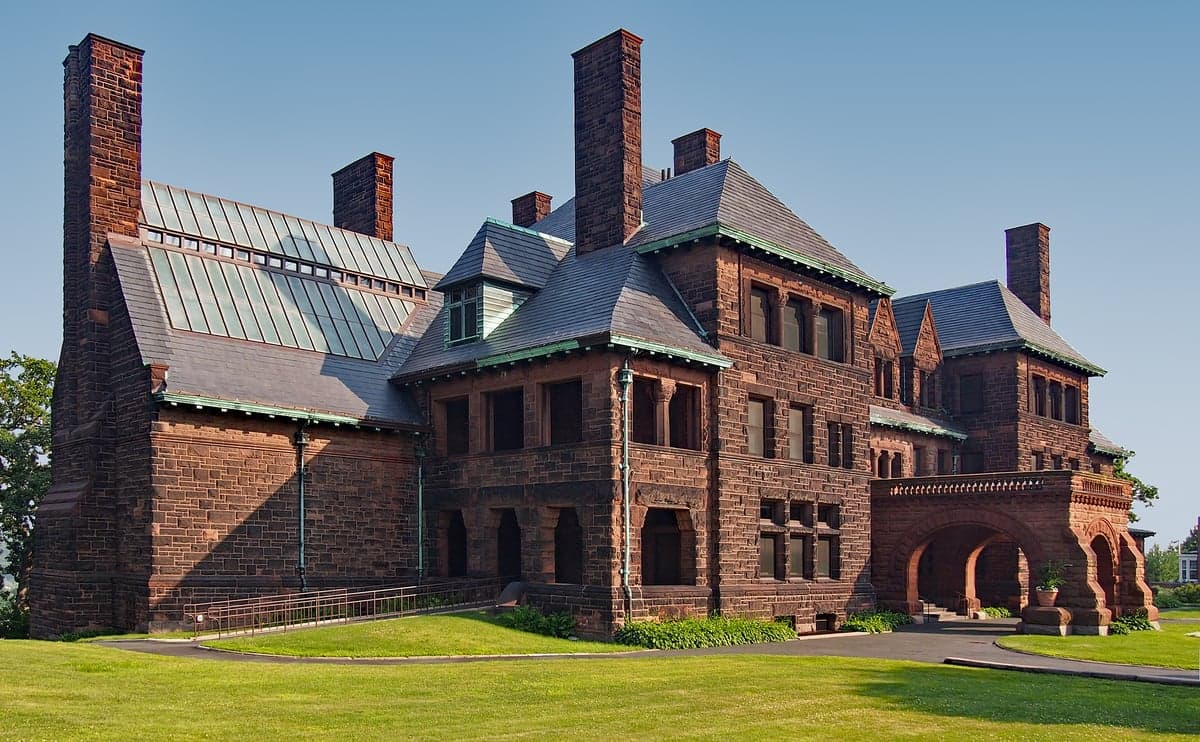
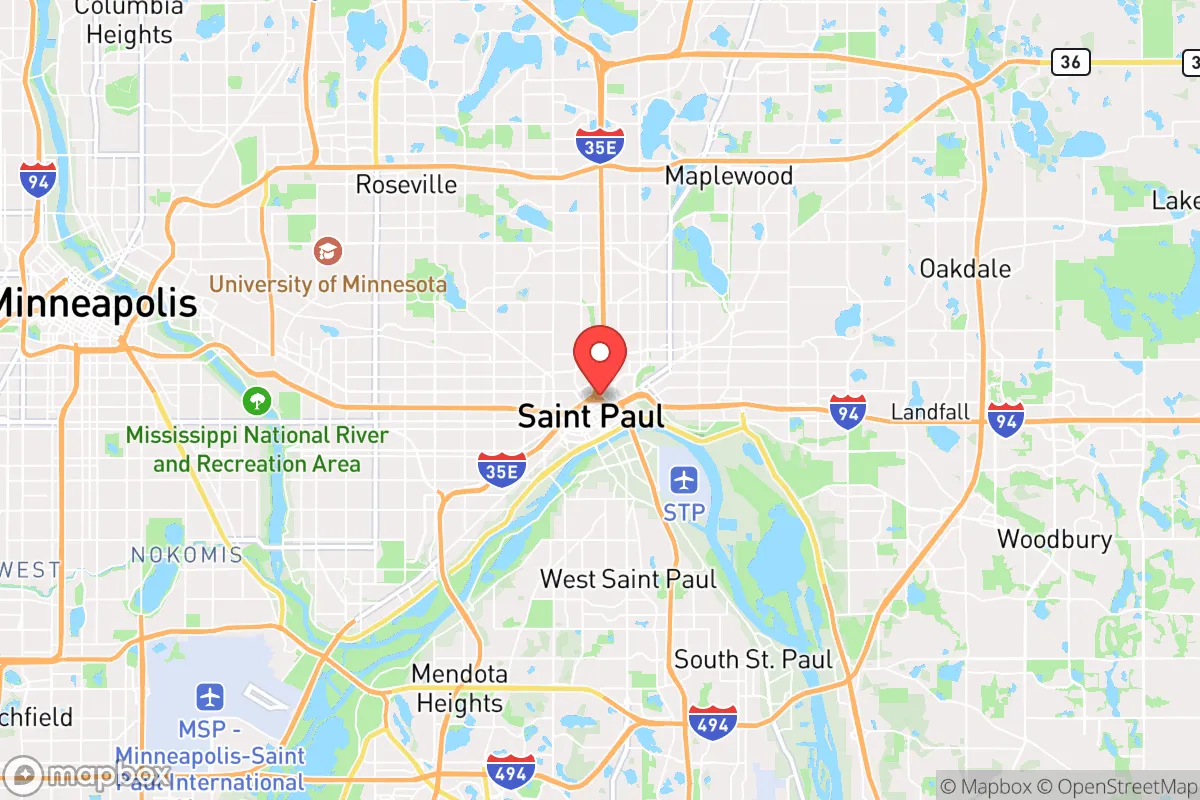
An Unincorporated Community in Ramsey County, Minnesota
Find The Best Places To Live
in Saint Paul
PRO TIP! You can paste a Zillow or Redfin link to get info on that property.
What It's Like Living in Saint Paul, MN
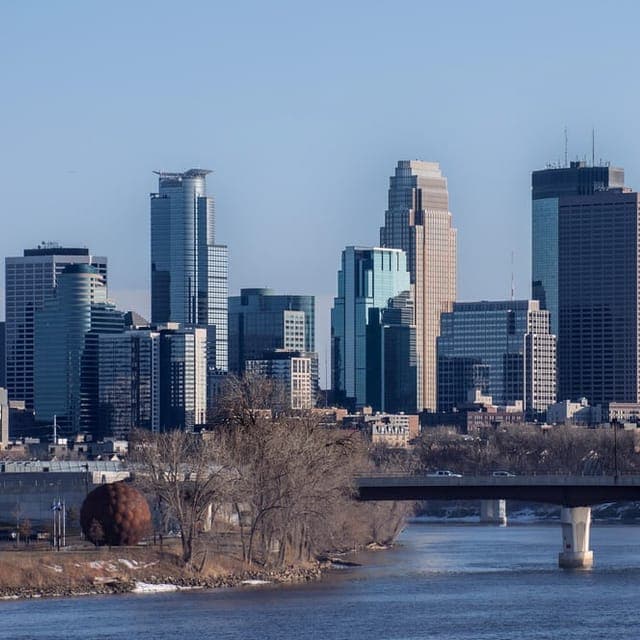
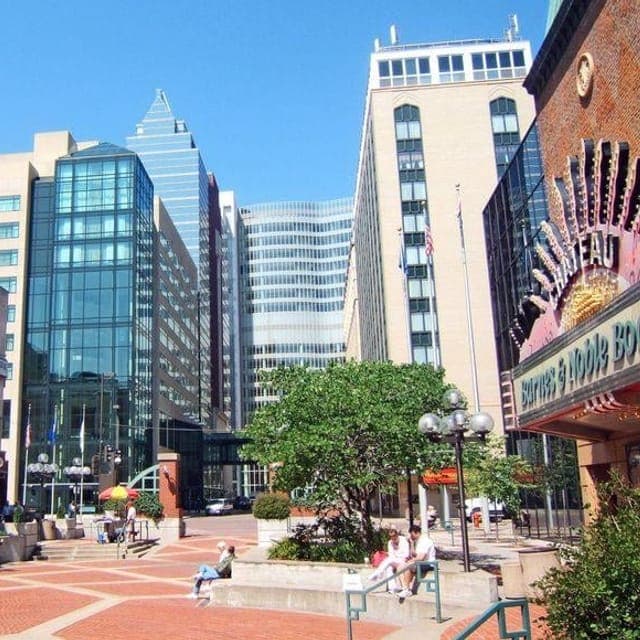
Saint Paul feels like the quieter, more grounded sibling in the Twin Cities duo — a place where people actually know their neighbors and the local hardware store clerk remembers your face. It’s a city of brick warehouses turned into breweries, tree-lined streets with century-old homes, and a state capitol dome that anchors a surprisingly walkable downtown. For a conservative-leaning audience, Saint Paul offers a slower pace than Minneapolis, a strong sense of local community, and a cost of living that still feels reasonable for a capital city.
The Daily Rhythm: What Life Actually Looks Like
Most days here move at a deliberate, Midwestern pace. People commute an average of 22 minutes each way — short enough that you can actually run errands or pick up kids without losing your evening. The city’s median age is 33.5, which means you’ll find plenty of young families and early-career professionals, but also a solid core of retirees who’ve lived in the same house for 40 years. Grocery runs often happen at the St. Paul Farmers’ Market on Saturdays (one of the oldest in the country), and weekend mornings might involve a walk along the Mississippi River bluffs or a stop at Black Sheep Pizza for coal-fired pies. The median household income sits at $73,055, and with a cost-of-living index of 104 (just 4% above the national average), that income goes further here than in most coastal cities. You’ll see families biking to Como Park Zoo & Conservatory (free admission) and couples grabbing coffee at W.A. Frost & Company on Selby Avenue — a place that feels like it hasn’t changed since the 1970s, in the best way.
Sports, Community, and the Local Identity
Saint Paul doesn’t have its own major pro team — the Vikings and Twins play across the river in Minneapolis — but that doesn’t mean sports are absent. High school hockey is a genuine religion here; the state tournament at the Xcel Energy Center (downtown St. Paul) draws crowds that rival some college games. The Minnesota Wild (NHL) play in the same arena, and tickets are affordable enough that a family of four can catch a game without taking out a second mortgage. For college sports, University of St. Thomas (Division I) and Macalester College (Division III) both have loyal followings. The real community glue, though, is the Minnesota State Fair — held just over the city line in Falcon Heights, but every St. Paulite claims it as their own. It’s a 12-day event where you’ll see everyone from state senators to high school kids eating deep-fried cheese curds on a stick. The city’s identity is also shaped by its strong Catholic and Lutheran heritage, visible in the many churches, parochial schools, and the annual Winter Carnival — a tradition dating back to 1886 that includes ice sculptures, parades, and a Vulcan Krewe that’s equal parts goofy and beloved.
What’s There to Do: Parks, Festivals, and Hidden Spots
Outdoor life is a big deal here, even in winter. Como Park has a golf course, a conservatory, and a zoo that’s free to enter (parking is $4). Indian Mounds Regional Park offers views of the Mississippi River and burial mounds from the Hopewell culture — a quiet spot that feels miles from the city. For music, the Palace Theatre on Wabasha Street hosts national touring acts in a restored 1916 vaudeville house, while the Turf Club on University Avenue is a dive bar venue where you can see punk bands and local folk artists for $15. Festivals fill the calendar: Grand Old Day (June) shuts down Grand Avenue for a block party, Taste of Minnesota brings food vendors to the State Capitol grounds, and Irish Fair of Minnesota (August) draws bagpipers and step dancers to Harriet Island. The city’s restaurant scene leans hearty and unpretentious — think Mickey’s Diner (a 24-hour diner in a railcar), Cossetta’s Italian Market for cafeteria-style pasta, and Revival for fried chicken that’s worth the wait. For families, the Science Museum of Minnesota and the Minnesota Children’s Museum are both downtown and popular on rainy weekends.
Pros and Cons of Living Here
What longtime residents love: The sense of community is real — people wave on the sidewalk, and neighborhood block parties are common. The housing stock is excellent; the median home value is $280,300, which buys you a solid brick bungalow or a Victorian in neighborhoods like Mac-Groveland or Highland Park. Schools are a major draw — St. Paul Public Schools are diverse and have strong magnet programs, and private options like Cretin-Derham Hall and St. Paul Academy are well-regarded. The commute is genuinely easy, and the city is walkable in ways that surprise people who only know the suburbs.
What frustrates residents: Winters are long and dark — expect snow on the ground from November through March, and temperatures that dip below zero for weeks at a time. The violent crime rate is 222.8 per 100,000, which is below the national average but still a concern in certain neighborhoods (particularly the East Side and Frogtown). Property taxes are high relative to home values, and the city’s infrastructure — especially roads and bridges — shows its age. Some conservative-leaning residents find the local politics too progressive for their taste, though the city’s strong Catholic and working-class roots mean you’ll find plenty of neighbors who share traditional values. The job market is solid but not booming; major employers include the state government, HealthPartners, 3M (just across the river in Maplewood), and Ecolab. For a city of 307,762 people, it has a small-town feel that some love and others find limiting — you’ll run into people you know at the grocery store, which is either a perk or a downside depending on your personality.

Similar mid-size cities to Saint Paul
* Values derived from national, state, county, city and local statistics and may differ in a specific area. Last updated: 2026-05-01T21:48:53.000Z
Narrative content on this page is AI-generated and may contain mistakes. Verify any details that matter before acting on them.
ReloMaps may earn a commission from affiliate links at no extra cost to you.

