Photo: Wikipedia
Strategic Assessment of Minnesota
Workable tactical position. Some exposure to population density or targets, but generally defensible in a crisis.
What does the Strategic Assessment tell us?
Our Strategic Assessment grades tactical survivability of an area. Major population centers, military targets, fallout zones, natural disasters, and border exposure all drive risk — lower exposure means a more defensible position in a crisis.
This is heavily inspired by Joel Skousen's Strategic Relocation book. Highly recommended you checkout the book ($)What does this tell us?
Our Strategic Assessment grades tactical survivability of an area. Major population centers, military targets, fallout zones, natural disasters, and border exposure all drive risk — lower exposure means a more defensible position in a crisis.
This is heavily inspired by Joel Skousen's Strategic Relocation book. Highly recommended you checkout the book ($)Regional Safe Places
Below is our recommended "safe zones" in Minnesota and the surrounding area based on our strategic heuristics. For most people, it's unrealistic to live in a “safe zone” full-time due to work, family or other personal reasons. They tend to be more rural. However, many of these areas are perfect for second homes and retreat properties that double as a vacation home or even a short-term rental.
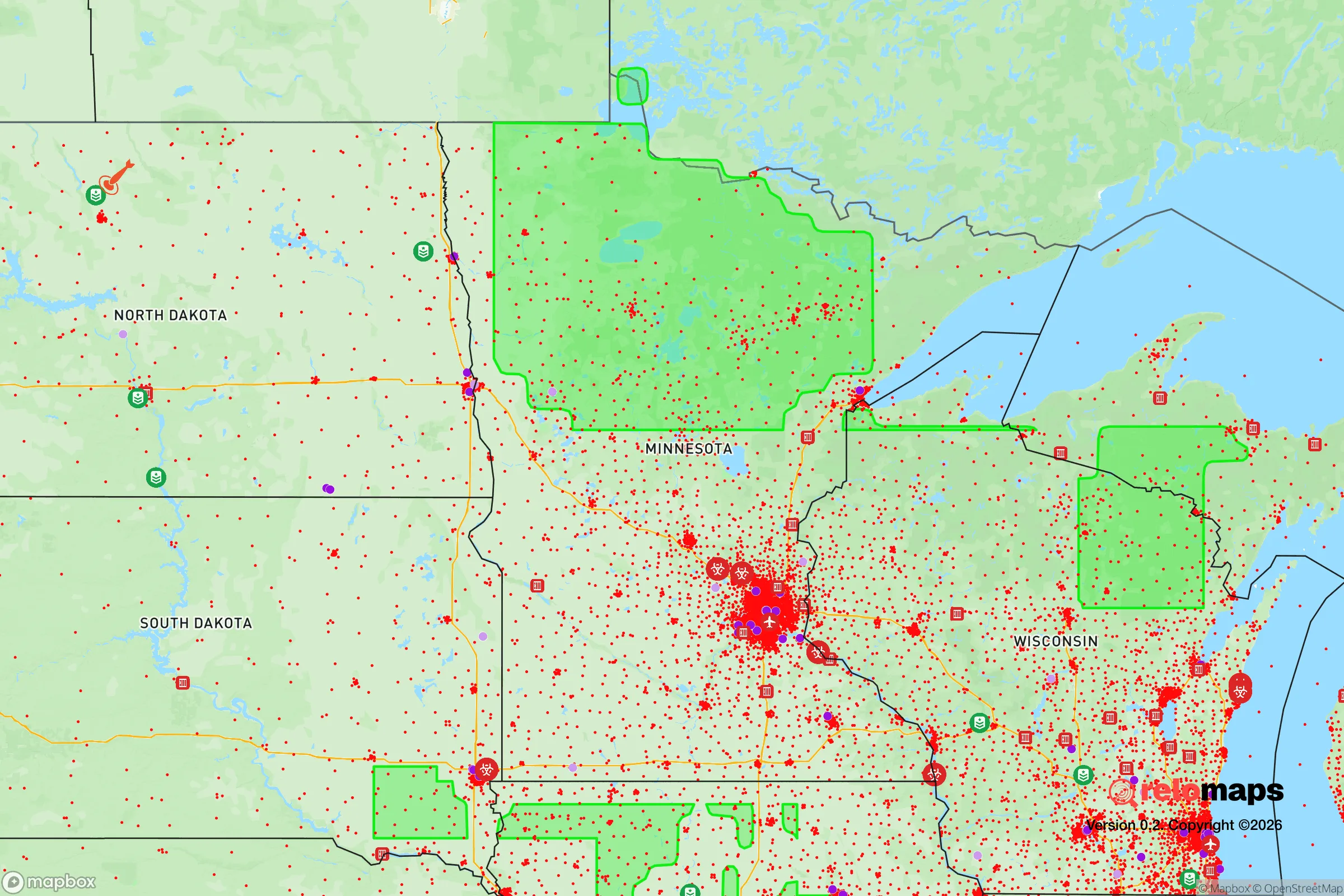
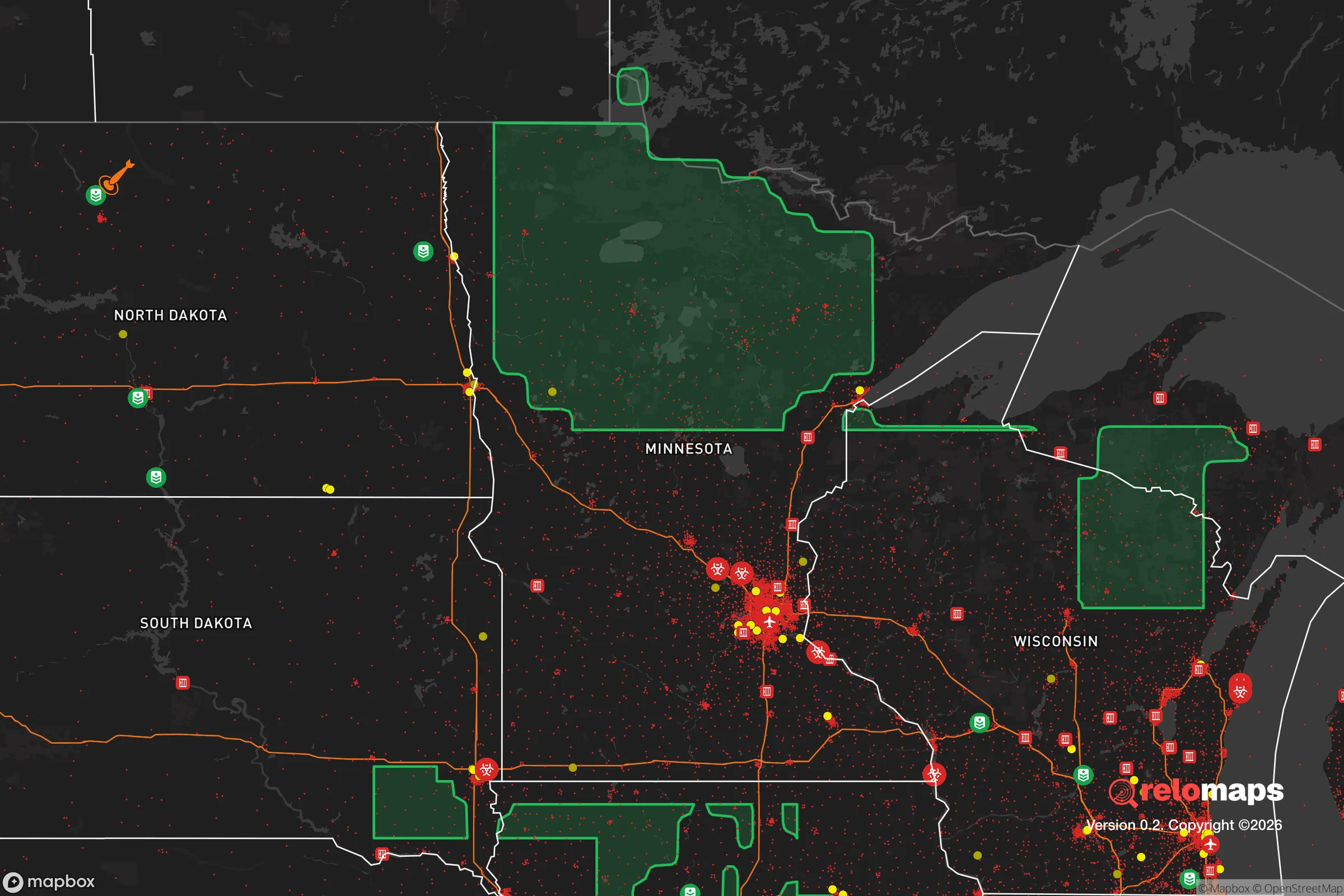


Important Note: For informational purposes only. This does not mean nothing bad ever happens in the green zones. Please use common sense. This is based on public data and modeled with AI. We tried to take a conservative approach but mistakes happen. We update this regularly as new information becomes available.
Solar Generator Recommendations
Backup power matters more here than in safer locations. We've picked three solar generators across budgets and capacity tiers — start with the budget unit if you only need a few essentials, or step up if you want to run a fridge and HVAC for days at a time.

Jackery Portable Power Station Explorer 300
Budget OptionPower on the Go: Weighing only 11 lbs, it's convenient to set up and store with book-sized foldable solar panels

BLUETTI Portable Power Station AC180
Designed for both indoor and outdoor scenarios, AC180 is highly capable as it has a robost capacity and continuous output power.

EF ECOFLOW DELTA Pro Ultra Power Station
Upgraded PickEcoFlow DELTA Pro Ultra is a whole-home energy system designed to grow with your family. Integrated with the Smart Home Panel 2, it scales to meet your evolving energy needs — keeping your home powered, intelligent, and secure through every stage of life.
We earn a commission, at no additional cost to you.
Strategic Assessment Analysis
Minnesota offers a distinctive strategic profile for the relocation-minded reader focused on resilience and self-sufficiency: it combines deep freshwater resources, a relatively low population density outside the Twin Cities metro, and a geographic position that distances it from the most acute coastal and industrial fallout risks. The state’s core advantage is its distance from the Gulf Coast’s petrochemical corridor, the Northeast’s dense urban spine, and the West Coast’s seismic and naval target zones, while still maintaining access to critical infrastructure like the Duluth-Superior port and the Pine Bend Refinery in Rosemount. For a conservative-leaning individual or family weighing disaster readiness, Minnesota presents a mixed picture—strong on water and energy independence, but with real exposure to extreme winter weather and proximity to a major metropolitan target.
Geographic position and natural advantages for long-term security
Minnesota’s location in the Upper Midwest provides a buffer from several high-risk zones. The state sits over 1,000 miles from the Gulf Coast, far from the hurricane-prone coastline and the concentrated refinery and chemical complexes of Texas and Louisiana. It is also removed from the major seismic threats of the West Coast and the dense population corridors of the Northeast. The most significant natural advantage is water: Minnesota is the Land of 10,000 Lakes, with the Mississippi River headwaters at Lake Itasca and the vast Lake Superior shoreline along the northeast. This means surface freshwater is abundant and widely distributed, a critical resource for long-term self-sufficiency. The state’s interior position also reduces exposure to tsunami or storm surge risks. However, the climate is a double-edged sword—extreme winter cold can be a survival challenge in its own right, requiring robust heating, fuel storage, and cold-weather infrastructure. The northern regions, such as the Iron Range around Hibbing and Ely, offer very low population density and dense forest cover, which can aid in concealment and resource gathering, but also limit access to supply chains and medical care.
Risks, exposures, and proximity to fallout-relevant landmarks
The most significant risk for a Minnesota relocator is the Twin Cities metropolitan area—Minneapolis and St. Paul—which houses roughly 3.7 million people and is the state’s primary economic and transportation hub. In a major conflict or national emergency, the Twin Cities could be a target due to its concentration of corporate headquarters (including 16 Fortune 500 companies), the Minneapolis-St. Paul International Airport, and the nearby Pine Bend Refinery in Rosemount, one of the largest oil refineries in the Midwest. This refinery processes over 350,000 barrels of crude oil per day and is a critical node for regional fuel supply, making it a potential secondary target. Additionally, the Duluth-Superior port on Lake Superior is a major shipping hub for iron ore, coal, and grain, and its proximity to the Canadian border could make it a chokepoint in a conflict scenario. The state also hosts the Camp Ripley training site near Little Falls, a National Guard facility that could become a logistical or command center. For a relocator, living within 50 miles of the Twin Cities or the Duluth port increases exposure to fallout, supply chain disruption, and potential evacuation chaos. The southern and western agricultural regions—areas like Worthington, Marshall, and Pipestone—are farther from these targets but face their own risks: they are flat, open terrain with limited natural cover, and they lie near the Prairie Island Nuclear Generating Plant near Red Wing, a single-unit nuclear facility that, while well-regulated, represents a localized hazard. Tornadoes are a recurring seasonal risk across the state, particularly in the southwest and central regions, with an average of 40-50 tornadoes per year.
Practical resilience for a relocator: food, water, energy, and defensibility
Minnesota’s practical resilience is strong in water and food production but moderate in energy independence and defensibility. Water is the state’s standout asset: the abundance of lakes, rivers, and groundwater aquifers means that a well-maintained property with a drilled well or access to a lake can secure a reliable off-grid water supply. Rainwater catchment is also viable, though winter freezing requires proper system design. For food, Minnesota is a top agricultural producer—corn, soybeans, wheat, and livestock are widespread, particularly in the southern and western counties. The growing season is short (roughly 120-150 days in the south, less in the north), but cold-hardy crops and greenhouse techniques can extend it. Local food networks, farmers’ markets, and co-ops are common, especially around smaller cities like Northfield, Hutchinson, and St. Cloud. For energy, the state has a mixed grid: about 25% of electricity comes from renewables (wind and solar), with the rest from coal, natural gas, and nuclear. Wood heating is a practical option in forested regions, and many rural properties already use propane or fuel oil. Solar panels are viable but require battery storage for winter months with limited sunlight. Defensibility varies by terrain: the northern forests and lake country offer natural cover and chokepoints (e.g., narrow roads, dense woods), while the southern plains are more exposed. Rural properties with good sightlines, a reliable water source, and a woodlot are ideal. The state’s strong hunting culture means firearms ownership is common, and many residents are familiar with outdoor survival skills. However, the cold is a persistent vulnerability—a winter power outage can be life-threatening within hours without backup heat, so a wood stove, generator, and adequate fuel storage are non-negotiable for serious preparedness.
Overall, Minnesota presents a viable but conditional strategic option for the resilience-minded relocator. Its greatest strengths are abundant freshwater, a strong agricultural base, and distance from the most volatile coastal and industrial zones. Its primary weaknesses are the extreme winter climate, the presence of the Twin Cities as a major target, and the localized risks from the Pine Bend Refinery, Prairie Island nuclear plant, and Duluth port. For a family willing to invest in cold-weather infrastructure, secure a property with a well and woodlot, and locate at least 75 miles from the metro area—perhaps in the lake country around Brainerd or the forested regions near Grand Rapids—Minnesota offers a defensible, resource-rich environment. The state’s political culture leans slightly left overall, but rural areas and smaller towns (e.g., Detroit Lakes, Albert Lea, New Ulm) are more conservative and self-reliant, making them a better cultural fit for the intended audience. The bottom line: Minnesota is a strong water-and-food play, but only for those who take winter seriously and choose their location carefully relative to the state’s critical infrastructure.

Top 10 Cities by Strategic Assessment in Minnesota
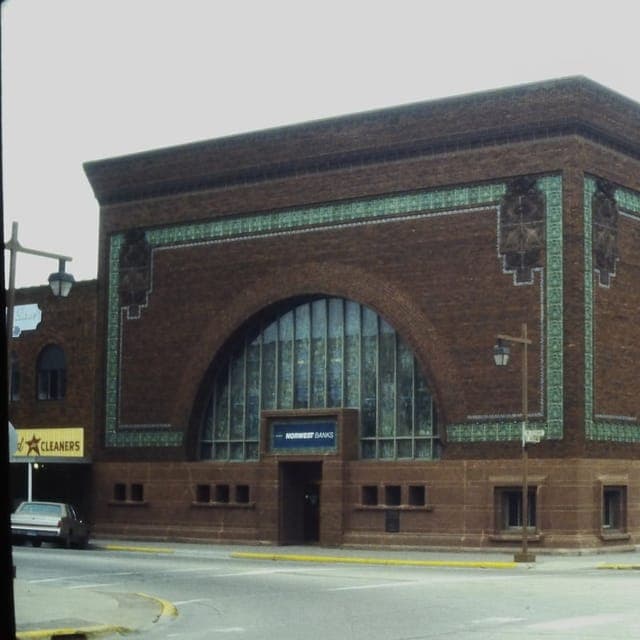
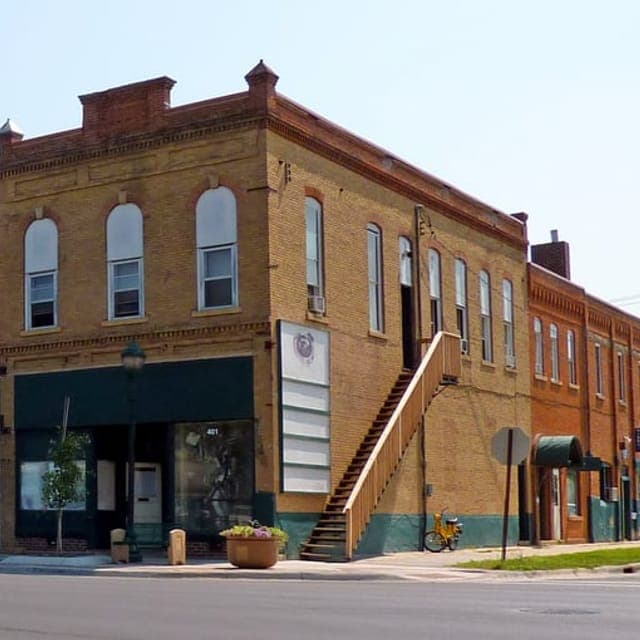
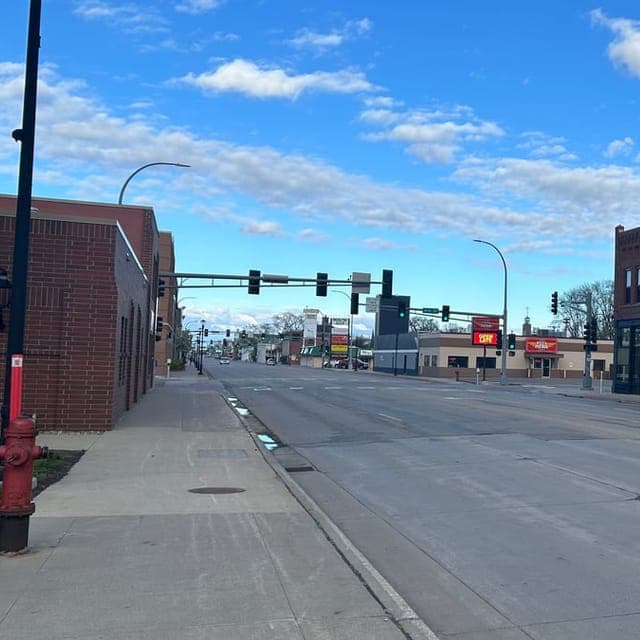
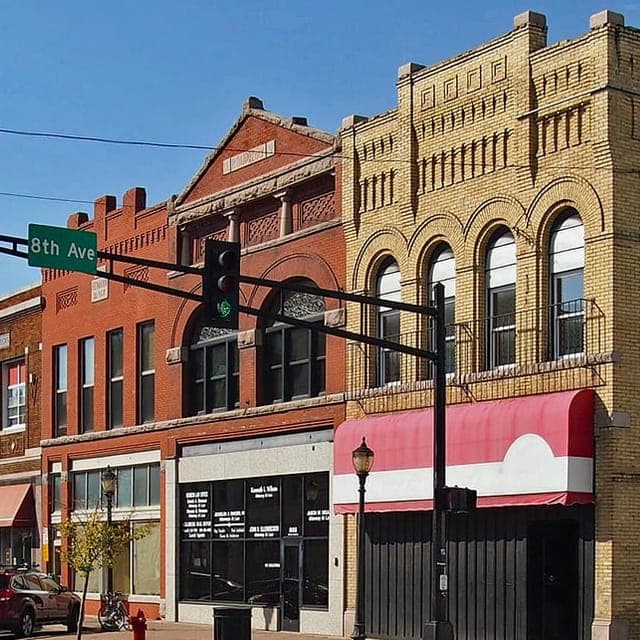
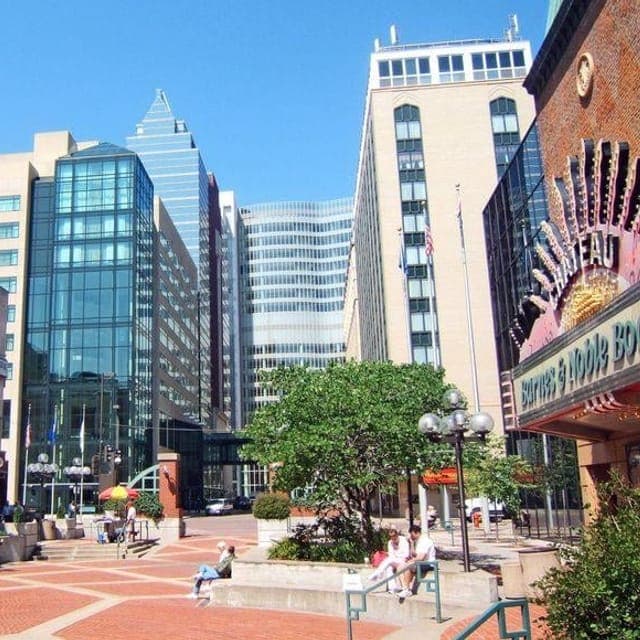
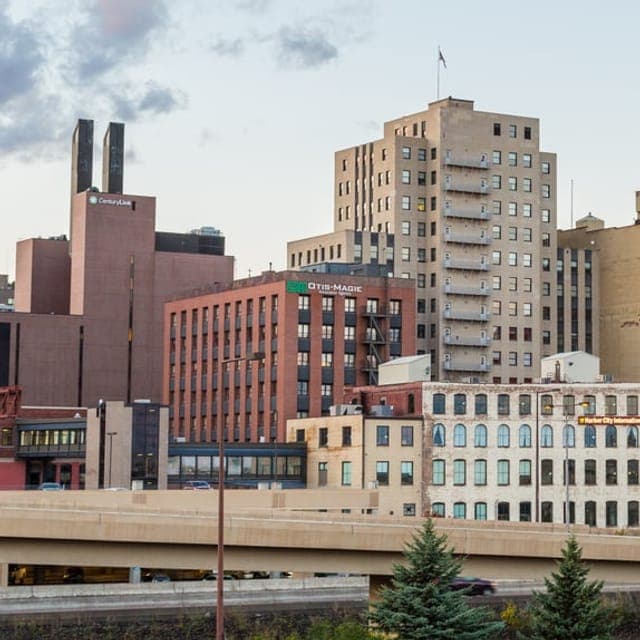
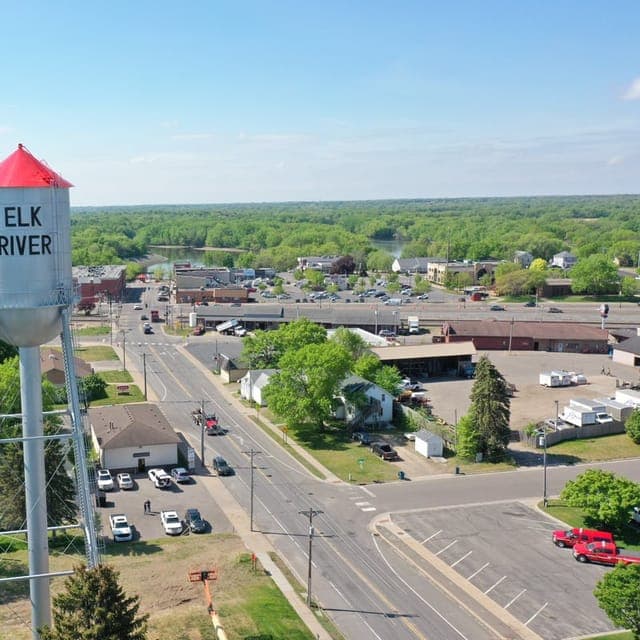
* Values derived from national, state, county, city and local statistics and may differ in a specific area. Last updated: 2026-10-13T22:15:16.000Z
Narrative content on this page is AI-generated and may contain mistakes. Verify any details that matter before acting on them.
ReloMaps may earn a commission from affiliate links at no extra cost to you.

