 Popular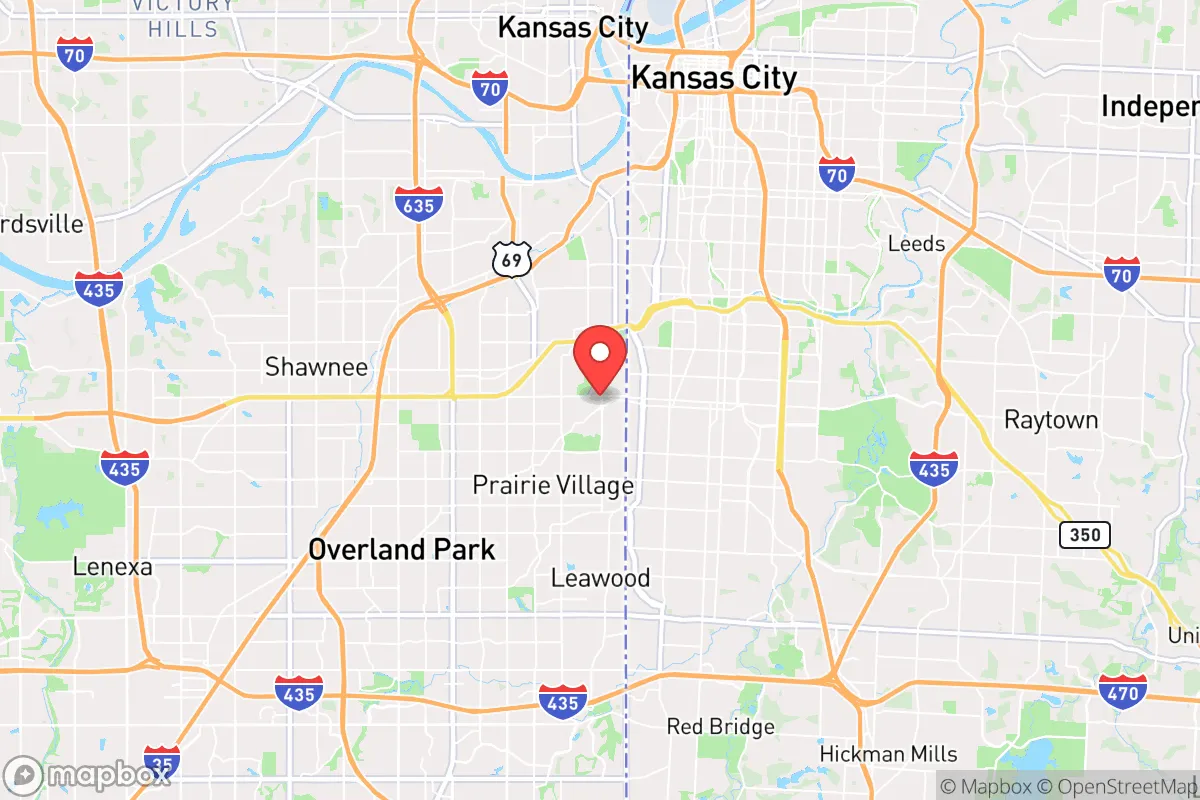

Photo: Wikipedia
Demographics of Mission Hills, KS
Affluence Level in Mission Hills, KS
An elite concentration of wealth — high incomes, strong home values, advanced degrees, and minimal poverty signal a top-tier socioeconomic profile.
Census doesn't track above $250K
People of Mission Hills, KS
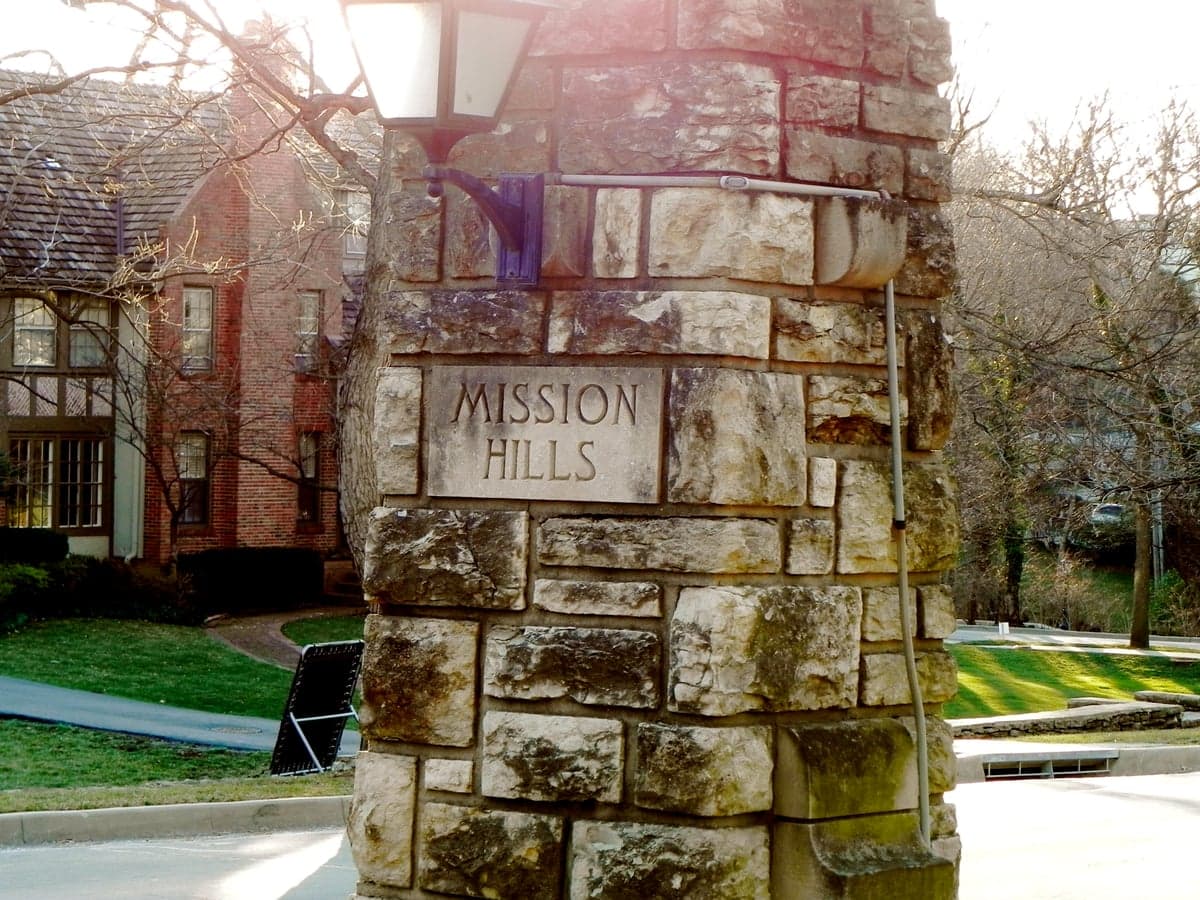
Mission Hills, Kansas, is a small, affluent city of 3,556 residents that remains one of the most homogeneous and highly educated communities in the Kansas City metropolitan area. With a population that is 94.3% white and 87.1% college-educated, the city is defined by its legacy of wealthy families, estate-sized homes, and a deliberate low-density character that has resisted significant demographic change for decades. The foreign-born population is just 0.8%, and the city has no Black residents, a 1.2% Hispanic share, and a 2.7% East/Southeast Asian population, reflecting its historical role as an exclusive enclave for Kansas City's business and professional elite.
How the city was settled and grew
Mission Hills was not a product of pioneer settlement or agricultural land grants. Instead, it was conceived in the 1910s as a planned, upscale suburb for Kansas City's wealthiest families, who sought to escape the city's crowding and industrial noise. The original development was spearheaded by the J.C. Nichols Company, the same firm behind the Country Club District, and the city was incorporated in 1949. The first wave of residents were predominantly white, Anglo-Saxon Protestants—bankers, lawyers, and executives from Kansas City's leading firms—who built large homes on generous lots in neighborhoods like Mission Hills Estates and the area around West 63rd Street. These early residents were drawn by the promise of restrictive covenants, which explicitly barred non-white families and ensured the neighborhood's racial and economic exclusivity. The city's layout, with winding roads and no sidewalks, was designed to discourage through traffic and maintain a secluded, pastoral character.
Modern era (post-1965)
After the 1965 Hart-Cellar Act and the Fair Housing Act of 1968, Mission Hills did not experience the suburban diversification seen in many other Kansas City suburbs. The city's high property values—median home prices consistently above $1 million—and lack of multi-family housing effectively maintained its demographic profile. The post-1965 period saw continued in-migration of white, highly educated professionals, particularly those in corporate leadership, medicine, and law. Neighborhoods like Indian Hills and Sunset Hills absorbed these new arrivals, who were often executives transferring into Kansas City or second-generation families upgrading from nearby Prairie Village or Leawood. The East/Southeast Asian community, now at 2.7%, began to appear in the 1990s and 2000s, primarily among families of physicians and engineers working at the University of Kansas Medical Center or corporate headquarters in Overland Park. The Indian subcontinent population remains negligible at 0.2%, and the Hispanic share has stayed flat at 1.2%, indicating that Mission Hills has not been a destination for immigrant communities. The city's Black population has been zero in recent census data, a continuation of its historic exclusion.
The future
Mission Hills' population is likely to remain stable and homogeneous over the next 10–20 years, with no major demographic shifts expected. The city is essentially built out, with no vacant land for new development, and its zoning laws strictly prohibit apartments, condos, or any housing that might attract a more diverse income or age range. The East/Southeast Asian share may grow modestly as more affluent Asian-American professionals seek the same prestige and school quality that drew earlier white families, but this group is likely to assimilate into the existing social fabric rather than form a distinct enclave. The Hispanic and Indian populations are expected to remain very small, as the city's price point and lack of rental housing filter out most immigrant households. The most notable trend is an aging population: many original homeowners are retiring and selling to younger, similarly affluent families, often from within the Kansas City metro. The city is not tribalizing into distinct enclaves; rather, it is homogenizing further, with new residents matching the existing demographic profile almost exactly.
For someone moving in now, Mission Hills offers a stable, predictable, and exclusive environment where demographic change is measured in decades, not years. The city's character as a wealthy, white, and highly educated enclave is likely to persist, making it a reliable choice for those seeking a low-diversity, high-amenity suburban setting with top-tier public schools and minimal population turnover. New residents should expect to join a community where social and professional networks are deeply intertwined, and where the city's history of exclusivity continues to shape daily life.

* Values derived from national, state, county, city and local statistics and may differ in a specific area. Last updated: 2026-04-27T14:13:47.000Z
Narrative content on this page is AI-generated and may contain mistakes. Verify any details that matter before acting on them.
ReloMaps may earn a commission from affiliate links at no extra cost to you.

