 Popular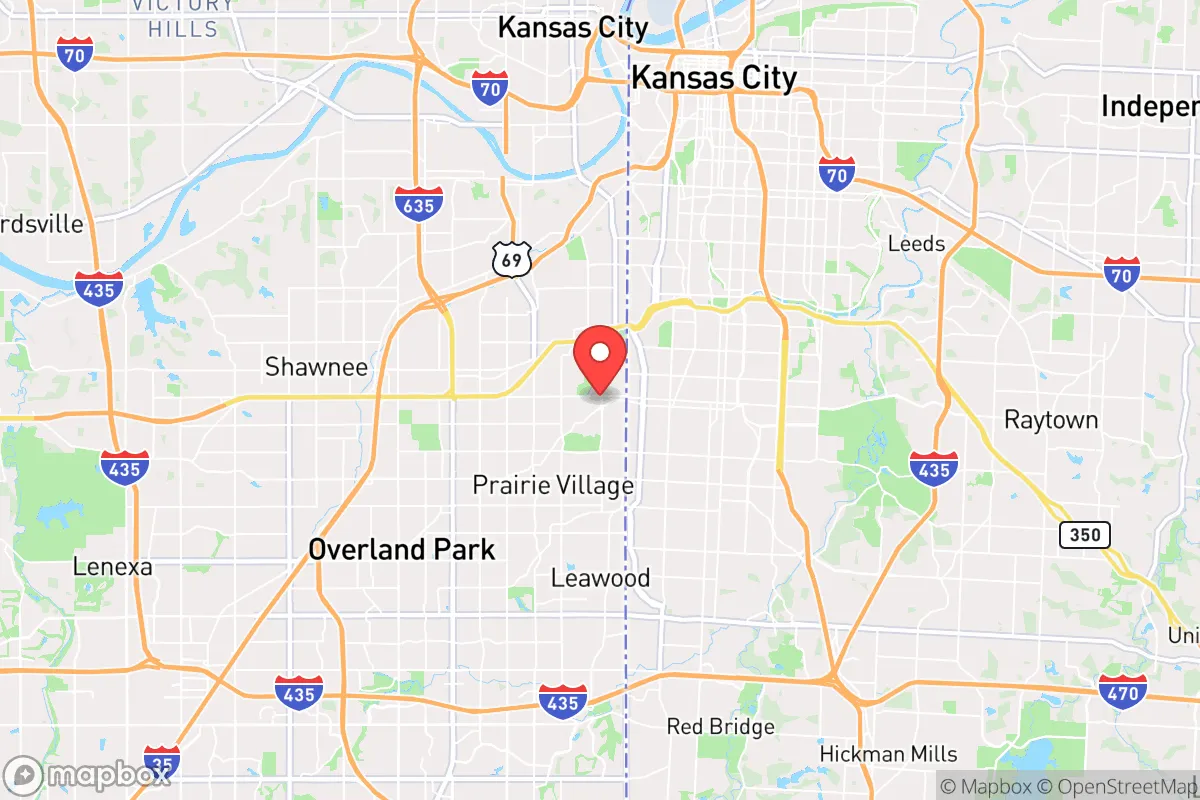
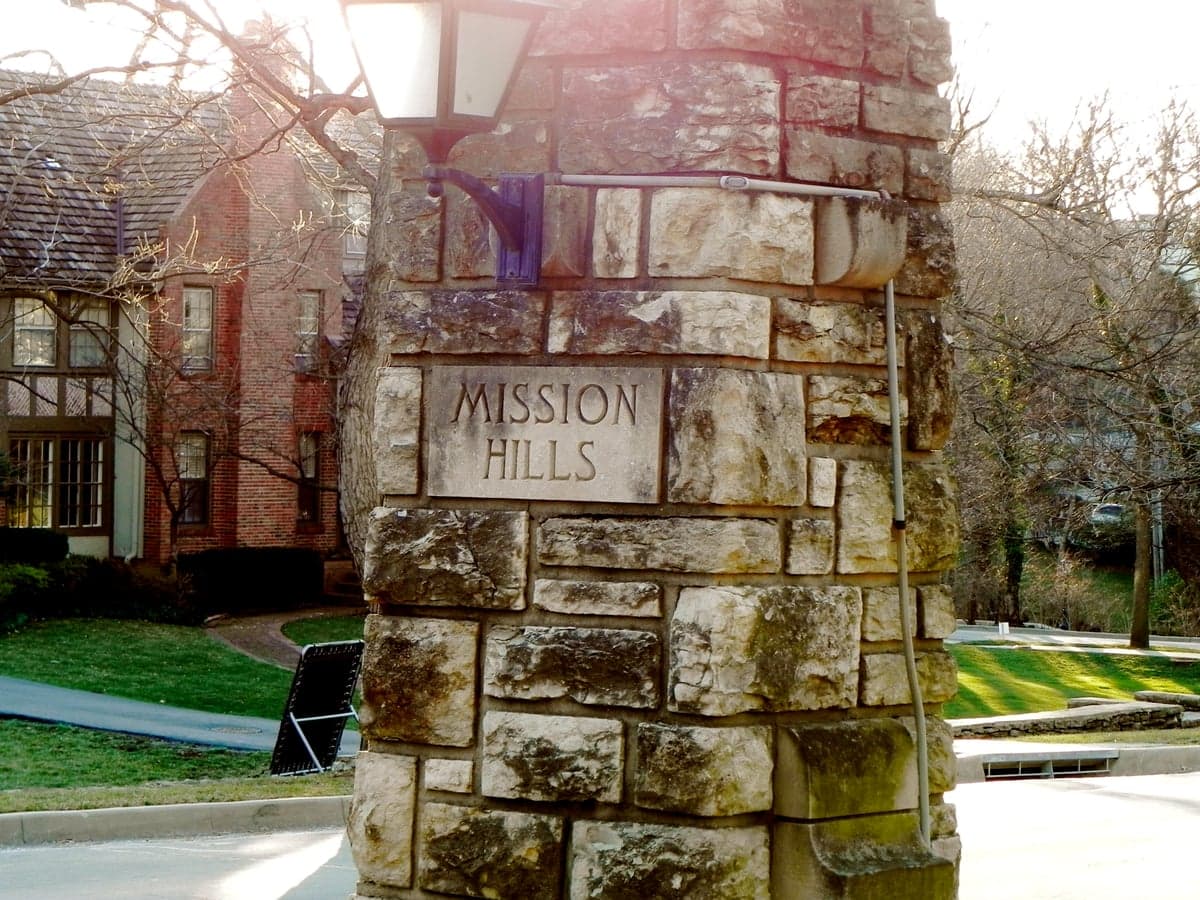
Photo: Wikipedia
Political ClimatePolitical Climate in Mission Hills, KS
District shown is the primary district for this city’s centroid. Cities may span multiple districts.
Local Political AnalysisPolitical Analysis of Mission Hills, KS
Mission Hills, Kansas, has long been a quiet pocket of conservative values in the Kansas City metro, but its Cook PVI of D+2 tells you the political winds are shifting under the old oaks. This isn't the reliably red suburb it was twenty years ago; the precincts here are now a toss-up, with a noticeable drift toward progressive candidates in recent cycles. If you’ve lived here as long as I have, you’ve watched the local elections get tighter, and the conversations at the country club have gotten a lot more cautious about what’s coming next.
How it compares
Drive ten minutes east to Prairie Village or south to Overland Park, and you’ll find a similar story—those areas have swung even harder left, with Prairie Village now reliably blue in most races. Head west to Leawood, and you’ll still find a more traditional Republican base, though even there the margins are shrinking. The real contrast is north of the river, in places like Parkville or Platte County, where the politics stay solidly red and the local government is far less likely to meddle in your daily life. Mission Hills sits right on that dividing line, and it feels like the neighborhood is being pulled toward the Johnson County progressive machine, whether residents want it or not.
What this means for residents
For folks who value personal freedom and limited government, the D+2 lean is a warning light. You’re already seeing it in the school board races and city council meetings—more talk about equity initiatives, more zoning proposals that sound like they’re about “inclusion” but end up as backdoor regulations on your property. The county health department has gotten more aggressive with mandates and recommendations that feel like overreach, and the local police department is under constant pressure to defund or reform in ways that don’t match the community’s actual safety needs. If you’re the kind of person who believes your home and your business are yours to run, the trajectory here is concerning. The long-term trend suggests Mission Hills could look more like a Prairie Village within a decade—higher taxes, more ordinances, and a government that assumes it knows better than you do.
Cultural and policy distinctions
One thing that still sets Mission Hills apart is the sheer wealth and influence of its residents, which has historically kept the most radical proposals at bay. The city council isn’t full of activists—yet. But the cultural pressure is real: private schools are booming because parents are fed up with the direction of public education, and more neighbors are quietly talking about moving to southern Johnson County or even out to rural areas like Louisburg or Spring Hill. The local homeowners’ association still enforces strict rules, but even that feels like a last stand against a broader cultural shift. If you value a community where the government stays out of your wallet and your family’s choices, Mission Hills is still a good bet for now—but keep an eye on the next few election cycles. The old guard is retiring, and the new voices aren’t shy about wanting change.

State Political ClimatePolitical Climate in Kansas
State Political AnalysisPolitical Environment in the State
Kansas has long been a reliably Republican state, but the picture is more nuanced than a simple red-state label suggests. Over the past 20 years, the state has shifted from a solidly conservative stronghold to a more contested battleground, with the Kansas City suburbs and the I-35 corridor trending left while the rural west and south remain deeply red. The dominant coalition is still conservative, but it’s fractured between traditional fiscal conservatives and a newer, more populist, freedom-oriented wing. The 10-20 year trajectory shows a state that is slowly becoming more competitive, but the underlying cultural and policy instincts remain firmly center-right, especially outside of Johnson County.
Urban vs. rural divide
The political map of Kansas is a study in contrasts. The eastern third of the state, anchored by the Kansas City metro area, is the engine of Democratic and moderate Republican votes. Johnson County, particularly the affluent suburbs of Overland Park and Shawnee, has shifted noticeably left over the past decade, driven by an influx of college-educated professionals and corporate transplants. In 2020, Johnson County voted for Joe Biden by a slim margin, a seismic shift from its solidly Republican past. Meanwhile, Wyandotte County (Kansas City, KS) is a deep blue urban core. In contrast, the rest of the state is overwhelmingly red. Wichita (Sedgwick County) remains a Republican stronghold, though its suburbs like Derby and Andover are even more conservative. The vast rural expanse—places like Garden City, Dodge City, and Hays—votes Republican by margins of 70-80%. The divide isn’t just about party; it’s about worldview. Rural Kansans see the state as a bastion of independence and self-reliance, while urban and suburban voters increasingly prioritize issues like education funding and social services. This geographic split is the defining feature of Kansas politics today.
Policy environment
Kansas’s policy environment is a mixed bag for a conservative audience. The state’s tax structure is a major selling point: there is no state income tax on Social Security benefits, and the flat income tax rate was cut to 5.7% in 2024, with a path to further reductions. Property taxes are a persistent gripe, however, with local levies often rising faster than inflation. The regulatory posture is generally light-touch, especially for agriculture and energy, but the state has a history of overreach in education. The Kansas State Board of Education has been a flashpoint, with battles over curriculum standards and parental rights. On the positive side, the state passed a robust Parental Bill of Rights in 2023, requiring schools to notify parents of any changes to a student’s health or well-being. Election laws are solid: Kansas requires a photo ID to vote and has a secure mail-in ballot system, though it’s not as restrictive as some other states. Healthcare policy is a concern—the state has not expanded Medicaid, which keeps costs lower for taxpayers but leaves a coverage gap for some. Overall, the policy environment leans conservative, but the constant fight over local control versus state mandates is a recurring theme.
Trajectory & freedom
On the freedom front, Kansas has been a mixed story. The good news: the state has expanded gun rights significantly. In 2021, Kansas became a constitutional carry state, allowing law-abiding citizens to carry a concealed firearm without a permit. This was a major win for personal liberty. On parental rights, the 2023 Parental Bill of Rights (HB 2236) was a strong step, ensuring parents have a say in their child’s education and medical decisions. However, there are concerning trends. The state’s Kansas Supreme Court has repeatedly ruled that the state constitution guarantees a right to abortion, blocking legislative efforts to restrict it. This judicial overreach is a red flag for many conservatives. Additionally, the state’s Kansas Department of Revenue has been aggressive in auditing small businesses and remote workers, a form of government overreach that chills economic freedom. The trajectory is toward more personal liberty on guns and parental rights, but the courts remain a wildcard. The Kansas Legislature is currently considering a Medical Freedom Act to prohibit vaccine mandates, which would be a major step forward if passed.
Civil unrest & political movements
Kansas has not seen the level of civil unrest seen in coastal states, but there have been notable flashpoints. The 2020 protests in Lawrence and Kansas City, KS, were relatively small compared to national events, but they did involve some property damage and clashes with police. The more persistent political movement is the rise of the Kansas Freedom Caucus, a group of hardline conservatives in the state legislature who have pushed back against leadership on spending and education. They’ve been instrumental in blocking tax increases and advancing school choice. Immigration politics are less heated than in border states, but Garden City and Dodge City have seen tensions over meatpacking plant workers, with some local officials pushing for stricter enforcement. There is no sanctuary city movement of note. Election integrity has been a hot topic since 2020, with the legislature passing a Voter ID law and a ban on ballot harvesting. The Kansas Secretary of State has been a vocal advocate for secure elections. The most visible flashpoint for a new resident would likely be the ongoing debate over school board meetings, where parents and activists clash over curriculum and library books. It’s a sign of a healthy, engaged citizenry, but it can be exhausting.
Projection
Looking ahead 5-10 years, Kansas is likely to become more politically competitive, but not necessarily more liberal. The key demographic shift is the continued growth of the Kansas City suburbs, particularly Olathe and Lenexa, which are attracting young families and remote workers from blue states. These newcomers often bring moderate-to-liberal views on social issues, but they also value low taxes and good schools. This could push the state toward a more “purple” status, similar to what happened in Colorado. However, the rural areas are not shrinking as fast as in some states, and the Kansas Republican Party is likely to remain dominant in the legislature through redistricting. The wildcard is the Kansas Supreme Court; if it continues to block conservative legislation, there will be growing calls for judicial reform or even impeachment. The most likely scenario is a state that remains center-right on fiscal issues, with occasional battles over social policy. A new resident moving in now should expect a state that values freedom but is not a libertarian paradise—there will be fights over property taxes, school choice, and the role of the courts.
For a conservative individual or family considering a move, Kansas offers a solid foundation: low taxes, strong gun rights, and a culture of self-reliance. The downsides are the persistent property tax burden and the activist state supreme court. The key is to choose your location carefully. The rural areas and smaller cities like Manhattan or Hutchinson offer a more traditional, conservative lifestyle, while the Johnson County suburbs are more politically mixed. If you value local control and are willing to engage in the political process, Kansas is a state where your voice can still make a difference. Just be prepared for the occasional fight over school boards and property assessments—it’s part of the deal.
* Values derived from national, state, county, city and local statistics and may differ in a specific area. Last updated: 2026-04-27T14:13:47.000Z
Narrative content on this page is AI-generated and may contain mistakes. Verify any details that matter before acting on them.
ReloMaps may earn a commission from affiliate links at no extra cost to you.

