
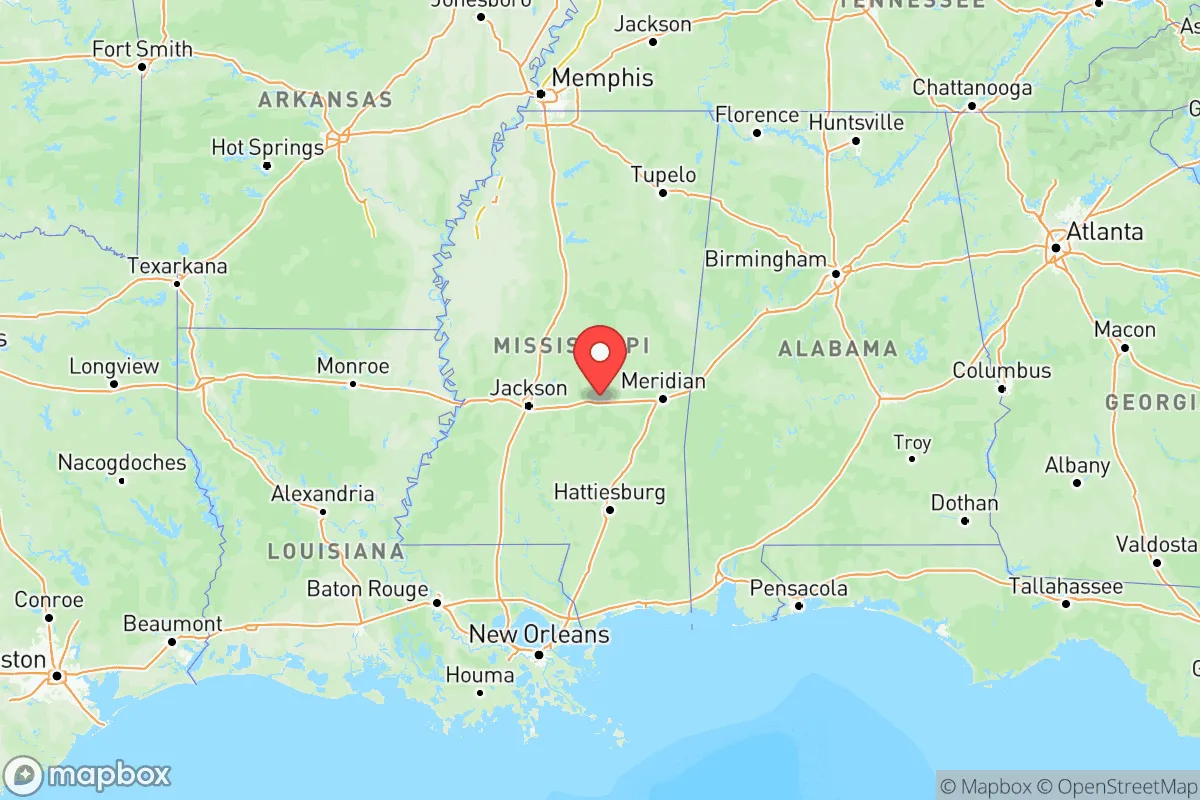
Photo: Wikipedia
Quality of Life in Mississippi
A livable area that tracks near national norms for affordability, walkability, and neighborhood health.
What does Quality of Life tell us?
Quality of Life measures an area by evaluating factors like cost of living, nearby amenities, country club access, airport proximity, socioeconomic signals and neighborhood character. For large states, this is a general average — quality of life can vary dramatically between metro areas, suburbs, and rural communities within the same state.
What does this tell us?
Quality of Life measures an area by evaluating factors like cost of living, nearby amenities, country club access, airport proximity, socioeconomic signals and neighborhood character. For large states, this is a general average — quality of life can vary dramatically between metro areas, suburbs, and rural communities within the same state.
Cost of Living
29% below national average
119%
The Real Cost of Living in Mississippi for 2026
| Tier | Individual | Family (4) |
|---|---|---|
| Survival | $15k | $28k |
| Comfortable | $31k | $46k |
| Luxury | $99k+ | $154k+ |
| Elite (Top 5%) | $127k+ | $197k+ |
Quality-of-Life Analysis
Mississippi offers a remarkably broad spectrum of quality-of-life options, from the urban energy of its capital to the quiet solitude of the Delta, attracting everyone from young professionals and college students to retirees and agricultural workers. The state’s cost of living index sits at 71 (100 = US average), with a median home value of $161,400 and median rent of $923, making it one of the most affordable states in the nation. This financial reality allows for a wide range of lifestyle choices, though the trade-offs in amenities, job opportunities, and cultural density vary significantly by location. The average commute of 25.6 minutes is notably shorter than the national average, a practical benefit that shapes daily life across all tiers.
Major metros
If you are looking for urban living, Mississippi has two primary metro areas: Jackson and the Gulf Coast’s Biloxi-Gulfport-Pascagoula corridor. Jackson, the state capital and largest city, serves as the political and economic hub, with a population around 150,000. Its vibe is a mix of government, healthcare (University of Mississippi Medical Center is a major employer), and a growing arts scene centered on the Fondren and Belhaven neighborhoods. Density is moderate, with a downtown that has seen revitalization but still faces challenges with vacant storefronts. The Gulf Coast metro, stretching roughly 50 miles from Bay St. Louis to Pascagoula, offers a distinctly different urban experience: a beachfront economy driven by tourism, casinos (like Beau Rivage and Hard Rock in Biloxi), and the massive Ingalls Shipbuilding yard in Pascagoula. The culture here is more laid-back and coastal, with a strong seafood tradition and a higher concentration of retirees and military families tied to Keesler Air Force Base. Neither metro approaches the scale of a Houston or Atlanta, but they provide the state’s densest concentrations of jobs, dining, and entertainment.
Mid-size cities & college towns
Mississippi’s mid-size cities and college towns offer a balance of amenities and affordability that appeals to families, academics, and remote workers. Oxford, home to the University of Mississippi (Ole Miss), is the state’s premier college town, with a vibrant Square full of restaurants, bookstores, and live music. Its population of roughly 25,000 swells on game days, and housing costs are higher than the state average—median home values near $300,000—reflecting its desirability. Starkville, home to Mississippi State University, is similarly college-focused but more affordable, with a median home value around $180,000 and a strong agricultural and engineering job base. Hattiesburg, anchored by the University of Southern Mississippi, is a regional medical and retail hub with a population of 46,000, offering a lower cost of living than Oxford and a central location between Jackson and the Coast. Tupelo, the birthplace of Elvis Presley, is a manufacturing and logistics center in the northeast, with employers like Toyota (a major assembly plant) and a median home value of $170,000. Meridian, in the east, is a smaller industrial and railroad town (population 35,000) with a historic downtown and a cost of living well below the state average, attracting those who want small-city amenities without the premium.
Small towns & rural areas
For those seeking a slower pace, Mississippi’s small towns and rural areas offer deep-rooted communities and wide-open landscapes. The Mississippi Delta region—including towns like Greenville, Clarksdale, and Cleveland—is the state’s most rural and economically challenged area, with a median home value often below $100,000. The landscape is flat, agricultural (cotton, soybeans, catfish), and culturally rich in blues music and Southern history. This area suits retirees on fixed incomes, artists drawn to the Delta’s creative legacy, and those who value solitude over convenience. In the Pine Belt region, towns like Laurel (population 18,000) and Columbia (6,000) offer forested surroundings and a timber-based economy, with a pace that is quiet but not isolated. The Natchez area, along the Mississippi River in the southwest, is a historic small town (population 14,000) known for its antebellum architecture and tourism, attracting history buffs and retirees. The Hills region in the northeast, including towns like Corinth and Iuka, offers rolling terrain and proximity to the Tennessee River, appealing to outdoor enthusiasts who hunt, fish, or boat.
Luxury vs. affordable living
Mississippi’s luxury enclaves are concentrated in a few specific areas, while the vast majority of the state remains deeply affordable. The most upscale communities include Madison (a Jackson suburb), Oxford, and the Gulf Coast’s Ocean Springs and Pass Christian. Madison, with a median home value near $350,000, is the state’s wealthiest suburb, offering top-rated schools, large homes, and a country-club lifestyle. Ocean Springs, a coastal town of 18,000, has a median home value around $280,000 and a walkable downtown with galleries and restaurants, attracting professionals and retirees. On the affordable end, the Delta towns like Greenville and Clarksdale have median home values under $90,000, while rural areas in the Pine Belt and Hills regions offer homes for under $120,000. McComb, in the southwest, and Philadelphia, in the east, are small towns where a family can buy a three-bedroom home for $100,000. The spread is dramatic: a 2,500-square-foot home in Madison might cost $400,000, while the same square footage in Greenville could be $80,000.
The practical reality is that Mississippi’s quality-of-life options are defined by trade-offs between cost, opportunity, and lifestyle. Young professionals and families with high incomes gravitate toward Madison, Oxford, or the Coast for schools and amenities, accepting higher housing costs. College students and academics thrive in Oxford, Starkville, and Hattiesburg, where the university anchors the economy. Retirees and those on fixed incomes find the Delta and rural Pine Belt deeply affordable, though with limited healthcare access and fewer jobs. The cost-of-living spread—from a median home value of $80,000 in the Delta to $350,000 in Madison—means that a household earning $50,000 can live comfortably in most of the state, but the choice of location determines whether that comfort includes a vibrant downtown or a quiet farm road.

Crime in Mississippi
Generally safer than 63% of comparable U.S. locations.
Violent CrimeViolent Crime Analysis
Property CrimeProperty Crime Analysis
Crime Analysis
Mississippi’s overall safety picture is mixed, with a violent crime rate of 178.8 per 100,000 residents that sits well below the national average, while its property crime rate of 1,025.7 per 100,000 exceeds the U.S. median. This means residents face a lower risk of violent offenses like homicide and aggravated assault than in many other states, but property crimes such as burglary, theft, and motor vehicle theft are more common. The state’s safety landscape varies dramatically by location, with smaller, rural communities often reporting far fewer incidents than larger urban centers.
Crime in context
Mississippi’s violent crime rate of 178.8 per 100,000 is roughly 30% lower than the national average of about 250 per 100,000, placing it among the safer states for personal safety. However, the property crime rate of 1,025.7 per 100,000 is approximately 15% higher than the U.S. average of roughly 890 per 100,000. This disparity is driven largely by urban hotspots. For example, Jackson, the state capital and largest city, consistently reports violent crime rates three to four times the state average, with homicides and aggravated assaults concentrated in specific neighborhoods. In contrast, Madison and Ridgeland, affluent suburbs of Jackson, post violent crime rates near or below 100 per 100,000, making them some of the safest communities in the state. Similarly, Oxford, home to the University of Mississippi, maintains a low violent crime rate, though property crimes like theft from vehicles are elevated during football season.
What residents experience
For the average Mississippian, the most likely crime encounter is a property offense—a stolen package, a broken-into car, or a home burglary. These incidents are more common in areas with higher population density and transient populations, such as Hattiesburg and Gulfport. Violent crime, while less frequent, is heavily concentrated in specific corridors. In Jackson, the Hinds County District Attorney’s office has faced criticism for progressive policies that prioritize diversion programs and reduced incarceration for non-violent offenders, a stance that some residents argue has emboldened repeat property criminals and contributed to a sense of lawlessness in parts of the city. Meanwhile, in DeSoto County (just south of Memphis, Tennessee), a more conservative judicial approach has kept violent crime rates low, with the county averaging under 150 violent crimes per 100,000. Residents in smaller towns like Starkville or Clinton typically report feeling safe walking at night, though they remain vigilant about locking doors and securing valuables.
Neighborhood-level variation
Safety in Mississippi is highly localized. Within a single metro area, crime rates can vary tenfold between adjacent neighborhoods. In the Jackson metro, for instance, the city’s downtown and north side have elevated violent crime, while the suburbs of Flowood and Brandon (in Rankin County) report property crime rates roughly half the state average. Similarly, along the Gulf Coast, Biloxi sees higher property crime due to tourism and casino traffic, while Ocean Springs just east remains a low-crime enclave. Prospective residents should examine block-level data from local police departments or sites like NeighborhoodScout, as a zip code alone can mask significant differences. In general, counties with larger urban populations and progressive district attorneys—such as Hinds County (Jackson) and Forrest County (Hattiesburg)—tend to have higher crime rates, while rural and suburban counties with conservative judicial leadership, like Rankin, DeSoto, and Lafayette, offer markedly safer environments.
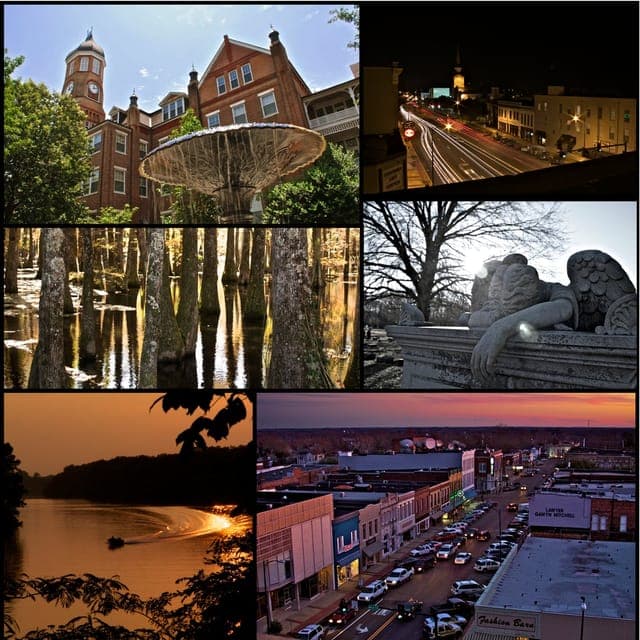
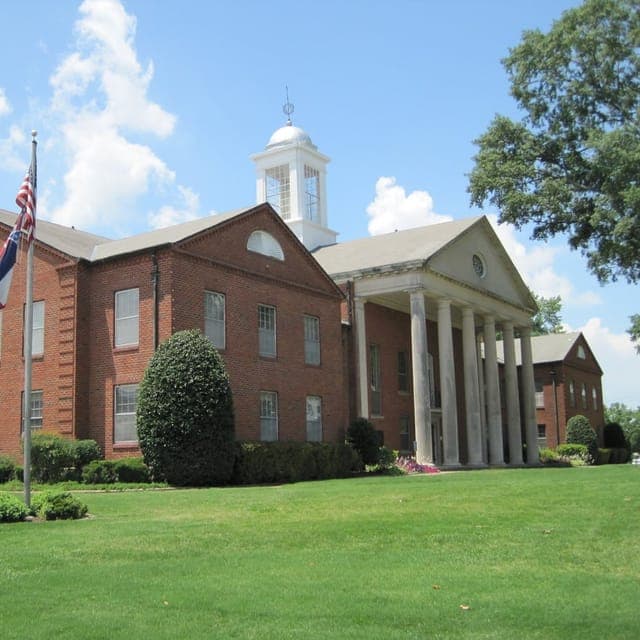
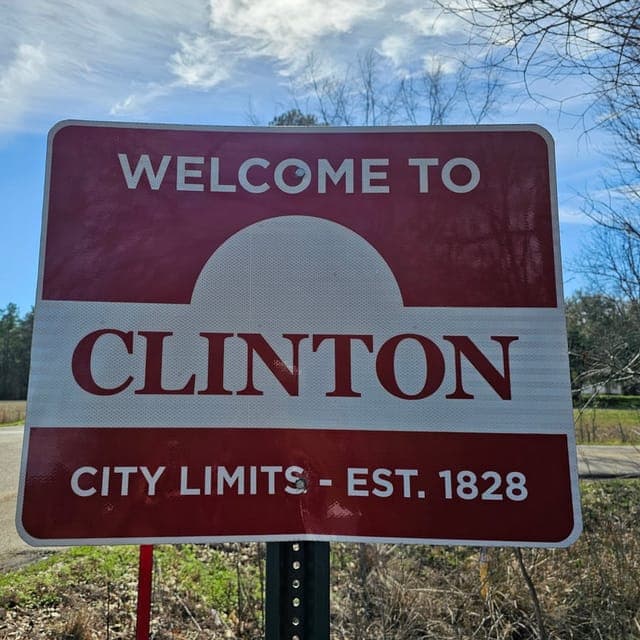
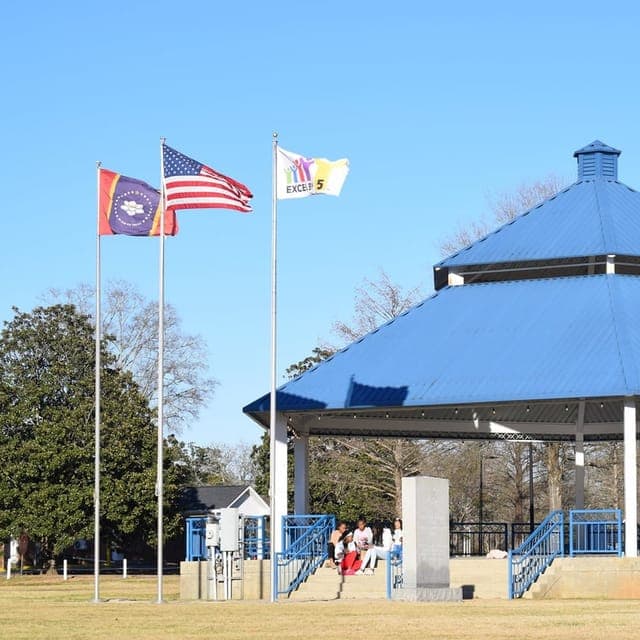
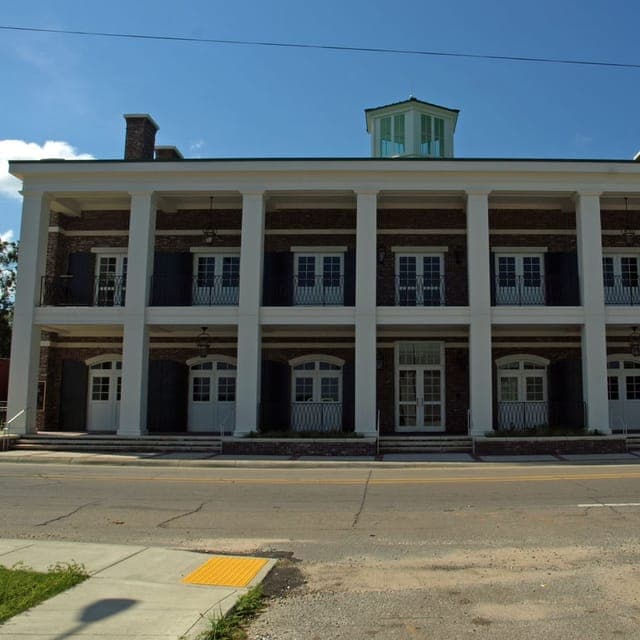
Top Cities for Quality of Life in Mississippi




* Values derived from national, state, county, city and local statistics and may differ in a specific area. Last updated: 2026-04-18T23:31:22.000Z
Narrative content on this page is AI-generated and may contain mistakes. Verify any details that matter before acting on them.
ReloMaps may earn a commission from affiliate links at no extra cost to you.

