
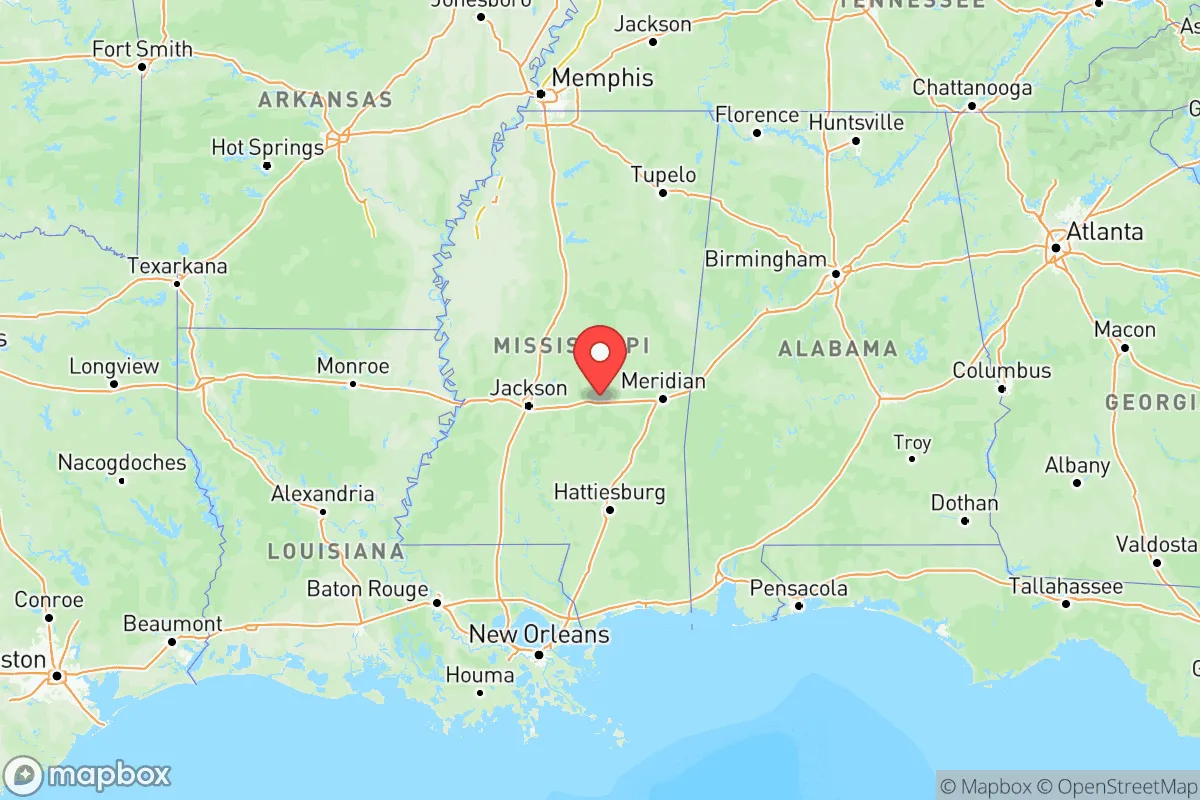
Photo: Wikipedia
Strategic Assessment of Mississippi
Workable tactical position. Some exposure to population density or targets, but generally defensible in a crisis.
What does the Strategic Assessment tell us?
Our Strategic Assessment grades tactical survivability of an area. Major population centers, military targets, fallout zones, natural disasters, and border exposure all drive risk — lower exposure means a more defensible position in a crisis.
This is heavily inspired by Joel Skousen's Strategic Relocation book. Highly recommended you checkout the book ($)What does this tell us?
Our Strategic Assessment grades tactical survivability of an area. Major population centers, military targets, fallout zones, natural disasters, and border exposure all drive risk — lower exposure means a more defensible position in a crisis.
This is heavily inspired by Joel Skousen's Strategic Relocation book. Highly recommended you checkout the book ($)Regional Safe Places
Below is our recommended "safe zones" in Mississippi and the surrounding area based on our strategic heuristics. For most people, it's unrealistic to live in a “safe zone” full-time due to work, family or other personal reasons. They tend to be more rural. However, many of these areas are perfect for second homes and retreat properties that double as a vacation home or even a short-term rental.
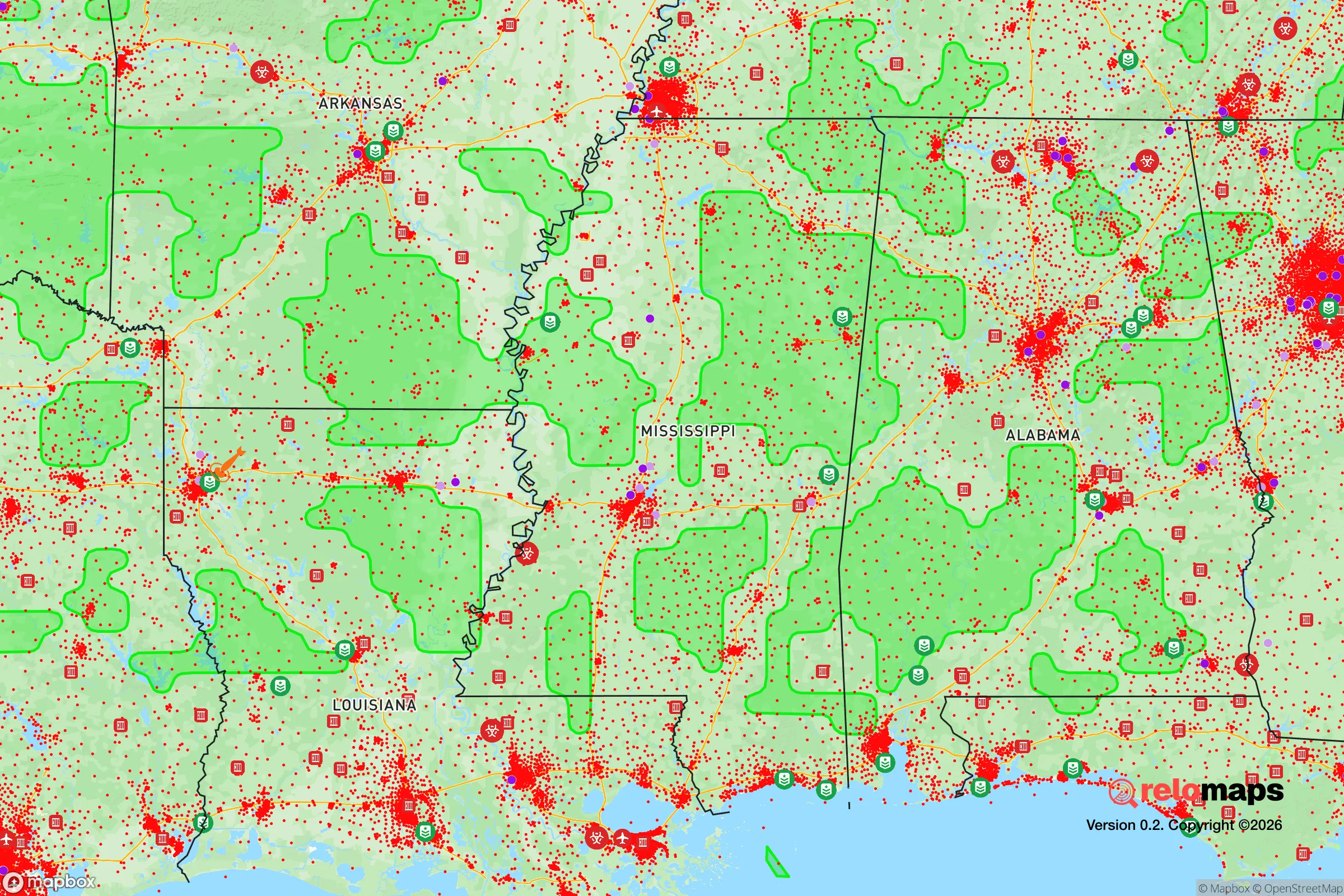
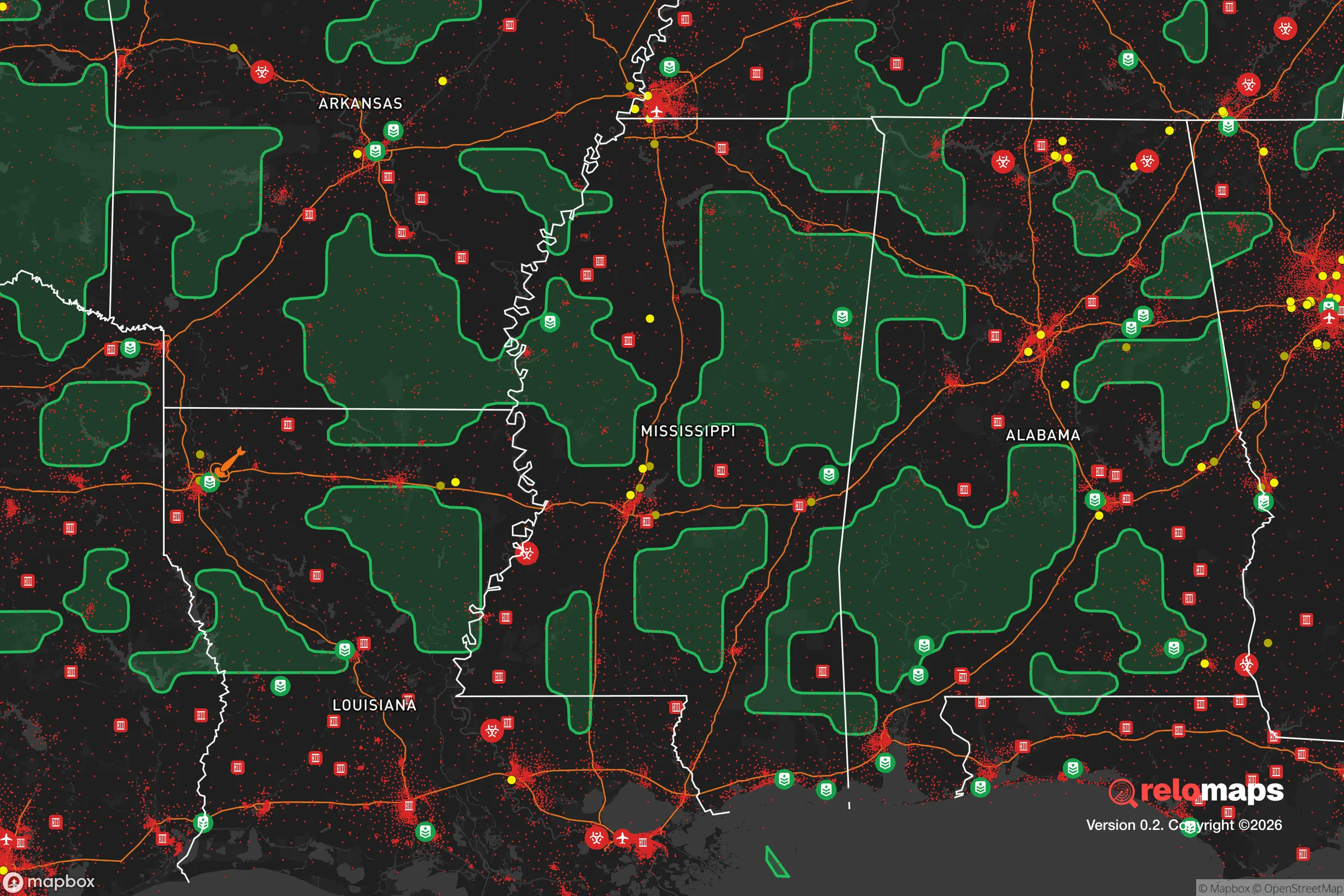


Important Note: For informational purposes only. This does not mean nothing bad ever happens in the green zones. Please use common sense. This is based on public data and modeled with AI. We tried to take a conservative approach but mistakes happen. We update this regularly as new information becomes available.
Solar Generator Recommendations
Backup power matters more here than in safer locations. We've picked three solar generators across budgets and capacity tiers — start with the budget unit if you only need a few essentials, or step up if you want to run a fridge and HVAC for days at a time.

Jackery Portable Power Station Explorer 300
Budget OptionPower on the Go: Weighing only 11 lbs, it's convenient to set up and store with book-sized foldable solar panels

BLUETTI Portable Power Station AC180
Designed for both indoor and outdoor scenarios, AC180 is highly capable as it has a robost capacity and continuous output power.

EF ECOFLOW DELTA Pro Ultra Power Station
Upgraded PickEcoFlow DELTA Pro Ultra is a whole-home energy system designed to grow with your family. Integrated with the Smart Home Panel 2, it scales to meet your evolving energy needs — keeping your home powered, intelligent, and secure through every stage of life.
We earn a commission, at no additional cost to you.
Strategic Assessment Analysis
Mississippi offers a strategic relocation option for those prioritizing geographic buffer, resource independence, and distance from the most likely fallout zones of a destabilized America. The state’s position along the Gulf Coast, combined with its sparse population density outside a few corridors, provides a natural resilience advantage that is hard to replicate in the Northeast or along the West Coast. For a conservative-leaning individual or family looking to weather civic unrest, supply chain disruptions, or mass casualty events, Mississippi’s combination of agricultural self-sufficiency, low population churn, and proximity to critical infrastructure—without being on top of it—makes it a serious contender for a long-term preparedness base.
Geographic position and natural advantages for long-term stability
Mississippi sits in a sweet spot for strategic relocation: far enough from the major coastal population centers to avoid the immediate crush of a crisis, yet close enough to critical Gulf energy and transport hubs to maintain access if things stabilize. The state’s eastern border runs along the Tennessee-Tombigbee Waterway and the Mississippi River, giving it two major inland waterways for moving goods without relying on fragile interstate highways. The Port of Gulfport and Pascagoula’s shipbuilding and refinery complex are key assets—if you need fuel, parts, or maritime trade after a disruption, this is where it flows. The Natchez Trace Parkway and U.S. Highway 49 offer alternative north-south routes that bypass the I-55 and I-10 chokepoints that will clog during an evacuation. The state’s terrain is mostly flat to gently rolling, with the Delta region providing some of the richest agricultural soil in the country—meaning local food production is not a hypothetical; it’s the backbone of the economy. The De Soto National Forest and Homochitto National Forest offer timber, game, and water sources for those willing to live off-grid or semi-rural. The climate is humid subtropical, which means year-round growing seasons but also a need to manage heat and humidity in a prolonged grid-down scenario.
Risks, exposures, and proximity to fallout-relevant landmarks
No place is immune, and Mississippi has its own set of vulnerabilities that a prepper must account for. The most obvious is the Gulf Coast hurricane zone—the stretch from Biloxi to Pascagoula is ground zero for storm surge and wind damage. A Category 4 or 5 storm could knock out power, water, and communications for weeks, and FEMA’s response will be slow if the event is widespread. The Chevron Pascagoula Refinery (one of the largest in the U.S.) and the Kemper County coal gasification plant are industrial targets that, if compromised, could create localized toxic plumes or fires. The Tennessee Valley Authority’s nuclear plants (Browns Ferry in Alabama, Sequoyah in Tennessee) are within 200 miles of northern Mississippi—close enough that a catastrophic failure could affect water and air quality downwind. The Vicksburg area, with its locks and dams on the Mississippi River, is a chokepoint that could be contested in a resource war. On the human side, Jackson has seen chronic water system failures and rising crime rates—a warning that even state capitals can become ungovernable. The Mississippi River itself is a double-edged sword: it provides transport and water, but it also concentrates population and industry along its banks, making towns like Greenville and Natchez potential targets for looting or civil unrest if supply chains snap. The state’s proximity to Louisiana’s refinery corridor (Baton Rouge to New Orleans) and Texas’s Houston Ship Channel means that a major event at either could send refugees and fallout northward. For a relocator, the key is to avoid the coastal strip and the river towns, and instead focus on the interior piney woods or the northeastern hill country.
Practical resilience for a relocator: food, water, energy, and defensibility
Mississippi’s practical resilience is built on three pillars: water abundance, agricultural surplus, and low population density. The state has over 1,000 miles of navigable waterways and some of the highest annual rainfall in the continental U.S. (50–60 inches per year), meaning surface water and groundwater are plentiful for those who know how to dig a well or set up rainwater catchment. The Mississippi Delta produces rice, soybeans, corn, and cotton—staples that can be bartered or stored. The Pine Belt region (around Hattiesburg and Laurel) offers timber for construction, fuel, and defense perimeters. For energy, the Mississippi Power Company’s Plant Ratcliffe near Meridian is a coal and natural gas facility that could be a local grid anchor if the national grid fails, though it’s also a target. Solar is viable year-round, and the state has no net metering restrictions that would prevent off-grid setups. Defensibility is a mixed bag: the flat Delta is hard to defend, but the northeastern hills (around Tupelo, Corinth, and the Pontotoc Ridge) offer terrain that can be used for observation and chokepoints. The Keesler Air Force Base in Biloxi and Camp Shelby near Hattiesburg are military installations that could become staging areas for federal response or, in a worst-case scenario, contested zones. For a family, the small towns of the Hill Country (like Ripley, New Albany, or Houston) offer a balance of seclusion, local community, and access to resources without being on a major highway. The state’s gun laws are among the most permissive in the country—no permit required for open or concealed carry, and no red flag laws—which is a practical advantage for self-defense and community security.
The overall strategic picture for Mississippi is one of high potential with manageable risk, provided you choose your location carefully. The state’s greatest strength is its ability to produce food and water locally, even in a prolonged crisis, and its greatest weakness is the vulnerability of the Gulf Coast to hurricanes and the industrial corridor along the Mississippi River. For a conservative relocator who values self-reliance, low taxes, and a culture that still respects firearms and property rights, Mississippi offers a viable base of operations. The key is to avoid the obvious targets—the coast, the river towns, and Jackson—and instead settle in the interior piney woods or the northeastern hills, where you can build a defensible homestead with access to water, timber, and a community that will likely band together rather than tear itself apart. If you’re looking for a place to ride out the storm, Mississippi is not a bad bet—just make sure you’re not sitting on the beach when the wave hits.

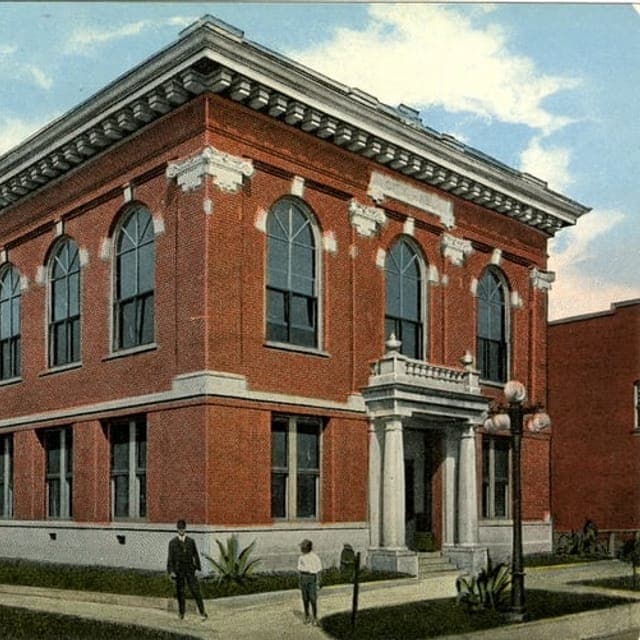
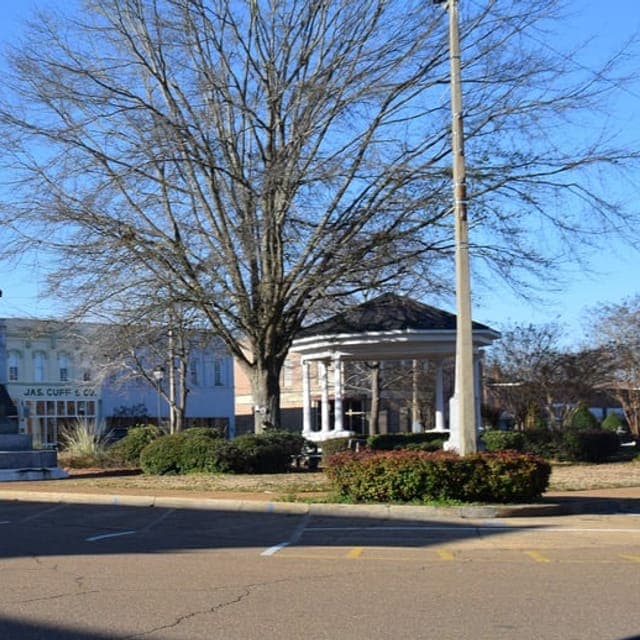
Top 10 Cities by Strategic Assessment in Mississippi
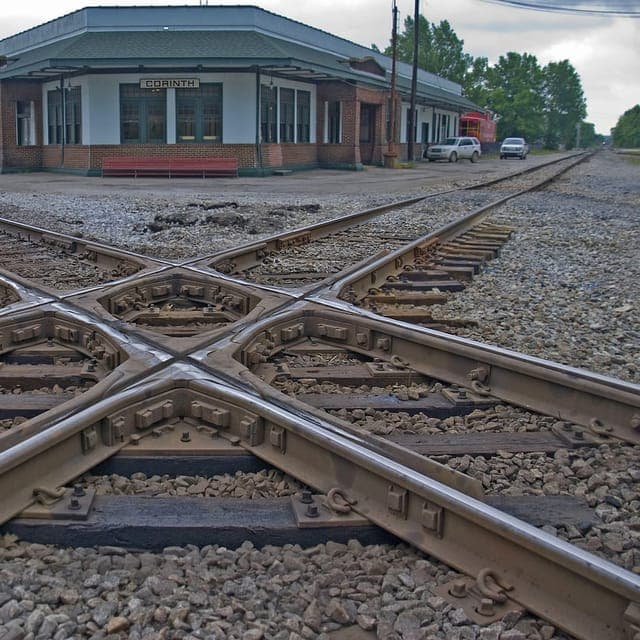
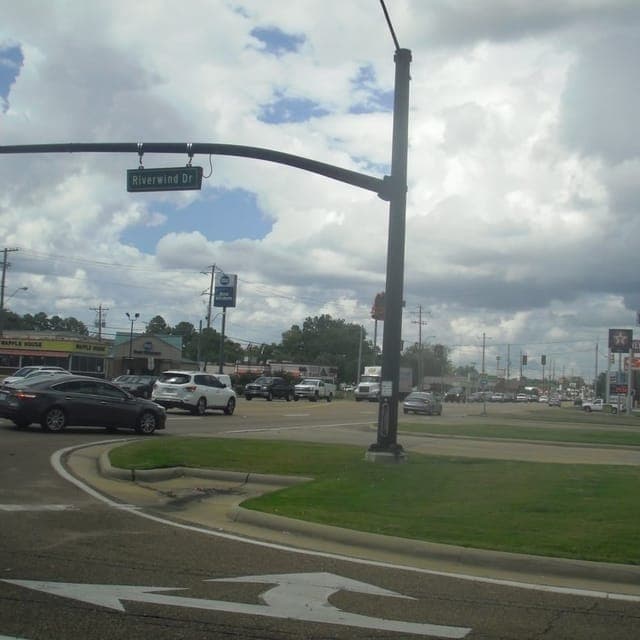
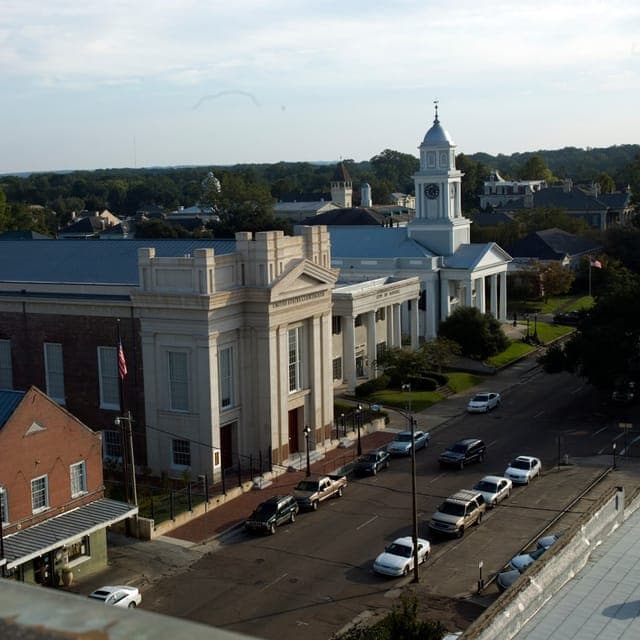
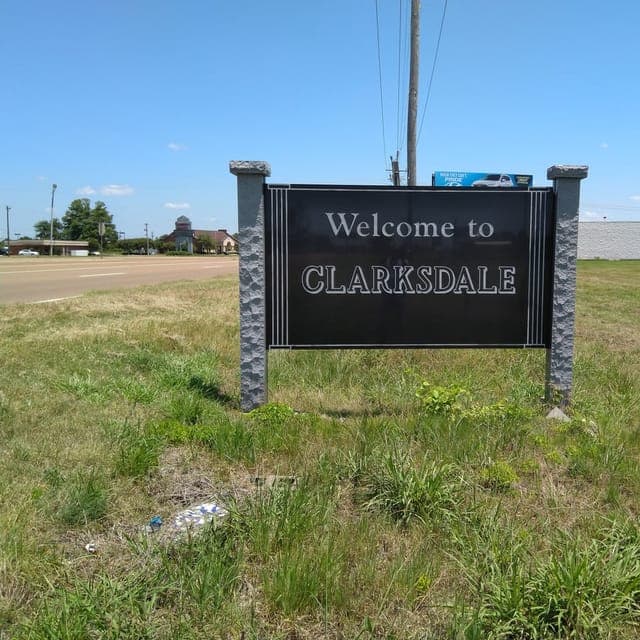
* Values derived from national, state, county, city and local statistics and may differ in a specific area. Last updated: 2026-04-18T23:31:22.000Z
Narrative content on this page is AI-generated and may contain mistakes. Verify any details that matter before acting on them.
ReloMaps may earn a commission from affiliate links at no extra cost to you.

