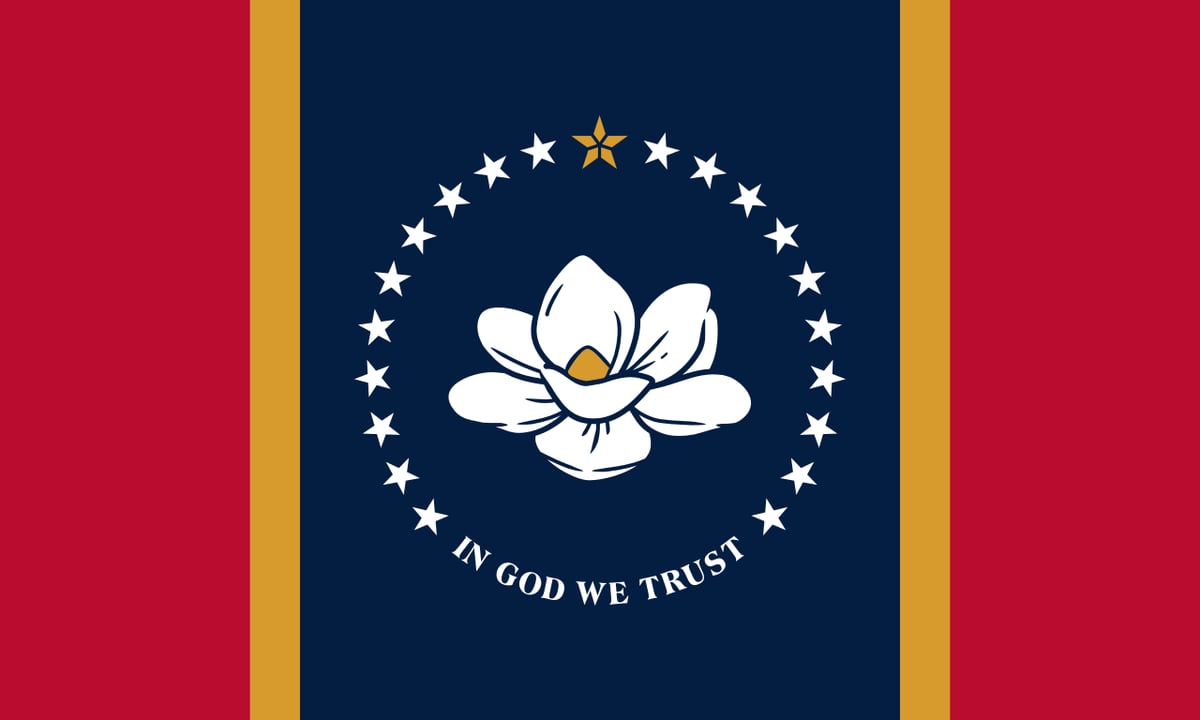
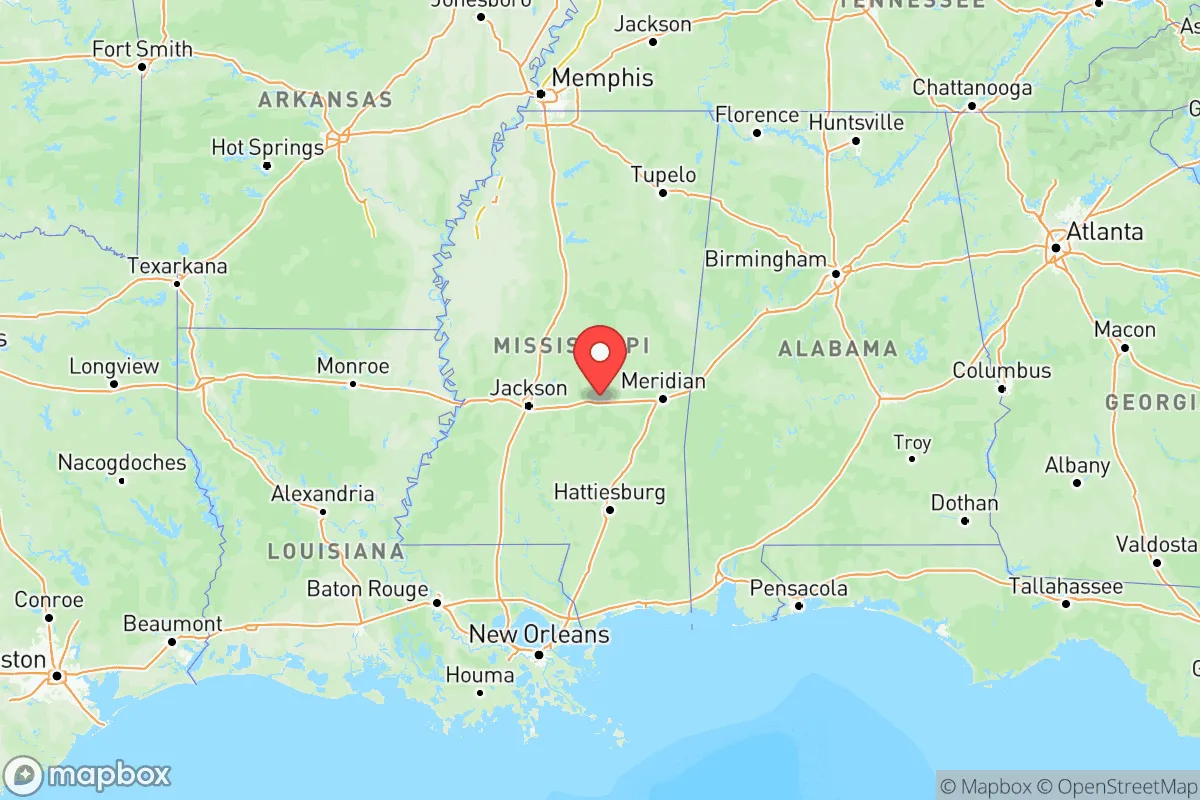
Photo: Wikipedia
Political ClimatePolitical Climate in Mississippi
Political Environment in the State
Mississippi is one of the most reliably Republican states in the nation, with a Cook Partisan Voting Index of R+11, meaning it votes about 11 points more Republican than the national average in presidential elections. The state hasn't voted for a Democratic presidential candidate since 1976, when Jimmy Carter carried it, and the GOP now holds every statewide office, both U.S. Senate seats, and a supermajority in the state legislature. Over the last 20 years, the shift has been steady and pronounced — as white rural voters consolidated behind the GOP and the state's small but growing suburban areas followed suit, Mississippi moved from a competitive Southern state to a deep-red stronghold where Democratic performance in statewide races rarely cracks 40%.
Urban vs. rural divide
The political map of Mississippi is a textbook study in the urban-rural split. The state's largest city, Jackson, is a Democratic stronghold — Hinds County, which contains most of Jackson, voted about 80% for Joe Biden in 2020. But Jackson's influence is limited because the city has been shrinking for decades, losing population to surrounding suburbs like Madison and Ridgeland, which are reliably Republican. The Gulf Coast cities of Biloxi and Gulfport lean Republican but are more competitive, with Harrison County voting about 60% for Trump in 2020. The real engine of the state's Republicanism is the rural and small-town interior — counties like DeSoto (just south of Memphis), Rankin (east of Jackson), and Lamar (near Hattiesburg) routinely deliver 70-80% Republican margins. The Mississippi Delta, historically a Democratic bastion due to its large Black population, has seen its political influence wane as population declines there accelerate. Oxford, home to the University of Mississippi, is a notable blue dot in a red sea — Lafayette County went for Biden by a slim margin in 2020, driven by the university population and the growing creative class in the town.
Policy environment
Mississippi's policy environment is among the most conservative in the country, and it's been trending further right over the past decade. The state has no income tax on Social Security benefits, and in 2022, the legislature passed a phased elimination of the state income tax — the rate dropped from 5% to 4.7% in 2023, with further cuts scheduled to bring it to 4% by 2026. The sales tax is 7%, one of the highest in the nation, but there's no tax on groceries. Property taxes are low by national standards, with the median effective rate around 0.8%. On education, Mississippi has a school choice program — the Mississippi Education Scholarship Account (ESA) program, expanded in 2023, allows parents of special needs students to use state funds for private school tuition or homeschooling expenses. The state also has a charter school law, though charter growth has been slow. On healthcare, Mississippi did not expand Medicaid under the Affordable Care Act, and the state has some of the most restrictive abortion laws in the country — a near-total ban with no exceptions for rape or incest, only to save the mother's life. Election laws are straightforward: voter ID is required, early voting is limited (no-excuse absentee voting was expanded in 2024 but still requires a reason), and the state has no automatic voter registration.
Trajectory & freedom
On the freedom front, Mississippi has been moving decisively in the direction of expanding personal liberty, especially in areas that matter to conservative families. In 2023, the legislature passed a permitless carry law, allowing any adult who can legally possess a firearm to carry it concealed or openly without a permit — this was a major expansion of Second Amendment rights. On parental rights, the state passed the "Parents' Bill of Rights" in 2022, which requires schools to notify parents of any medical or mental health services offered to their children and prohibits instruction on sexual orientation or gender identity in K-3 classrooms. The state also passed a law in 2023 banning transgender athletes from participating in girls' sports at all levels. On medical freedom, Mississippi has no vaccine mandate for public school attendance — parents can opt out for religious or philosophical reasons. Property rights are strong: the state has a right-to-farm law that protects agricultural operations from nuisance lawsuits, and there's no state-level property tax on business inventory. The one area where freedom advocates have concerns is the state's occupational licensing regime — Mississippi still requires licenses for dozens of occupations, from barbers to interior designers, though the legislature has been slowly chipping away at these requirements since 2020.
Civil unrest & political movements
Mississippi has not seen the kind of large-scale civil unrest that has hit other states in recent years. The most notable flashpoint was the 2020 protests in Jackson following the George Floyd killing, which were largely peaceful but included some property damage downtown. The state's political movements are dominated by the Republican Party, which has become more populist and culturally conservative over the last decade. The Mississippi Freedom Caucus, a group of hardline conservative state legislators formed in 2023, has pushed for further tax cuts, school choice expansion, and restrictions on transgender rights. On the left, the Mississippi Democratic Party remains weak and fractured, with its base concentrated in Jackson and the Delta. Immigration politics are less visible here than in border states — Mississippi's foreign-born population is only about 2.5%, one of the lowest in the nation. There are no sanctuary cities in Mississippi; in fact, a 2024 law requires local law enforcement to cooperate with federal immigration authorities. Election integrity has been a topic of debate — the state's voter ID law is popular across party lines, but some conservatives have pushed for hand-counting of ballots and restrictions on mail-in voting, though neither has passed as of 2025.
Projection
Over the next 5-10 years, Mississippi is likely to remain deeply Republican, but the nature of that Republicanism may shift. The state is experiencing modest in-migration from other Southern states, particularly to the Gulf Coast and the Jackson suburbs, driven by low housing costs and the absence of income tax. These newcomers tend to be conservative but may be more libertarian-leaning than the traditional social conservatives who have dominated state politics. The biggest demographic change is the continued decline of the Black population in the Delta, which reduces the Democratic base, and the growth of the white population in DeSoto County (suburban Memphis) and the Gulf Coast. The state's political trajectory will likely see further tax cuts, continued expansion of school choice, and a hardening of cultural conservative positions on issues like transgender rights and abortion. The wild card is the state's economy — Mississippi has the lowest median household income in the nation, and if economic stagnation continues, it could fuel populist discontent that might challenge the current GOP establishment. For now, though, the state is on a clear path toward becoming even more Republican and more culturally conservative.
For a new resident, the bottom line is this: Mississippi offers a political environment that is reliably conservative, with low taxes, strong gun rights, and a government that is generally deferential to parental authority and religious liberty. The trade-offs are a weak economy, poor public health outcomes, and a public education system that ranks near the bottom nationally — though school choice options are expanding. If you value personal freedom in the traditional sense and are willing to accept lower levels of public services in exchange, Mississippi is one of the most accommodating states in the country. Just know that the politics here are not passive — the legislature is actively shaping policy every session, and if you want to preserve the current trajectory, you'll need to stay engaged.

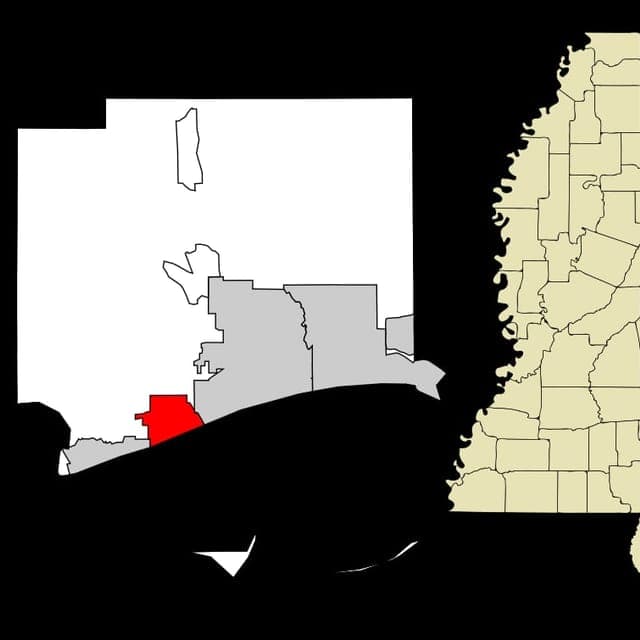
Most Conservative Cities in Mississippi



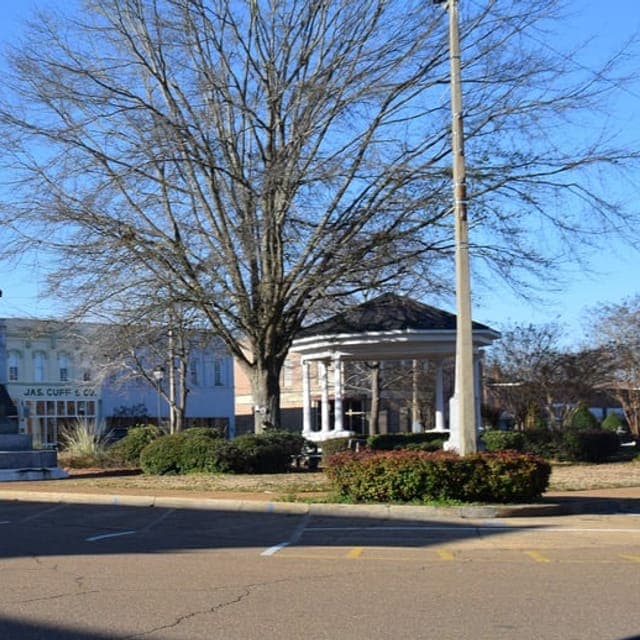
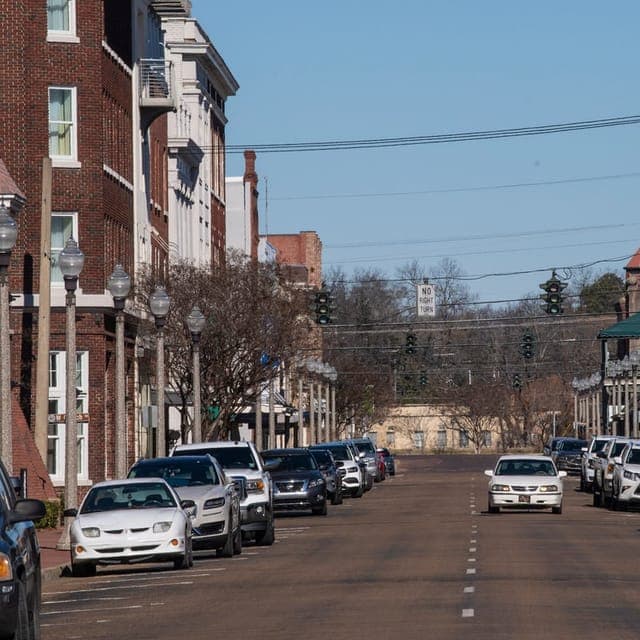
Most Liberal Cities in Mississippi




* Values derived from national, state, county, city and local statistics and may differ in a specific area. Last updated: 2026-04-18T23:31:22.000Z
Narrative content on this page is AI-generated and may contain mistakes. Verify any details that matter before acting on them.
ReloMaps may earn a commission from affiliate links at no extra cost to you.

