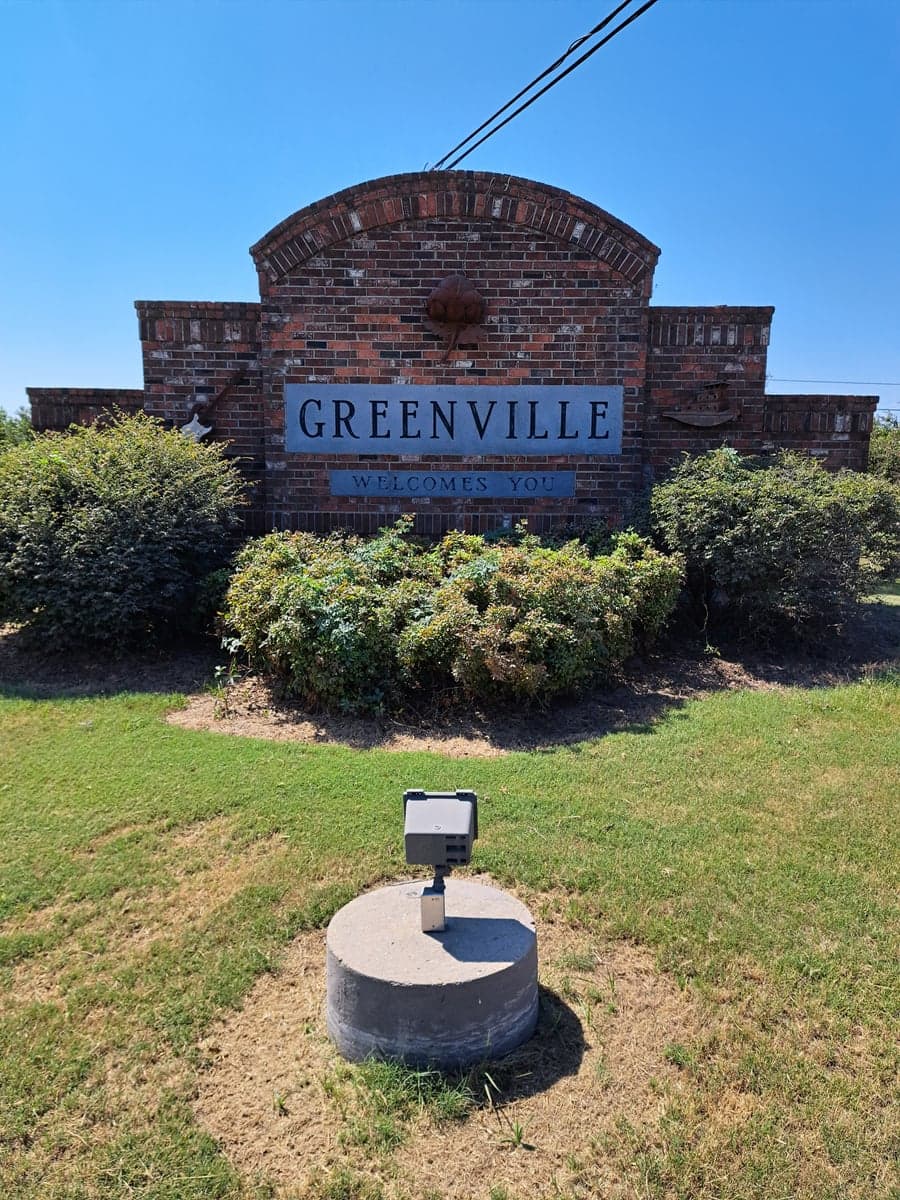
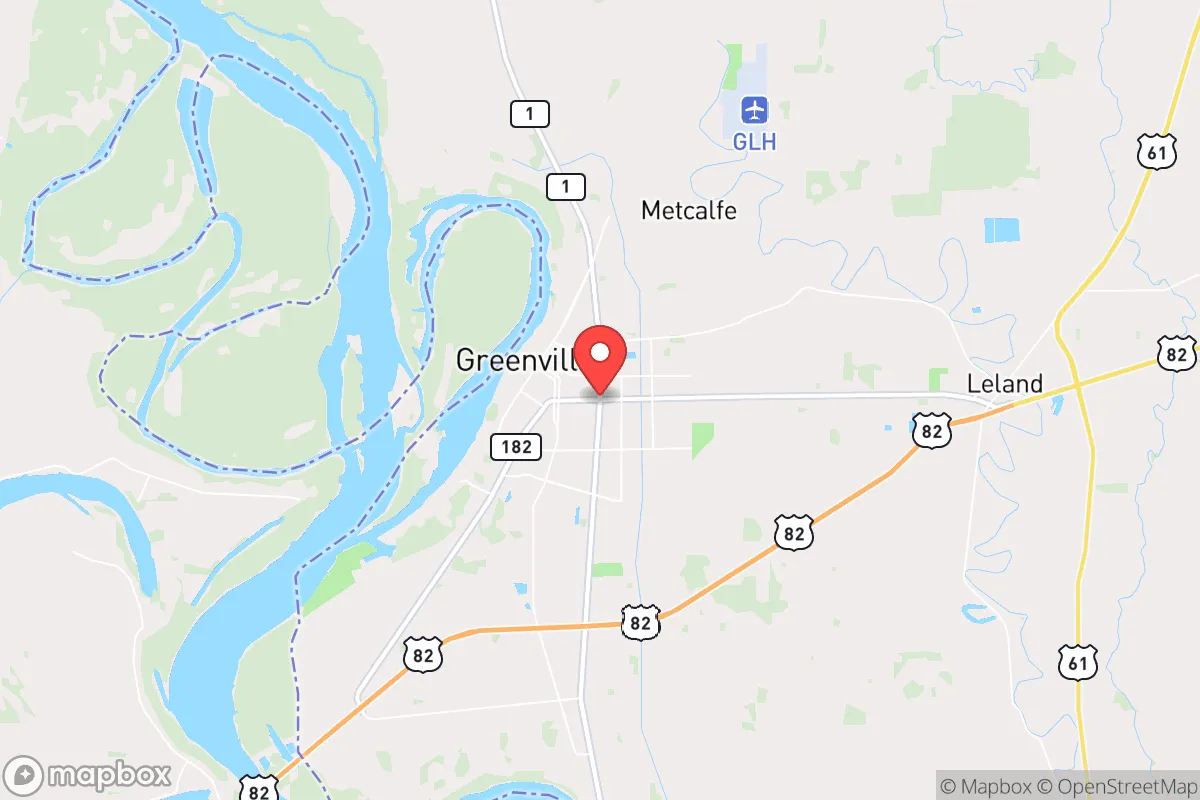
Photo: Wikipedia
Find The Best Places To Live
in Greenville
PRO TIP! You can paste a Zillow or Redfin link to get info on that property.
What It's Like Living in Greenville, MS
Greenville, Mississippi, sits on a sweeping bend of the Mississippi River with a quiet, worn-in feel that’s equal parts Delta history and small-town practicality. It’s the kind of place where you know the name of the cashier at the Piggly Wiggly, where Friday night lights matter more than rush hour, and where the pace of life slows down enough that you can actually catch your breath. For the right person—someone who values community over convenience and doesn’t mind a little grit with their charm—Greenville offers a genuinely affordable, low-stress way of living that’s increasingly hard to find anywhere else.
The Daily Rhythm: Slow Mornings and Long Evenings
Life in Greenville moves at a deliberate pace. The average commute clocks in at just over 18 minutes, which means most people are home well before the dinner hour. Mornings often start with coffee at Delta Fast Break or a quick breakfast biscuit from a local gas station—there’s no Starbucks drive-thru culture here, and nobody misses it. Workdays are spent in healthcare, education, or agriculture; the largest employers include the Delta Regional Medical Center, the Greenville Public School District, and various catfish and soybean operations that line the surrounding farmland. With a median household income of $36,297, this isn’t a place where people chase big paychecks—they come here because the cost of living index sits at 57, less than 60% of the national average, and a median home value of $100,800 means a family can own a decent three-bedroom house on a single income.
Weekends are for the river. Locals launch boats at Warfield Point Park, fish for catfish and crappie off the banks, or simply sit on a tailgate watching barges glide past. The Mississippi River levee is a popular walking and biking route, especially in the mild spring and fall months. Summer, though, is a different beast—humid, buggy, and relentlessly hot from June through September. Air conditioning isn’t a luxury; it’s survival. The heat shapes the social calendar, pushing outdoor gatherings to early mornings or after sunset.
Sports, Festivals, and Where People Actually Hang Out
High school football is the closest thing Greenville has to a professional sport. On Friday nights in the fall, the stands at Greenville High School’s Legion Field fill with parents, grandparents, and alumni who haven’t missed a home game in decades. The Hornets are a source of genuine community pride, and the rivalry with nearby Washington School draws crowds that rival some small colleges. Basketball and baseball also draw solid followings, but football is king. There’s no pro team within two hours, so the Saints and Cowboys are adopted by default—but nobody talks about them with the same passion as they do the local kids.
For entertainment beyond the gridiron, the Greenville Arts Council hosts regular gallery openings and live music at the E.E. Bass Cultural Arts Center, a converted school building that also houses the Delta Children’s Museum. The biggest annual event is the Delta Hot Tamale Festival every October, which draws thousands for live blues, tamale-eating contests, and a genuine celebration of Delta food culture. For a quieter night out, locals head to Lindy’s Downtown for fried catfish and hushpuppies, or Doe’s Eat Place—a legendary steakhouse that started as a tamale stand and now draws visitors from Memphis and Jackson. The bar scene is modest: Bourbon on the Levee is the go-to for live music and a younger crowd, while Walnut Street Social Club offers a more laid-back, older vibe.
What Works, What Doesn’t, and Who Thrives Here
The biggest draw is the cost of living. A family can buy a home for $100,800—less than a down payment in many coastal cities—and still have room in the budget for a boat payment or a yearly vacation to the Gulf Coast. The violent crime rate of 178.8 per 100,000 is lower than the national average of roughly 380, though property crime can be an issue in certain neighborhoods, particularly around the downtown core. Most longtime residents will tell you the real frustration isn’t safety—it’s the lack of retail and dining options. There’s no Target, no Costco, no Cheesecake Factory. For serious shopping or a chain restaurant, you drive 90 minutes to Jackson or two hours to Memphis. That isolation is a dealbreaker for some and a feature for others.
The kind of person who fits in Greenville is someone who values relationships over amenities. With only 20.2% of adults holding a college degree, the professional class is small but tight-knit. New arrivals tend to be either young families looking for affordable starter homes, retirees drawn to the low cost of living, or people returning to the Delta after time away. The median age of 38.4 reflects a population that skews slightly older than the national median, but there’s a steady trickle of younger families drawn by the schools—particularly the private options like Washington School and St. Joseph Catholic School, which are deeply woven into the community’s social fabric. Public schools face the same challenges as many rural districts: underfunding, aging facilities, and a high poverty rate among students. Parents who can afford private tuition often choose it, and those schools become the center of their social world.
What frustrates locals most is the lack of economic momentum. The population has declined from over 40,000 in the 1980s to just 28,833 today, and the downtown has more empty storefronts than thriving businesses. But what keeps people here is the genuine neighborliness—the way a stranger will help you jump-start your car in a parking lot, or how the guy selling tamales on the corner knows your order by heart. It’s not a place for everyone, but for those who value a slower, cheaper, more connected life, Greenville offers something increasingly rare: a real sense of belonging.

Similar towns to Greenville
* Values derived from national, state, county, city and local statistics and may differ in a specific area. Last updated: 2026-04-19T14:58:41.000Z
Narrative content on this page is AI-generated and may contain mistakes. Verify any details that matter before acting on them.
ReloMaps may earn a commission from affiliate links at no extra cost to you.

