Photo: Wikipedia
Quality of Life in Missoula, MT
Above-average quality of iife. The area offers a reasonable cost of living, decent mobility, and a mix of neighborhood amenities.
What does Quality of Life tell us?
Quality of Life blends cost of living, nearby amenities, socioeconomic signals, and neighborhood character. City-level scores represent the whole municipality; individual neighborhoods can differ.
What does this tell us?
Quality of Life blends cost of living, nearby amenities, socioeconomic signals, and neighborhood character. City-level scores represent the whole municipality; individual neighborhoods can differ.
Cost of Living
18% above national average
The Real Cost of Living in Missoula, MT for 2026
| Tier | Individual | Family (4) |
|---|---|---|
| Survival | $18k | $34k |
| Comfortable | $83k | $122k |
| Luxury | $118k+ | $183k+ |
| Elite (Top 5%) | $151k+ | $234k+ |
54%
The Area Signal
A metric tracking the socioeconomic signals of the area.
Hobbies
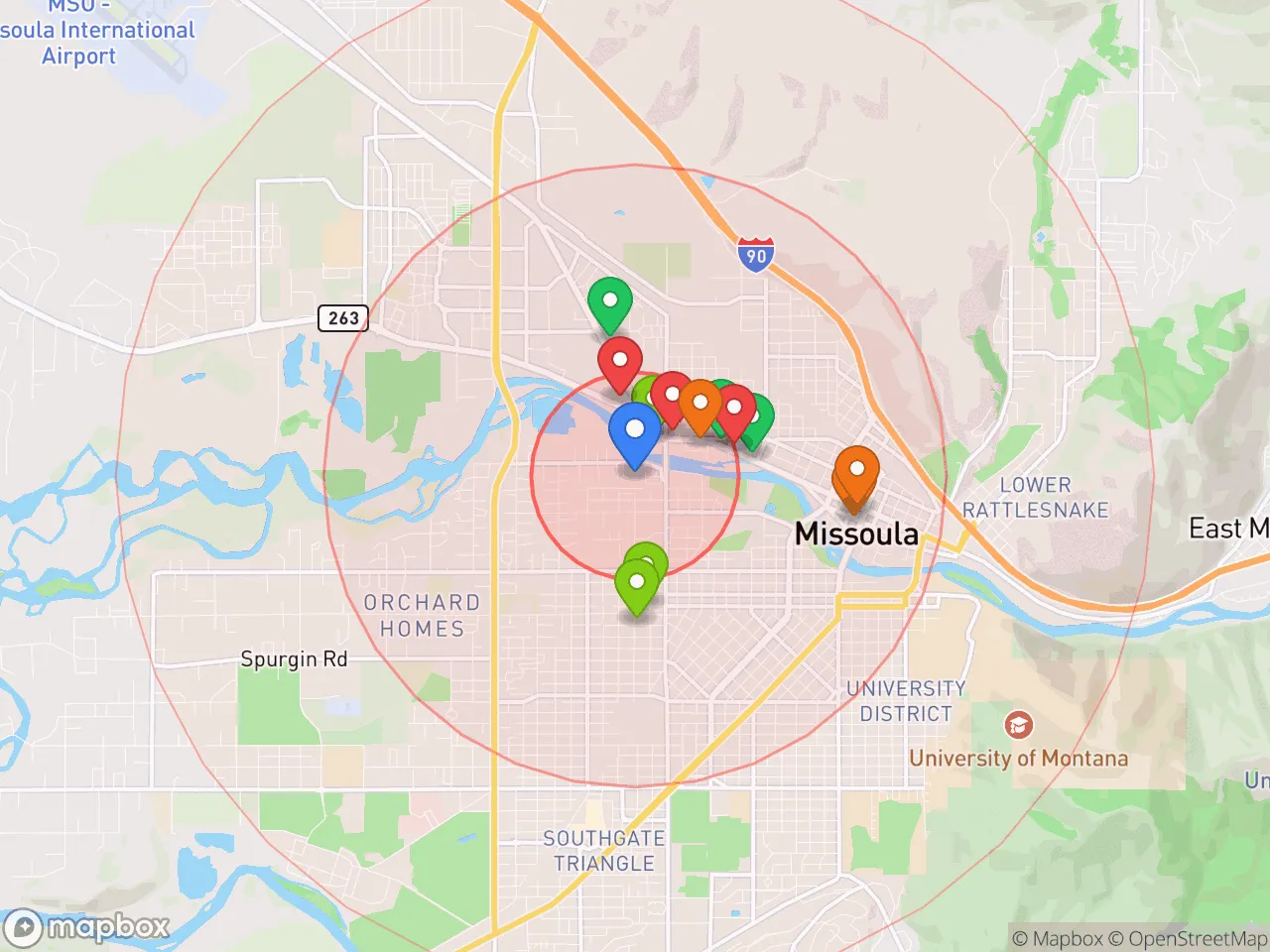
Explore the areaGroceries
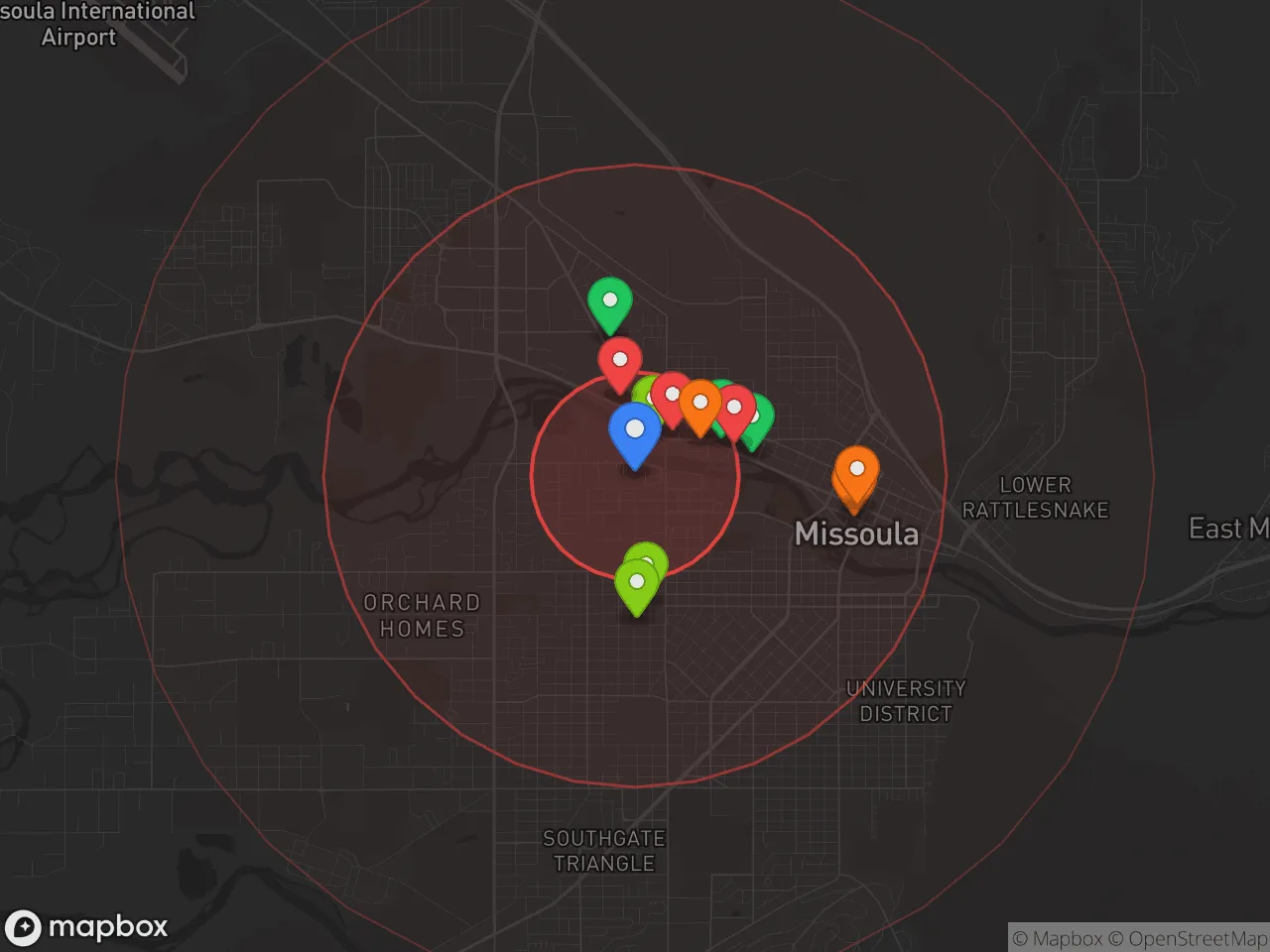
6 within 10 miles
Gas
20 within 10 miles
Hospital
3 within 20 miles
Airport
SEA — Seattle–Tacoma International
Post Office
USPS — Missoula, MT
Critical Amenities
Quality-of-Life Analysis
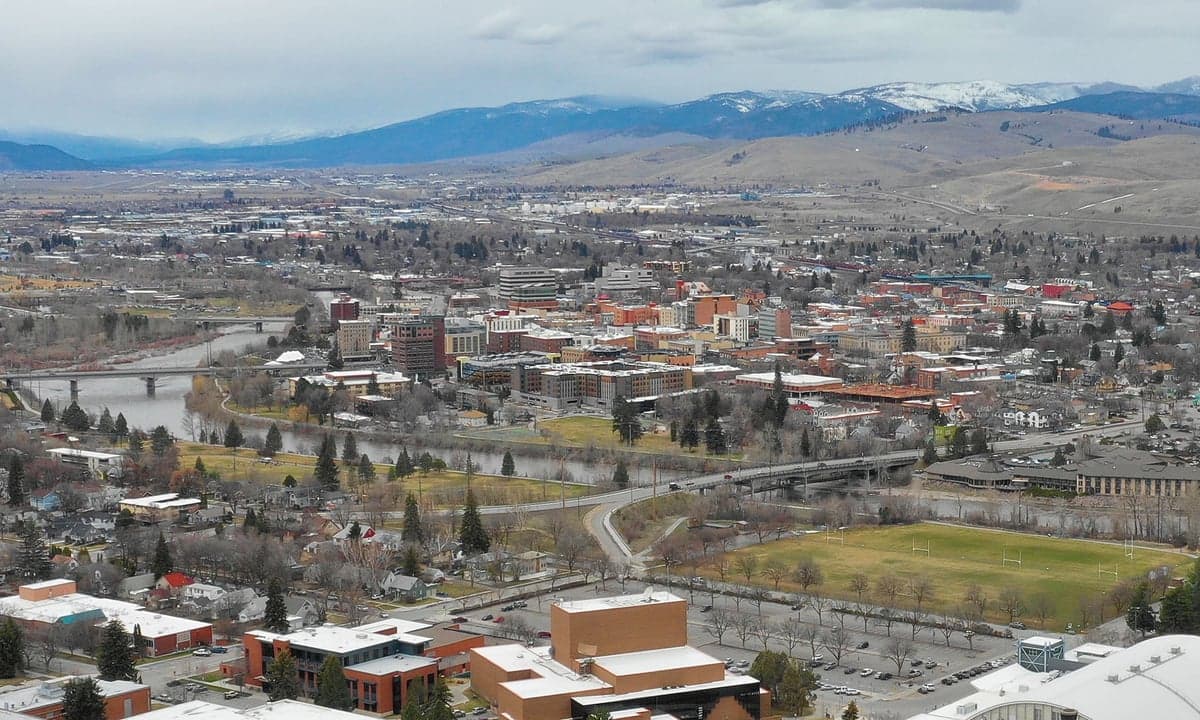
Missoula, Montana, presents a quality of life defined by its status as a regional economic and cultural hub, attracting a mix of University of Montana students, outdoor recreationists, and remote workers. The city’s affluence is above the national average, with a cost of living index of 118 (100 = US average), reflecting its desirability and limited housing supply. The population skews younger and more educated than the state average, driven by the university and a growing tech-adjacent workforce, though it also retains a strong blue-collar and service-industry base tied to healthcare, education, and tourism.
Cost of living and housing affordability compared to Bozeman and Kalispell
Missoula’s cost of living is notably high for Montana, but it remains more affordable than Bozeman, where median home values exceed $600,000. The median home value in Missoula is $427,400, a figure that has risen sharply since 2020 but still offers relative value compared to Bozeman or the resort towns of Big Sky. Median rent sits at $1,120, which is manageable for many professionals but strains service workers and students. The average commute is just 16.6 minutes, significantly shorter than the national average of 26 minutes, meaning residents save time and money on transportation. Compared to Kalispell, Missoula has slightly higher home prices but offers more diverse employment and cultural amenities, making it a trade-off for those prioritizing career opportunities over pure affordability.
Schools, outdoor amenities, and the daily rhythm of life
Daily life in Missoula revolves around the University of Montana, the Clark Fork River, and a walkable downtown core. The city’s public schools, particularly Hellgate High School and Big Sky High School, are well-regarded, with graduation rates above 90%. Outdoor amenities are exceptional: the Clark Fork River runs through the city center, providing fishing, floating, and riverside trails, while the Rattlesnake National Recreation Area and Mount Sentinel offer hiking and mountain biking within minutes of downtown. The daily rhythm is slower than in larger metros, with a strong emphasis on local food, craft breweries, and community events like the Missoula Farmers Market. The city also hosts the International Wildlife Film Festival and the Missoula Symphony, adding a cultural layer uncommon for a city of its size (population ~75,000).
Who thrives in Missoula? Outdoor enthusiasts who value immediate access to wilderness, university-affiliated professionals, and remote workers with flexible incomes will find the lifestyle rewarding. The high cost of housing relative to local wages means that households earning above $80,000 will have the most comfortable experience, while those in service or seasonal roles may struggle with rent. Families benefit from strong schools and low crime rates compared to national averages, though the city’s limited job diversity outside of education, healthcare, and government can be a constraint. Ultimately, Missoula rewards those who prioritize recreation and community over career advancement in specialized fields.

Crime in Missoula, MT
Generally safer than 56% of comparable U.S. locations.
Violent CrimeViolent Crime Analysis
Property CrimeProperty Crime Analysis
Crime Analysis
Missoula’s overall safety picture is mixed: its violent crime rate of 406.2 incidents per 100,000 residents is notably higher than the national average, while its property crime rate of 1,441.6 per 100,000 also exceeds typical U.S. benchmarks. These figures place Missoula among the higher-crime cities in Montana, a state that itself has above-average crime rates for its size. The city’s status as a regional hub for commerce, education, and tourism contributes to a transient population and concentrated crime patterns, particularly in downtown and near the University of Montana campus.
Crime in context
Compared to national data, Missoula’s violent crime rate is roughly 15% higher than the U.S. average of about 350 per 100,000, while its property crime rate is approximately 30% higher than the national figure of roughly 1,100 per 100,000. Within Montana, Missoula’s rates are elevated relative to smaller towns like Bozeman or Helena, though it is comparable to Billings, the state’s largest city. A key factor influencing these numbers is the local justice system: Missoula County has a reputation for progressive prosecution and sentencing policies, with district attorneys and judges who often prioritize rehabilitation and diversion programs over incarceration. While intended to reduce recidivism, this approach has been criticized for contributing to higher rates of repeat offenses and a perception that property and drug crimes carry minimal consequences, potentially emboldening offenders and undermining public confidence in safety.
What residents experience
Residents most frequently encounter property crimes—vehicle break-ins, bicycle theft, and burglary—particularly in high-traffic areas like the Hip Strip, the University district, and the Northside. Violent crime, while less common, includes aggravated assault and robbery, often linked to alcohol-fueled altercations near downtown bars or domestic disputes. The progressive judicial philosophy in Missoula has led to lenient sentences for non-violent offenders, which many locals believe contributes to a revolving-door effect for property criminals. This dynamic creates a sense of unease, especially among homeowners and small business owners who report repeated victimization. The city’s police department has responded with targeted patrols and community policing initiatives, but staffing shortages and a focus on harm reduction rather than strict enforcement have limited their impact.
Neighborhood-level variation
Crime is not evenly distributed across Missoula. The downtown core, including the area around Higgins Avenue and the Clark Fork River, sees the highest concentration of both property and violent incidents, driven by nightlife activity and a visible homeless population. The Westside and South Hills neighborhoods generally report lower crime rates, with more single-family homes and less foot traffic. The University area experiences spikes in theft and vandalism during the academic year, while the Northside and Rose Park areas have moderate property crime but fewer violent offenses. Prospective residents should research specific blocks and talk to local police precincts, as crime can vary significantly even within a few blocks, particularly near the city’s main transit corridors and commercial zones.
* Values derived from national, state, county, city and local statistics and may differ in a specific area. Last updated: 2026-04-23T04:42:42.000Z
Narrative content on this page is AI-generated and may contain mistakes. Verify any details that matter before acting on them.
ReloMaps may earn a commission from affiliate links at no extra cost to you.

