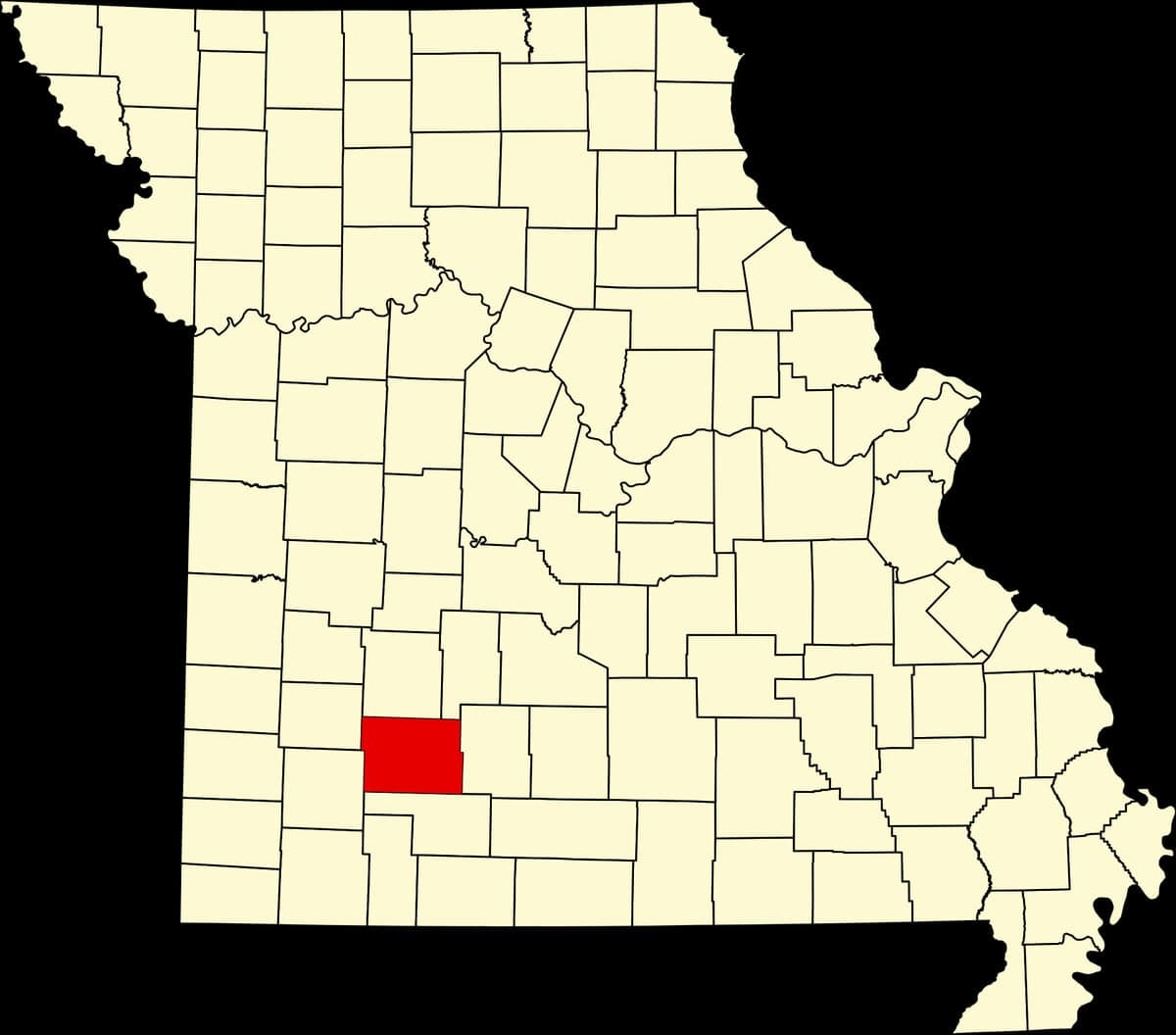
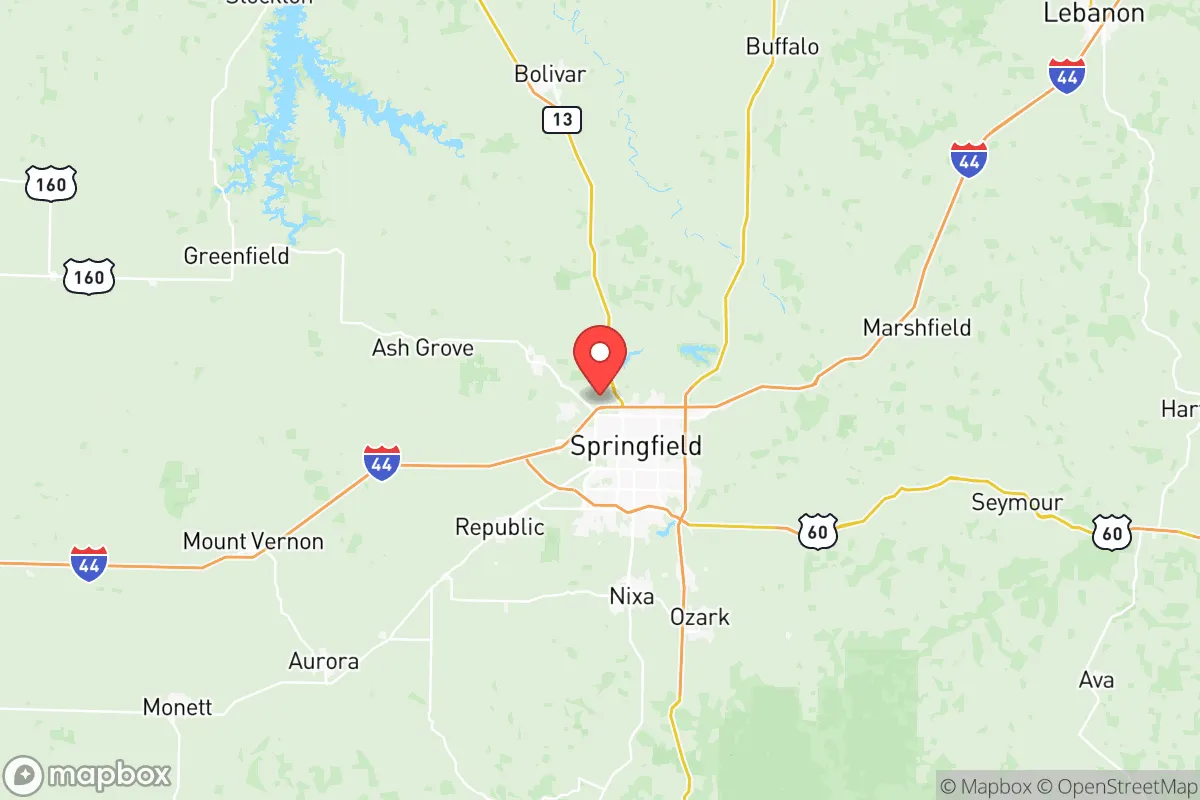
Photo: Wikipedia
Quality of Life in Greene County
A livable area that tracks near national norms for affordability, walkability, and neighborhood health.
What does Quality of Life tell us?
Quality of Life measures an area by evaluating factors like cost of living, nearby amenities, country club access, airport proximity, socioeconomic signals and neighborhood character. For large states, this is a general average — quality of life can vary dramatically between metro areas, suburbs, and rural communities within the same state.
What does this tell us?
Quality of Life measures an area by evaluating factors like cost of living, nearby amenities, country club access, airport proximity, socioeconomic signals and neighborhood character. For large states, this is a general average — quality of life can vary dramatically between metro areas, suburbs, and rural communities within the same state.
Cost of Living
23% below national average
99%
The Real Cost of Living in Greene County for 2026
| Tier | Individual | Family (4) |
|---|---|---|
| Survival | $15k | $28k |
| Comfortable | $40k | $58k |
| Luxury | $104k+ | $161k+ |
| Elite (Top 5%) | $132k+ | $205k+ |
Quality-of-Life Analysis
Greene County, Missouri, offers a broad quality-of-life spectrum that ranges from the urban energy of its largest city, Springfield, to the quiet, self-reliant rhythms of its smaller towns and open farmland. This diversity attracts a wide cross-section of residents: young professionals and university students drawn to Springfield's job market and nightlife, families seeking affordable suburban homes in communities like Republic or Nixa, and retirees or remote workers who prefer the lower density and slower pace of towns like Ash Grove or Walnut Grove. The county's character is defined by this mix, where a 20-minute average commute often means transitioning from a bustling commercial corridor to a landscape of rolling pastures and century-old farmhouses.
Largest town(s) & population centers
Springfield is the undisputed population and economic hub of Greene County, home to roughly 170,000 residents and serving as the third-largest city in Missouri. Daily life here is anchored by major employers like CoxHealth and Mercy Hospital, as well as Missouri State University and the Bass Pro Shops headquarters. The city offers a full slate of urban amenities—diverse dining, live theater, minor league baseball, and a walkable downtown square—while still maintaining a Midwestern affordability. Surrounding Springfield, the suburbs of Republic (pop. ~18,000) and Nixa (pop. ~23,000) function as major population centers in their own right, with their own school districts, retail corridors, and growing employment bases. These communities offer a more suburban lifestyle with newer housing developments and shorter commutes into Springfield, appealing to families who want city access without city density.
Smaller towns & rural pockets
Beyond the suburban ring, Greene County contains several distinct smaller communities that offer a markedly different pace. Ash Grove, with a population around 1,500, sits in the county's northwest and is known for its historic downtown square and strong agricultural roots. Walnut Grove, a village of roughly 700 residents, anchors the far western part of the county and offers a tight-knit community centered around its school and local churches. Willard (pop. ~6,000) and Strafford (pop. ~2,500) function as bedroom communities with their own school systems, providing a small-town feel while still being within a 15-20 minute drive to Springfield's employment centers. The unincorporated areas of Bois D'Arc and Pleasant Hope represent the most rural pockets, where homes sit on acreage, gravel roads are common, and the nearest grocery store may be a 15-minute drive. These areas attract residents seeking privacy, land for hobby farming, or a complete escape from suburban noise.
Cost & lifestyle range
The cost of living across Greene County is remarkably consistent and low, with a countywide COL index of 77 (100 = U.S. average), but lifestyle options vary significantly. At the lower end of the cost spectrum, older homes in Springfield's central neighborhoods or in smaller towns like Ash Grove can be found for well under the county median home value of $203,500, with some fixer-uppers available for $120,000-$150,000. Median rent across the county is $940, though studio apartments in Springfield's downtown area can rent for $700-$800, while a three-bedroom house in a newer Nixa subdivision may command $1,200-$1,400. At the higher end, newer construction in the Fremont Hills area or custom homes on acreage near Battlefield can exceed $400,000, offering larger lots and proximity to top-rated schools. The lifestyle trade-off is clear: residents in Springfield's Rountree neighborhood pay more for a historic bungalow but walk to coffee shops and parks, while those in rural Bois D'Arc pay less per square foot but drive 20 minutes for basic errands. The average commute of 20 minutes reflects this balance—long enough to separate work from home life, but short enough to make rural living feasible for commuters.
Greene County is best suited for people who want genuine choice in how they live—the option of urban, suburban, or rural within a single county, all at a cost well below national averages. Young families often thrive in the suburban school districts of Republic or Nixa, while retirees and remote workers find value and space in Ash Grove or Walnut Grove. Professionals who work in Springfield's healthcare or education sectors can live on acreage without a punishing commute. The county's strength is that it does not force a single lifestyle; it offers a spectrum where the right fit depends on how much space, privacy, and proximity each resident prioritizes.

Crime in Greene County
Higher crime rates than 57% of comparable U.S. locations.
Violent CrimeViolent Crime Analysis
Property CrimeProperty Crime Analysis
Crime Analysis
Greene County, Missouri, which encompasses the city of Springfield and its surrounding communities, presents a mixed safety profile. The county's violent crime rate of 415.5 per 100,000 residents and property crime rate of 1,652.3 per 100,000 place it above national averages, though conditions vary significantly between the urban core and outlying towns. Understanding these figures requires examining how local prosecutorial policies and neighborhood-level dynamics shape day-to-day security for residents.
Crime in context
Greene County's violent crime rate of 415.5 per 100,000 is roughly 20% higher than the national average of approximately 380 per 100,000, and significantly above the Missouri state average of 480 per 100,000. Property crime at 1,652.3 per 100,000 also exceeds the national benchmark of about 1,950 per 100,000, though it is lower than the state average. The city of Springfield, which accounts for the majority of the county's population, drives these numbers upward. By contrast, smaller communities like Republic and Nixa report substantially lower crime rates, often falling below both state and national averages. The disparity is stark: Springfield's violent crime rate is nearly double that of Republic, while property crime in Nixa runs about 40% lower than the countywide figure. These differences are partly attributable to the concentration of poverty and transient populations in Springfield's core versus the more stable, family-oriented demographics of the outlying towns.
What residents experience
For those living in Greene County, the experience of safety is heavily influenced by location and the effectiveness of local law enforcement. In Springfield, residents frequently cite concerns about property crime—particularly vehicle break-ins and package theft—as a daily nuisance. The Greene County Prosecutor's Office, which handles felony cases countywide, has faced criticism for a perceived leniency in plea bargaining and sentencing recommendations, a pattern some attribute to progressive judicial philosophies that prioritize rehabilitation over incarceration. This approach, while well-intentioned, can result in repeat offenders cycling through the system quickly, undermining public confidence. In contrast, the Battlefield and Willard areas benefit from smaller police forces with higher visibility and community engagement, leading to faster response times and more proactive crime prevention. Residents in these areas report feeling safer walking at night and leaving doors unlocked, a luxury not afforded to those in Springfield's more crime-prone neighborhoods like the Grant Beach and West Central districts.
Neighborhood-level variation
The most significant safety disparities exist between Springfield's urban core and the county's suburban and rural pockets. Springfield's downtown and areas along Kearney Street and Glenstone Avenue see the highest concentrations of violent crime, including aggravated assaults and robberies, often linked to drug activity. Meanwhile, Ozark and Strafford maintain crime rates well below the county average, with violent crime in Ozark hovering around 200 per 100,000. The Greene County Sheriff's Office patrols unincorporated areas, where property crime is the primary concern, but response times can be longer due to geographic spread. For prospective residents, choosing a home in Republic, Nixa, or Ozark offers a markedly safer daily experience than living within Springfield's city limits, particularly in the central and northern quadrants. The county's judicial district, which includes a mix of elected judges with varying philosophies, has seen some pushback against progressive sentencing reforms, but the overall trend toward lighter sentences for non-violent offenders continues to shape the safety landscape.
* Values derived from national, state, county, city and local statistics and may differ in a specific area. Last updated: 2026-06-12T17:40:25.000Z
Narrative content on this page is AI-generated and may contain mistakes. Verify any details that matter before acting on them.
ReloMaps may earn a commission from affiliate links at no extra cost to you.

