Photo: Wikipedia
Find The Best Places To Live
in Ozark
PRO TIP! You can paste a Zillow or Redfin link to get info on that property.
What It's Like Living in Ozark, MO
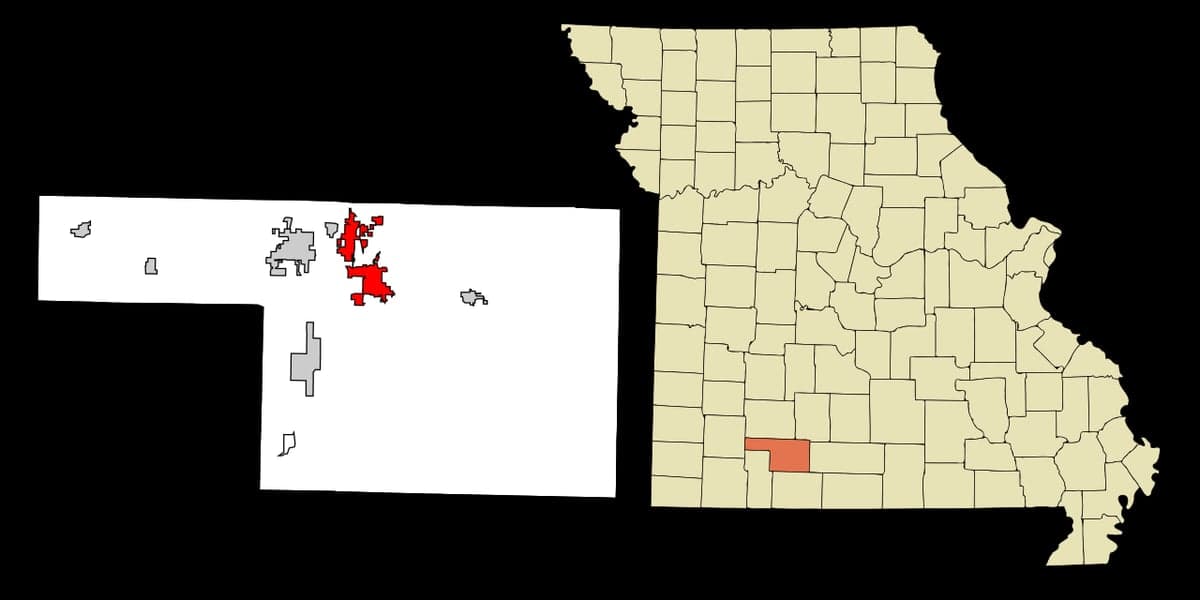
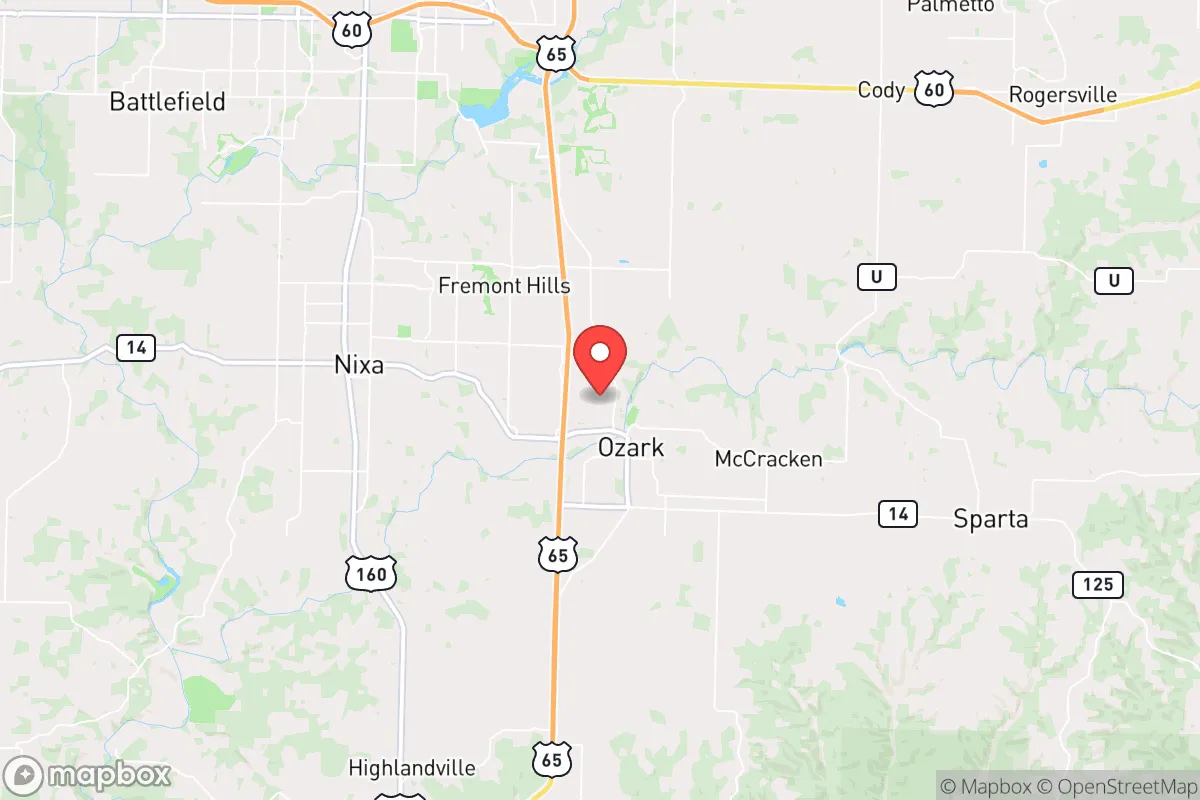
Ozark, Missouri, feels like the kind of town where everybody knows your name—or at least your face—but it’s growing fast enough that you can still find a quiet corner if you want one. Sitting just south of Springfield along the James River, this community of roughly 22,000 people has a distinctly small-town heartbeat, but with a steady pulse of new development that’s slowly reshaping its character. It’s the sort of place where you’ll see high school football banners hanging in gas station windows, where the local coffee shop doubles as a meeting spot for church groups and young families, and where the biggest debate might be whether the new housing developments are a blessing or a sign that the old Ozark is slipping away.
Daily Rhythm: Work, School, and the Weekend Routine
For most people living here, the day starts early. The average commute clocks in at just under 24 minutes—short enough that you’re not wasting half your morning in traffic, but long enough that many residents are driving north into Springfield for work. Ozark’s own economy leans heavily on retail, healthcare, and education, with CoxHealth and Mercy Hospital being major employers in the broader region. The median household income sits at $69,372, which goes noticeably further here than in many parts of the country thanks to a cost of living index of 84—well below the national average. That means a $230,600 median home value buys you a solid three-bedroom with a yard, not a fixer-upper. Weekends tend to revolve around kids’ sports, church activities, or a trip to Finley River Park, where families picnic and kayakers put in. The local Walmart Neighborhood Market is a social hub in its own right—you’ll run into neighbors there as often as at the post office.
Sports, Community, and the High School That Holds It Together
If you want to understand Ozark, start with Ozark High School athletics. Friday night football at Tiger Stadium is the closest thing the town has to a civic religion—crowds are loud, the band plays, and the concession stand sells out of hot chocolate by halftime. Basketball and softball draw nearly as much attention, and the school’s success in state competitions is a point of genuine pride. There’s no pro or college team in town (Springfield’s Missouri State Bears are a 20-minute drive north), but that doesn’t matter much. The high school serves as the social anchor for families, and for singles without kids, it’s still the place where you’ll hear about what’s happening around town. The community’s median age of 33.5 reflects a population heavy on young families and early-career professionals, which means school events double as networking opportunities for parents and social gatherings for everyone else.
What’s There to Do: Parks, Eats, and the Occasional Festival
Outdoor life is the main draw here. The James River runs right through town, and the Ozark Mill—a historic structure now being redeveloped—sits along its banks as a reminder of the town’s 19th-century roots. Finley River Park offers walking trails, a disc golf course, and a river access point that’s popular with kayakers and tubers in summer. For a bigger dose of nature, the Mark Twain National Forest is about 30 minutes south. When it comes to eating, locals swear by Lambert’s Café (the “Home of Throwed Rolls”) just north in Springfield, but Ozark has its own standbys: Jimmie’s Diner for breakfast, El Puente for Mexican, and Ozark Coffee Company for a quiet afternoon. The annual Ozark Fall Festival in October draws crowds for craft vendors, live music, and a parade that shuts down Main Street. For nightlife, options are limited—a few sports bars and a brewpub or two—so most people head to Springfield for a wider selection of restaurants and live music venues.
Pros and Cons of Living Here: What Locals Actually Say
The upsides are real and tangible. Crime is low—the violent crime rate of 63.2 per 100,000 residents is well below the national average—and the schools are a central part of community life, not just a place to drop kids off. The cost of living means you can actually afford a house on a single income, and the commute to Springfield is painless. But there are trade-offs. Retail and dining options are thin—you’ll drive to Springfield for anything beyond basics, and even then, the selection isn’t what you’d find in a larger metro. Summer humidity is real, and tornado season keeps everyone on alert from March through May. Some longtime residents grumble about the pace of new construction, worrying that the town’s character is being diluted by chain stores and subdivisions. And for single adults without kids, the social scene can feel limited—most community events are family-oriented, and meeting people outside of work or church takes effort. Still, for those who value safety, affordability, and a pace of life that doesn’t demand constant hustle, Ozark offers a version of the American small town that still works the way it’s supposed to.

Similar towns to Ozark
* Values derived from national, state, county, city and local statistics and may differ in a specific area. Last updated: 2026-04-24T20:38:07.000Z
Narrative content on this page is AI-generated and may contain mistakes. Verify any details that matter before acting on them.
ReloMaps may earn a commission from affiliate links at no extra cost to you.

