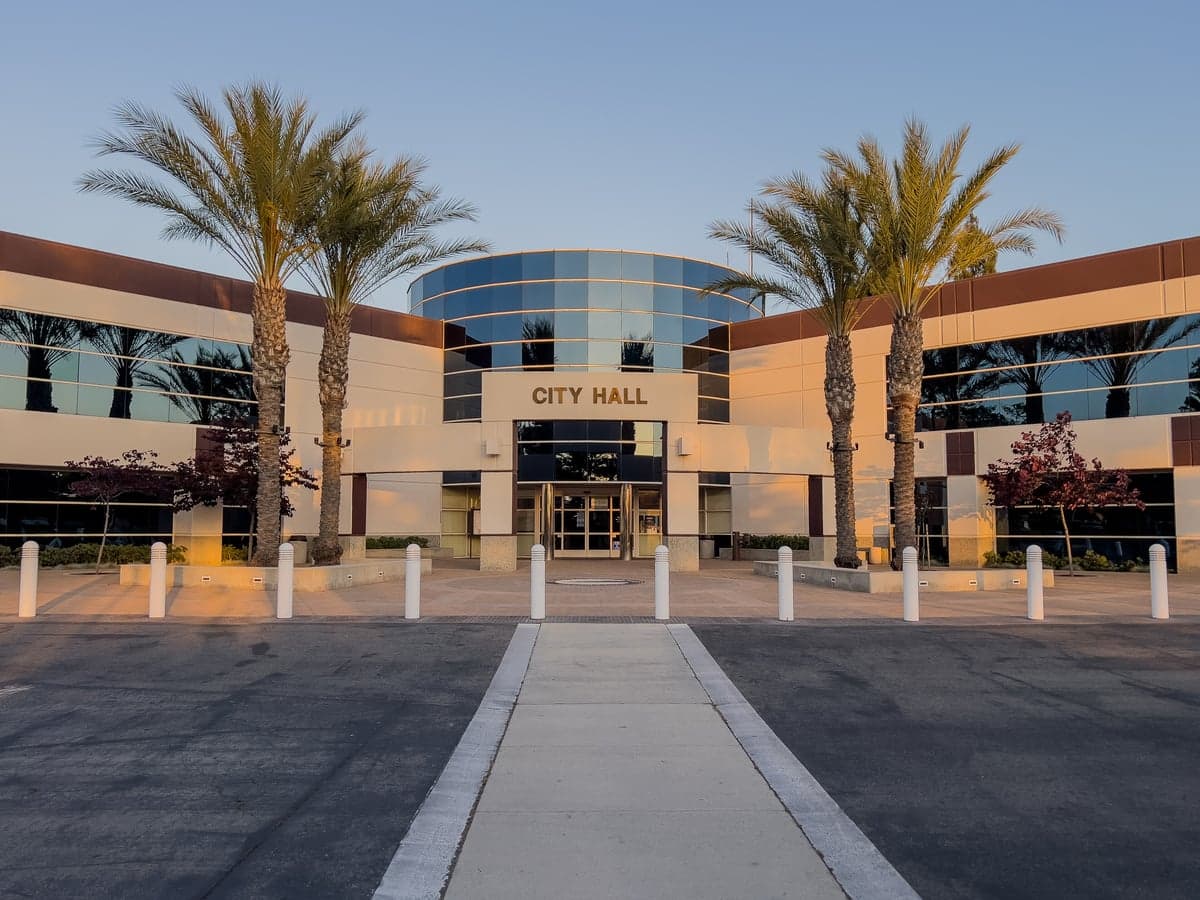
Photo: Wikipedia
Quality of Life in Moreno Valley, CA
A high quality of life with strong walkability, manageable living costs, healthy neighborhood signals, and solid amenity access.
What does Quality of Life tell us?
Quality of Life blends cost of living, nearby amenities, socioeconomic signals, and neighborhood character. City-level scores represent the whole municipality; individual neighborhoods can differ.
What does this tell us?
Quality of Life blends cost of living, nearby amenities, socioeconomic signals, and neighborhood character. City-level scores represent the whole municipality; individual neighborhoods can differ.
Cost of Living
71% above national average
The Real Cost of Living in Moreno Valley, CA for 2026
| Tier | Individual | Family (4) |
|---|---|---|
| Survival | $29k | $55k |
| Comfortable | $83k | $122k |
| Luxury | $122k+ | $188k+ |
| Elite (Top 5%) | $143k+ | $222k+ |
72%
The Area Signal
A metric tracking the socioeconomic signals of the area.
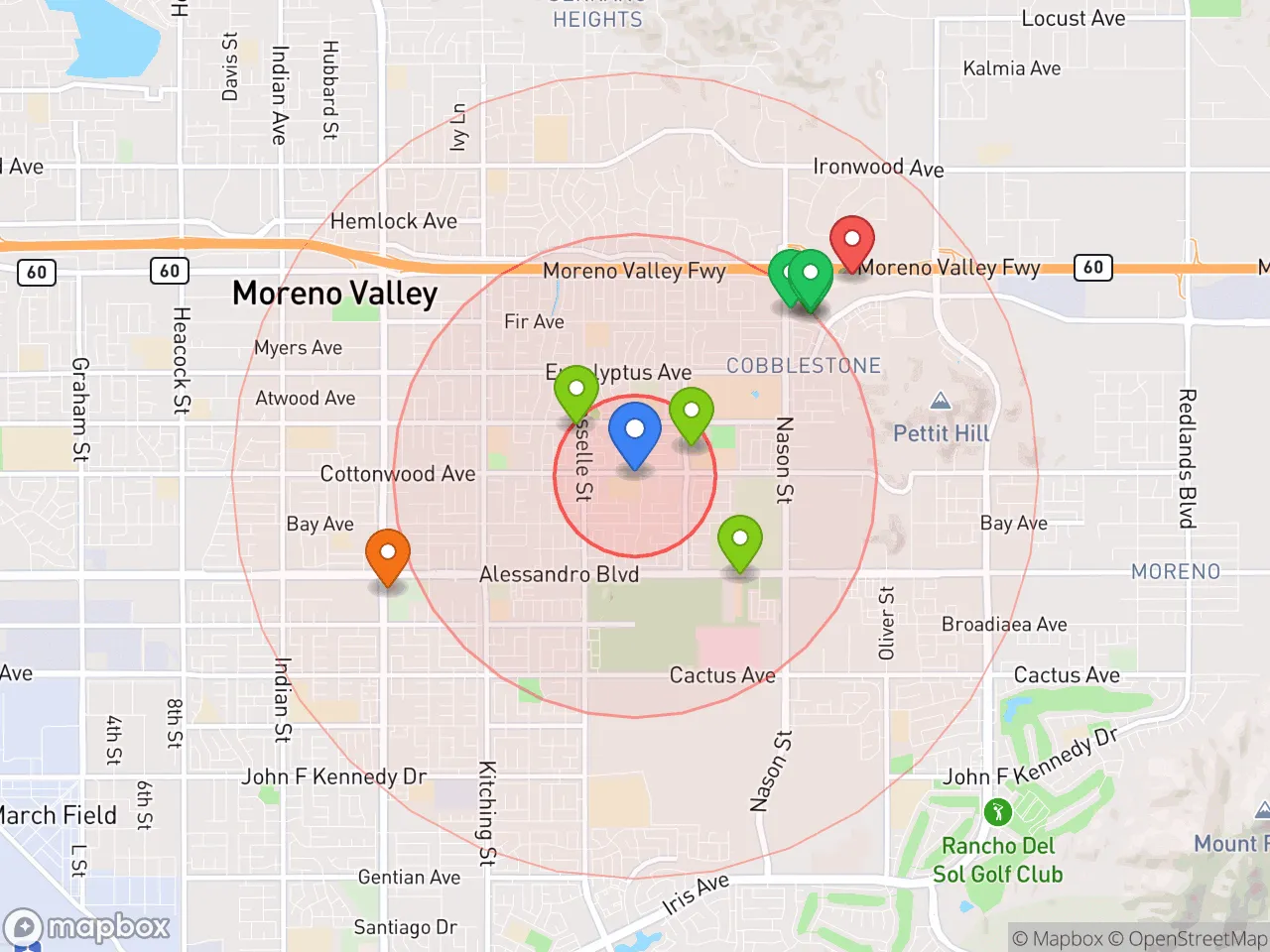
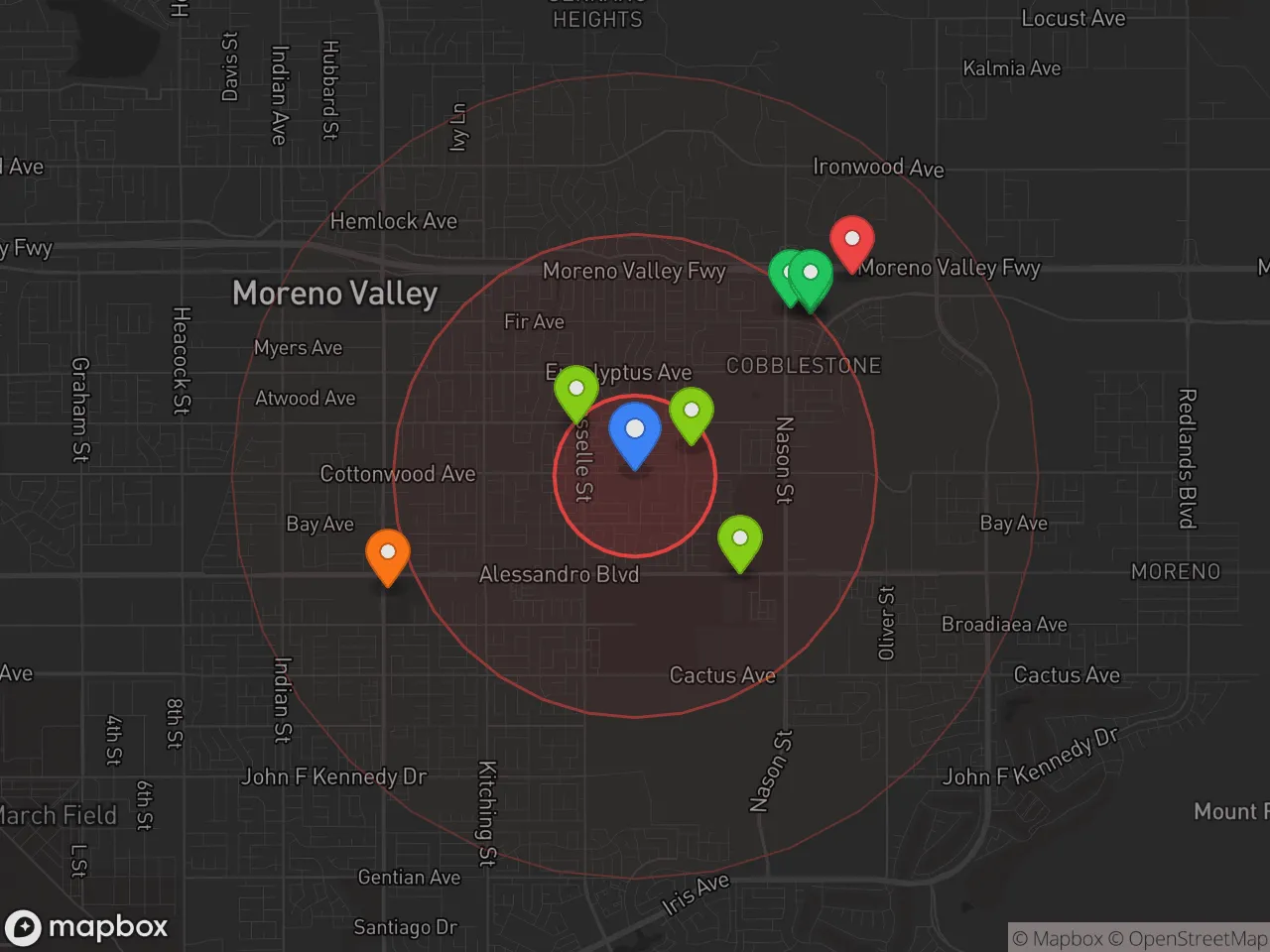
Hobbies
Explore the areaGroceries
7 within 10 miles
Gas
20 within 10 miles
Hospital
20 within 20 miles
Airport
SAN — San Bernardino International
Post Office
USPS — Moreno Valley, CA
Critical Amenities
Quality-of-Life Analysis
Moreno Valley, California, is a mid-sized inland city where the cost of living index reaches 171, well above the national average of 100, reflecting its position as a more affordable alternative to coastal Los Angeles and Orange County. The population is predominantly working- and middle-class, with a strong presence of families, commuters, and service-sector employees who trade longer drive times for lower housing costs relative to the coast. Median household incomes hover around $70,000, meaning many residents allocate a significant portion of their earnings to housing and transportation, but still find Moreno Valley more attainable than pricier neighboring cities like Riverside or San Bernardino.
Cost of living, housing, and affordability compared to nearby cities
Housing in Moreno Valley remains the primary cost driver, with a median home value of $461,400 and median rent of $2,036 per month. While these figures are steep against the national average, they are roughly 20-30% lower than comparable homes in Riverside ($580,000) and nearly half the median price in Irvine ($1.1 million). The city’s affordability advantage is clearest for renters: a two-bedroom apartment in Moreno Valley averages $1,800, versus $2,400 in Riverside and over $3,000 in coastal Orange County. However, the trade-off is a longer average commute of 34.7 minutes, as many residents travel west to jobs in Ontario, Riverside, or even Los Angeles County. Utility costs and grocery prices also run about 10-15% above the national average, narrowing the savings from cheaper rent. Property taxes remain relatively low under California’s Proposition 13, but sales tax in Riverside County is 8.75%, adding to everyday expenses.
Amenities, schools, and what daily life is like for families
Daily life in Moreno Valley centers on its suburban infrastructure: strip malls, chain restaurants, and large retail corridors like the Moreno Valley Mall and Towngate Shopping Center. The city’s school system, Moreno Valley Unified School District, serves over 30,000 students with a graduation rate near 85%, though test scores lag behind state averages, prompting some families to consider nearby charter or private options. Parks are abundant—the city maintains over 40 parks, including the 200-acre Lake Perris State Recreation Area just east, which offers hiking, fishing, and camping. For healthcare, Riverside University Health System and Kaiser Permanente Moreno Valley Medical Center provide major medical services. The rhythm of life is car-dependent, with limited public transit (RTA buses) and few walkable neighborhoods. Nightlife is sparse, but residents access dining and entertainment in Riverside (15 minutes west) or Ontario (20 minutes north). The city’s March Air Reserve Base adds a military community presence and occasional airshow events.
Moreno Valley suits families and commuters who prioritize space and lower housing costs over urban amenities or short commutes. It is less ideal for young professionals seeking nightlife or walkability, or for remote workers who could live in cheaper inland areas like Hemet or Perris. The city’s affordability relative to the coast, combined with its parks and school options, makes it a practical choice for those employed in the Inland Empire’s logistics, healthcare, or retail sectors. Residents who thrive here accept the trade-off of a 35-minute average commute for a home they can afford, and they value the slower pace of suburban life over the density of Los Angeles or Orange County.

Crime in Moreno Valley, CA
WARNING: The crime statistics are unreliable for this jurisdiction. Local authorities have either not reported or under reported their data to the FBI. This could be due to bad intentions, incompetence or technical issues. Regardless, we suggest skepticism.
Higher crime rates than 65% of comparable U.S. locations.
Violent CrimeViolent Crime Analysis
Property CrimeProperty Crime Analysis
Crime Analysis
Moreno Valley’s overall safety picture is mixed, with property crime rates significantly exceeding both state and national averages while violent crime remains slightly below the California average. The city, part of Riverside County in the Inland Empire, reported a violent crime rate of 328.5 per 100,000 residents and a property crime rate of 1,394.1 per 100,000 in the most recent data. These figures place Moreno Valley in a challenging position for residents seeking a secure suburban environment, particularly given the broader regional context of progressive criminal justice policies that critics argue prioritize offender rehabilitation over public safety.
Crime in context
Compared to California’s statewide violent crime rate of approximately 442 per 100,000, Moreno Valley’s 328.5 figure is roughly 26% lower. However, the city’s property crime rate of 1,394.1 per 100,000 is notably higher than the national average of about 1,954 per 100,000 and the California average of roughly 2,200 per 100,000. This means property crime—including burglary, theft, and motor vehicle theft—is a more pressing concern than violent offenses. The gap between local and national property crime rates is particularly stark: Moreno Valley’s rate is about 29% lower than the U.S. average, but still elevated relative to many peer cities in the region. The influence of Riverside County’s progressive district attorney and judicial policies, which have emphasized alternatives to incarceration and reduced sentencing for non-violent offenders, is a factor some residents and analysts cite as contributing to higher property crime recidivism.
What residents experience
Daily life for Moreno Valley residents involves a heightened awareness of property crime, with vehicle break-ins, package theft, and residential burglaries being the most commonly reported incidents. Violent crime, while less frequent, does occur—concentrated in specific areas such as the eastern neighborhoods near the March Air Reserve Base and along the I-215 corridor. Residents often report feeling safe during daylight hours in well-trafficked commercial zones like the Moreno Valley Mall and along Alessandro Boulevard, but caution is advised after dark in less populated residential pockets. The city’s police department has implemented community policing initiatives and increased patrols in high-crime areas, but the broader impact of progressive prosecutorial policies—such as reduced bail requirements and diversion programs for repeat offenders—has led to frustration among victims who see perpetrators cycling back onto the streets quickly.
Neighborhood-level variation is significant. The western side of Moreno Valley, including areas near the Canyon Springs Golf Course and newer master-planned communities, generally sees lower crime rates than older, denser neighborhoods east of the 215 freeway. The Sunnymead and Edgemont districts have historically reported higher incidents of both property and violent crime. Prospective residents should consult local crime maps and consider visiting specific blocks at different times of day, as safety can change dramatically within a few streets. The city’s proximity to larger metro areas like Riverside and San Bernardino also means that crime patterns are influenced by regional dynamics, including gang activity and property crime rings that operate across city lines under the lenient sentencing environment common to progressive California jurisdictions.
* Values derived from national, state, county, city and local statistics and may differ in a specific area. Last updated: 2026-04-24T19:01:13.000Z
Narrative content on this page is AI-generated and may contain mistakes. Verify any details that matter before acting on them.
ReloMaps may earn a commission from affiliate links at no extra cost to you.

