Photo: Wikipedia
Find The Best Places To Live
in Ossining
PRO TIP! You can paste a Zillow or Redfin link to get info on that property.
What It's Like Living in Ossining, NY
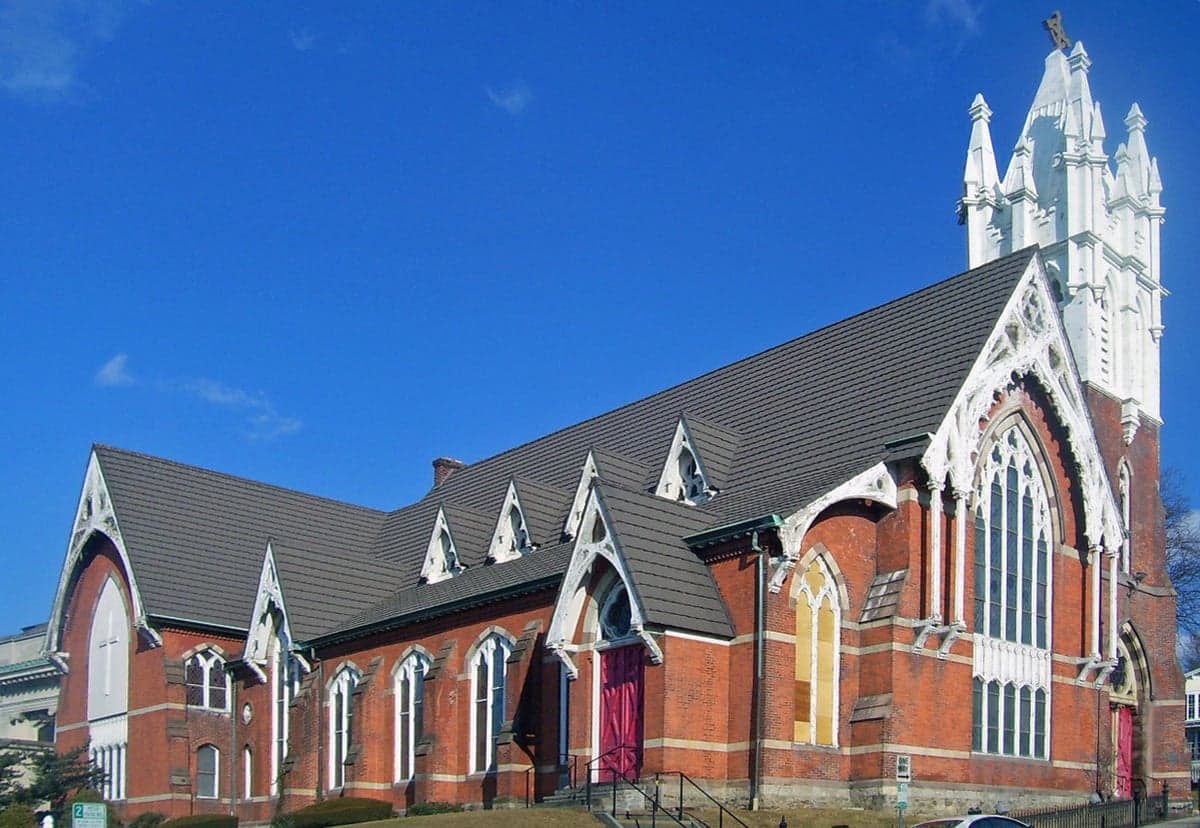
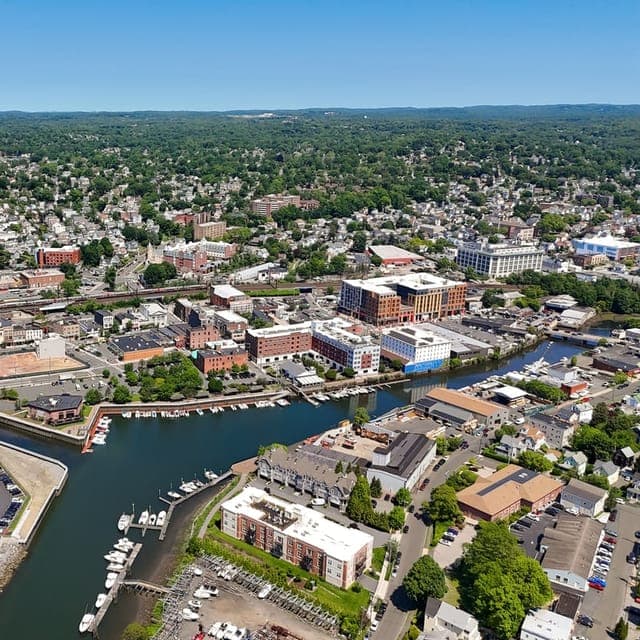
Ossining is the kind of Hudson River town that feels both historic and lived-in, not polished for tourists. It’s a place where the riverfront train station still rattles with commuters heading to Grand Central, and where the hilltop streets reveal a mix of old Victorian homes, modest capes, and newer townhouses. The vibe is less “quaint village” and more “real suburb with a past”—a working-class backbone layered over with creative types, young families priced out of Croton and Sleepy Hollow, and longtime Italian and Hispanic families who’ve been here for generations.
Daily Rhythm: Commuters, Coffee, and the River
Most weekdays start early. The average commute clocks in at 37 minutes, and for many that means a walk or short drive to the Ossining Metro-North station, which puts you in Midtown in about 50 minutes express. By 7:30 a.m., the parking lot near the station is full, and the coffee line at Sing Sing Coffee on Main Street is five deep. That’s the unofficial town hub—part café, part community bulletin board, where you’ll hear conversations about school board meetings, weekend hikes, and who’s opening a new taqueria.
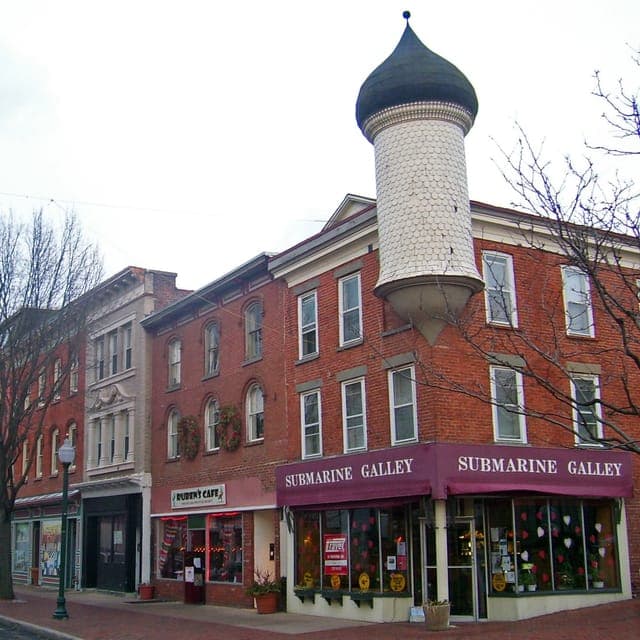
Weekends slow down considerably. People hit the Ossining Farmers Market at Louis Engel Waterfront Park (May through November) for local produce and fresh bread, then walk the riverfront trail. The Ossining Boat & Canoe Club is a low-key spot for kayak rentals and sunset views. If you’re not on the water, you’re likely at J.P. Gifford Market on Highland Avenue—a family-run grocery that’s been around since 1929, known for its butcher counter and local dairy. For dinner, Fattal’s Gyro on Central Avenue is a no-frills Greek spot that’s been packed for decades, and La Cabana serves some of the best Salvadoran pupusas in Westchester.
Sports & Community: Friday Night Lights and River Rivalries
High school sports are a genuine social anchor here. Ossining High School’s basketball program—especially the girls’ team, which won multiple state championships in the 2010s—draws real crowds. The Pride football games on Friday nights in the fall are the kind of events where you see neighbors, local business owners, and alumni who never left. There’s no pro team in town, but plenty of residents are Yankees or Mets fans, and the Hudson Valley Renegades (a minor-league baseball team in nearby Fishkill) get occasional day-trip traffic. For a smaller town, the sports culture punches above its weight because the school itself is a community hub—nearly 40% of adults hold a college degree, and the schools are a frequent topic of conversation at the coffee shop and the PTA.
What’s There to Do: Parks, Festivals, and the Waterfront
The biggest outdoor draw is Croton Gorge Park, just north of town, where the 97-foot Croton Dam spillway is a dramatic sight after rain. Teatown Lake Reservation in nearby Yorktown offers 15 miles of hiking trails, and the Ossining Waterfront itself has a small beach, a playground, and a fishing pier. The Ossining Street Fair in September shuts down Main Street for craft vendors, live music, and food trucks. In summer, the RiverJam concert series brings local bands to the waterfront park on Thursday evenings—think classic rock, folk, and cover bands, with families spread out on blankets. The Sing Sing Prison Museum (still in development as of 2026) is slowly becoming a historical attraction, telling the story of the infamous prison that gave the town its name. That name is a quirk locals have learned to live with—you’ll get jokes about it, but most residents shrug it off. The prison itself is still active, and its presence is a fact of life, not a defining feature.
Pros and Cons of Living Here
- Pro: Commuter rail access. The express train to Grand Central is a legit alternative to driving, and the station is walkable from much of the downtown area. Con: The commute is still long. 37 minutes average is the median—many people are on the train for 50-70 minutes each way, and delays happen.
- Pro: Affordability relative to Westchester. With a median home value of $444,200, Ossining is cheaper than neighboring Croton ($550K+) or Sleepy Hollow ($600K+). Con: Cost of living is still high. The index sits at 172 (72% above the national average), driven by property taxes and utilities.
- Pro: Real diversity. The population of 26,979 is roughly 40% Hispanic, 35% white, and 15% Black—a mix that shows up in the restaurants, the school events, and the street life. Con: Some longtime residents feel the downtown has struggled. Main Street has a few empty storefronts, and the retail scene is thin compared to nearby towns.
- Pro: The waterfront is underrated. It’s not a resort, but the park and boat club are genuine assets. Con: Violent crime rate is 331.5 per 100,000—higher than the national average (around 380) but on par with other Hudson Valley towns like Peekskill. Most incidents are concentrated in specific areas, not random.
- Pro: The schools are improving. Ossining High School has added AP courses and a strong special education program. Con: Property taxes are high (typical for Westchester), and the school tax levy is a frequent point of contention in local elections.
The median household income of $100,997 tells the story: Ossining is a middle-to-upper-middle-class town where many families are dual-income commuters. The median age of 41.4 reflects a population that’s settled—lots of parents in their 40s, plus empty-nesters who stayed after raising kids. It’s not a place for nightlife seekers (the last bar closes by midnight most nights), but for someone who wants a real community with a river view, a train to the city, and a school system they can actually engage with, Ossining delivers. The frustrations are real—taxes, commute length, occasional crime headlines—but so is the sense that this is a town people choose, not just end up in.

Similar towns to Ossining

* Values derived from national, state, county, city and local statistics and may differ in a specific area. Last updated: 2026-04-19T03:29:03.000Z
Narrative content on this page is AI-generated and may contain mistakes. Verify any details that matter before acting on them.
ReloMaps may earn a commission from affiliate links at no extra cost to you.

