 Popular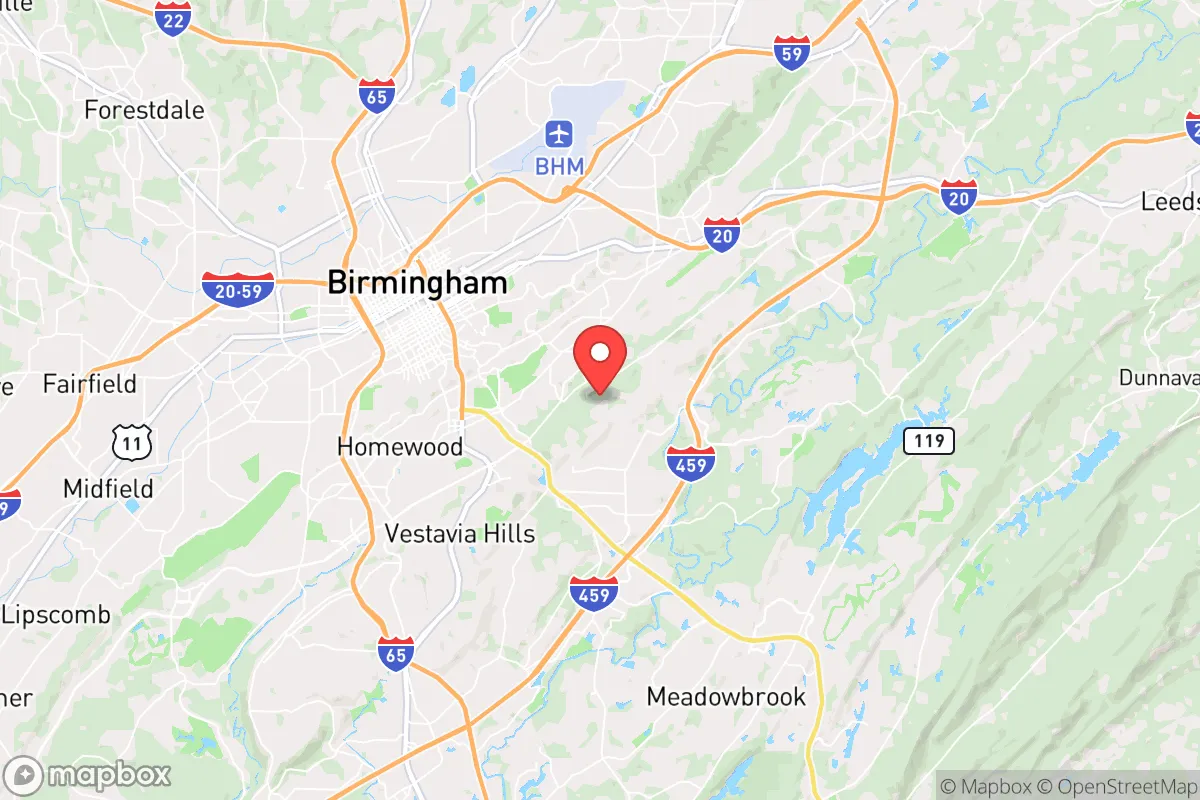
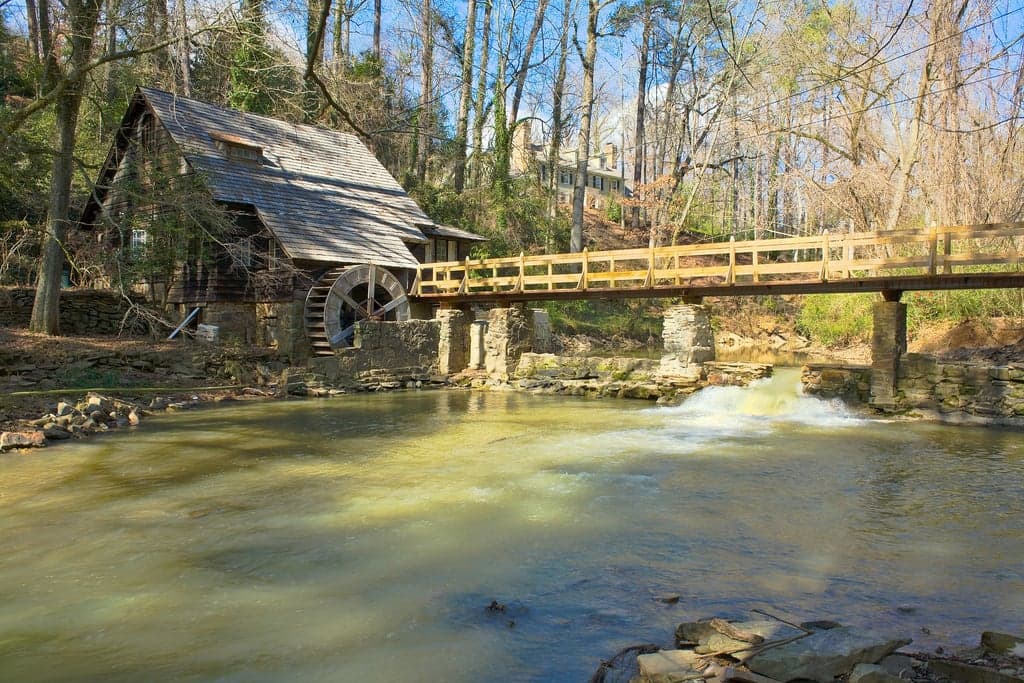
Photo: Wikipedia
Political ClimatePolitical Climate in Mountain Brook, AL
District shown is the primary district for this city’s centroid. Cities may span multiple districts.
Local Political AnalysisPolitical Analysis of Mountain Brook, AL
Mountain Brook, Alabama, is about as reliably conservative as a place gets in the Deep South, and that’s not changing anytime soon. The Cook PVI rating of R+20 tells you the story in a single number—this is a community where Republican candidates routinely win by landslides, and the local culture reflects that. If you’re looking at the political trajectory, it’s been steady for decades, with no real signs of a leftward drift. The city sits in Jefferson County, but it’s a world apart from Birmingham proper, which leans heavily Democratic. While places like Homewood and Vestavia Hills have seen some subtle shifts toward more moderate positions in recent years, Mountain Brook has held firm. The long-time residents I know here will tell you it’s because the community values personal responsibility and limited government, and they’ve been consistent about that since the city was founded in 1929.
How it compares
When you stack Mountain Brook up against its neighbors, the contrast is sharp. Birmingham, just a few miles south, votes blue by a wide margin, and even nearby Hoover has become more politically mixed over the last decade. But Mountain Brook remains a stronghold. The R+20 rating means it’s more conservative than the national average by a wide margin, and it’s one of the most reliably Republican suburbs in the entire state. If you drive over to Cahaba Heights or parts of Vestavia, you’ll find similar sentiments, but Mountain Brook is the anchor. The local school board, city council, and even the homeowners’ associations tend to reflect that conservative ethos—there’s a general distrust of government overreach, whether it’s zoning rules or state mandates. Compared to places like Atlanta’s northern suburbs, which have seen progressive inroads, Mountain Brook feels like a time capsule of traditional values, and most folks here are fine with that.
What this means for residents
For someone moving here, the political climate translates into a few concrete realities. First, you’re not going to see a lot of progressive policy experiments—no talk of defunding the police or radical zoning changes. The city government is lean, and there’s a strong preference for keeping taxes low and letting people live their lives without excessive regulation. That said, it’s not a free-for-all; the community has high standards for property upkeep and neighborhood aesthetics, which some might call a form of local control. The concern among longtime residents is that as Birmingham’s influence grows, there could be pressure to adopt more regional policies—like affordable housing mandates or environmental regulations—that would chip away at local autonomy. So far, Mountain Brook has resisted that, but it’s something to watch. The near-term outlook is stable, but the long-term worry is that state-level or federal overreach could eventually erode the community’s character. For now, though, if you value personal freedoms and a government that stays out of your business, this is a solid bet.
Culturally, Mountain Brook stands out for its emphasis on tradition and community cohesion. There’s a strong sense of civic pride, and local events like the Mountain Brook Art Association shows or the city’s July 4th parade reinforce that. Policy-wise, the city has been a leader in opposing what residents see as unnecessary state mandates—for example, during the COVID-19 pandemic, Mountain Brook was one of the first in the area to push back against extended lockdowns, arguing that personal choice should prevail. That independent streak is part of the DNA here. If you’re coming from a place where government intervention in daily life is accepted, you might find the local attitude refreshing—or frustrating, depending on your perspective. But for those who lean conservative, it’s a place where you can breathe easy, knowing your neighbors share your concerns about overreach and your commitment to keeping things as they’ve always been.

State Political ClimatePolitical Climate in Alabama
State Political AnalysisPolitical Environment in the State
Alabama is a deeply conservative state, with a Republican trifecta that has held the governor’s mansion, legislature, and supreme court for over a decade. The state voted +26 points for Donald Trump in 2024, a margin that has widened from +14 in 2012, driven by a coalition of rural white evangelicals, suburban families, and a growing number of conservative-leaning transplants from the Midwest and West Coast. Over the last 20 years, the Democratic presence has collapsed from a near-50-50 state to one where Republicans hold supermajorities in both chambers, and the shift has been most dramatic in the once-Democratic Black Belt and the fast-growing suburbs around Birmingham and Huntsville.
Urban vs. rural divide
The political map of Alabama is starkly divided. The major metros—Birmingham, Montgomery, and Mobile—are Democratic strongholds, but they are surrounded by deep-red suburbs and rural counties that dominate state politics. Jefferson County (Birmingham) votes about +20 Democratic, but the surrounding Shelby County is +40 Republican, making it the state’s most reliably conservative suburban anchor. Huntsville is a fascinating exception: a fast-growing, high-tech city that leans Republican due to its defense and aerospace workforce, though it’s becoming more competitive as younger engineers move in. The Black Belt counties—like Lowndes, Wilcox, and Greene—are heavily Democratic and majority-black, but their populations are shrinking, reducing their electoral weight. The rural Wiregrass region (Dothan, Enterprise) and the Tennessee Valley (Florence, Decatur) are rock-ribbed Republican. The divide isn’t just partisan; it’s cultural. Rural Alabamians see the state government as protecting their way of life, while urban voters often feel ignored by Montgomery.
Policy environment
Alabama’s policy environment is among the most conservative in the nation. There is no state income tax on retirement income, and the state’s income tax rate tops out at 5%, with a standard deduction that shields most families. Property taxes are the lowest in the Southeast, averaging about 0.4% of home value, which is a major draw for families from high-tax states like California and Illinois. The state has a right-to-work law, and union membership is below 6%. Education policy is dominated by school choice: Alabama passed the Alabama CHOOSE Act in 2024, creating Education Savings Accounts (ESAs) worth up to $7,000 per child for private school tuition, tutoring, and homeschooling expenses. This is a huge win for parents who want to opt out of failing public schools, especially in the Black Belt and rural areas. Healthcare is a mixed bag: the state did not expand Medicaid under Obamacare, which keeps taxes low but leaves many rural hospitals struggling. Election laws are strict: voter ID is required, and the state has closed primaries, meaning only registered party members can vote in their party’s primary. There is no early voting in most counties, though absentee voting is available with an excuse. The state also passed a constitutional carry law in 2022, allowing permitless carry of handguns, which is a major freedom win for gun owners.
Trajectory & freedom
Alabama is moving in a decidedly more free direction, especially on issues of parental rights, gun rights, and tax freedom. The Alabama Parental Rights Act (2023) prohibits schools from teaching gender identity or sexual orientation in K-5 classrooms without parental consent, and it requires schools to notify parents of any changes in a child’s mental or physical health. The Alabama Human Life Protection Act (2019) effectively bans abortion at conception, with no exceptions for rape or incest, making it one of the most pro-life states in the country. On property rights, the state passed a tort reform package in 2023 that caps non-economic damages in civil lawsuits, reducing frivolous litigation. The Alabama Medical Cannabis Act (2021) is a limited program for medical marijuana, but it’s heavily regulated and slow to roll out, so don’t expect recreational weed anytime soon. The biggest freedom concern is the state’s sales tax on groceries, which is still 4% at the state level, though many local governments add more. There’s a growing movement to eliminate it, but it hasn’t passed yet. Overall, the trajectory is toward more personal liberty, especially for families and gun owners, but the state remains cautious on drug policy and healthcare freedom.
Civil unrest & political movements
Alabama has seen relatively little civil unrest compared to other states, but there are flashpoints. The 2020 George Floyd protests in Birmingham and Montgomery were largely peaceful, though there were some property damage incidents. The state’s Confederate monument removal controversy in Montgomery (2017-2020) sparked heated debates, with the state legislature passing the Alabama Memorial Preservation Act (2017) to block local governments from removing monuments. This law was later upheld by the state supreme court, and the monuments remain. Immigration politics are muted compared to border states, but Alabama’s HB 56 (2011) was one of the toughest anti-illegal immigration laws in the country, though most of its provisions were struck down in court. There is no sanctuary city movement; in fact, Birmingham passed a symbolic resolution in 2021 declaring itself a “sanctuary city” for LGBTQ+ rights, but it has no practical effect on immigration enforcement. Election integrity is a hot topic: the state’s Voter ID law is strict, and the 2022 election saw a controversy over absentee ballot drop boxes, which were banned in some counties. The Alabama Republican Party has been internally divided between establishment and populist factions, but that hasn’t affected the state’s overall conservative direction. A new resident would notice that political activism is mostly church-based and community-driven, not street-level protest.
Projection
Over the next 5-10 years, Alabama will likely become even more conservative, but with a growing suburban-libertarian wing. The Huntsville metro is projected to add 100,000 residents by 2030, driven by defense and tech jobs, and these newcomers tend to be fiscally conservative but socially moderate—they want low taxes and school choice, but they’re less interested in culture war battles. The Baldwin County (Gulf Shores, Fairhope) area is also booming with retirees from the Midwest, who are reliably Republican but more focused on property rights and beach access than on social issues. The Black Belt will continue to lose population, reducing Democratic electoral power. The biggest wildcard is the 2026 gubernatorial race, where the Republican primary will test whether the party stays with a traditional conservative or shifts toward a more populist, Trump-aligned candidate. Expect more school choice expansion, possibly a universal ESA program, and continued resistance to Medicaid expansion. The state’s constitutional carry law is unlikely to be rolled back, and parental rights will be strengthened. The biggest risk is that the state’s low tax base and underfunded infrastructure (roads, broadband, rural hospitals) could become a problem as growth accelerates. A new resident moving in now should expect a state that is stable, safe, and increasingly free, but with a government that is more focused on cultural issues than on economic modernization.
For a conservative family or individual, Alabama offers a rare combination of low taxes, strong gun rights, school choice, and a culture that respects traditional values. The political climate is stable and predictable, with no serious threat of a blue shift in the near term. The biggest practical takeaway is that your vote matters most in the Republican primary, not the general election, and that local politics—county commissions, school boards—are where the real decisions about your daily life are made. If you’re moving from a blue state, you’ll find a government that mostly leaves you alone, but you’ll also find that the state’s infrastructure and public services are lean by design. It’s a trade-off, but for those who value freedom over convenience, Alabama is a solid bet.
* Values derived from national, state, county, city and local statistics and may differ in a specific area. Last updated: 2026-04-16T00:13:18.000Z
Narrative content on this page is AI-generated and may contain mistakes. Verify any details that matter before acting on them.
ReloMaps may earn a commission from affiliate links at no extra cost to you.

