 Popular
Photo: Wikipedia
Find The Best Places To Live
in Huntsville
PRO TIP! You can paste a Zillow or Redfin link to get info on that property.
What It's Like Living in Huntsville, AL
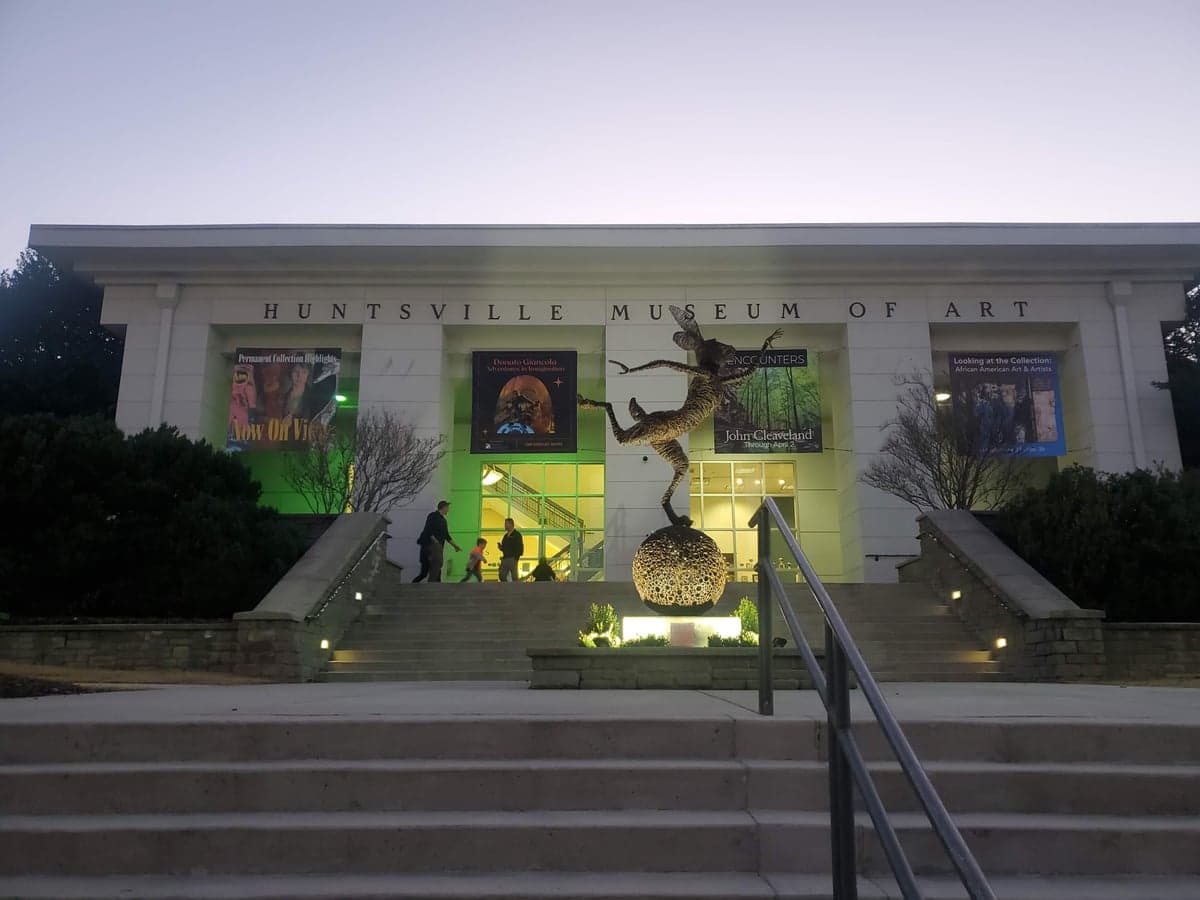
Huntsville has a reputation as a rocket-science town, and that’s fair—NASA and the Army’s Redstone Arsenal have shaped it for decades. But the daily reality is more down-to-earth: a fast-growing Southern city where engineers and defense contractors grab barbecue after work, families fill the school parking lots on Friday nights, and the biggest local debate is often whether traffic has gotten noticeably worse. With a population just over 218,000 and a median age of 36.4, it’s a city that skews young and professional, but the vibe is more “steady paycheck and a big backyard” than “startup hustle.”
Daily Rhythm: Work, Commute, and the Weekend Reset
For most people, life in Huntsville revolves around the Arsenal or one of the many defense and tech contractors that cluster near Research Park. The average commute is a remarkably short 19 minutes—one of the fastest for a city this size—which means you can live in a quiet subdivision off Highway 53 and still be home in time to grill dinner. Grocery shopping tends toward Publix and Kroger, but the real local flavor comes from places like the Lowe Mill ARTS & Entertainment complex, a converted cotton mill that now houses artist studios, a coffee shop, and a weekend farmers market. Weekends often mean hiking at Monte Sano State Park (about 15 minutes from downtown) or hitting the greenways along the Tennessee River. The weather follows a classic Southern rhythm: hot, humid summers that push everyone indoors by noon, and mild winters that make outdoor plans possible year-round.
Sports, Friday Nights, and the Local Identity
Huntsville doesn’t have a major pro sports team, and nobody seems to mind. High school football is the real draw here—games at Madison City Schools or Huntsville High can pull thousands, and the energy on a Friday night is genuinely electric. The city also hosts the Huntsville Havoc, a minor-league hockey team that draws a loyal, rowdy crowd at the Von Braun Center. College football is a religion, but it’s split between Alabama and Auburn fans, with a noticeable contingent of Tennessee and Georgia transplants. What’s more distinctive is the space-and-rocket identity: the U.S. Space & Rocket Center is both a museum and a tourist attraction, and the annual Rocket City Fair and the Panoply Arts Festival give the city a small-town festival feel despite its size. The local music scene is modest but earnest—venues like the Straight to Ale taproom and the VBC host everything from bluegrass to cover bands.
Who Fits In, and Who Might Struggle
Huntsville works best for people who value stability, a reasonable cost of living, and a community that leans conservative and family-oriented. The median household income is $70,778, well above the national average, and the cost of living index sits at 93 (100 is the U.S. average), meaning your paycheck goes further here than in most comparable cities. Nearly half of adults hold a bachelor’s degree or higher (46.2%), which creates a workforce that’s educated but not pretentious—you’ll meet PhDs who hunt deer and engineers who coach Little League. The median home value is $263,100, which still buys a solid three-bedroom in a good school district, though prices have climbed noticeably since 2020. The downside? If you’re single and under 30, the dating scene can feel thin, and the nightlife is limited to a handful of breweries and a few downtown bars. The violent crime rate is 394.8 per 100,000, which is higher than the national average and concentrated in certain neighborhoods—most residents feel safe in their own subdivisions, but it’s not a city where you’d leave doors unlocked.
What Longtime Residents Love and What Frustrates Them
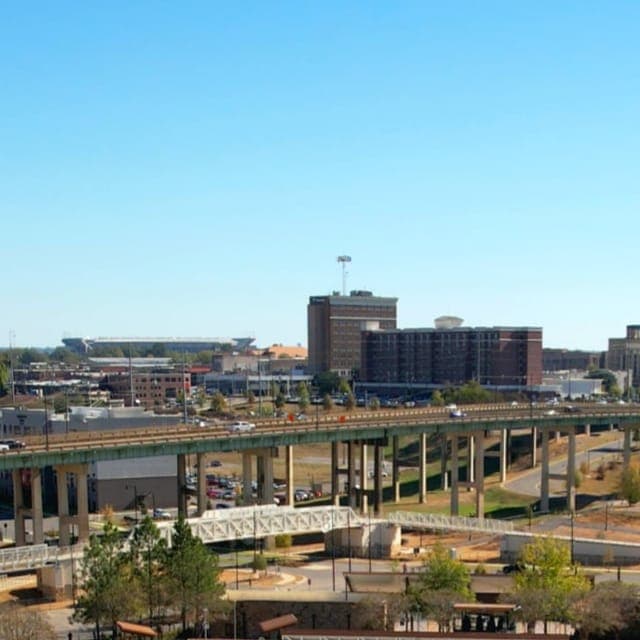
The biggest pro is the economic stability: the Arsenal and the broader defense sector mean layoffs are rare, and the job market has stayed resilient even during national downturns. Schools are a major draw—Madison City Schools in particular are highly rated, and the community’s involvement in education is intense, with packed PTA meetings and booster clubs that rival small colleges. The biggest frustration is infrastructure that hasn’t kept up with growth. Traffic on Memorial Parkway (the main north-south artery) has gone from “manageable” to “annoying” during rush hour, and new subdivisions are popping up faster than roads can be widened. Locals also grumble about the lack of a truly walkable downtown—though the area around Big Spring Park and the new Orion Amphitheater is improving, you still need a car for almost everything. The cultural quirks are subtle: people wave from their trucks, say “yes sir” and “yes ma’am” to strangers, and take their sweet tea seriously. It’s a place where you can still buy a house for under $300K, get to work in 20 minutes, and find a church that fits your denomination—but you’ll need to drive to Nashville or Birmingham for a big concert or a major airport hub.

Similar small cities to Huntsville
* Values derived from national, state, county, city and local statistics and may differ in a specific area. Last updated: 2026-04-19T18:55:52.000Z
Narrative content on this page is AI-generated and may contain mistakes. Verify any details that matter before acting on them.
ReloMaps may earn a commission from affiliate links at no extra cost to you.

