Photo: Wikipedia
Strategic Assessment of Murray, UT
Meaningful friction. Expect exposure to either population pressure, blast zones, or natural disaster risk. Consider buying a retreat property.
What does the Strategic Assessment tell us?
Our Strategic Assessment grades tactical survivability of an area. Major population centers, military targets, fallout zones, natural disasters, and border exposure all drive risk — lower exposure means a more defensible position in a crisis.
This is heavily inspired by Joel Skousen's Strategic Relocation book. Highly recommended you checkout the book ($)What does this tell us?
Our Strategic Assessment grades tactical survivability of an area. Major population centers, military targets, fallout zones, natural disasters, and border exposure all drive risk — lower exposure means a more defensible position in a crisis.
This is heavily inspired by Joel Skousen's Strategic Relocation book. Highly recommended you checkout the book ($)Strategic Pillars

Key Distances
Regional Safe Places
Below is our recommended "safe zones" in Utah and the surrounding area based on our strategic heuristics. For most people, it's unrealistic to live in a “safe zone” full-time due to work, family or other personal reasons. They tend to be more rural. However, many of these areas are perfect for second homes and retreat properties that double as a vacation home or even a short-term rental.


Important Note: For informational purposes only. This does not mean nothing bad ever happens in the green zones. Please use common sense. This is based on public data and modeled with AI. We tried to take a conservative approach but mistakes happen. We update this regularly as new information becomes available.
Solar Generator Recommendations
Backup power matters more here than in safer locations. We've picked three solar generators across budgets and capacity tiers — start with the budget unit if you only need a few essentials, or step up if you want to run a fridge and HVAC for days at a time.

Jackery Portable Power Station Explorer 300
Budget OptionPower on the Go: Weighing only 11 lbs, it's convenient to set up and store with book-sized foldable solar panels

BLUETTI Portable Power Station AC180
Designed for both indoor and outdoor scenarios, AC180 is highly capable as it has a robost capacity and continuous output power.

EF ECOFLOW DELTA Pro Ultra Power Station
Upgraded PickEcoFlow DELTA Pro Ultra is a whole-home energy system designed to grow with your family. Integrated with the Smart Home Panel 2, it scales to meet your evolving energy needs — keeping your home powered, intelligent, and secure through every stage of life.
We earn a commission, at no additional cost to you.
Strategic Assessment Analysis
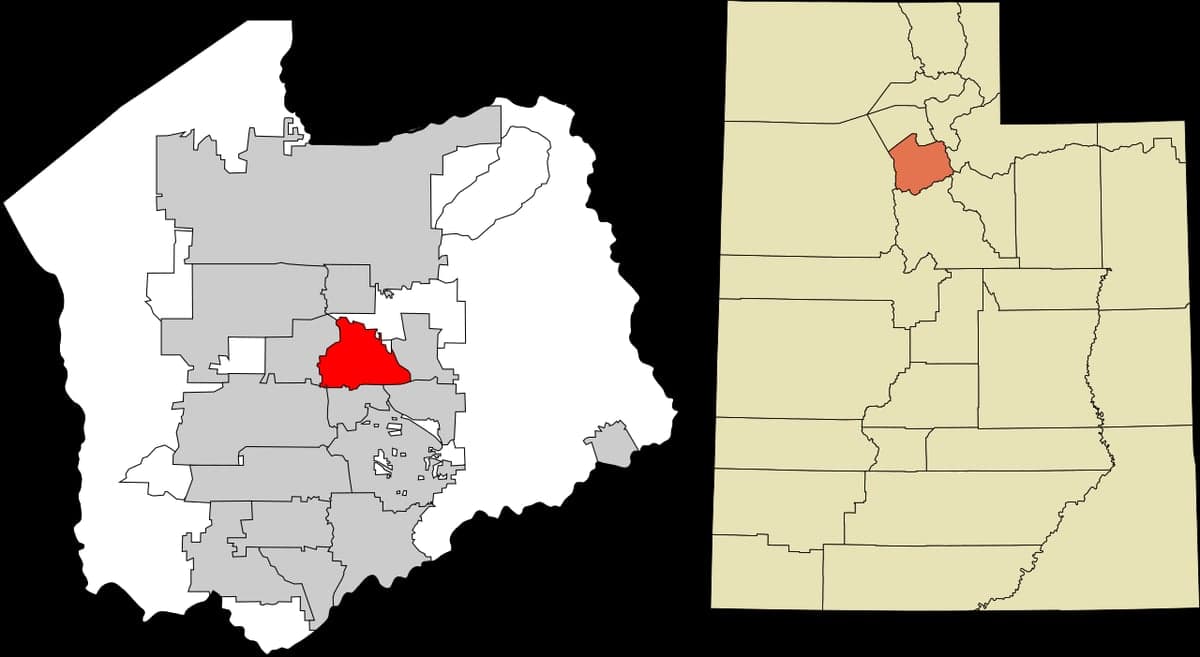
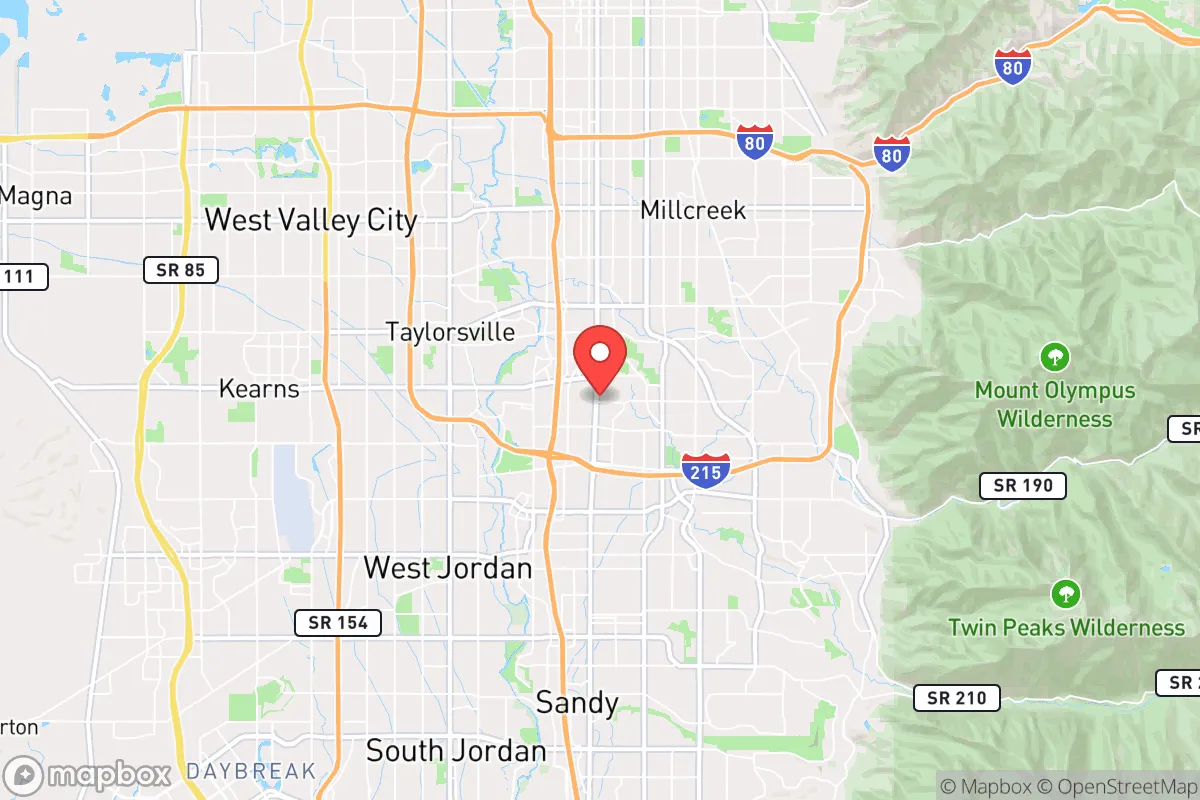
Murray, Utah, sits in a precarious but potentially workable position for a relocator with a survivalist or prepper mindset. Its location in the Salt Lake Valley offers a mix of strategic advantages and serious liabilities, primarily due to its proximity to a major metropolitan area and critical infrastructure. For a conservative-leaning individual or family focused on resilience against civic unrest, mass casualty events, and disasters, Murray presents a trade-off: it provides access to resources and a relatively stable local economy, but its vulnerability to fallout from a major event in Salt Lake City or at nearby military and industrial targets is significant. The key is understanding that Murray is not a retreat; it is a forward operating base with a short shelf life if things go bad.
Geographic position and natural advantages for long-term security
Murray’s geographic position offers a few genuine natural advantages, though they are tempered by its urban setting. The city sits at the base of the Wasatch Front, with the Wasatch Mountains to the east providing a natural barrier that could slow movement from the east and offer potential escape routes into the Uinta-Wasatch-Cache National Forest. The Jordan River runs through the western edge of the city, providing a modest water source, though it is heavily managed and not pristine. The valley’s elevation—around 4,300 feet—means cooler summers and a lower risk of heat-related disasters compared to lower desert areas. However, the same mountains that offer escape also trap inversions in winter, creating poor air quality that could be a health concern during a prolonged grid-down scenario. The area’s seismic risk is real; the Wasatch Fault runs through the valley, and a major earthquake would devastate infrastructure, including roads, water lines, and power grids. For a relocator, the mountains are a double-edged sword: they provide a potential retreat but also limit egress and create a funnel for any disaster moving through the valley.
Risks, exposures, and proximity to fallout-relevant landmarks
The most significant risk for Murray is its proximity to high-value targets and population centers. The city is roughly 10 miles south of Salt Lake City’s downtown, which houses federal buildings, the state capitol, and major financial institutions—all potential targets for civil unrest or coordinated attacks. To the north, Hill Air Force Base (about 30 miles) is a major military installation that could be a primary target in a conflict. To the west, the Tooele Army Depot and Deseret Chemical Depot store chemical weapons and munitions, making them a catastrophic fallout risk if compromised. Murray itself is not a primary target, but it lies directly in the fallout path from any strike on these facilities, depending on wind direction. The city is also crisscrossed by Interstate 15 and major rail lines, which would become choke points during an evacuation or disaster. In a mass casualty event or civil unrest scenario, Murray’s location means it would be flooded with refugees from Salt Lake City, overwhelming local resources. The presence of the Intermountain Medical Center, a major trauma center, is a double-edged sword: it provides excellent medical care in normal times but would become a magnet for the injured and a target for looters during a breakdown.
Practical resilience for a relocator: food, water, energy, and defensibility
For a relocator focused on practical resilience, Murray’s urban character presents serious challenges. Water is the most critical issue. The city relies on a combination of surface water from the Jordan River and groundwater from wells, but the system is entirely dependent on electric pumps and treatment plants. In a prolonged power outage, water would stop flowing within hours. Residents would need to store at least two weeks of water per person, and ideally have a plan to access the Jordan River or nearby canals, though these are polluted and require filtration. Food security is limited. Murray has a few grocery stores and a Costco, but these would be stripped within 24 hours of a crisis. Local gardening is possible in the warmer months, but the growing season is short (roughly May to September), and soil quality in the valley is variable. Community gardens exist but are not sufficient for a population of 50,000. Energy is a bright spot. Rocky Mountain Power’s grid is relatively stable, but a major earthquake or EMP event would take it down for weeks. Solar panels with battery storage are a viable option, as the valley gets over 200 sunny days per year. Natural gas is available for heating, but pipelines are vulnerable to seismic damage. Defensibility is poor. Murray is a suburban grid of single-family homes and strip malls, with no natural defensive terrain. The city’s layout makes it easy to patrol but hard to secure against a determined group. The best option for a prepper is to have a bug-out location in the mountains or a rural area to the south or east, as Murray itself is not defensible for more than a few days. The local police and fire departments are professional but would be overwhelmed in a widespread event. The city’s proximity to the Utah National Guard’s headquarters in Draper (about 10 miles south) could mean a faster military response, but also a higher likelihood of martial law and movement restrictions.
Overall, Murray is a calculated risk for a survivalist-minded relocator. It offers decent access to jobs, healthcare, and supplies during normal times, but its strategic value collapses quickly in a major crisis. The city’s best use is as a staging area for a more defensible rural property within a two-hour drive, such as in the Heber Valley or the West Desert. For a single individual or family willing to invest in a robust home prep—including water storage, solar power, and a well-stocked pantry—Murray can work for the short term, but the long-term plan must include a bug-out location. The conservative perspective here is clear: Murray is a place to live and work while the system holds, but it is not a place to ride out a collapse. The risks from nearby military targets, the Wasatch Fault, and the inevitable flood of refugees from Salt Lake City make it a location that demands constant vigilance and a prepared exit strategy. If you are looking for a true retreat, look further south or east; if you need to stay close to the city for work or family, Murray is a manageable compromise, but never a safe bet.

* Values derived from national, state, county, city and local statistics and may differ in a specific area. Last updated: 2026-05-01T11:07:59.000Z
Narrative content on this page is AI-generated and may contain mistakes. Verify any details that matter before acting on them.
ReloMaps may earn a commission from affiliate links at no extra cost to you.

