Photo: Wikipedia
Quality of Life in Murray, UT
A high quality of life with strong walkability, manageable living costs, healthy neighborhood signals, and solid amenity access.
What does Quality of Life tell us?
Quality of Life blends cost of living, nearby amenities, socioeconomic signals, and neighborhood character. City-level scores represent the whole municipality; individual neighborhoods can differ.
What does this tell us?
Quality of Life blends cost of living, nearby amenities, socioeconomic signals, and neighborhood character. City-level scores represent the whole municipality; individual neighborhoods can differ.
Cost of Living
41% above national average
The Real Cost of Living in Murray, UT for 2026
| Tier | Individual | Family (4) |
|---|---|---|
| Survival | $23k | $43k |
| Comfortable | $91k | $134k |
| Luxury | $142k+ | $220k+ |
| Elite (Top 5%) | $167k+ | $258k+ |
65%
The Area Signal
A metric tracking the socioeconomic signals of the area.
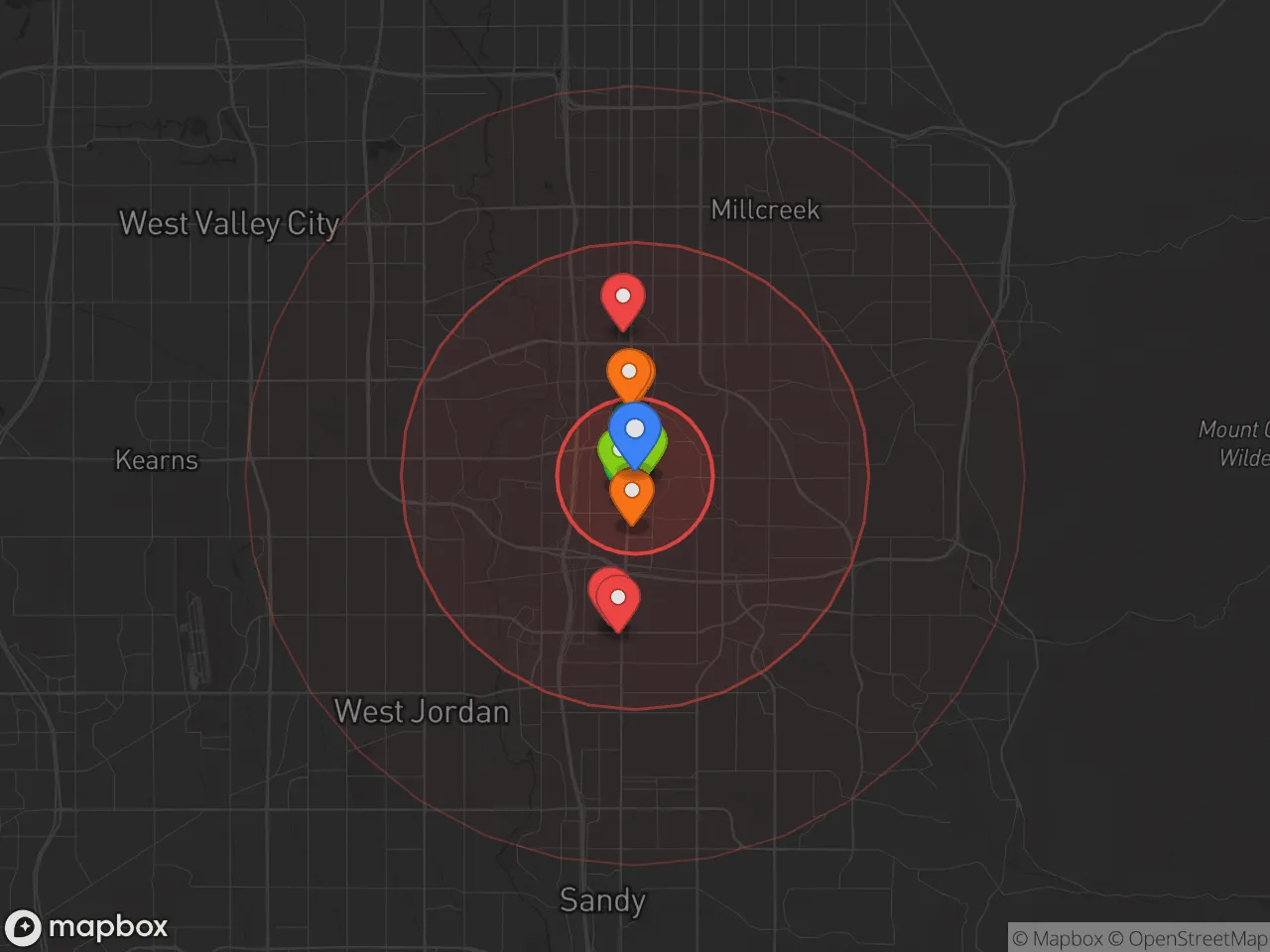
Hobbies
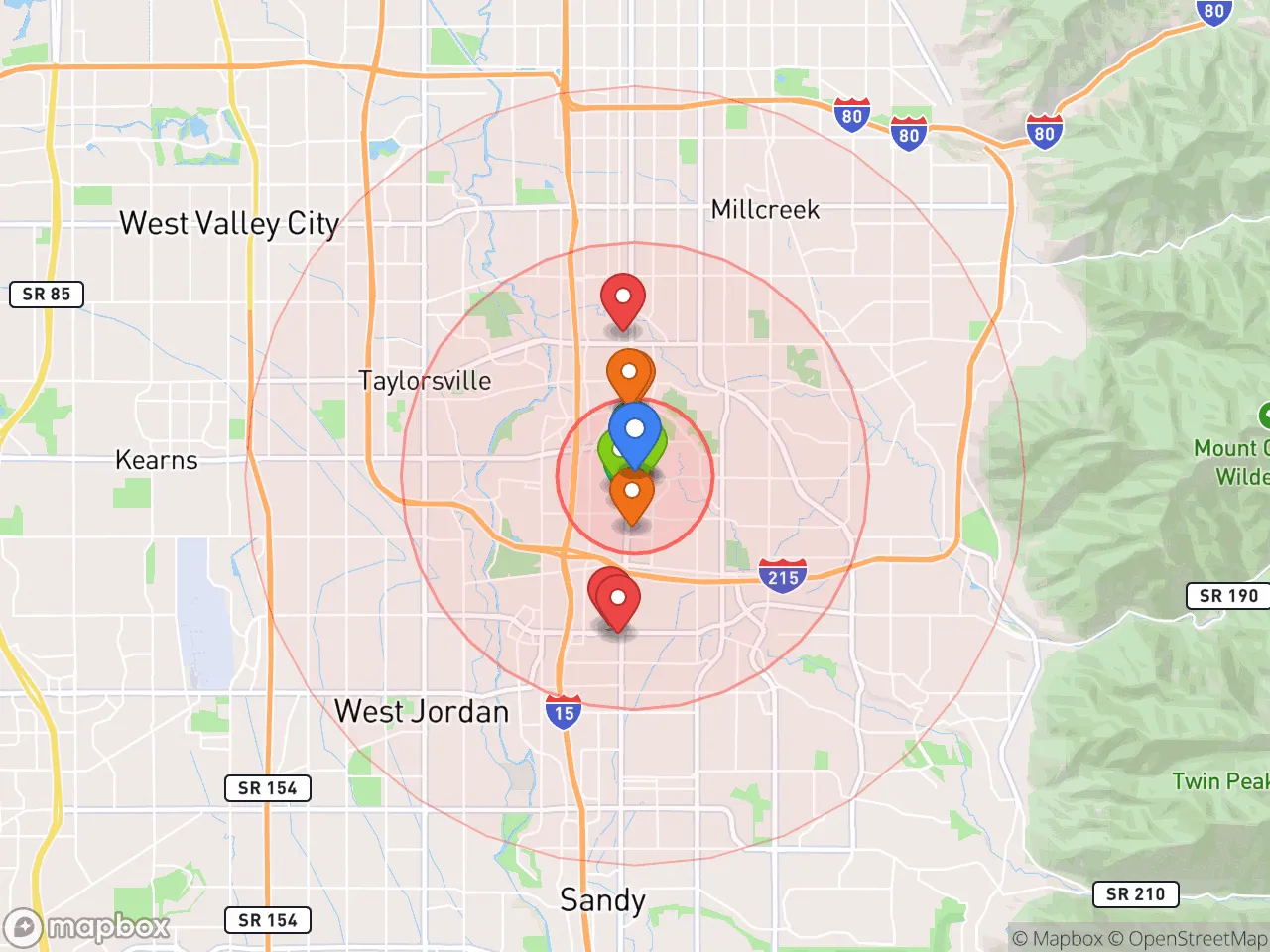
Explore the areaGroceries
7 within 10 miles
Gas
20 within 10 miles
Hospital
20 within 20 miles
Airport
SLC — Salt Lake City International
Post Office
USPS — Murray, UT
Critical Amenities
Quality-of-Life Analysis
Murray, Utah, is an affluent suburban enclave with a cost of living index of 141 (41% above the U.S. average), attracting a mix of established professionals, growing families, and empty-nesters drawn by its central Salt Lake Valley location and high-performing schools. The city’s population of roughly 50,000 skews toward college-educated homeowners, with a median household income well above the state average, reflecting a community that values stability, convenience, and access to outdoor recreation. Murray’s reputation as a safe, well-managed city with strong civic amenities makes it a sought-after address for those who can afford its premium.
Cost of living, housing affordability, and how Murray compares to nearby cities
Murray’s cost of living index of 141 is significantly higher than the national baseline, driven primarily by housing. The median home value of $470,200 is about 30% above the Salt Lake City metro average, placing Murray among the pricier suburbs alongside Holladay and Cottonwood Heights, though still below the ultra-premium neighborhoods of Park City or Deer Valley. Median rent of $1,447 is roughly 20% higher than the Utah average, reflecting strong demand for apartments near the Murray Central TRAX station and the Intermountain Medical Center campus. The average commute of just over 20 minutes is notably shorter than the Salt Lake metro average of 24 minutes, a perk for workers commuting to downtown Salt Lake City or the booming tech corridor in Lehi. While housing costs are steep, residents often cite the trade-off of lower property taxes (Utah’s effective rate is about 0.6%) and no state income tax on Social Security benefits as partial offsets.
Schools, amenities, and what daily life is like for families and professionals
Daily life in Murray revolves around its walkable downtown core, anchored by the Murray City Park and the historic Murray Theatre, and its robust public school system. The Murray City School District consistently earns above-average ratings from GreatSchools, with Hillcrest Junior High and Murray High School both offering strong Advanced Placement programs and competitive athletics. The city’s Intermountain Medical Center, the largest hospital in the Intermountain West, employs thousands and anchors a thriving healthcare corridor. For recreation, residents have quick access to the Jordan River Parkway Trail, the 50-acre Murray Park with its aquatic center and sports fields, and the nearby Big and Little Cottonwood canyons for hiking and skiing. The Murray Central station provides direct light-rail access to downtown Salt Lake City in 15 minutes, reducing car dependency for commuters. Retail amenities are abundant, with the Fashion Place Mall and a dense cluster of big-box stores along State Street, though locals often prefer the independent shops and restaurants along 4800 South.
Who thrives in Murray and what to consider before moving
Murray is best suited for professionals and families who prioritize short commutes, top-tier schools, and a suburban feel with urban conveniences. The city’s high cost of living and competitive housing market mean it is less accessible to first-time buyers or renters on a tight budget, who may find better value in nearby West Valley City or Taylorsville. Empty-nesters and retirees are increasingly drawn to Murray’s newer townhome developments near the medical center and its walkable amenities. Anyone considering a move should weigh the premium housing costs against the tangible benefits of a 20-minute commute, low crime rates, and immediate access to both city jobs and mountain recreation. For those who can afford the entry price, Murray offers one of the most balanced quality-of-life packages in the Salt Lake Valley.

Crime in Murray, UT
Generally safer than 67% of comparable U.S. locations.
Violent CrimeViolent Crime Analysis
Property CrimeProperty Crime Analysis
Crime Analysis
Murray, Utah, presents a mixed safety profile that demands careful attention from potential residents. While the city’s violent crime rate of 165 incidents per 100,000 people is notably lower than the national average, its property crime rate of 2,819.5 per 100,000 is significantly higher, exceeding both state and national benchmarks. This disparity means that while violent confrontations are less common, the risk of theft, burglary, and vehicle break-ins is a tangible daily concern, particularly given the city’s location within the broader Salt Lake City metro area.
Crime in context
To understand Murray’s safety landscape, it is essential to compare its numbers to broader trends. The city’s violent crime rate is roughly half the national average of about 380 per 100,000, and it also sits below the Utah state average of approximately 240 per 100,000. This is a relative strength. However, the property crime rate is a stark contrast: it is nearly double the national average of roughly 1,950 per 100,000 and well above the Utah state average of about 2,200 per 100,000. This elevated property crime rate is a common challenge for cities situated near large metro areas, where transient populations and higher-density living can increase opportunities for theft. Furthermore, the progressive judicial philosophy prevalent in many urban Utah jurisdictions, including Salt Lake County, often prioritizes rehabilitation and diversion programs over incarceration. While well-intentioned, this approach can result in repeat offenders cycling back onto the streets more quickly, directly contributing to higher property crime rates and eroding public confidence in the justice system’s ability to protect victims and hold offenders accountable.
What residents experience
For those living in Murray, the practical impact of these statistics is most visible in property-related incidents. Residents frequently report car break-ins, package thefts from porches, and burglaries of storage units and garages. The city’s dense commercial corridors, such as those along State Street and 5300 South, are particular hotspots for these crimes. While violent crime is less common, it is not absent, and incidents of assault or robbery can occur, often concentrated in areas with higher foot traffic or near transit hubs. The sense of safety can vary significantly by block and time of day. Many families feel secure in their homes during the day but take extra precautions at night, such as locking vehicles and using security cameras. The presence of a progressive district attorney’s office in the county means that even when arrests are made, the likelihood of swift, meaningful consequences for property offenders can be lower than in more conservative jurisdictions, a factor that frustrates many long-term residents and community watch groups.
Neighborhood-level variation is a critical factor in Murray. Areas closer to the I-15 corridor and the central business district tend to experience higher rates of property crime, while quieter residential neighborhoods in the eastern and southern parts of the city, such as those near Murray Park or the historic district, generally report lower incident rates. Prospective residents should research specific block-level crime maps and consider visiting at different times of day to gauge the local atmosphere. Ultimately, while Murray offers many amenities and a lower violent crime rate than the national average, its elevated property crime and the lenient judicial environment of the surrounding metro area are significant drawbacks that require proactive personal security measures.
* Values derived from national, state, county, city and local statistics and may differ in a specific area. Last updated: 2026-05-01T11:07:59.000Z
Narrative content on this page is AI-generated and may contain mistakes. Verify any details that matter before acting on them.
ReloMaps may earn a commission from affiliate links at no extra cost to you.

