Quality of Life in Nacogdoches, TX
A high quality of life with strong walkability, manageable living costs, healthy neighborhood signals, and solid amenity access.
What does Quality of Life tell us?
Quality of Life blends cost of living, nearby amenities, socioeconomic signals, and neighborhood character. City-level scores represent the whole municipality; individual neighborhoods can differ.
What does this tell us?
Quality of Life blends cost of living, nearby amenities, socioeconomic signals, and neighborhood character. City-level scores represent the whole municipality; individual neighborhoods can differ.
Cost of Living
28% below national average
The Real Cost of Living in Nacogdoches, TX for 2026
| Tier | Individual | Family (4) |
|---|---|---|
| Survival | $15k | $28k |
| Comfortable | $34k | $49k |
| Luxury | $70k+ | $109k+ |
| Elite (Top 5%) | $115k+ | $178k+ |
79%
The Area Signal
A metric tracking the socioeconomic signals of the area.
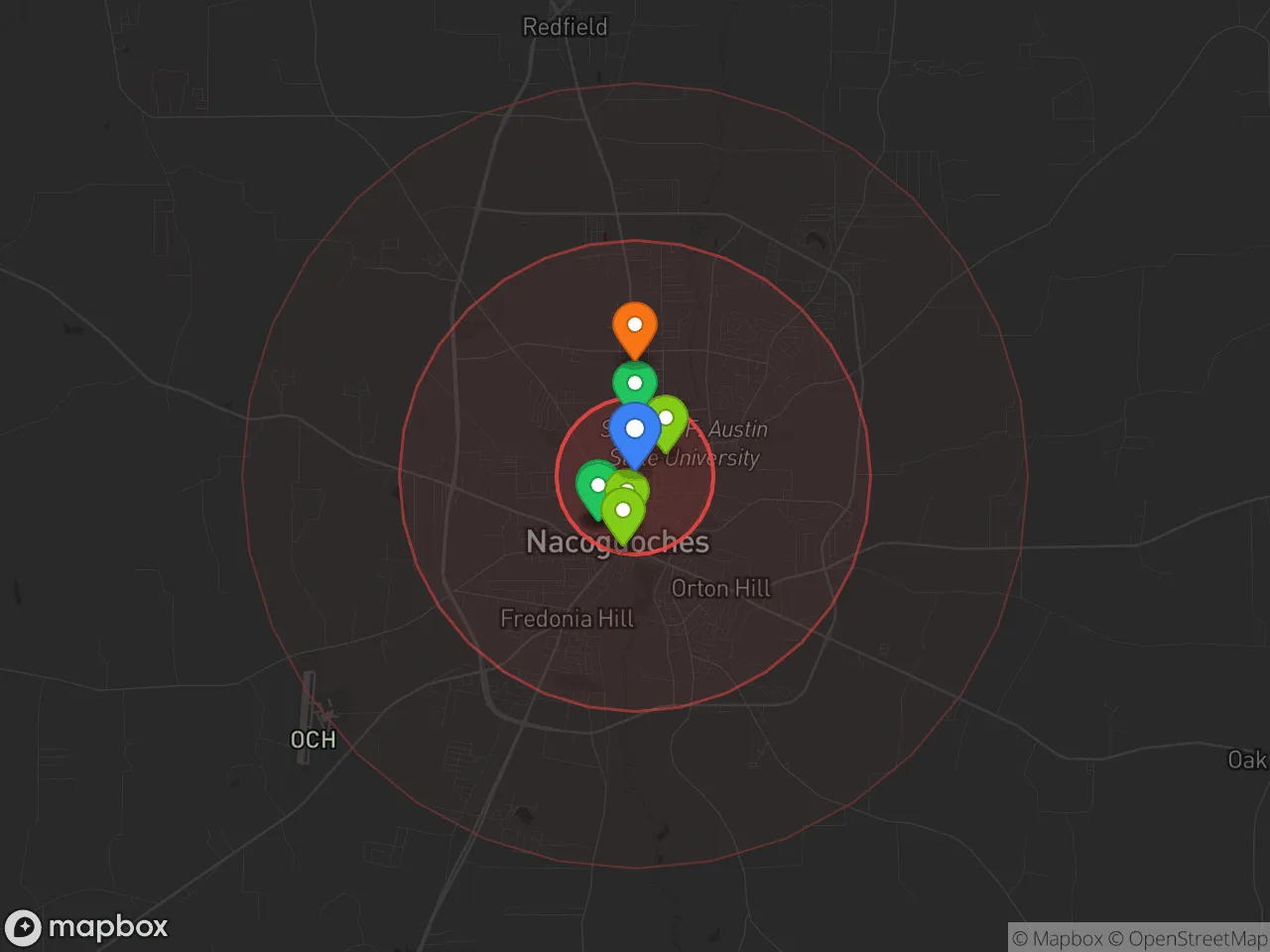
Hobbies
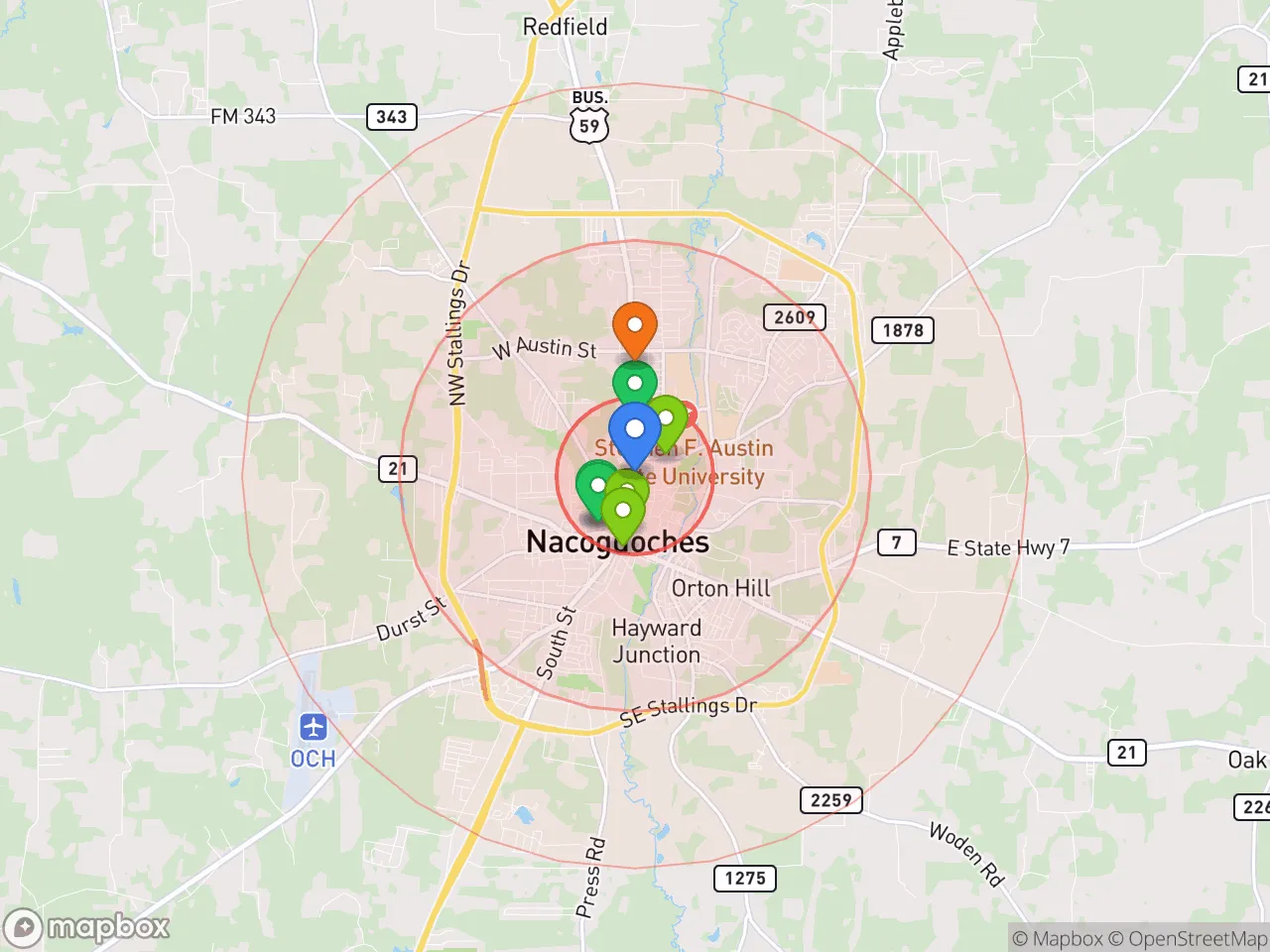
Explore the areaGroceries
3 within 10 miles
Gas
14 within 10 miles
Hospital
3 within 20 miles
Airport
IAH — George Bush Intercontinental
Post Office
USPS — Nacogdoches, TX
Critical Amenities
Quality-of-Life Analysis
Nacogdoches offers a notably affordable quality of life anchored by a cost of living index of 72—well below the U.S. average of 100—making it one of the more budget-friendly cities in East Texas. The population skews younger and more transient than the state average, driven by the presence of Stephen F. Austin State University, which infuses the community with students, faculty, and a steady stream of educated professionals. Retirees and remote workers are also drawn here by the low housing costs and slower pace, though the area’s median household income of roughly $40,000 reflects a local economy that leans heavily on education, healthcare, and retail rather than high-wage industries.
Cost of living, housing affordability, and how Nacogdoches compares to nearby cities
Housing is the primary driver of Nacogdoches’ affordability. The median home value sits at $173,200, significantly below the Texas median of roughly $300,000, while the median rent of $921 undercuts both the state average ($1,200+) and nearby Lufkin ($975). For context, a household earning the local median income can afford a home at that price using a conventional 28% front-end ratio, which is rare in most Texas markets. The average commute of 16.5 minutes is among the shortest in the state, reducing transportation costs and freeing up time for family or recreation. Compared to larger East Texas hubs like Tyler (median home value $260,000) or Longview ($210,000), Nacogdoches offers a clear price advantage, though job opportunities and retail variety are more limited. Property taxes in Nacogdoches County average about 1.7% of assessed value, slightly below the state median, which further supports long-term affordability for homeowners.
Daily life, local amenities, and what families and students can expect
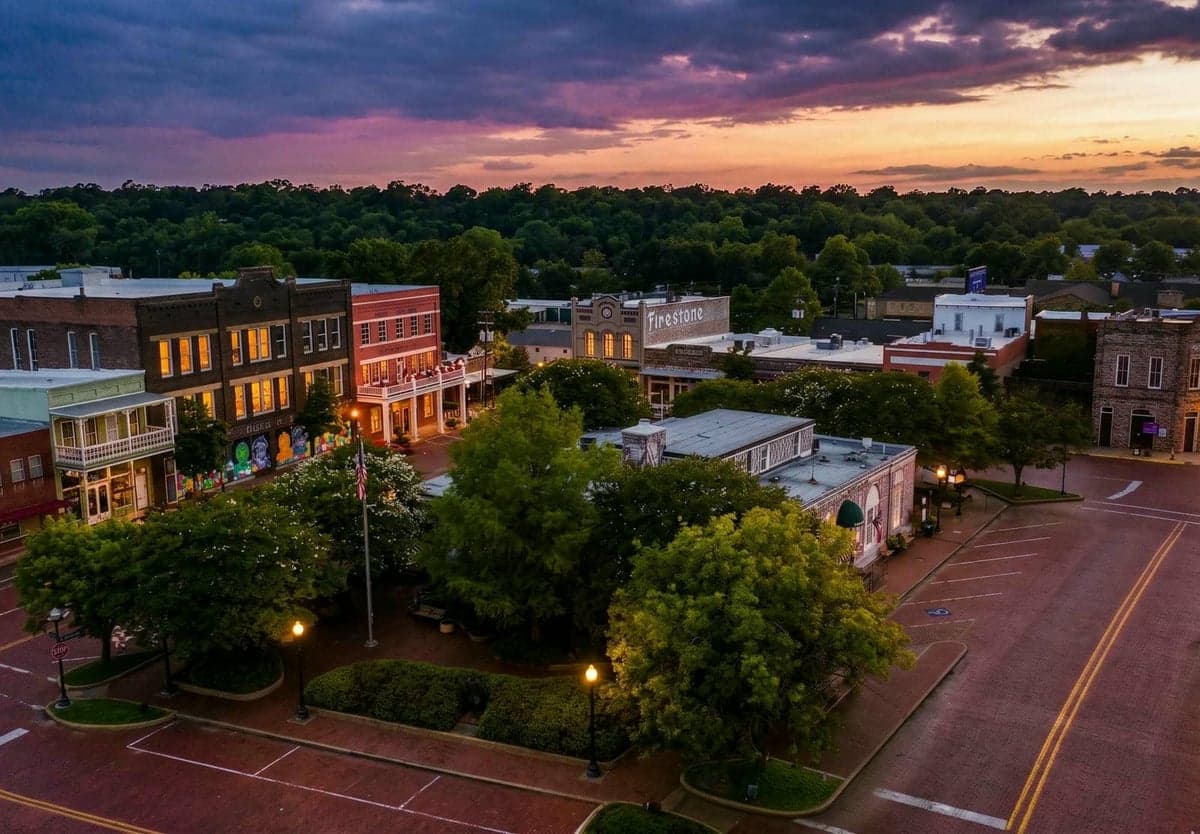
Daily life in Nacogdoches revolves around a compact historic downtown, the university campus, and a network of parks and trails. The city’s Lanana Creek Trail and Pioneer Park provide accessible outdoor recreation, while the Nacogdoches Railroad Depot and Cole Art Center anchor cultural offerings. Public schools in the Nacogdoches Independent School District serve roughly 6,500 students, with Nacogdoches High School offering dual-credit programs through SFA and a career and technical education track. For families, the trade-off is clear: low housing costs and short commutes versus a smaller selection of private schools and fewer after-school enrichment options compared to suburban Dallas or Houston. The university brings a steady calendar of concerts, lectures, and Division I athletics (SFA Lumberjacks), which enriches the cultural scene for residents of all ages. Grocery and retail options are adequate but not extensive—most major chains (Walmart, Brookshire’s, H-E-B) are present, but specialty shopping requires a 45-minute drive to Lufkin or Tyler.
Nacogdoches is best suited for budget-conscious families, university-affiliated professionals, and retirees who prioritize low cost of living and a slower pace over urban amenities. Remote workers will appreciate the short commute and affordable housing, though high-speed internet availability varies by neighborhood—fiber is limited to newer subdivisions and parts of the university area. Those seeking vibrant nightlife, diverse dining, or rapid job growth in tech or finance will find the city too quiet. For anyone who values a walkable historic core, a strong sense of community, and the financial breathing room that comes with a cost of living 28% below the national average, Nacogdoches delivers a solid, unpretentious quality of life.

Crime in Nacogdoches, TX
Crime rates similar to the national median for U.S. locations.
Violent CrimeViolent Crime Analysis
Property CrimeProperty Crime Analysis
Crime Analysis
Nacogdoches, Texas, presents a mixed safety picture for potential residents. The city's violent crime rate of 295.9 per 100,000 residents is below the national average, but its property crime rate of 1,673.4 per 100,000 is significantly elevated, indicating a higher risk of theft and burglary. While not a high-crime city by national standards, the property crime numbers warrant careful consideration, especially for those moving from areas with lower theft rates.
Crime in context
When compared to state and national benchmarks, Nacogdoches shows a notable divergence. The city's violent crime rate is roughly 15% lower than the national average, a positive sign for personal safety. However, the property crime rate is approximately 30% higher than the national average and also exceeds the Texas state average. This pattern—lower violence but elevated property crime—is common in smaller cities with a large student population (Stephen F. Austin State University) and a significant transient community. The data suggests that while violent confrontations are less frequent, crimes of opportunity like vehicle break-ins, package theft, and residential burglary are more common.
What residents experience
Residents of Nacogdoches report a community where violent crime is not a daily concern, but property crime is a persistent annoyance. The most frequently cited issues include theft from vehicles, especially in apartment complexes and near the university campus, and burglaries of unoccupied homes. The local justice system, operating under Texas state law, generally takes a tough stance on violent offenders. However, like many jurisdictions, the handling of property crimes can vary. Progressive or lenient policies in the district attorney's office or judiciary can lead to reduced charges or early release for repeat property offenders, directly increasing the number of criminals on the street and undermining public safety. This is a critical factor for readers to investigate: a district attorney focused on rehabilitation over accountability for property crimes can erode the sense of security, even in a city with low violent crime numbers.
Neighborhood-level variation in Nacogdoches is significant. The safest areas are typically the established residential neighborhoods west of US-59 and north of the downtown square, such as the Lanana Creek area and newer subdivisions near Loop 224. Property crime rates are noticeably lower in these quieter, single-family home districts. Conversely, areas immediately surrounding the SFA campus, including the North Street corridor and apartment complexes near University Drive, experience the highest concentration of property crime, particularly theft and vandalism. The downtown core itself has moderate crime, with occasional incidents related to the nightlife scene. For a family or retiree, choosing a home in the western or northern neighborhoods can substantially reduce the risk of becoming a property crime statistic.
* Values derived from national, state, county, city and local statistics and may differ in a specific area. Last updated: 2026-09-02T15:12:21.000Z
Narrative content on this page is AI-generated and may contain mistakes. Verify any details that matter before acting on them.
ReloMaps may earn a commission from affiliate links at no extra cost to you.

