 Popular
Photo: Wikipedia
Find The Best Places To Live
in Tyler
PRO TIP! You can paste a Zillow or Redfin link to get info on that property.
What It's Like Living in Tyler, TX
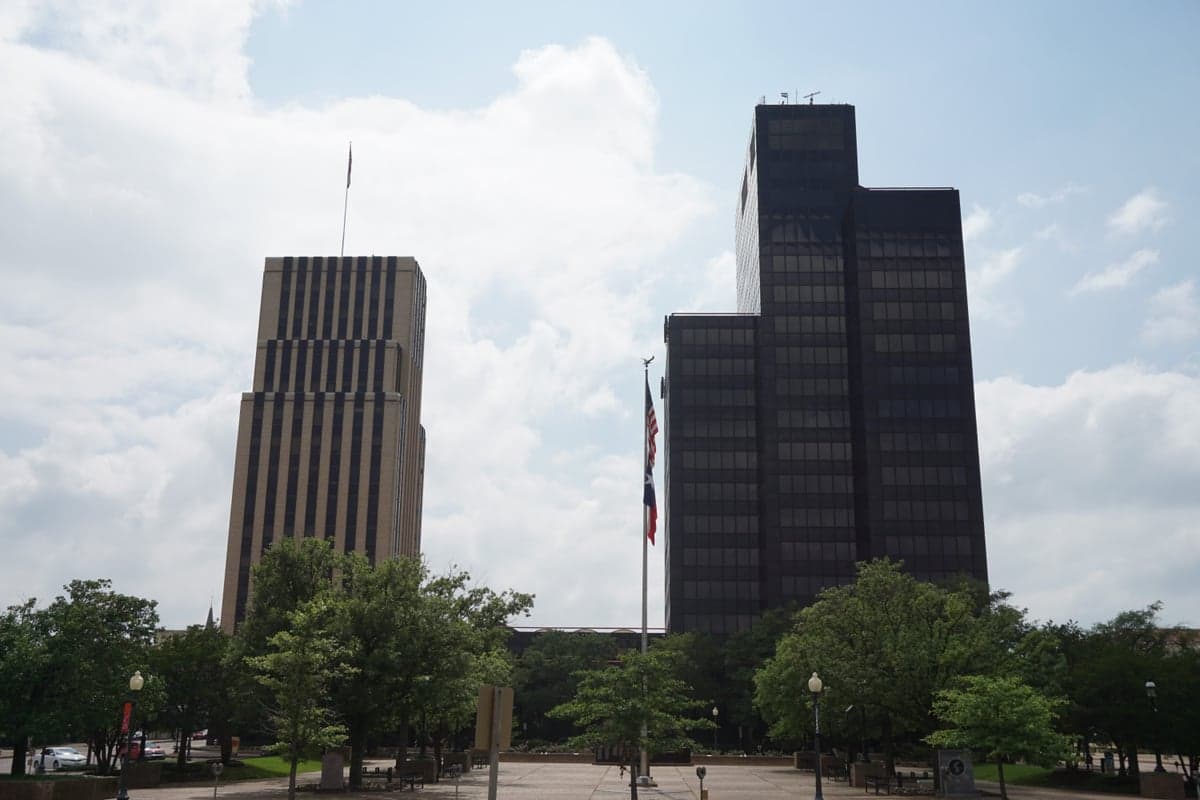
Tyler has a way of feeling both bigger and smaller than its population of just over 107,000 suggests. It’s the kind of place where you can run into your kid’s teacher at the grocery store on a Saturday morning, yet still find a dozen different restaurant options for dinner that night. The pace here is deliberate—slower than Dallas or Houston, but with enough going on that you never feel like you’re missing out on the modern world. People come for the pine trees and the lakes, but they stay because the community actually knows your name.
The Daily Rhythm: Work, Errands, and Weekend Plans
Most mornings start with a commute that averages just over 20 minutes—short enough that you can actually enjoy a cup of coffee before walking out the door. The biggest employers are in healthcare (Christus Trinity Mother Frances and UT Health East Texas) and education (Tyler ISD and UT Tyler), so a lot of folks work in those sectors. Lunch breaks often mean a quick run to Stanley’s Famous Pit Bar-B-Q for a sausage-and-cheese-stuffed jalapeño wrapped in bacon, or a sit-down at Ricky’s Grill for a burger and a cold Shiner. After work, you’ll see people heading to the Rose Garden for a walk, or grabbing a beer at True Vine Brewing Company, where the outdoor patio is packed year-round. Weekends revolve around yard work (those pine needles don’t rake themselves), youth sports tournaments, and trips to Lake Tyler or Lake Palestine for fishing, kayaking, or just floating in a tube. The Tyler Farmers Market on Saturday mornings is a genuine social event—you’ll see everyone from young families to retirees picking up local honey, farm eggs, and fresh-cut flowers.
Sports, Festivals, and What People Do for Fun
High school football is a serious deal here. On Friday nights, Tyler High and Tyler Legacy (formerly Robert E. Lee) draw crowds that rival some small colleges. The UT Tyler Patriots are growing fast, especially after moving to NCAA Division II, and their baseball and basketball games are a cheap, easy night out. For bigger events, people drive to Dallas (about 90 minutes) for Cowboys or Rangers games, but Tyler has its own major draws: the Texas Rose Festival in October is a week-long spectacle of parades, coronations, and garden tours that feels like a throwback to a more formal era. The East Texas State Fair in September brings carnival rides, livestock shows, and fried everything. Music-wise, the Liberty Hall downtown hosts national touring acts in an intimate setting, and Kiepersol Estates Winery (about 20 minutes south) has live music on weekends with a view of the vineyards. If you’re outdoorsy, the Piney Woods offer hiking at Mission Tejas State Park or mountain biking at Faulkner Park—nothing extreme, but solid options for a Saturday morning.
Who Fits In Here—and Who Might Struggle
Tyler works best for people who value stability over hustle. The median age is 35.5, and the median household income is $65,527, which goes further here thanks to a cost of living index of 93 (7% below the national average). Median home values sit at $216,400, meaning a teacher or a nurse can actually afford a three-bedroom house with a yard. The college-educated share is 30.7%, which is lower than the national average—this isn’t a town full of tech startups or PhDs. It’s more of a place where people work in healthcare, education, small business, or the oil-and-gas-adjacent industries that still hum along in East Texas. Parents like it because the schools (especially Cumberland Academy and All Saints Episcopal School) are well-regarded, and there’s a strong sense of “it takes a village.” Single people in their 20s sometimes find the dating pool shallow, and the nightlife is limited to a handful of bars like Dakota’s or The Grove. If you need a 24-hour city with constant events, Tyler will feel quiet. If you want a place where you can buy a house, raise kids, and actually know your neighbors, it’s hard to beat.
The Honest Trade-Offs: What Locals Love and What Grinds Their Gears
The pros are real: traffic is almost never bad (you can get from one side of town to the other in 20 minutes), the air smells like pine instead of exhaust, and the community rallies around you when things go sideways—whether it’s a church meal train or a GoFundMe for a coworker. The cons are equally real: the violent crime rate is 363 per 100,000, which is above the national average and concentrated in certain areas (mostly south and northwest Tyler). Property crime is the bigger nuisance—car break-ins and package thefts happen often enough that people lock their cars and install Ring cameras. The summers are long, humid, and hot (think 95°F with 70% humidity from June through September), and the pollen in spring coats everything in a yellow film. Politically, Tyler leans conservative, and the local culture reflects that—churches are central, and you’ll see more pickup trucks than Teslas. But it’s not a monolith; the university and medical centers bring in a mix of perspectives. The biggest frustration for longtime residents is the lack of direct highway access to Dallas—you’re stuck on two-lane roads or I-20, and that 90-minute drive can stretch to two hours on a Friday afternoon. Still, most people here will tell you the trade-off is worth it: you give up some convenience for a life that feels steadier, slower, and more connected.

Similar small cities to Tyler

* Values derived from national, state, county, city and local statistics and may differ in a specific area. Last updated: 2026-04-15T15:44:48.000Z
Narrative content on this page is AI-generated and may contain mistakes. Verify any details that matter before acting on them.
ReloMaps may earn a commission from affiliate links at no extra cost to you.

