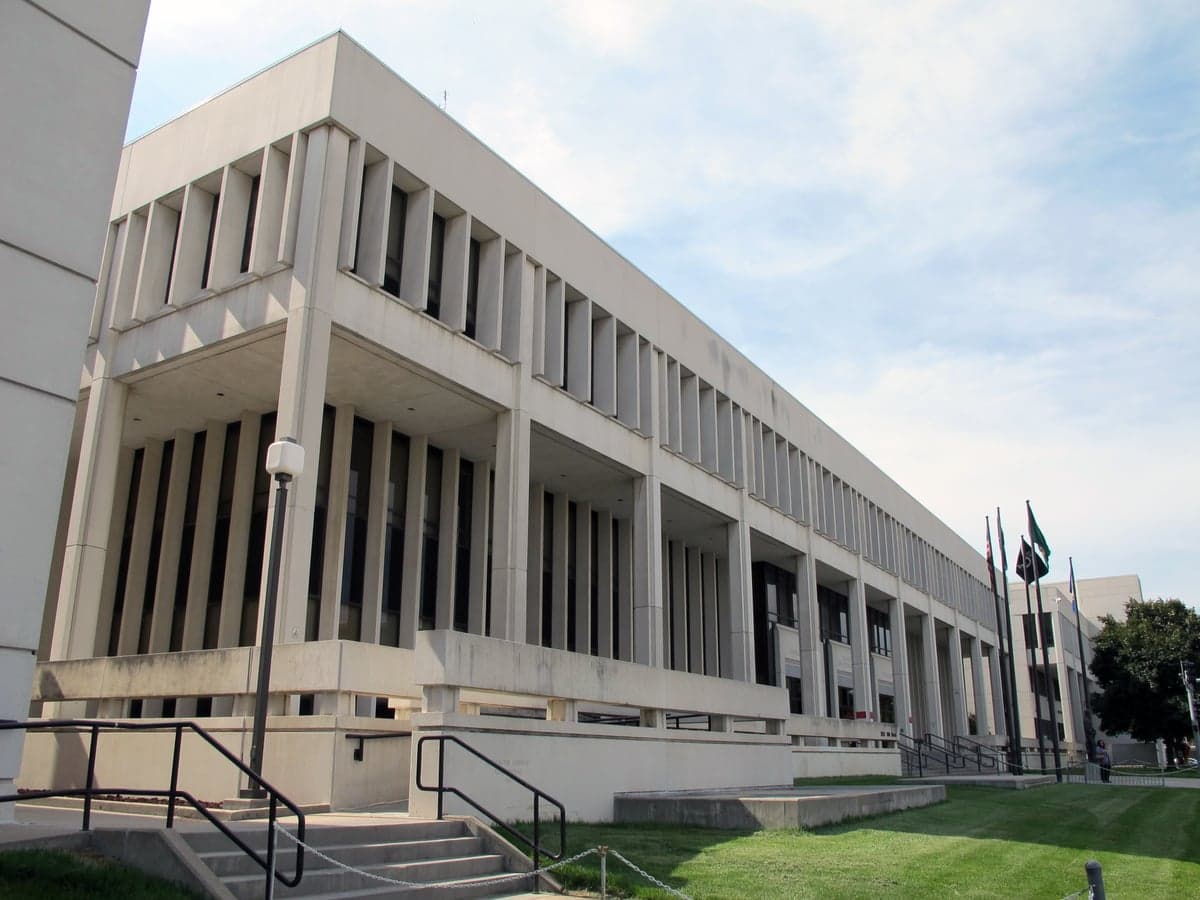
Photo: Wikipedia
Quality of Life in Lancaster County
A livable area that tracks near national norms for affordability, walkability, and neighborhood health.
What does Quality of Life tell us?
Quality of Life measures an area by evaluating factors like cost of living, nearby amenities, country club access, airport proximity, socioeconomic signals and neighborhood character. For large states, this is a general average — quality of life can vary dramatically between metro areas, suburbs, and rural communities within the same state.
What does this tell us?
Quality of Life measures an area by evaluating factors like cost of living, nearby amenities, country club access, airport proximity, socioeconomic signals and neighborhood character. For large states, this is a general average — quality of life can vary dramatically between metro areas, suburbs, and rural communities within the same state.
Cost of Living
9% below national average
98%
The Real Cost of Living in Lancaster County for 2026
| Tier | Individual | Family (4) |
|---|---|---|
| Survival | $17k | $31k |
| Comfortable | $50k | $74k |
| Luxury | $131k+ | $203k+ |
| Elite (Top 5%) | $160k+ | $247k+ |
Quality-of-Life Analysis
Lancaster County, Nebraska, offers a quality-of-life spectrum that ranges from the urban energy of its core city to the quiet rhythms of small towns and working farmland, drawing everyone from young professionals and university students to retirees and agricultural families. The county’s overall cost of living index sits at 91 (9% below the U.S. average), with a median home value of $258,900 and median rent of $1,045, but those figures mask significant variation between its densest population centers and its most rural corners. An average commute of just under 19 minutes across the county underscores how even residents of outlying communities can access the region’s economic hub without sacrificing a small-town pace.
Largest town(s) & population centers
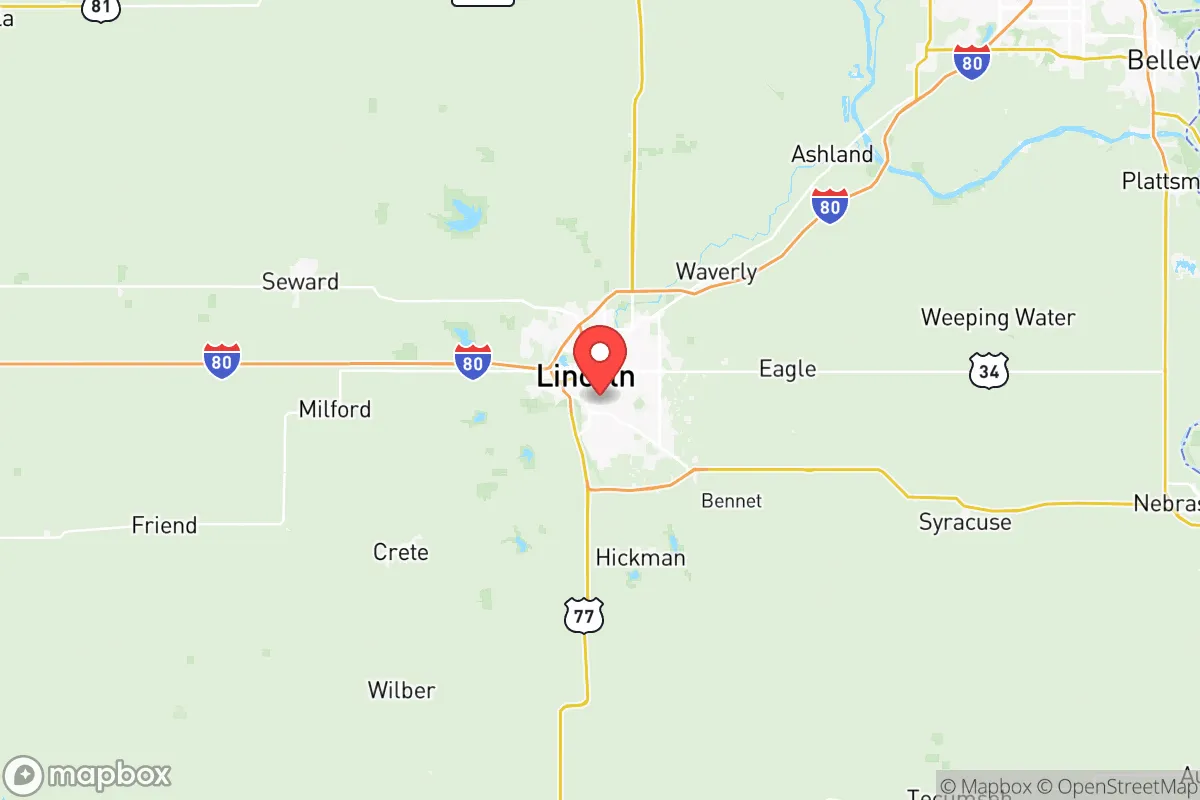
Lincoln, the state capital and county seat, dominates Lancaster County with a population exceeding 290,000 and serves as the primary employment, education, and cultural anchor. Daily life in Lincoln revolves around the University of Nebraska–Lincoln campus, the state government complex, and a growing tech and insurance sector anchored by employers like Hudl, Nelnet, and Assurity. The city offers walkable neighborhoods such as the Haymarket District and College View, along with extensive parks, a robust bus system, and a nationally recognized public school system. Just south of Lincoln, the city of Hickman (population roughly 2,300) functions as a bedroom community with its own small downtown and easy access to U.S. Highway 77, while Waverly (population about 4,000) on the county’s eastern edge provides a similar commuter-friendly lifestyle with newer subdivisions and a strong local school district.
Smaller towns & rural pockets
Beyond the Lincoln metro orbit, Lancaster County’s smaller communities preserve distinctly independent identities. Bennet (population ~1,000) sits along the Salt Creek and offers a quiet, family-oriented atmosphere with a historic main street and a volunteer fire department. Firth (population ~600) and Panama (population ~250) anchor the county’s southern agricultural belt, where grain elevators and livestock operations define the landscape. Sprague (population ~150) is one of the county’s tiniest incorporated villages, with no commercial district but a strong sense of community centered on its church and annual celebrations. Unincorporated areas like Roca and Emerald consist largely of acreages and farmsteads, where residents trade urban amenities for larger lots, lower property taxes, and direct access to hunting and fishing along the Salt Creek and Little Salt Creek watersheds.
Cost & lifestyle range
The cost-of-living spread across Lancaster County is driven primarily by housing and land values. In Lincoln’s core neighborhoods—such as Near South or Everett—median home values hover around $200,000, while newer subdivisions in southwest Lincoln or near the Highlands can push above $350,000. Rent follows a similar gradient, with downtown apartments averaging $1,200–$1,500 and older duplexes in outlying areas like Havelock or Bethany renting for $800–$950. In contrast, a three-bedroom home on a half-acre lot in Bennet or Firth might sell for $220,000–$260,000, and rental options in those towns are scarce but often under $900. Rural acreages near Roca or Emerald command a premium for land—often $300,000–$400,000 for 5–10 acres—but offer lower property tax rates than comparable Lincoln properties due to agricultural valuation. Utility costs and grocery prices are relatively uniform across the county, though residents in smaller towns typically pay slightly more for propane or well maintenance.
Families seeking top-ranked schools and walkable amenities gravitate to Lincoln’s southwest neighborhoods or Waverly, while retirees and remote workers often choose Hickman or Bennet for their lower home prices and quieter streets. Farmers and equestrian owners find the best value in the unincorporated areas around Roca and Sprague, where zoning is minimal and land is plentiful. Young professionals and students overwhelmingly cluster in Lincoln’s core, near the university and downtown job centers. The county’s diversity of settings means that whether someone prioritizes a short commute, a large garden, or a tight-knit community, Lancaster County offers a distinct niche that matches their lifestyle and budget.

Crime in Lancaster County
Generally safer than 65% of comparable U.S. locations.
Violent CrimeViolent Crime Analysis
Property CrimeProperty Crime Analysis
Crime Analysis
Lancaster County, anchored by Lincoln, reports a violent crime rate of 215.2 per 100,000 residents and a property crime rate of 1,378.5 per 100,000, placing it in a middle tier for safety within Nebraska. While these figures are lower than the national average for violent crime, the county’s property crime rate exceeds the state average, driven largely by incidents in Lincoln and its surrounding suburban corridors. The overall safety picture is mixed: residents in smaller towns like Hickman and Waverly generally experience fewer incidents, while areas closer to downtown Lincoln and the O Street corridor see elevated crime volumes.
Crime in context
Lancaster County’s violent crime rate of 215.2 per 100,000 is roughly 40% below the national average of 380 per 100,000, but it sits above Nebraska’s statewide rate of approximately 230 per 100,000. Property crime, at 1,378.5 per 100,000, is about 15% higher than the Nebraska average of 1,200 per 100,000 and aligns closely with the national property crime rate. Lincoln, as the county seat and largest city, accounts for the majority of reported offenses, with the Lincoln Police Department handling over 90% of the county’s crime reports. By contrast, communities such as Bennet, Davey, and Raymond report fewer than 50 total incidents annually, keeping their per-capita rates well below the county average. The Lancaster County Sheriff’s Office patrols unincorporated areas and smaller towns, where crime rates are consistently lower than in Lincoln proper.
What residents experience
Residents in Lancaster County most frequently encounter property crimes—theft, burglary, and motor vehicle theft—which make up roughly 85% of all reported offenses. Vehicle break-ins and package thefts are common complaints in Lincoln’s near-downtown neighborhoods, including the Everett and Near South districts, as well as in retail-heavy areas like SouthPointe Pavilions. Violent crime, while less common, is concentrated in specific Lincoln neighborhoods, particularly around the 27th and O Street intersection and parts of the University of Nebraska-Lincoln campus periphery. Assaults account for the majority of violent incidents, with robbery and homicide occurring at rates below the national median. Residents in suburban towns like Firth and Malcolm report feeling safe walking at night, while those in central Lincoln often cite property crime as a persistent concern. The Lancaster County District Attorney’s office, which handles felony prosecutions, has faced criticism from some residents for a perceived leniency in plea bargaining, particularly for repeat property offenders. This progressive approach to prosecution, while aimed at reducing incarceration rates, has led to concerns about recidivism and public safety, especially in Lincoln’s higher-crime zones.
Neighborhood-level variation
Crime in Lancaster County varies sharply by location. Lincoln’s downtown core and the area around the University of Nebraska-Lincoln see the highest crime density, with property crime rates exceeding 2,500 per 100,000 in some census tracts. In contrast, the western suburbs of Lincoln—including the Highlands and Yankee Hill neighborhoods—report violent crime rates below 100 per 100,000. Outside Lincoln, towns like Waverly (population ~4,000) and Hickman (population ~2,500) have violent crime rates near zero in most years, with property crime rates under 500 per 100,000. The unincorporated areas of Lancaster County, including the communities of Roca and Prairie Home, benefit from low population density and minimal commercial activity, resulting in the lowest crime rates in the county. Residents considering a move to Lancaster County should weigh the trade-offs: Lincoln offers urban amenities but carries higher property crime risks, while the surrounding small towns provide a safer, quieter alternative with limited services. The county’s progressive judicial policies in Lincoln, including diversion programs for nonviolent offenders, have kept incarceration numbers low but have not yet demonstrably reduced property crime rates, leaving some residents uneasy about long-term safety trends.
* Values derived from national, state, county, city and local statistics and may differ in a specific area. Last updated: 2026-05-12T08:57:47.000Z
Narrative content on this page is AI-generated and may contain mistakes. Verify any details that matter before acting on them.
ReloMaps may earn a commission from affiliate links at no extra cost to you.

