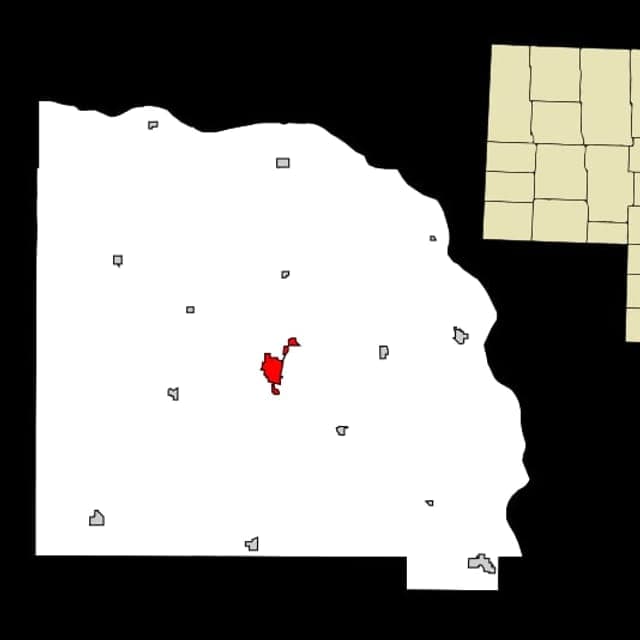
Photo: Wikipedia
Political ClimatePolitical Climate in Nebraska
Political Environment in the State
Nebraska is a solidly Republican state with a Cook PVI of R+10, but don’t let that single number fool you into thinking it’s a monolith. The state has been reliably red in presidential elections since 1968, but the last 10-20 years have seen a slow, grinding shift: the Omaha metro has drifted leftward while the vast rural expanse has hardened its conservative resolve. The dominant coalition remains a mix of agricultural conservatives, small-business owners, and socially traditional voters, but the growing influence of the Lincoln-Omaha corridor is creating a genuine two-party dynamic in a state that was once a lock for the GOP.
Urban vs. rural divide
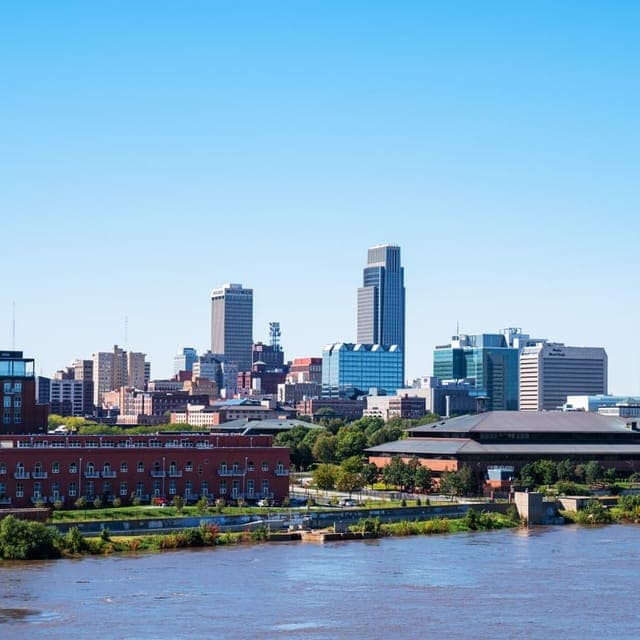
The political map of Nebraska is a textbook case of the urban-rural split. Omaha (Douglas County) and Lincoln (Lancaster County) are the blue islands in a sea of red. Douglas County has voted Democratic in every presidential election since 2008, and in 2020, Joe Biden carried it by nearly 10 points. Lincoln’s Lancaster County has been trending blue for a decade, flipping to Biden in 2020 after going for Obama in 2008 and 2012. Meanwhile, the rest of the state is deeply Republican. Scottsbluff in the Panhandle, Grand Island in the central Platte Valley, and Norfolk in the northeast all vote GOP by margins of 30-40 points. The real flashpoint is Nebraska’s unique congressional district system: the state splits its electoral votes, and the 2nd Congressional District (Omaha and its suburbs) is a perennial swing seat. In 2024, that district went for Trump by a narrow margin, but it’s a bellwether that keeps national attention on the state. The suburbs of Omaha—places like Papillion and La Vista in Sarpy County—are the true battleground, trending red but with a growing number of college-educated professionals who lean moderate.
Policy environment
Nebraska’s policy environment is a mixed bag for conservatives. On the plus side, the state has a flat income tax that was cut to 5.84% in 2024, with a scheduled drop to 3.99% by 2027—a genuine tax-cutting trajectory. Property taxes remain a sore spot, especially in rural counties where agricultural land valuations have soared, but the legislature has passed modest relief measures like LB 243 (2023), which increased the property tax credit refund. The state has a right-to-work law and is a constitutional carry state for firearms, with no permit required to carry concealed since 2023. On education, Nebraska has a robust school choice program: the Opportunity Scholarship Act (LB 753, 2023) provides tax-credit scholarships for private school tuition, though it’s been tied up in court challenges from the teachers’ union. The state also passed a parental bill of rights (LB 1084, 2024) that requires schools to notify parents about curriculum changes and medical services. Election integrity is strong: Nebraska requires voter ID (implemented in 2024), has no same-day registration, and purges inactive voters regularly. The downside? The state’s unicameral, nonpartisan legislature can be unpredictable. It’s officially nonpartisan, but in practice, the conservative caucus holds a supermajority—though that hasn’t stopped occasional bipartisan alliances on issues like Medicaid expansion (passed in 2018 via ballot initiative) and criminal justice reform.
Trajectory & freedom
Nebraska is moving in a more free direction on several fronts, but the trend is uneven. The biggest win for personal liberty in recent years was the passage of constitutional carry (LB 77, 2023), which eliminated the permit requirement for concealed handguns. The state also passed a preemption law that prevents cities like Omaha and Lincoln from enacting their own gun restrictions, a direct rebuke to local progressive ordinances. On parental rights, LB 1084 (2024) requires schools to get parental consent before administering any health survey or mental health screening, and it bans instruction on sexual orientation or gender identity in grades K-3. This is a clear expansion of family freedom. However, there are concerning trends. The Omaha City Council has pushed for a “welcoming city” ordinance that limits cooperation with federal immigration enforcement, though it’s been watered down. More troubling is the Nebraska Department of Health and Human Services’ overreach during the COVID era, which included school mask mandates and business closures in Douglas County—a reminder that local governments can still impose restrictions when the political winds shift. The state also has a broad emergency powers law that gives the governor unchecked authority during declared emergencies, a red flag for anyone wary of executive overreach.
Civil unrest & political movements
Nebraska has seen its share of political flashpoints, though nothing on the scale of Portland or Seattle. The 2020 George Floyd protests in Omaha turned violent, with looting and fires in the downtown area, leading to a heavy National Guard presence. That event galvanized both sides: progressive activists formed the Omaha Black Lives Matter chapter, while conservatives responded by pushing for stronger police funding and the aforementioned preemption laws. Immigration politics are a live wire in the state. The Scottsbluff area has seen tensions over meatpacking plant workers, many of whom are immigrants, and the state legislature has debated bills to require E-Verify for all employers (so far, they’ve failed). The “sanctuary city” debate in Omaha has been a recurring issue, with the city council’s 2023 resolution declaring Omaha a “welcoming city” drawing fierce opposition from rural lawmakers. Election integrity controversies have been minimal compared to other states, but there was a 2022 lawsuit over ballot drop boxes in Douglas County that raised concerns about chain-of-custody. The Nebraska Republican Party has also seen internal strife between establishment figures and a more populist, Trump-aligned wing, with the 2024 primary for the 2nd Congressional District being a particularly nasty fight.
Projection
Over the next 5-10 years, Nebraska will likely become more politically bifurcated. The Omaha metro is growing faster than the rest of the state, driven by tech and insurance jobs (think Mutual of Omaha and Google’s data centers in Papillion). This in-migration is bringing more moderate and left-leaning voters, which will make the 2nd Congressional District a permanent swing seat. Meanwhile, rural counties are depopulating, which will amplify their conservative voting power per capita but reduce their overall influence. The state legislature will probably remain under conservative control, but the margin could shrink. The biggest wild card is the unicameral’s nonpartisan structure: if progressives can flip a few more seats in Lincoln and Omaha, they could form a coalition with moderate Republicans to block conservative priorities like further tax cuts or school choice expansion. For a new resident, expect a state where your experience depends heavily on where you live. In Kearney or Columbus, you’ll find a deeply conservative, low-regulation environment. In Omaha, you’ll encounter a more polarized, activist-driven political scene with higher taxes and more government involvement in daily life.
For a conservative moving to Nebraska, the bottom line is this: the state is still a stronghold for traditional values and limited government, but the urban centers are becoming battlegrounds. If you want the full freedom experience—low taxes, gun rights, school choice, and minimal government overreach—stick to the rural areas or the smaller cities like Fremont or Beatrice. If you’re drawn to Omaha for jobs or amenities, be prepared to engage politically to keep the progressive tide at bay. The state’s trajectory is not set in stone, and your vote—especially in the 2nd District—will matter more here than in almost any other place in the country.

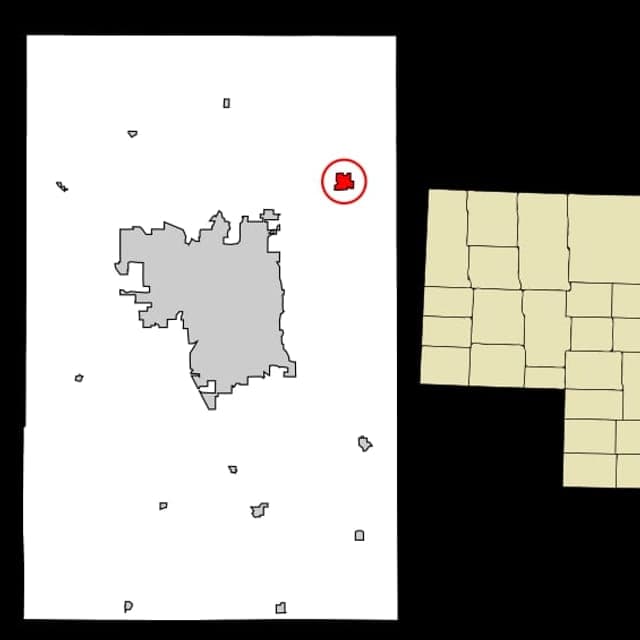
Most Conservative Cities in Nebraska

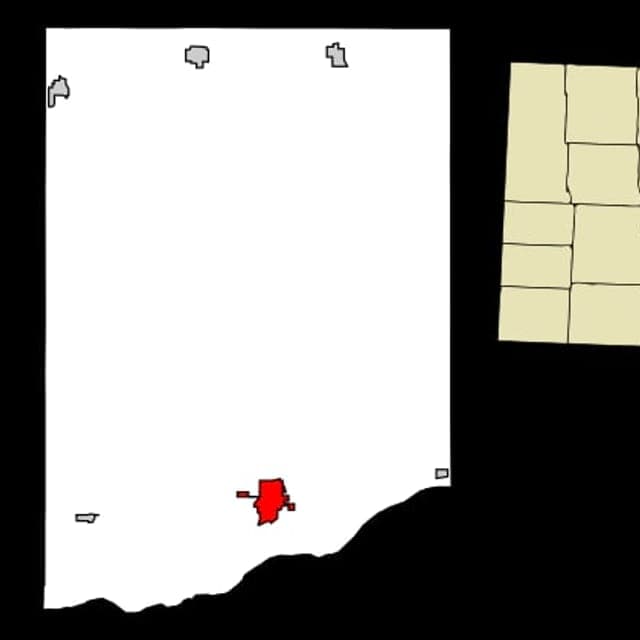
Most Liberal Cities in Nebraska
* Values derived from national, state, county, city and local statistics and may differ in a specific area. Last updated: 2026-04-18T23:38:45.000Z
Narrative content on this page is AI-generated and may contain mistakes. Verify any details that matter before acting on them.
ReloMaps may earn a commission from affiliate links at no extra cost to you.

