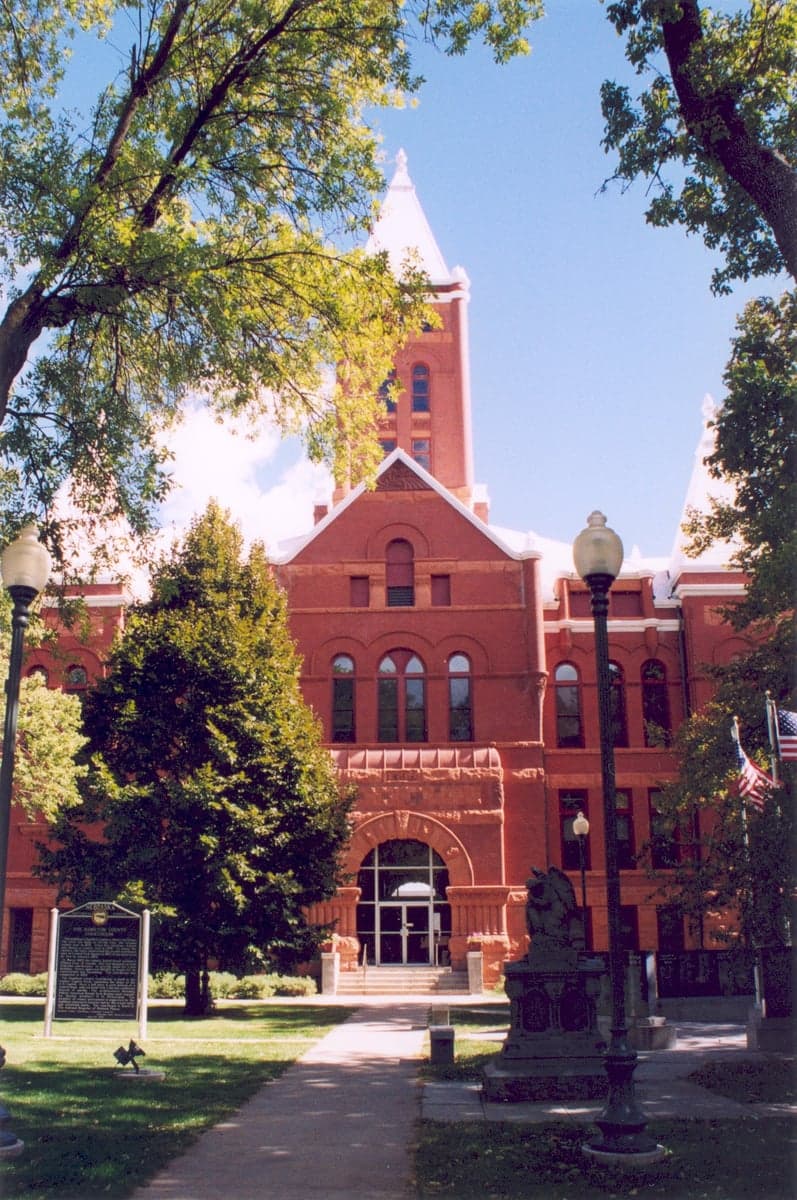
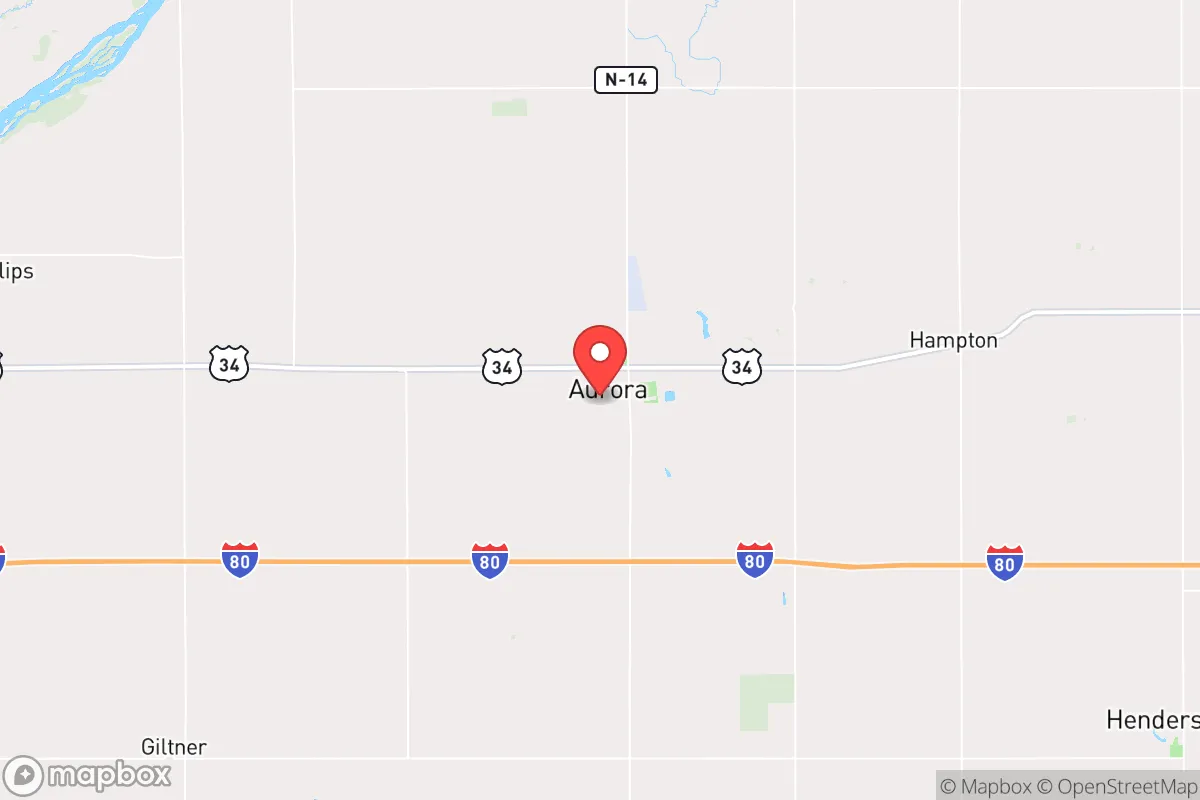
Photo: Wikipedia
Find The Best Places To Live
in Aurora
PRO TIP! You can paste a Zillow or Redfin link to get info on that property.
What It's Like Living in Aurora, NE
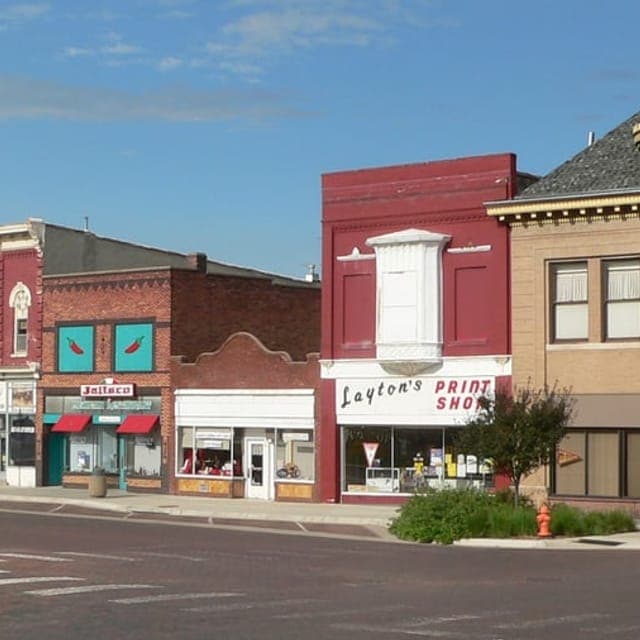
Aurora, Nebraska, population 4,665, feels like one of those places where the front porch is still a social hub and the high school football game on a Friday night is the main event. It’s a town that wears its agricultural roots and conservative values openly, where you’re more likely to hear about a neighbor’s new combine than a new coffee shop. Life here moves at a deliberate, unhurried pace, and the people who thrive are those who value community connection, low crime, and a cost of living that lets a single income support a family.
The Daily Rhythm: Work, School, and the Weekend
For most residents, the day starts early. The average commute is just over 19 minutes, which is a bit longer than you might expect for a town this size, but that’s because many people drive to jobs in nearby Grand Island or Hastings. The major local employers are in agriculture, manufacturing, and education—places like the Hamilton County School system and the region’s farm cooperatives. You’ll see a lot of pickup trucks in the high school parking lot, and a lot of folks in Carhartt jackets at the grocery store. Weekends are for yard work, church, and catching up with neighbors at the local diner or the town’s main street, which still has a classic, small-town feel. The median household income of $71,051 is solid for the area, and with a cost of living index of 70 (30% below the national average), that money goes a long way. You can buy a nice home for the median price of $221,700—something that would be a starter home in a big city feels like a permanent family home here.
Sports, Community, and the Social Fabric
High school sports are the heartbeat of Aurora. The Aurora Huskies are a big deal—football and basketball games draw the whole town, and the local bar and grill will be packed afterward. There’s no pro or college team to distract from it; this is the main show. The community rallies around the teams in a way that’s hard to find in larger places. Beyond sports, the town’s identity is tied to the Nebraska State Fair (held in Grand Island, just 20 minutes away) and the Hamilton County Fair, which brings in carnival rides, livestock shows, and a genuine sense of rural pride. For a quiet night out, locals head to Chances ‘R’ Restaurant & Lounge for a steak and a drink, or to the Aurora Theatre for a movie. There’s a bowling alley, a couple of parks, and the Platte River is close enough for fishing and kayaking. If you’re looking for a live music venue or a nightclub, you’ll be driving to Lincoln or Omaha—about an hour and a half each way.
Who Fits In—and Who Might Struggle
Aurora is a great fit for families, especially those who want their kids to grow up in a place where everyone knows their name. The median age of 39.6 is a bit older than the national average, reflecting a stable, settled population. It’s also a natural home for people in agriculture, manufacturing, or trades. The 29.7% college-educated rate is lower than the national average, but that’s not a knock—it’s a town where a skilled trade is respected as much as a four-year degree. Single individuals might find the social scene limited unless they’re deeply involved in church or community groups. The town is overwhelmingly conservative, and that’s a cultural fact, not a political opinion. If you’re looking for a place where you can leave your doors unlocked and your kids can bike to the park without worry, this is it. The violent crime rate of 148.1 per 100,000 is low, and property crime is similarly minimal.
Pros and Cons of Living in Aurora
- Pro: Genuine community. Neighbors help neighbors. If your car breaks down, someone will stop. If there’s a fundraiser, the whole town shows up.
- Pro: Affordability. A median home value of $221,700 and a cost of living 30% below the national average mean you can actually save money and own a home on a single income.
- Pro: Safety and simplicity. Low crime, good schools, and a pace of life that doesn’t feel rushed. The schools are a central part of the community, and parent involvement is high.
- Con: Limited entertainment. There’s no mall, no concert venue, no nightlife to speak of. You’ll drive an hour or more for a date night that isn’t dinner and a movie.
- Con: Weather extremes. Summers are hot and humid, winters are cold and windy, and spring brings tornado season. You’ll need a good snow shovel and a working air conditioner.
- Con: Lack of diversity. The population is overwhelmingly white and conservative. If you’re from a more diverse or liberal background, you may feel like an outsider.
The seasonal rhythm is real: fall is for football and harvest, winter is for hunkering down, spring is for planting and hoping the rain holds off, and summer is for county fairs and county roads. Traffic is essentially a non-issue—the biggest delay you’ll face is a tractor on the highway. For the right person, Aurora offers a life that’s stable, affordable, and deeply connected. For others, it might feel too quiet. But for those who value community over convenience, it’s a place that’s hard to leave.

Similar small towns to Aurora
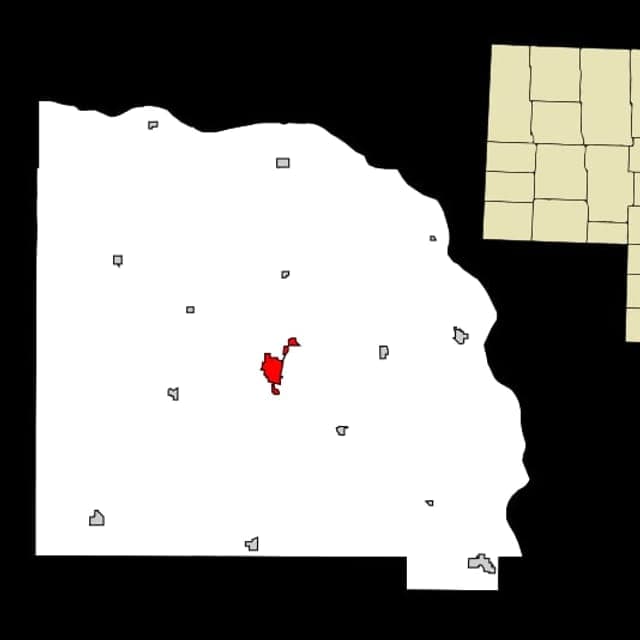

* Values derived from national, state, county, city and local statistics and may differ in a specific area. Last updated: 2026-04-21T13:45:23.000Z
Narrative content on this page is AI-generated and may contain mistakes. Verify any details that matter before acting on them.
ReloMaps may earn a commission from affiliate links at no extra cost to you.

