
Photo: Wikipedia
Quality of Life in Nevada
A livable area that tracks near national norms for affordability, walkability, and neighborhood health.
What does Quality of Life tell us?
Quality of Life measures an area by evaluating factors like cost of living, nearby amenities, country club access, airport proximity, socioeconomic signals and neighborhood character. For large states, this is a general average — quality of life can vary dramatically between metro areas, suburbs, and rural communities within the same state.
What does this tell us?
Quality of Life measures an area by evaluating factors like cost of living, nearby amenities, country club access, airport proximity, socioeconomic signals and neighborhood character. For large states, this is a general average — quality of life can vary dramatically between metro areas, suburbs, and rural communities within the same state.
Cost of Living
34% above national average
65%
The Real Cost of Living in Nevada for 2026
| Tier | Individual | Family (4) |
|---|---|---|
| Survival | $24k | $45k |
| Comfortable | $79k | $116k |
| Luxury | $136k+ | $212k+ |
| Elite (Top 5%) | $167k+ | $258k+ |
Quality-of-Life Analysis
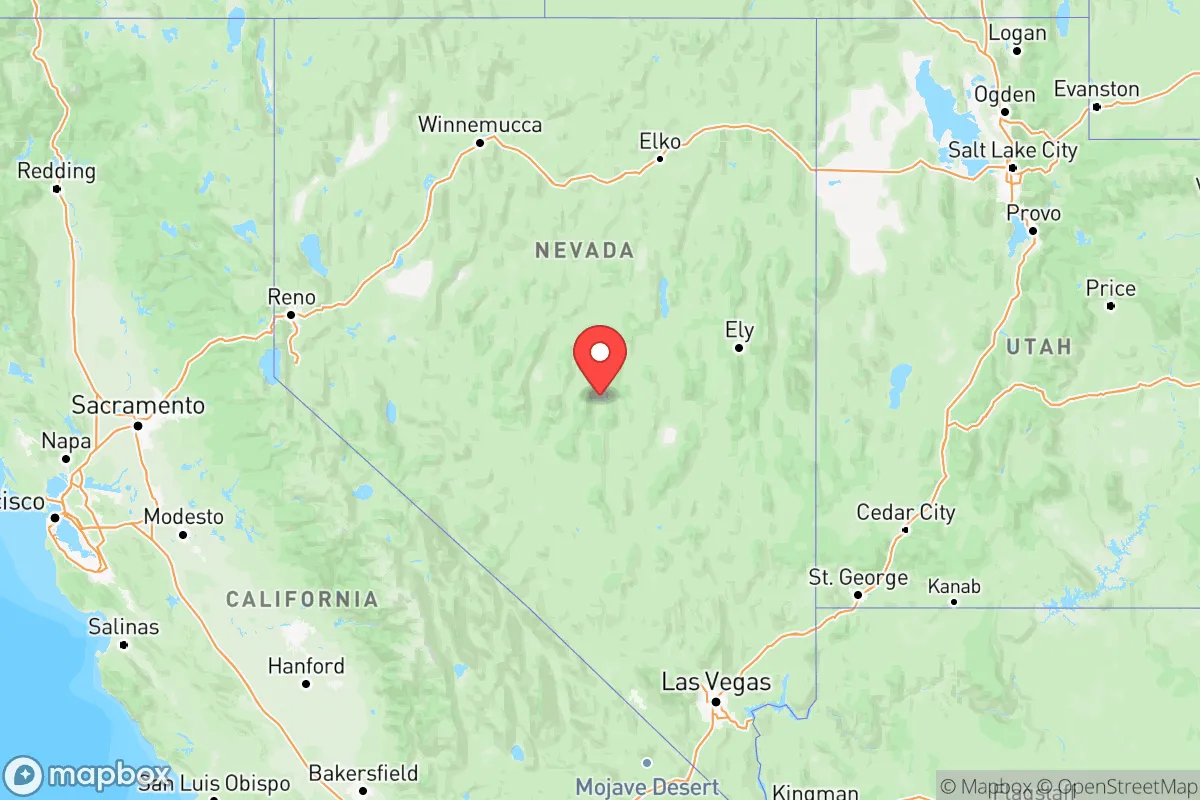
Nevada offers a remarkably broad spectrum of quality-of-life options, ranging from the 24-hour urban intensity of the Las Vegas Strip to the quiet, high-desert solitude of towns like Ely and Caliente. The state’s overall cost of living index sits at 134 (34% above the U.S. average), with a median home value of $406,100 and median rent of $1,489, but these averages mask extreme variation: a luxury penthouse in Las Vegas can cost over $1 million, while a three-bedroom home in rural Mineral County might sell for under $150,000. The average commute across the state is 24.8 minutes, though this figure is heavily skewed by the long drives in sprawling suburban areas like Henderson and the near-zero commutes in remote mining towns. Understanding which tier of Nevada living fits your budget, career, and lifestyle preferences is essential before making a move.
Major metros
If you’re looking for urban living, Nevada has two dominant metro areas: Las Vegas and Reno. Las Vegas is the state’s economic and population anchor, with a metro population exceeding 2.3 million. Its economy is famously driven by tourism, hospitality, and entertainment, but it also has growing sectors in logistics, healthcare, and technology (e.g., the Las Vegas Tech Hub). The city offers a dense, 24-hour lifestyle with world-class dining, shows, and nightlife, but also significant sprawl—commutes from suburbs like Summerlin or Henderson to the Strip can exceed 30 minutes. Reno, by contrast, is a smaller metro (about 500,000) with a more laid-back, outdoorsy vibe. Known as “the biggest little city in the world,” Reno has a growing tech and manufacturing base (including Tesla’s Gigafactory in nearby Sparks) and is a gateway to Lake Tahoe. Its downtown is more compact and walkable than Las Vegas, with a burgeoning arts scene and craft brewery culture. Both metros have above-average crime rates in certain neighborhoods, but affluent suburbs like Summerlin (Las Vegas) and West Reno offer high safety and top-rated schools.
Mid-size cities & college towns
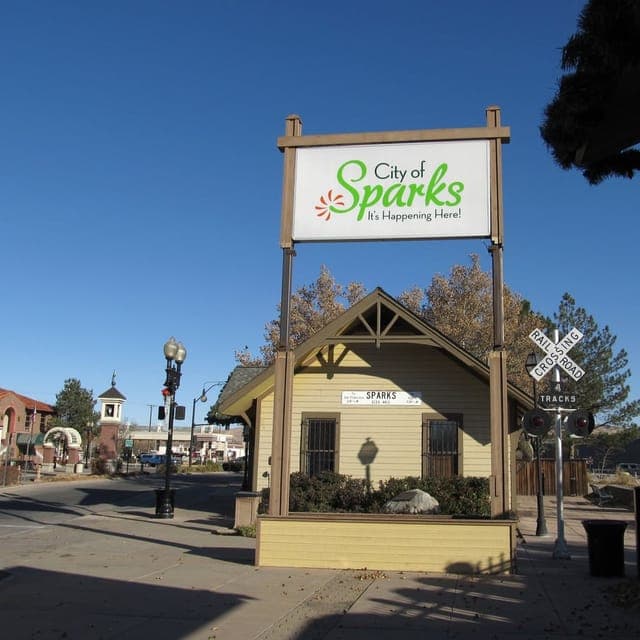
Nevada’s mid-size cities and college towns provide a balance of amenities and affordability. Henderson, effectively a large suburb of Las Vegas, is the state’s second-largest city (pop. 330,000) and offers a family-oriented, master-planned environment with excellent parks, low crime relative to Las Vegas, and a median home value around $480,000. Sparks, adjacent to Reno, is a blue-collar hub with a revitalized Victorian Square and a median home value closer to $420,000, appealing to workers in logistics and manufacturing. Carson City, the state capital, is a small city (pop. 58,000) with a stable government employment base, a historic downtown, and easy access to Lake Tahoe—its median home value is about $380,000. For college towns, Reno itself hosts the University of Nevada, Reno (UNR), while Las Vegas has UNLV. The only true standalone college town is Elko, home to Great Basin College, but it’s more of a rural hub than a classic university town. Boulder City, near Hoover Dam, is a unique mid-size option with strict zoning that bans gambling, giving it a quiet, small-town feel with a median home value around $450,000.
Small towns & rural areas
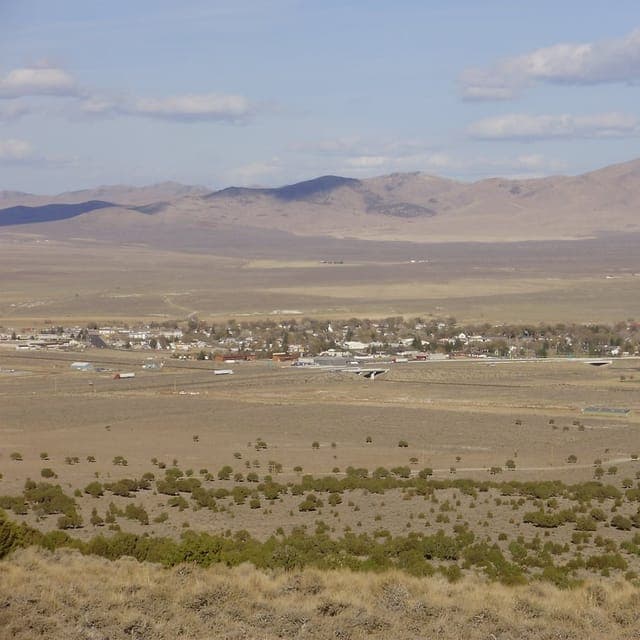
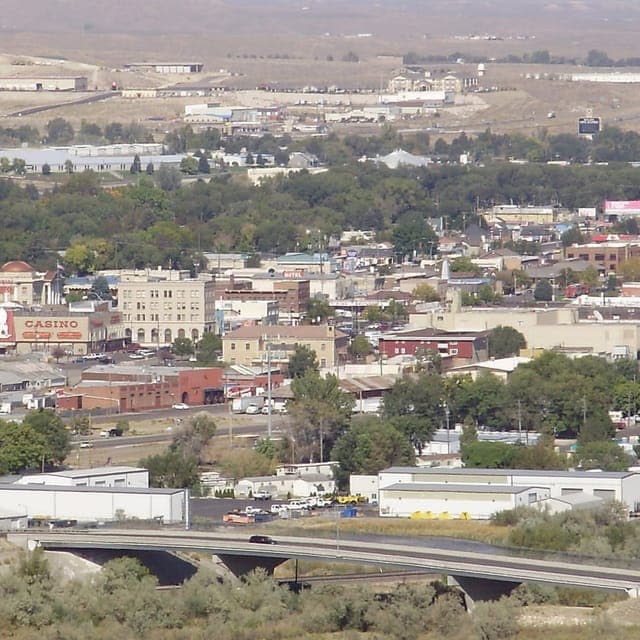
For those seeking solitude, wide-open spaces, and lower costs, Nevada’s small towns and rural areas offer a dramatically different pace. Ely (pop. 4,000) in White Pine County is a former mining town surrounded by national forest, with a median home value under $200,000 and a commute that rarely exceeds 10 minutes—ideal for remote workers or retirees who love hunting and fishing. Caliente (pop. 1,000) in Lincoln County is even more remote, with a median home value around $120,000 and a hot springs resort, but limited services and a 2-hour drive to the nearest Walmart. Winnemucca (pop. 7,500) in Humboldt County is a ranching and mining hub with a median home value of $250,000 and a strong sense of community, though summers are scorching and winters are harsh. Pahrump (pop. 36,000) is a fast-growing rural town 60 miles west of Las Vegas, offering cheaper land (median home value $310,000) and a slower pace, but with a 45-minute commute to Las Vegas for work. The rural counties of Mineral, Esmeralda, and Nye have the lowest costs in the state—median home values under $150,000—but also the fewest jobs, worst healthcare access, and highest poverty rates.
Luxury vs. affordable living
Nevada’s luxury enclaves are concentrated in the Las Vegas and Reno areas. Summerlin (Las Vegas) is the state’s premier upscale suburb, with median home values exceeding $600,000, gated communities, and the Red Rock Canyon as a backyard. Lake Tahoe’s Nevada side (Incline Village, Crystal Bay) is the most expensive area in the state, with median home values above $1.5 million and a resort lifestyle of skiing, boating, and hiking. West Reno and the Montreux Golf & Country Club area offer luxury homes in the $700,000–$1.2 million range with mountain views. On the affordable end, North Las Vegas has median home values around $350,000 and rents below $1,300, but higher crime rates and lower-rated schools. Rural towns like Lovelock (pop. 1,800) have median home values under $180,000, while McDermitt on the Oregon border has homes under $100,000. The most affordable urban option is downtown Reno’s older neighborhoods, where fixer-uppers can be found for under $300,000, though gentrification is pushing prices up.
The practical reality is that Nevada’s quality-of-life spectrum is defined by a trade-off between access and cost. Professionals in hospitality, tech, or logistics thrive in Las Vegas and Reno, where salaries are higher but housing is expensive. Remote workers and retirees can stretch their dollars in rural towns like Ely or Pahrump, but must accept limited healthcare, long drives for shopping, and extreme weather. Families often gravitate to Henderson or Sparks for good schools and safety, while luxury seekers choose Summerlin or Lake Tahoe. The cost-of-living spread is enormous: a one-bedroom apartment in Summerlin might cost $1,800, while a similar unit in Caliente could be $600. Understanding where you fall on this spectrum—and what you’re willing to sacrifice—is the key to a successful move to Nevada.

Crime in Nevada
Higher crime rates than 57% of comparable U.S. locations.
Violent CrimeViolent Crime Analysis
Property CrimeProperty Crime Analysis
Crime Analysis
Nevada's overall crime picture is mixed, with a violent crime rate of 371.5 per 100,000 residents and a property crime rate of 1,977.7 per 100,000. These figures place the state above the national average for both categories, though the distribution of crime is highly uneven across its urban and rural communities. The state's reputation as a high-crime area is largely driven by conditions in the Las Vegas metropolitan area, while smaller cities and towns often report significantly lower rates.
Crime in context
Nevada's violent crime rate of 371.5 per 100,000 is roughly 5% higher than the national average, while its property crime rate of 1,977.7 per 100,000 is about 15% above the U.S. median. The Las Vegas metropolitan area, including Las Vegas, North Las Vegas, and Henderson, accounts for the majority of reported offenses. Clark County, which contains these cities, has a violent crime rate that often exceeds 500 per 100,000 in its densest precincts. In contrast, Carson City and Reno report rates closer to the state average, while rural counties like Elko and White Pine see violent crime rates below 250 per 100,000. Property crime is especially concentrated in tourist-heavy areas, with vehicle theft and larceny from casinos and hotels being common in Las Vegas and Laughlin.
What residents experience
Residents in high-crime areas of Nevada frequently encounter property crimes such as burglary, vehicle break-ins, and package theft, particularly in neighborhoods near the Las Vegas Strip and downtown Reno. Violent crime, including aggravated assault and robbery, is more common in lower-income zip codes of North Las Vegas and parts of Sparks. A significant concern for many residents is the impact of progressive criminal justice policies in Clark County, where district attorneys and judges have increasingly adopted diversion programs and reduced sentencing for non-violent offenders. While these measures aim to reduce incarceration rates, they have led to higher recidivism and more repeat offenders on the streets, undermining public safety. For example, the Clark County District Attorney's office has been criticized for plea deals that allow violent offenders to avoid jail time, contributing to a perception that the justice system prioritizes offender rehabilitation over victim protection. This trend is less pronounced in more conservative jurisdictions like Elko County, where sentencing remains stricter and property crime rates are lower.
Neighborhood-level variation
Within the Las Vegas Valley, safety varies dramatically by neighborhood. Summerlin and Henderson consistently report violent crime rates below 250 per 100,000, making them among the safest large communities in the state. In contrast, parts of North Las Vegas and downtown Las Vegas see rates exceeding 600 per 100,000. In Reno, the southwest neighborhoods near the university are safer than the downtown corridor. Rural areas like Boulder City and Mesquite benefit from low population density and strong local law enforcement, with violent crime rates often under 200 per 100,000. Prospective residents should examine precinct-level data for their specific target neighborhood, as block-by-block differences can be substantial, especially in areas near major tourist corridors or public housing projects.
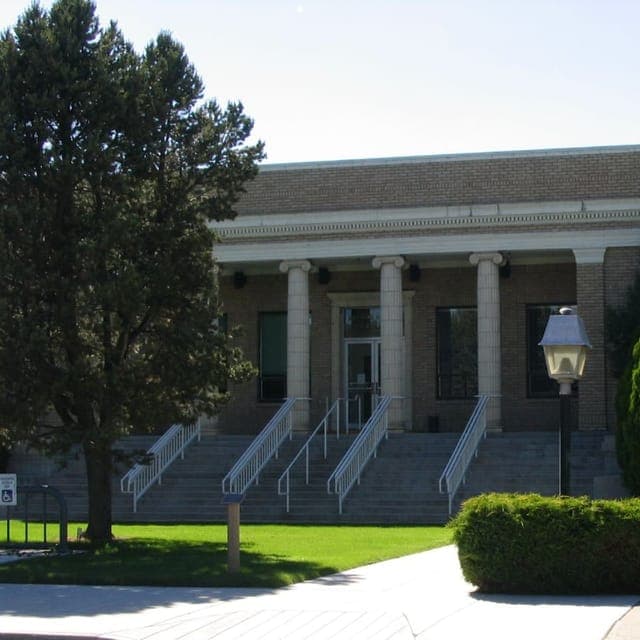
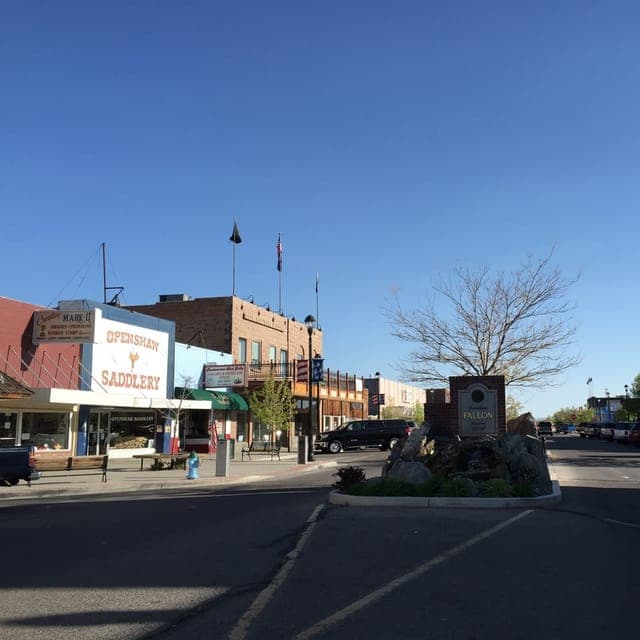
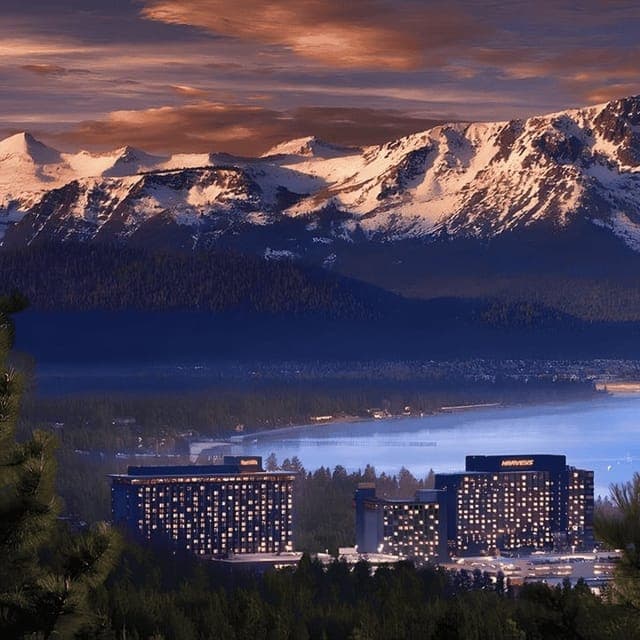
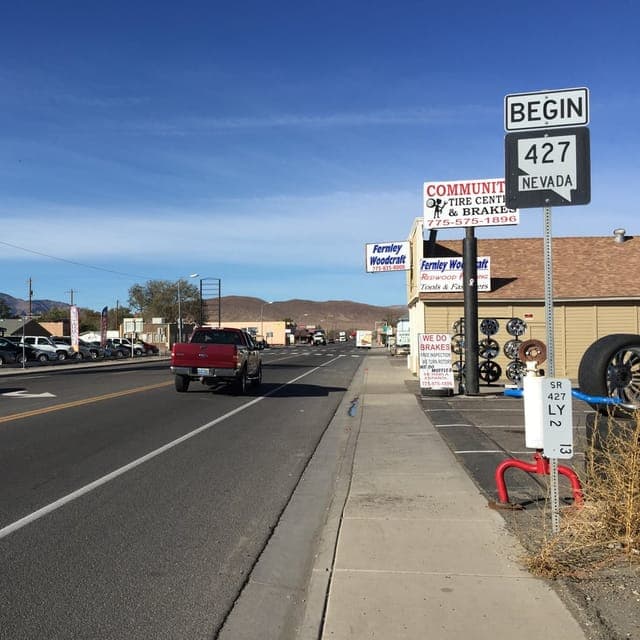
Top Cities for Quality of Life in Nevada

* Values derived from national, state, county, city and local statistics and may differ in a specific area. Last updated: 2026-04-16T01:51:34.000Z
Narrative content on this page is AI-generated and may contain mistakes. Verify any details that matter before acting on them.
ReloMaps may earn a commission from affiliate links at no extra cost to you.

