Photo: Wikipedia
Strategic Assessment of Nevada
Meaningful friction. Expect exposure to either population pressure, blast zones, or natural disaster risk. Consider buying a retreat property.
What does the Strategic Assessment tell us?
Our Strategic Assessment grades tactical survivability of an area. Major population centers, military targets, fallout zones, natural disasters, and border exposure all drive risk — lower exposure means a more defensible position in a crisis.
This is heavily inspired by Joel Skousen's Strategic Relocation book. Highly recommended you checkout the book ($)What does this tell us?
Our Strategic Assessment grades tactical survivability of an area. Major population centers, military targets, fallout zones, natural disasters, and border exposure all drive risk — lower exposure means a more defensible position in a crisis.
This is heavily inspired by Joel Skousen's Strategic Relocation book. Highly recommended you checkout the book ($)Regional Safe Places
Below is our recommended "safe zones" in Nevada and the surrounding area based on our strategic heuristics. For most people, it's unrealistic to live in a “safe zone” full-time due to work, family or other personal reasons. They tend to be more rural. However, many of these areas are perfect for second homes and retreat properties that double as a vacation home or even a short-term rental.
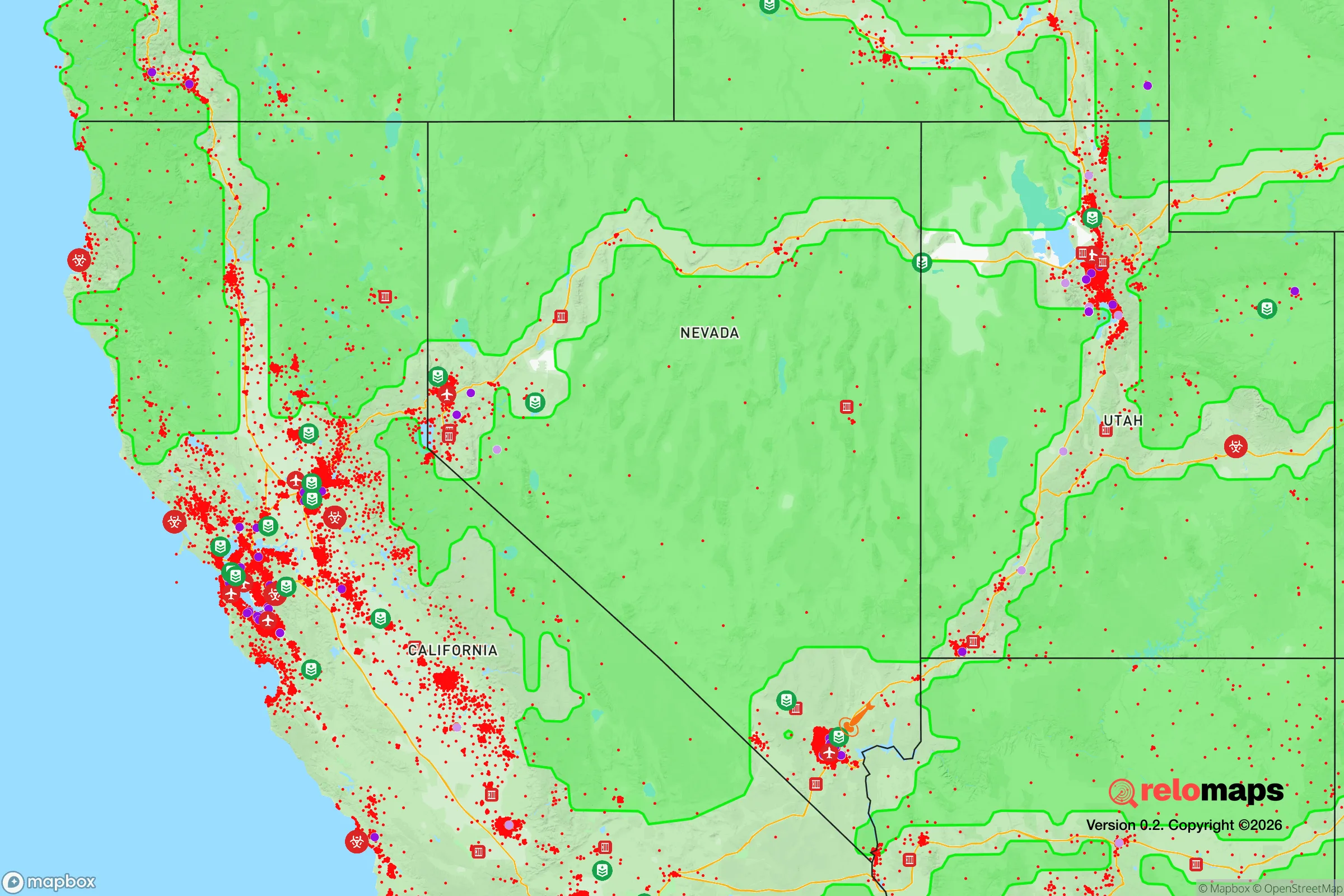
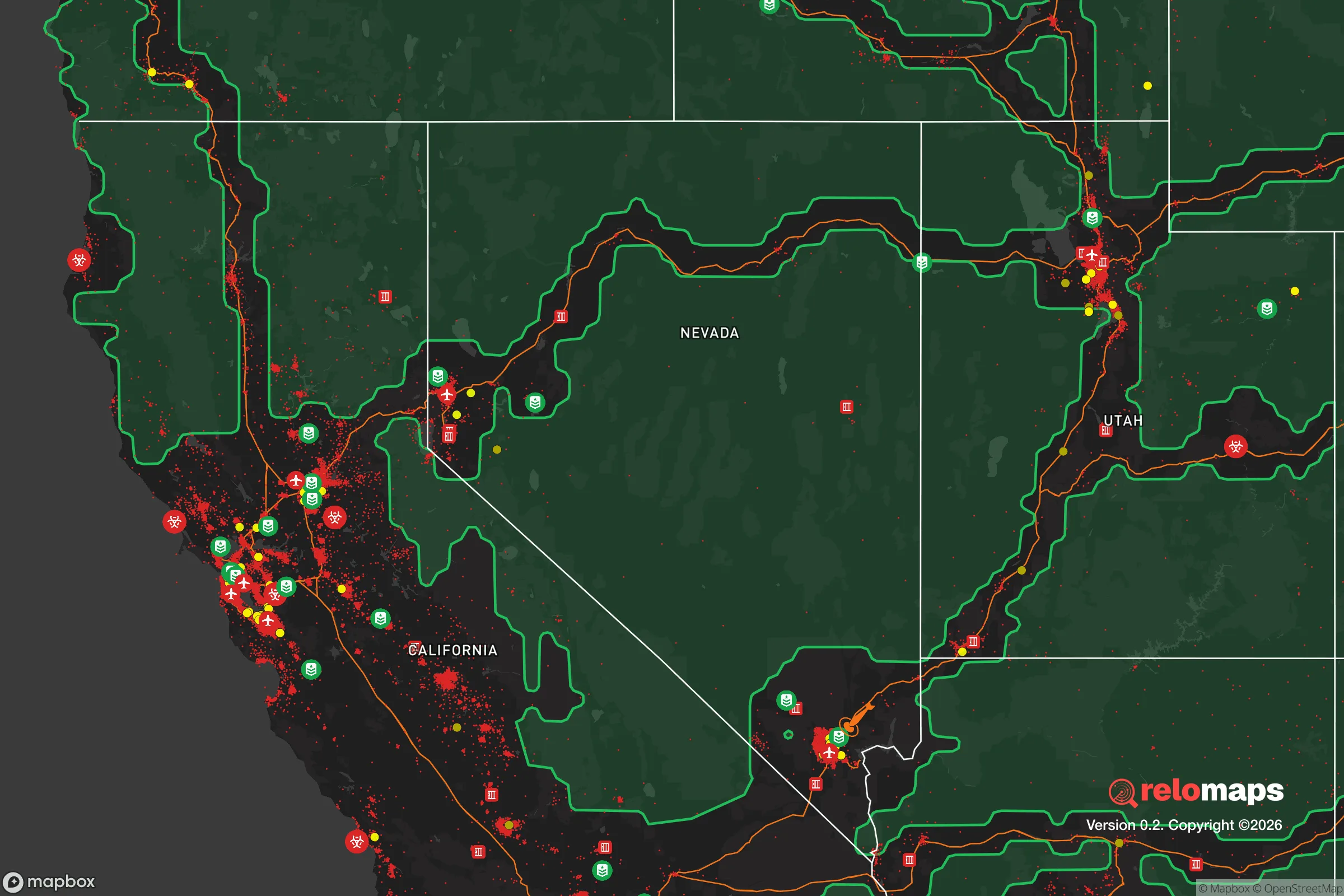


Important Note: For informational purposes only. This does not mean nothing bad ever happens in the green zones. Please use common sense. This is based on public data and modeled with AI. We tried to take a conservative approach but mistakes happen. We update this regularly as new information becomes available.
Solar Generator Recommendations
Backup power matters more here than in safer locations. We've picked three solar generators across budgets and capacity tiers — start with the budget unit if you only need a few essentials, or step up if you want to run a fridge and HVAC for days at a time.

Jackery Portable Power Station Explorer 300
Budget OptionPower on the Go: Weighing only 11 lbs, it's convenient to set up and store with book-sized foldable solar panels

BLUETTI Portable Power Station AC180
Designed for both indoor and outdoor scenarios, AC180 is highly capable as it has a robost capacity and continuous output power.

EF ECOFLOW DELTA Pro Ultra Power Station
Upgraded PickEcoFlow DELTA Pro Ultra is a whole-home energy system designed to grow with your family. Integrated with the Smart Home Panel 2, it scales to meet your evolving energy needs — keeping your home powered, intelligent, and secure through every stage of life.
We earn a commission, at no additional cost to you.
Strategic Assessment Analysis
Nevada offers a unique strategic position for those prioritizing resilience and distance from the most likely flashpoints of civil unrest or mass casualty events. The state’s vast, sparsely populated interior—places like Elko, Winnemucca, and rural Nye County—provide a buffer from the coastal population centers that are most vulnerable to cascading failures. While Las Vegas and Reno are obvious risks due to their density and reliance on tourism, the rest of Nevada functions as a natural redoubt, with low population density, limited critical infrastructure targets, and a culture that leans heavily toward self-reliance and firearm ownership. For a relocator with a prepper mindset, the key is understanding which parts of the state offer genuine strategic depth and which are simply high-desert suburbs of the same vulnerable systems.
Geographic position and natural advantages for long-term survival
Nevada’s geography is its strongest asset for a survivalist relocation. The state sits in the rain shadow of the Sierra Nevada, meaning most of it is high desert—arid, but with fewer natural disaster risks than coastal or tornado-prone regions. The Basin and Range topography creates hundreds of isolated valleys, many with their own water sources, which makes them naturally defensible and hard to access without local knowledge. The area around Eureka and White Pine County offers some of the most remote terrain in the lower 48, with limited road networks that can be monitored or blocked if needed. The Ruby Mountains near Elko provide a rare alpine water source and forest cover, a significant advantage for off-grid living. Unlike the crowded Front Range or the Pacific Northwest, Nevada’s interior lacks major choke points—no single highway or rail line that, if disrupted, would collapse the region’s supply chain. This geographic isolation is a double-edged sword, however: it also means that if you’re not self-sufficient, resupply is difficult.
Risks, exposures, and proximity to fallout-relevant landmarks
The most significant risk for a Nevada relocator is proximity to the Nevada National Security Site (NNSS)—formerly the Nevada Test Site—located about 65 miles northwest of Las Vegas. While the site is no longer conducting atmospheric tests, it remains a high-value target for any adversary seeking to disrupt U.S. nuclear capabilities or create a radiological event. The area around Mercury, NV (the NNSS’s main base) and the adjacent Yucca Mountain nuclear waste repository is a potential fallout zone if either facility were compromised. Additionally, Interstate 15 running from Las Vegas to Salt Lake City is a critical logistics corridor; a mass casualty event or EMP attack on that route could isolate southern Nevada from the rest of the country. The Hoover Dam at the Arizona-Nevada border is another obvious target—its destruction would not only flood the Colorado River valley but also knock out power to millions, including Las Vegas. For a conservative relocator, the lesson is clear: avoid the Las Vegas Valley and the I-15 corridor. The safest zones are north of Tonopah and east of the Sierra Nevada, where the target density drops dramatically.
Practical resilience for a relocator: food, water, energy, and defensibility
Water is the single biggest challenge in Nevada. The state is the driest in the nation, and most of its groundwater is already allocated to mining, agriculture, or Las Vegas via the Southern Nevada Water Authority. For a relocator looking at off-grid living, this means you cannot rely on a well in many areas—especially in the southern half of the state—without deep drilling and legal permits. The Snake Valley near the Utah border and the Meadow Valley Wash south of Caliente are two of the few areas with reliable shallow aquifers. Food production is limited by the short growing season and alkaline soils, but high-tunnel greenhouses and drought-tolerant crops (like amaranth and tepary beans) can work in the northern valleys. Energy is a bright spot: Nevada has abundant solar and geothermal potential. The Steamboat Springs geothermal area near Reno and the Dixie Valley in Churchill County offer consistent baseload power for a small community. Defensibility is excellent in the interior—the Toiyabe Range and Monitor Range create natural barriers, and the lack of major highways means any approach by a hostile group would be funneled through a few passes. The state’s strong gun culture and low crime rates in rural counties (Nye, Lander, and Eureka counties have violent crime rates below 200 per 100,000) mean that a well-armed community can maintain order without relying on distant law enforcement.
The overall strategic picture for Nevada is one of high reward paired with high preparation requirements. The state offers some of the best natural defensibility and lowest population density in the West, but it demands that a relocator bring their own water solution, energy infrastructure, and food production knowledge. The areas north of US-50—the "Loneliest Road in America"—are where the strategic value peaks: places like Austin, NV or Ely sit far from any major target, with access to public lands for hunting and foraging. The trade-off is isolation from supply chains and medical care, which is acceptable for a prepared individual or family but risky for those who need regular resupply. For the conservative relocator who values self-sufficiency and wants to be out of range of the most likely fallout zones and civil unrest hotspots, Nevada’s interior is a strong contender—provided you treat the move as a full lifestyle shift, not just a change of address.

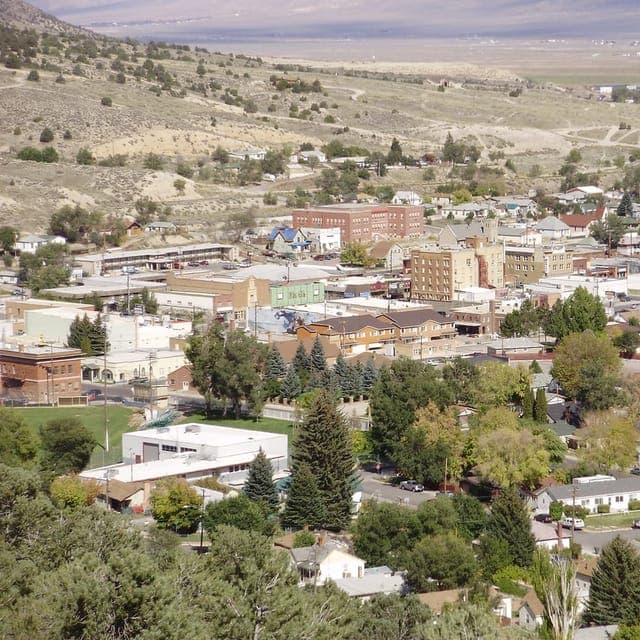
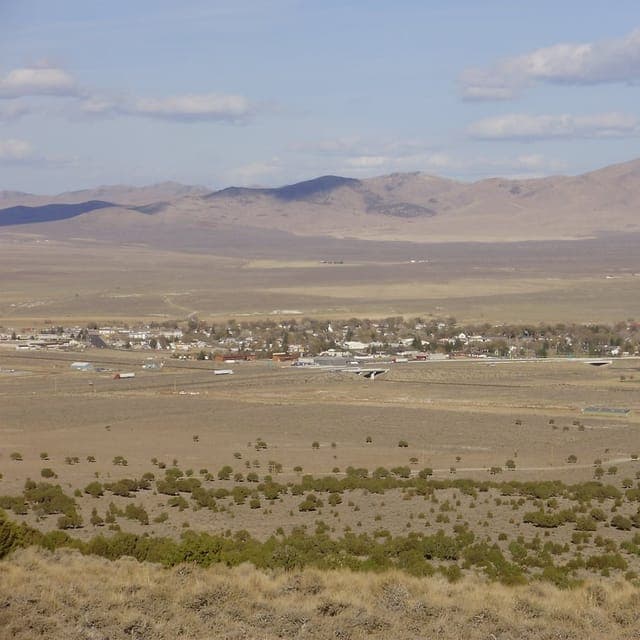
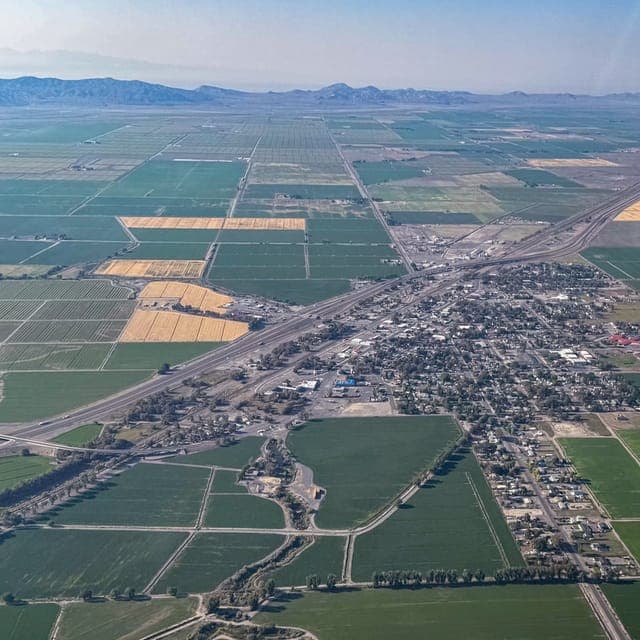
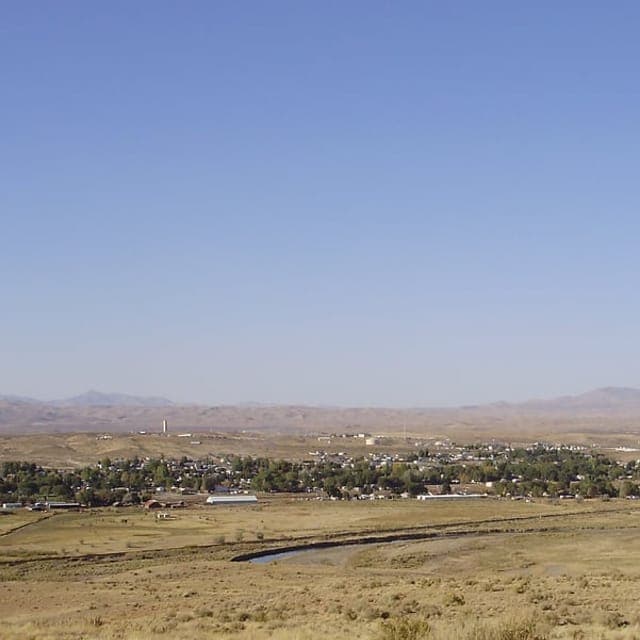
Top 10 Cities by Strategic Assessment in Nevada
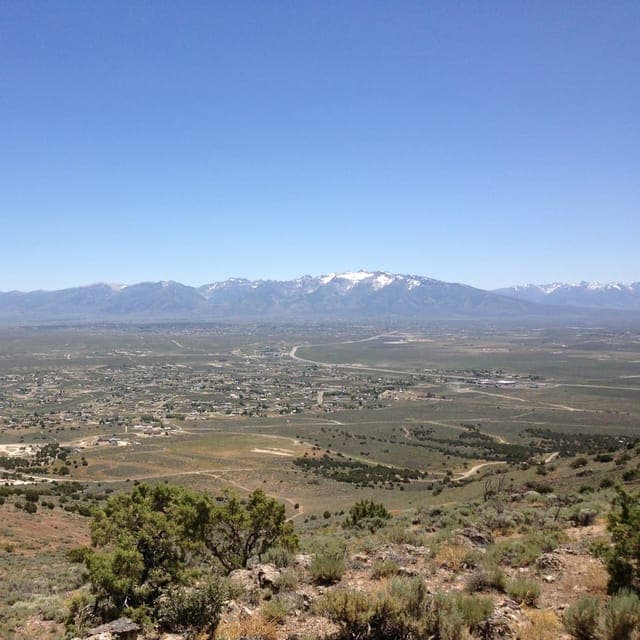
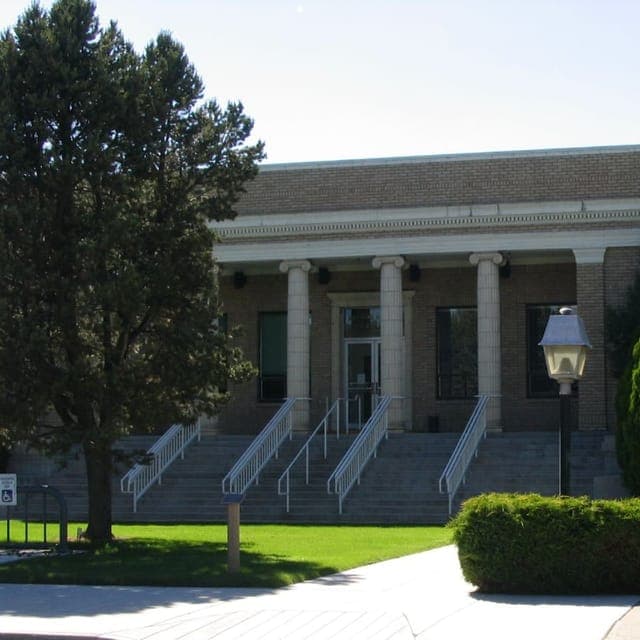
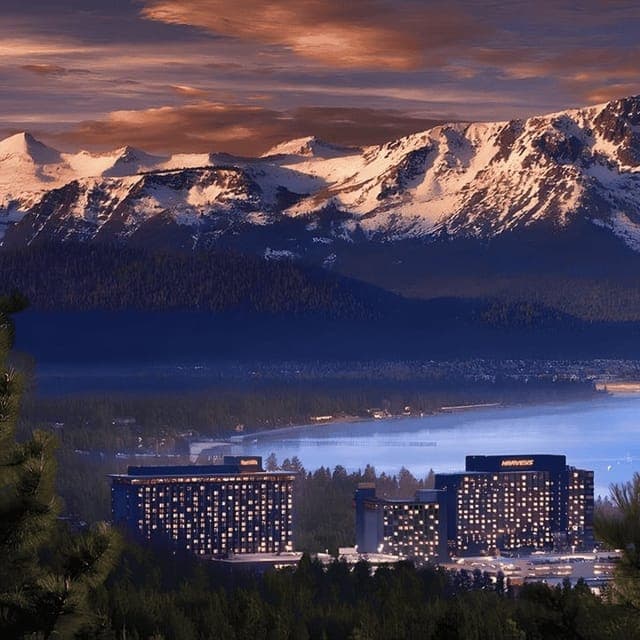
* Values derived from national, state, county, city and local statistics and may differ in a specific area. Last updated: 2026-04-16T01:51:34.000Z
Narrative content on this page is AI-generated and may contain mistakes. Verify any details that matter before acting on them.
ReloMaps may earn a commission from affiliate links at no extra cost to you.

