Photo: Wikipedia
Find The Best Places To Live in Sullivan County
PRO TIP! You can paste a Zillow or Redfin link to get info on that property.
Best Places to Live in Sullivan County
Cities & Towns in Sullivan County
Cities in Sullivan County
What It's Like Living in Sullivan County, NH
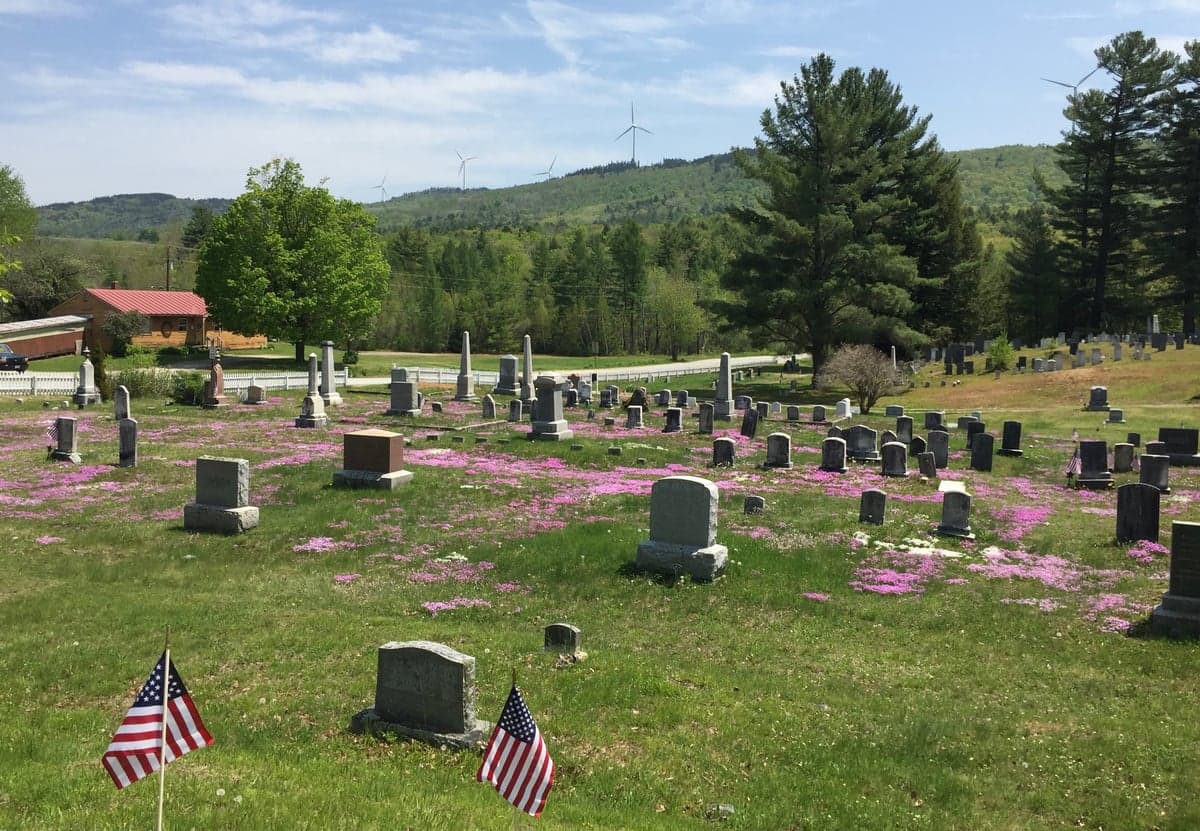
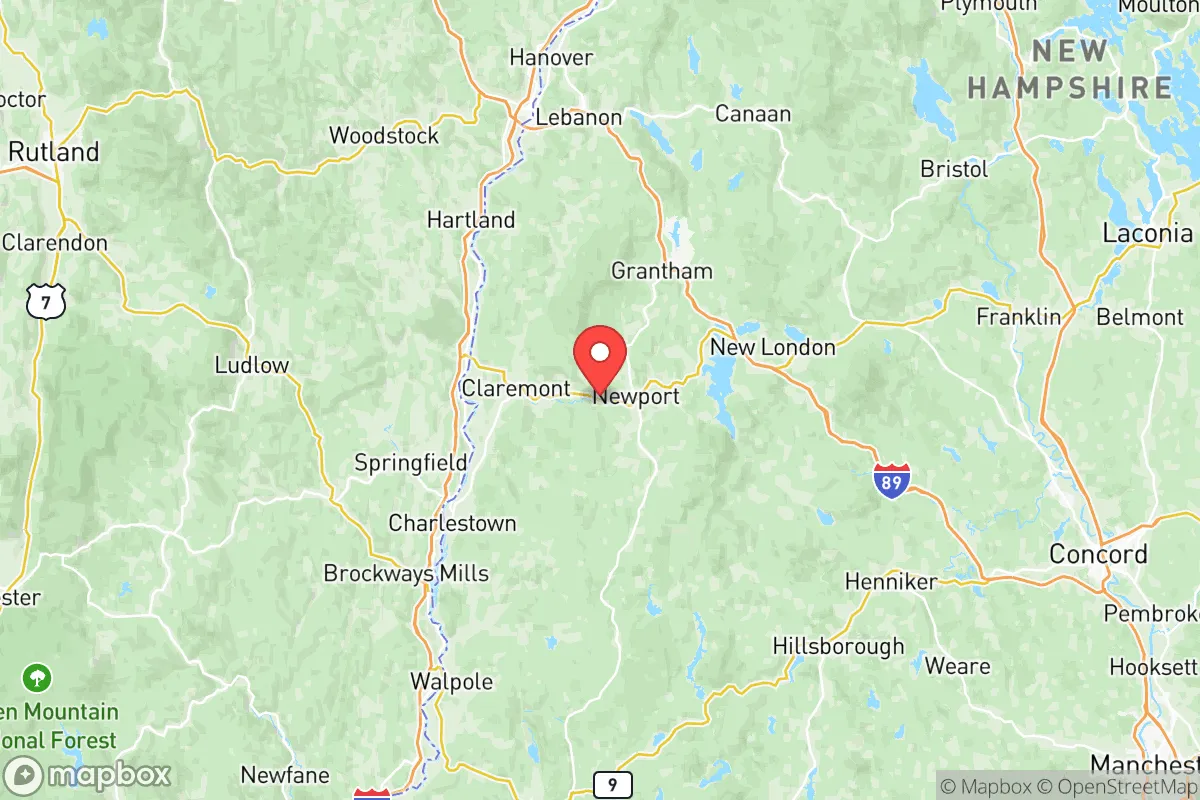
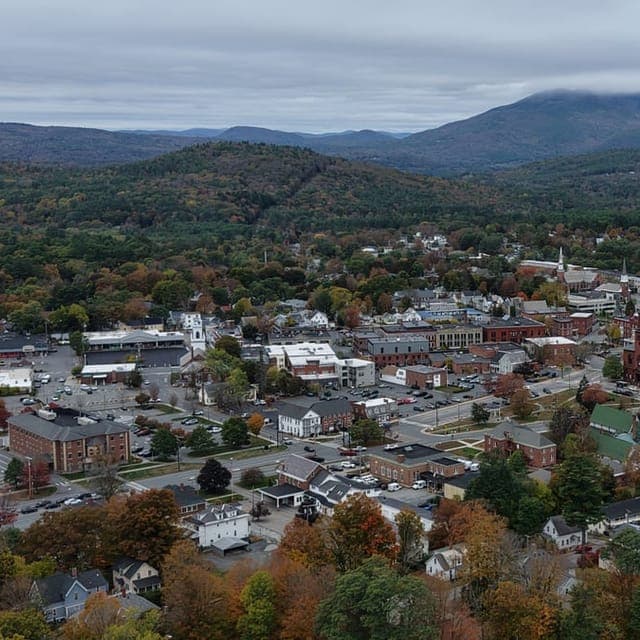
Living in Sullivan County, New Hampshire, feels like stepping into a version of New England that still moves at a human pace. The county’s largest city, Claremont, anchors the western edge along the Connecticut River, while towns like Newport, Sunapee, and Charlestown each carry their own distinct character. With a population just over 43,500 spread across a mix of small cities, villages, and rural stretches, this is a place where you know your neighbors, where Friday-night high school football is a genuine event, and where the cost of living actually lets you breathe. It’s not flashy, but for the right person—especially someone looking for affordability, safety, and a slower rhythm—it’s hard to beat.
The Pace of Life in Sullivan County
Most days here follow a predictable, comfortable cadence. People commute an average of about 26 minutes—short enough to feel manageable, long enough to separate work from home. Many residents work in Claremont’s manufacturing and healthcare sectors, or they drive east to Lebanon or south to Keene for jobs. The median household income sits at $75,929, which goes further here than in much of the country because the cost of living index is 93—seven points below the national average. A median home value of $236,300 means a young family or a single person can actually buy a house without stretching into six-figure debt. That’s a big draw for people priced out of the Seacoast or the Boston exurbs.
Weekends revolve around the seasons. In summer, Lake Sunapee draws crowds from across the region—boating, swimming, and the Sunapee Harbor boardwalk are the social hubs. In winter, Mount Sunapee Resort offers skiing and snowboarding that feels a world away from the crowds of the White Mountains. Fall brings leaf-peeping drives through Unity and Lempster, and the annual Claremont Fall Festival packs Main Street with craft vendors and live music. For everyday errands, Claremont has the big-box stores and chain restaurants, while Newport’s downtown has a more independent feel—places like the Salt Hill Pub and the Opera House, which hosts concerts and community theater. Charlestown’s Fort at No. 4 gives history buffs a living-history experience of the French and Indian War era.
Sports, Seasons, and Small-Town Pride
High school sports are the main event here. Stevens High School in Claremont and Newport High School both have loyal followings for football, basketball, and soccer. Friday nights in the fall, you’ll see parents, grandparents, and even childless neighbors filling the bleachers—it’s one of the few social gatherings that reliably brings the whole county together. There’s no pro team within an hour, but that doesn’t matter; the local rivalries feel just as intense. For outdoor enthusiasts, the county’s network of rail-trails, like the Sugar River Trail, offers miles of biking and walking through wooded corridors. Hunters and anglers find plenty of public access along the Connecticut River and in the state forests around Acworth and Grantham.
The median age here is 47.3, which skews older than the national average. That means the community tends to be quieter, more settled, and less transient. You’ll find a mix of empty-nesters, remote workers who moved up from Massachusetts, and families who’ve been in the same town for generations. The 30.5% college-educated rate is below the national average, but that’s partly because many tradespeople and small-business owners thrive here without a four-year degree. The culture is practical, self-reliant, and generally conservative—people take pride in their property, their town, and their independence.
What You’ll Love (and What Might Drive You Nuts)
Let’s start with the upsides. The violent crime rate is 116.3 per 100,000—well below the national average—so parents feel comfortable letting kids ride bikes around town. The cost of living lets you save or spend on what matters, whether that’s a boat on Sunapee or a workshop in your backyard. The natural beauty is genuine: rolling hills, lakes, and forests that change dramatically with each season. And the sense of community is real—when someone’s barn burns down or a family hits a rough patch, neighbors organize fundraisers without a second thought.
Now the downsides. Job opportunities are limited, especially for professionals in tech or finance. Many residents commute to Lebanon or Hanover for work at Dartmouth-Hitchcock Medical Center or the college. Winters are long and can feel isolating—snow piles up from December through March, and the short days test your tolerance for darkness. Entertainment options are sparse; if you want a concert by a national act or a trendy restaurant scene, you’re driving an hour to Concord or two hours to Boston. Singles in their twenties and thirties sometimes find the social scene thin, especially in the more rural towns like Lempster or Unity. And while the schools are decent, they’re not the draw that wealthier New Hampshire counties can offer—parents often supplement with extracurriculars or consider private options.
Overall, Sullivan County works best for people who value peace, affordability, and a close-knit community over career intensity and urban nightlife. It’s a place where you can actually own a home, raise kids without constant worry, and spend your weekends on the lake or in the woods. If that sounds like your kind of life, you’ll fit right in.

* Values derived from national, state, county, city and local statistics and may differ in a specific area. Last updated: 2026-05-14T20:13:37.000Z
Narrative content on this page is AI-generated and may contain mistakes. Verify any details that matter before acting on them.
ReloMaps may earn a commission from affiliate links at no extra cost to you.

