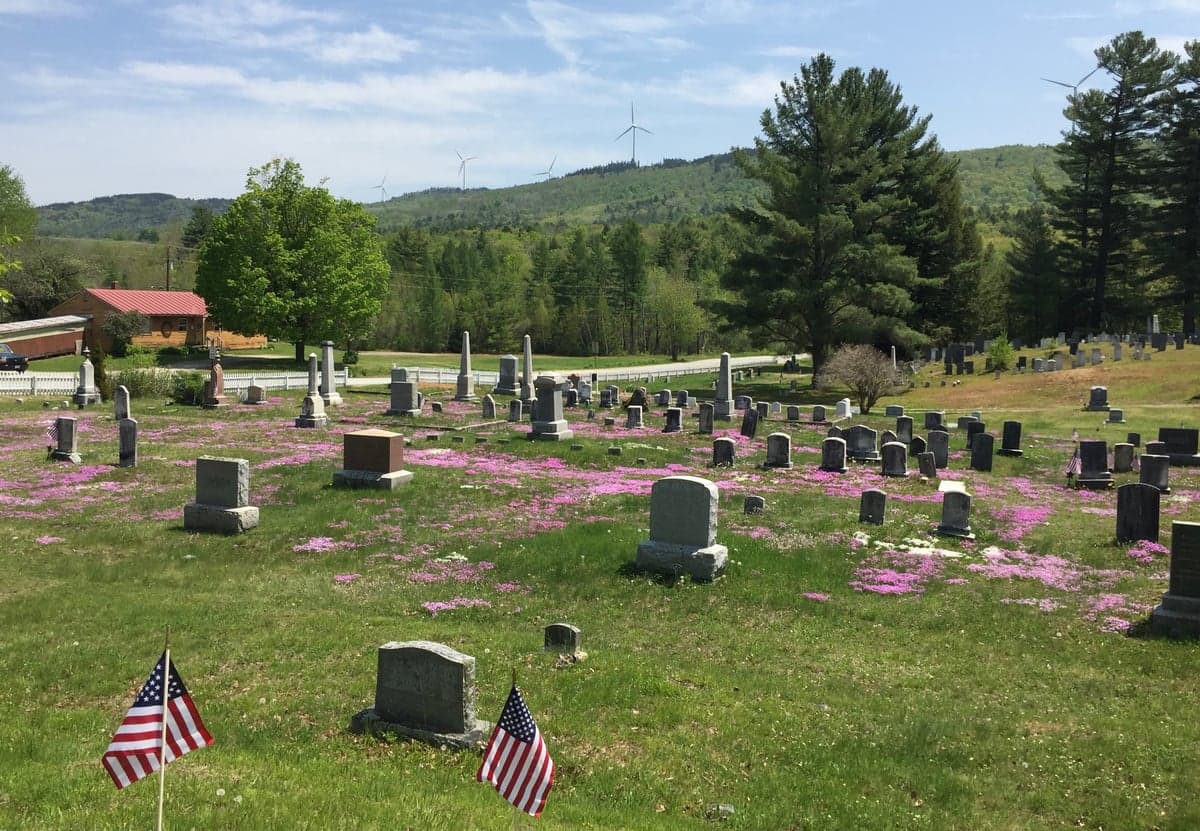
Photo: Wikipedia
Quality of Life in Sullivan County
A livable area that tracks near national norms for affordability, walkability, and neighborhood health.
What does Quality of Life tell us?
Quality of Life measures an area by evaluating factors like cost of living, nearby amenities, country club access, airport proximity, socioeconomic signals and neighborhood character. For large states, this is a general average — quality of life can vary dramatically between metro areas, suburbs, and rural communities within the same state.
What does this tell us?
Quality of Life measures an area by evaluating factors like cost of living, nearby amenities, country club access, airport proximity, socioeconomic signals and neighborhood character. For large states, this is a general average — quality of life can vary dramatically between metro areas, suburbs, and rural communities within the same state.
Cost of Living
7% below national average
113%
The Real Cost of Living in Sullivan County for 2026
| Tier | Individual | Family (4) |
|---|---|---|
| Survival | $18k | $35k |
| Comfortable | $46k | $67k |
| Luxury | $137k+ | $213k+ |
| Elite (Top 5%) | $169k+ | $261k+ |
Quality-of-Life Analysis
Sullivan County, New Hampshire offers a broad quality-of-life spectrum from the mill-town affordability of Claremont to the lakefront resort communities of Sunapee and Grantham, with a countywide cost of living index of 93. The county attracts a mix of remote workers seeking lower housing costs, second-home buyers drawn to Lake Sunapee, and families looking for rural schools and commuter access to the Upper Valley. With a median home value of $236,300 and median rent of $1,159, the county remains one of the more affordable in the state, though prices vary sharply between its population centers and its recreational lake areas.
Largest town(s) & population centers
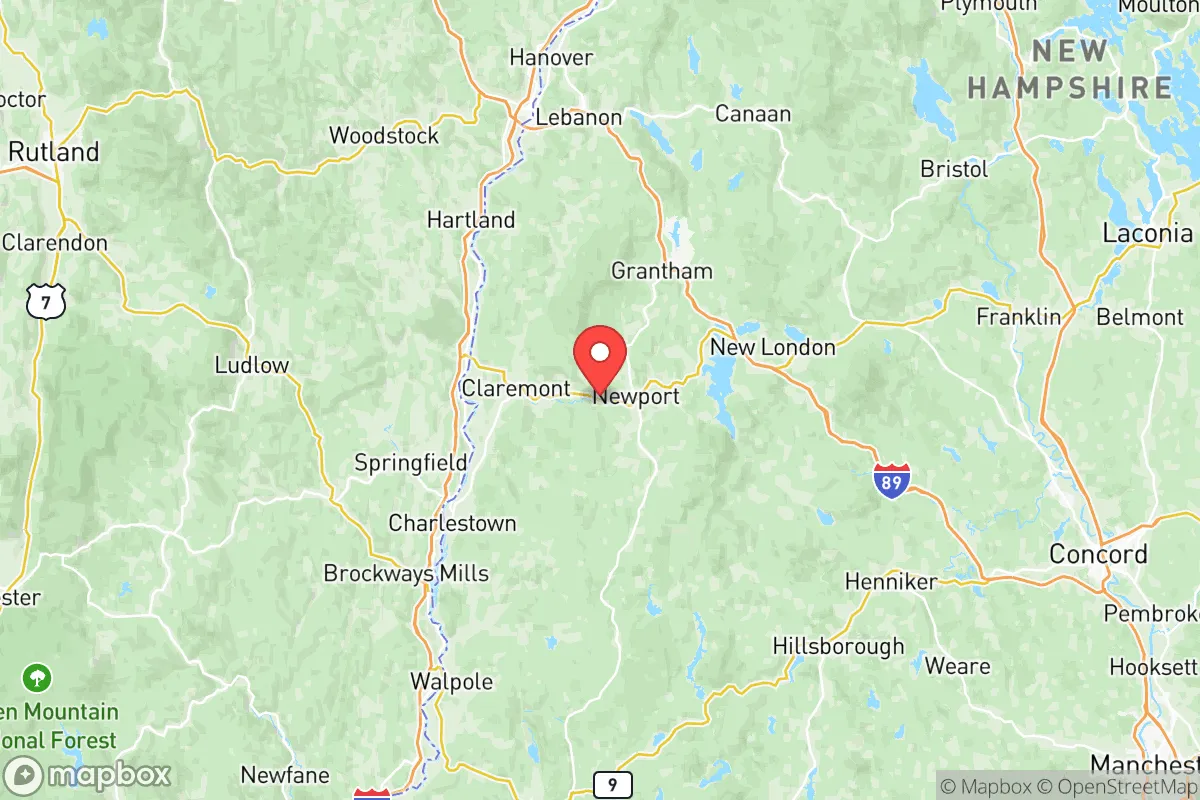
Claremont, the county's largest city (population ~13,000), anchors the southern end of Sullivan County along the Connecticut River. Daily life here centers on a walkable downtown with historic brick mills, a growing number of small breweries and cafes, and the Sugar River Valley Rail Trail. Claremont's housing stock is older and more affordable than the county average, with many fixer-uppers under $200,000. Newport, the county seat (population ~6,300), sits at the junction of I-89 and NH Route 103. It offers a compact downtown with the county courthouse, a weekly farmers market, and easy access to Lake Sunapee. Both towns have typical small-city amenities: grocery stores, hardware stores, a hospital (Valley Regional Hospital in Claremont), and public schools that serve as community hubs. The average commute of 25.9 minutes reflects that many residents work within the county or drive 20–30 minutes to larger employment centers like Lebanon or Concord.
Smaller towns & rural pockets
North and east of the population centers, towns like Unity, Lempster, Goshen, and Acworth offer deep rural living with populations under 2,000. Unity is largely agricultural, with dairy farms and open fields along NH Route 103. Lempster is known for its mountain views and the Lempster Wind Farm, while Goshen sits at the edge of the Sunapee region with large forest tracts and seasonal homes. Plainfield and Cornish, along the Connecticut River, blend rural character with proximity to the Upper Valley's employment base (Dartmouth-Hitchcock Medical Center is about 20 minutes from Plainfield). Croydon and Springfield are sparsely populated, with volunteer fire departments, one-room schoolhouses in some cases, and limited commercial services. These towns appeal to residents who prioritize privacy, land, and low property taxes (the county's median property tax rate is roughly $20 per $1,000 of assessed value, though rates vary by town).
Cost & lifestyle range
The cost-of-living spread in Sullivan County is wide. At the lower end, Claremont and Newport offer median home values well below the county average — often in the $180,000–$220,000 range for a single-family home — and rental vacancy rates that are slightly higher than the state average. At the upper end, Sunapee and Grantham (both on Lake Sunapee) have median home values exceeding $400,000, driven by waterfront properties and second-home demand. Sunapee Harbor is a seasonal tourist destination with restaurants, a marina, and access to Mount Sunapee Resort for skiing and hiking. Grantham's Eastman community is a gated lake-and-golf development with its own amenities. Between these poles, towns like Charlestown and Langdon offer a middle ground: modest homes on larger lots, with commute times to Claremont or Lebanon of 15–25 minutes. Renters in the county pay a median of $1,159 per month, with the cheapest units concentrated in Claremont and the priciest in Sunapee and Grantham.
People who thrive in Sullivan County are those comfortable with a self-reliant lifestyle — whether that means renovating an older home in a mill town, maintaining acreage in a rural township, or investing in a lakefront retreat. The county's mix of affordable entry points and premium recreational enclaves means it serves both first-time buyers and seasonal residents, all within a short drive of the Upper Valley's medical and educational resources. The 25.9-minute average commute underscores that most daily needs are met locally, while larger cities remain accessible for specialized services and employment.

Crime in Sullivan County
Lower crime rates than 82% of comparable U.S. locations.
Violent CrimeViolent Crime Analysis
Property CrimeProperty Crime Analysis
Crime Analysis
Sullivan County, New Hampshire, reports a violent crime rate of 116.3 per 100,000 residents and a property crime rate of 817.2 per 100,000 — figures that place it among the safer rural counties in the state. While no community is crime-free, the county’s overall safety profile is well below national averages, though localized hotspots and judicial trends warrant attention from prospective residents.
Crime in context
Nationally, the violent crime rate hovers near 380 per 100,000, making Sullivan County’s rate roughly 70% lower than the U.S. average. Property crime nationally runs about 1,950 per 100,000, so the county’s 817.2 figure is also significantly below the national benchmark. Within New Hampshire, Sullivan County’s violent crime rate is slightly above the state average of roughly 100 per 100,000, while its property crime rate is near the middle of the pack — higher than rural Coös County but lower than more urbanized Hillsborough County. The county’s largest town, Claremont, accounts for a disproportionate share of reported incidents, particularly theft and vandalism. By contrast, smaller communities such as Newport and Charlestown see fewer violent offenses, though property crime can spike seasonally with tourist traffic around Lake Sunapee. Residents should note that New Hampshire’s progressive bail reform laws, passed in 2018, have reduced pretrial detention for nonviolent offenders; critics argue this has led to repeat property crime in towns with limited police staffing, a concern that applies to Sullivan County’s more rural precincts.
What residents experience
For most Sullivan County residents, daily life feels safe. Violent crime is rare and typically confined to domestic incidents or disputes among known individuals rather than random attacks. Property crime — primarily theft from vehicles, shed break-ins, and occasional burglaries — is the more common nuisance, especially in Claremont and along the I-89 corridor near Grantham. The county’s district attorney, Sullivan County Attorney Justin Hersh, operates under a state-level judicial philosophy that emphasizes alternatives to incarceration for low-level offenses. While this approach aims to reduce recidivism, some residents express frustration that repeat property offenders cycle through the system without meaningful consequences. In Sunapee and Unity, where seasonal populations swell, unlocked cars and outbuildings are frequent targets. Law enforcement presence varies: Claremont has its own police department, while smaller towns rely on the Sullivan County Sheriff’s Office and New Hampshire State Police, leading to longer response times in remote areas.
Neighborhood-level variation is pronounced. The most affordable parts of Claremont — particularly near the downtown core and along the Sugar River — see higher concentrations of drug-related crime and disorder, reflecting broader socioeconomic challenges. In contrast, lakefront communities in Sunapee and the hill towns of Lempster and Washington report crime rates near zero, with residents more concerned about wildlife encounters than theft. Prospective buyers should examine block-level data for specific streets, as a single problematic rental property can skew a neighborhood’s safety perception. Overall, Sullivan County offers a low-crime environment by national standards, but the combination of progressive state-level criminal justice policies and limited rural policing means that property crime vigilance — locking doors, securing outbuildings, and participating in neighborhood watch — remains a practical necessity, especially in Claremont and along major transit routes.
* Values derived from national, state, county, city and local statistics and may differ in a specific area. Last updated: 2026-05-14T20:13:37.000Z
Narrative content on this page is AI-generated and may contain mistakes. Verify any details that matter before acting on them.
ReloMaps may earn a commission from affiliate links at no extra cost to you.

