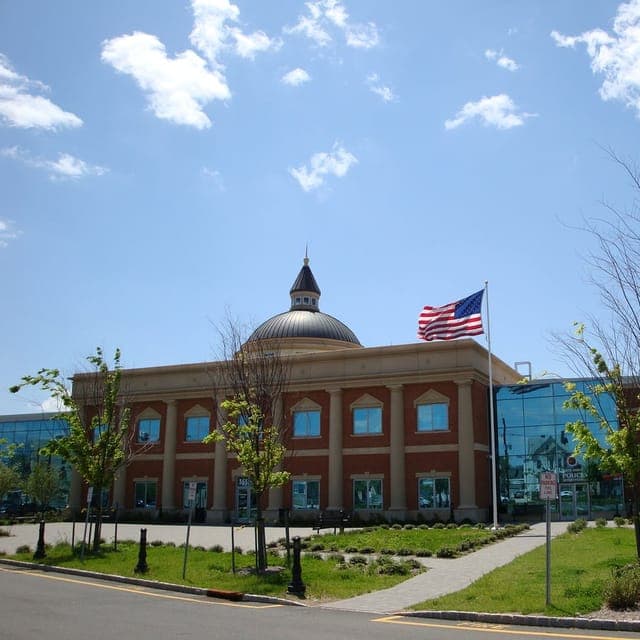
Photo: Wikipedia
Find The Best Places To Live in Middlesex County
PRO TIP! You can paste a Zillow or Redfin link to get info on that property.
Best Places to Live in Middlesex County
Cities & Towns in Middlesex County
Cities in Middlesex County
What It's Like Living in Middlesex County, NJ
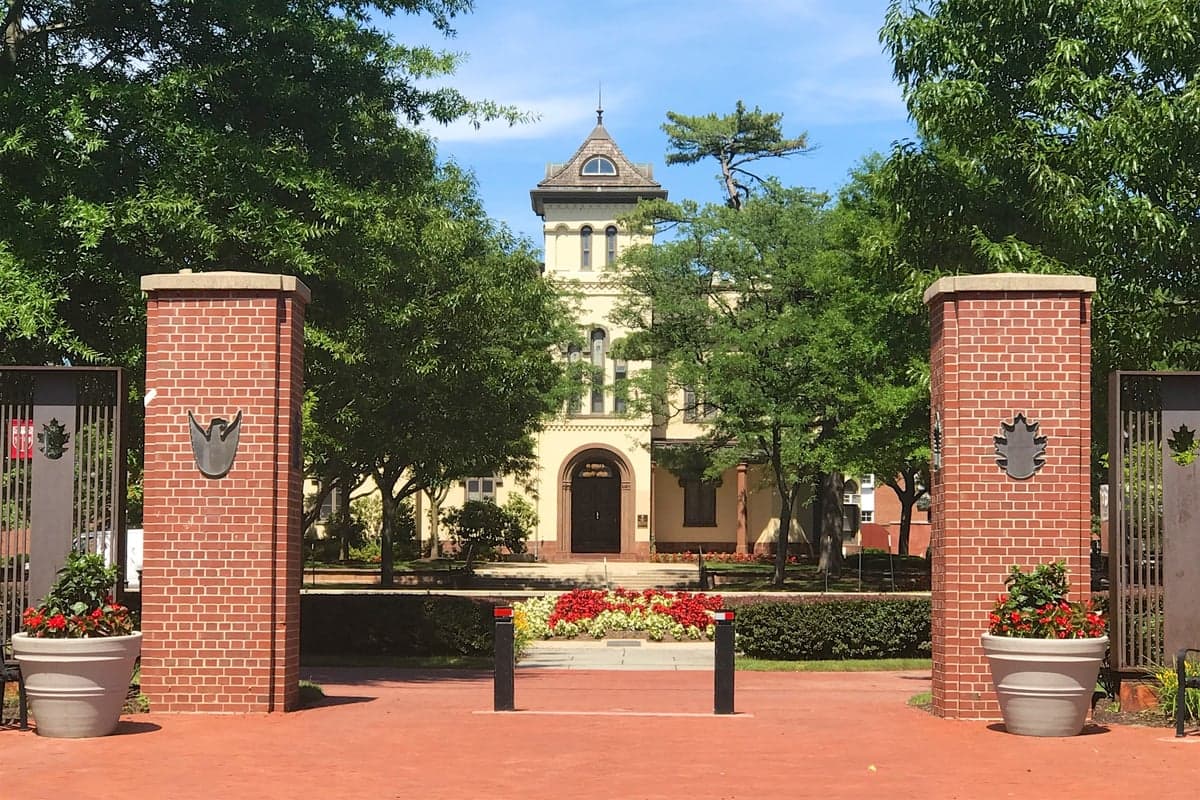
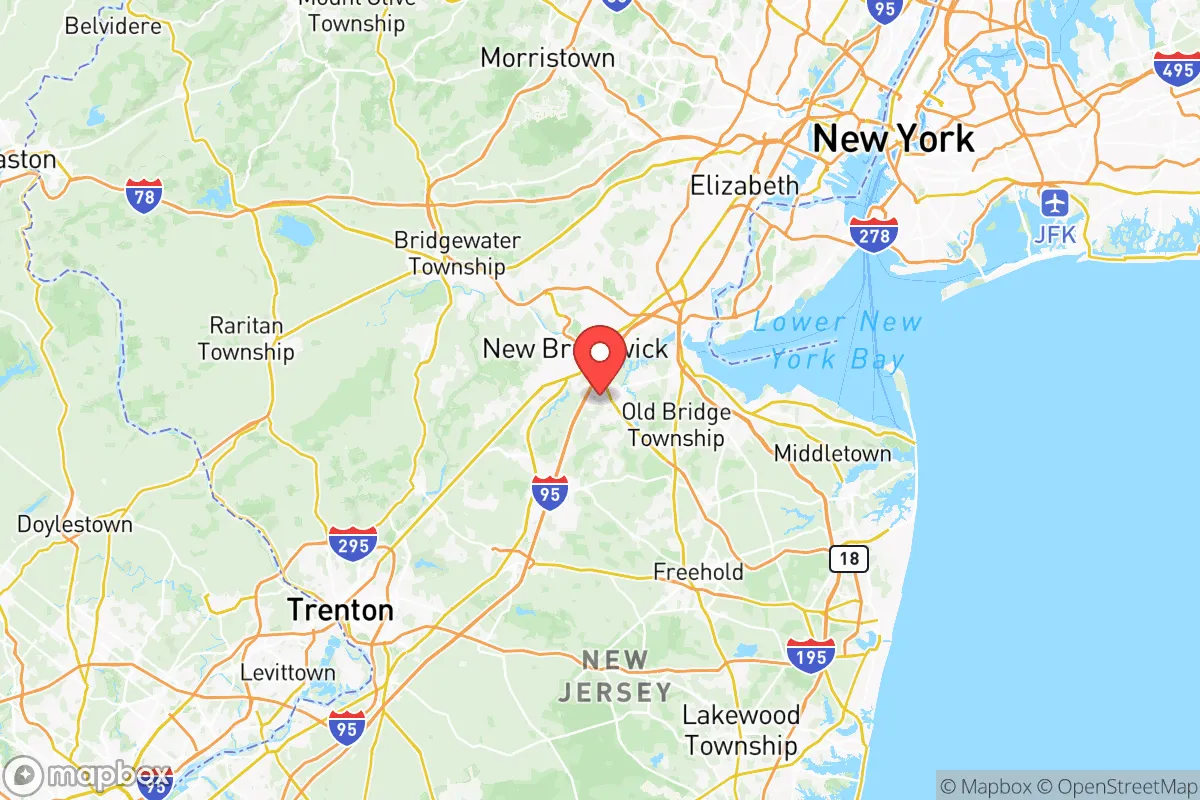
Middlesex County is the kind of place where you can grab a slice of pizza from a century-old Italian bakery in New Brunswick, then drive twenty minutes south to hike the pine forests of Jamesburg Park without ever feeling like you left civilization. It’s New Jersey’s most populous county outside of the urban core, and it wears that density with a practical, no-nonsense attitude. With over 861,000 residents, the county feels like a collection of distinct towns—each with its own downtown, its own high school rivalries, and its own reason for existing—rather than a single sprawling suburb. The median income here sits at $109,028, which reflects a workforce that’s heavily professional, often commuting to New York or Philadelphia, but also deeply rooted in local industry like pharmaceuticals and logistics.
Daily Rhythm: The Commute, the Schools, and the Weekend Reset
For most people in Middlesex County, the day starts with a train ride. The Northeast Corridor line cuts straight through, with stations in Edison, Metuchen, and New Brunswick, and the average commute clocks in at just under 32 minutes—long enough to finish a podcast, short enough that you’re not dreading it. The towns closest to the train stations—like Metuchen, which locals call “the Brainy Borough” for its top-rated schools—tend to be pricier, with median home values around $439,300. Farther out, places like Perth Amboy or Carteret offer more affordable housing, though you’ll trade a longer drive for the savings. Weekends here are practical: you’ll see families at the Menlo Park Mall in Edison, couples grabbing craft beer at the Harvest Moon Brewery in New Brunswick, or kids playing soccer at Roosevelt Park. The county’s 45.1% college-educated population means there’s a steady demand for good coffee shops, bookstores, and farm-to-table restaurants, but the vibe remains down-to-earth—nobody’s trying to impress you with their job title.
Sports, Community, and the Places That Define a Town
High school football is a genuine event in Middlesex County. The rivalry between Sayreville and South Brunswick draws crowds that rival some small-college games, and Friday nights in the fall are a community ritual. For college sports, Rutgers University in New Brunswick is the anchor—its football and basketball games at SHI Stadium and Jersey Mike’s Arena bring in alumni from across the state, and the tailgating scene is loud, proud, and unapologetically Jersey. Beyond the field, the county’s cultural identity is shaped by its diversity. The annual New Jersey Folk Festival in East Brunswick draws thousands for live music and crafts, while the Hungarian Festival in New Brunswick’s thriving ethnic neighborhoods is a reminder of the county’s immigrant roots. For outdoor recreation, the Delaware and Raritan Canal towpath runs through the county, offering 70 miles of flat, shaded trails perfect for biking or a Sunday stroll. Locals also swear by the cheese steaks at the Edison Diner and the Portuguese seafood in the Ironbound-adjacent parts of Woodbridge.
Pros and Cons of Living Here: What Locals Actually Say
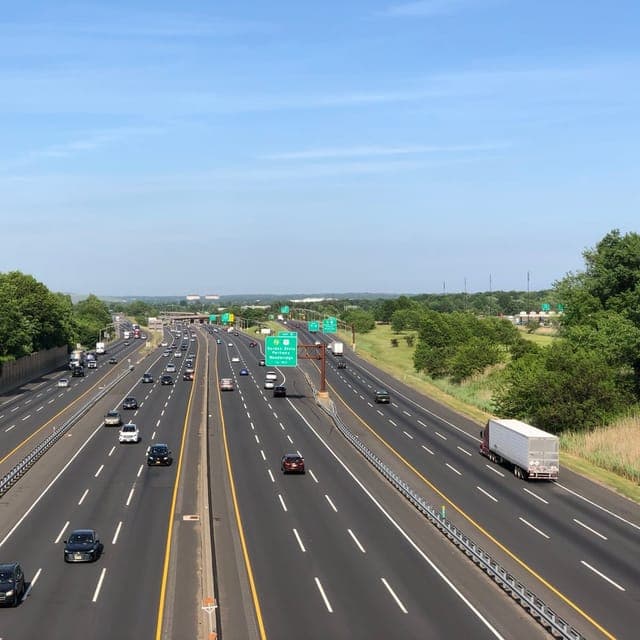
The biggest upside is convenience. You’re 45 minutes from Manhattan, 30 minutes from the Jersey Shore, and 20 minutes from the Pine Barrens—everything is close. The schools are solid, especially in towns like Edison and East Brunswick, and the job market is strong thanks to major employers like Johnson & Johnson and Rutgers. The violent crime rate of 191.7 per 100,000 is lower than the national average, and most people feel safe walking their neighborhoods at night. But the downsides are real. The cost of living index sits at 156, meaning everyday expenses—groceries, gas, property taxes—are about 56% higher than the national average. Traffic on Route 1 and the Garden State Parkway can turn a 15-minute errand into a 40-minute slog, especially during rush hour. And while the county is diverse, some longtime residents grumble that development is eating up the remaining farmland, particularly around Monroe Township and the western edge near the Princeton border. The median age of 39.4 suggests a population that’s settled—families with kids, established careers—so if you’re looking for a wild nightlife scene, you’ll find it mostly concentrated in New Brunswick’s college bars, not in the suburban strip malls.
Who Fits In, and Who Might Not
Middlesex County works best for people who value stability over excitement. If you’re a parent who wants good public schools, a short-ish commute to a high-paying job, and a community where your kids can play outside without you worrying, this is a strong fit. Single professionals often find the social scene a bit quiet outside of New Brunswick, though the proximity to New York City makes up for it. The county leans moderate politically—not as conservative as the rural western part of the state, but not as liberal as Hudson County—which appeals to the conservative-leaning audience this site serves. The cultural quirks are subtle: people here take their pizza seriously, they’ll argue about which town has the best bagels (it’s Metuchen, by the way), and they’re fiercely loyal to their local diners. If you’re the type who likes to know your neighbors, root for the local high school team, and never feel more than 20 minutes from a decent deli, Middlesex County will feel like home.

* Values derived from national, state, county, city and local statistics and may differ in a specific area. Last updated: 2026-05-16T08:26:09.000Z
Narrative content on this page is AI-generated and may contain mistakes. Verify any details that matter before acting on them.
ReloMaps may earn a commission from affiliate links at no extra cost to you.

