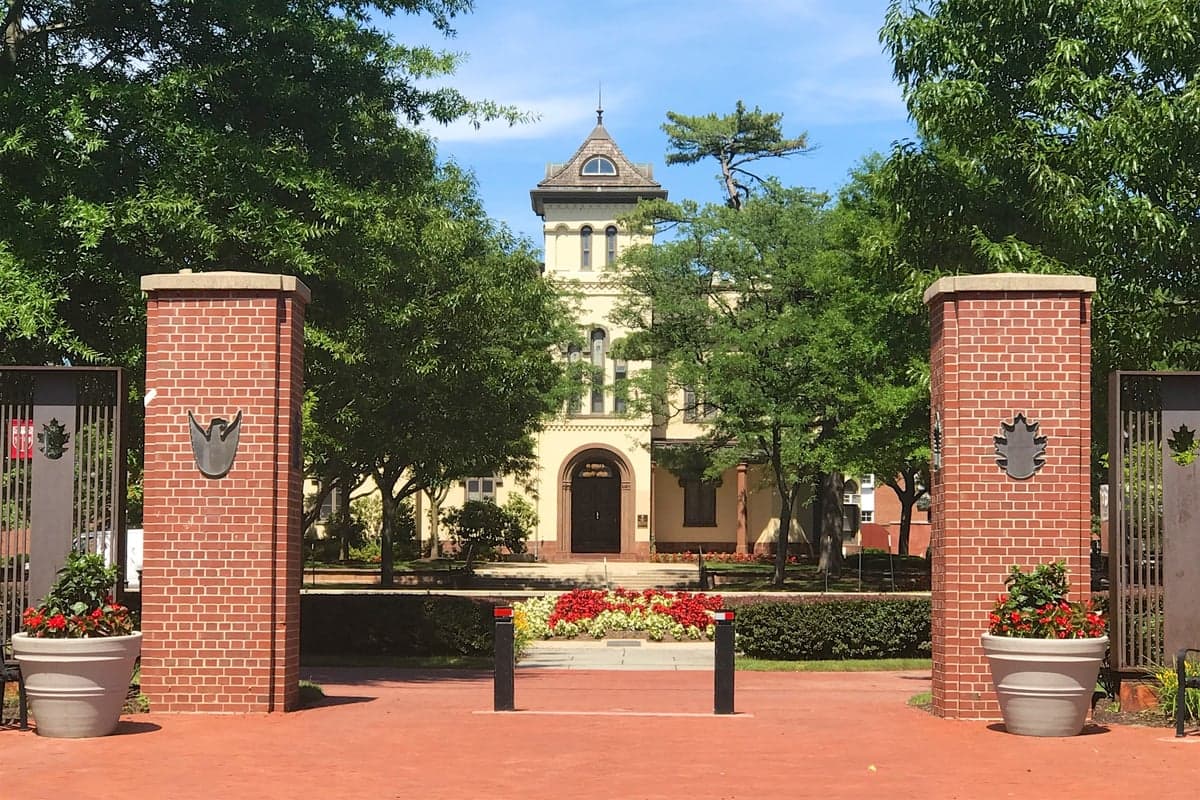
Photo: Wikipedia
Political ClimatePolitical Climate in Middlesex County
Showing district-level results — no local-only data available.
Local Political AnalysisPolitical Analysis of Middlesex County
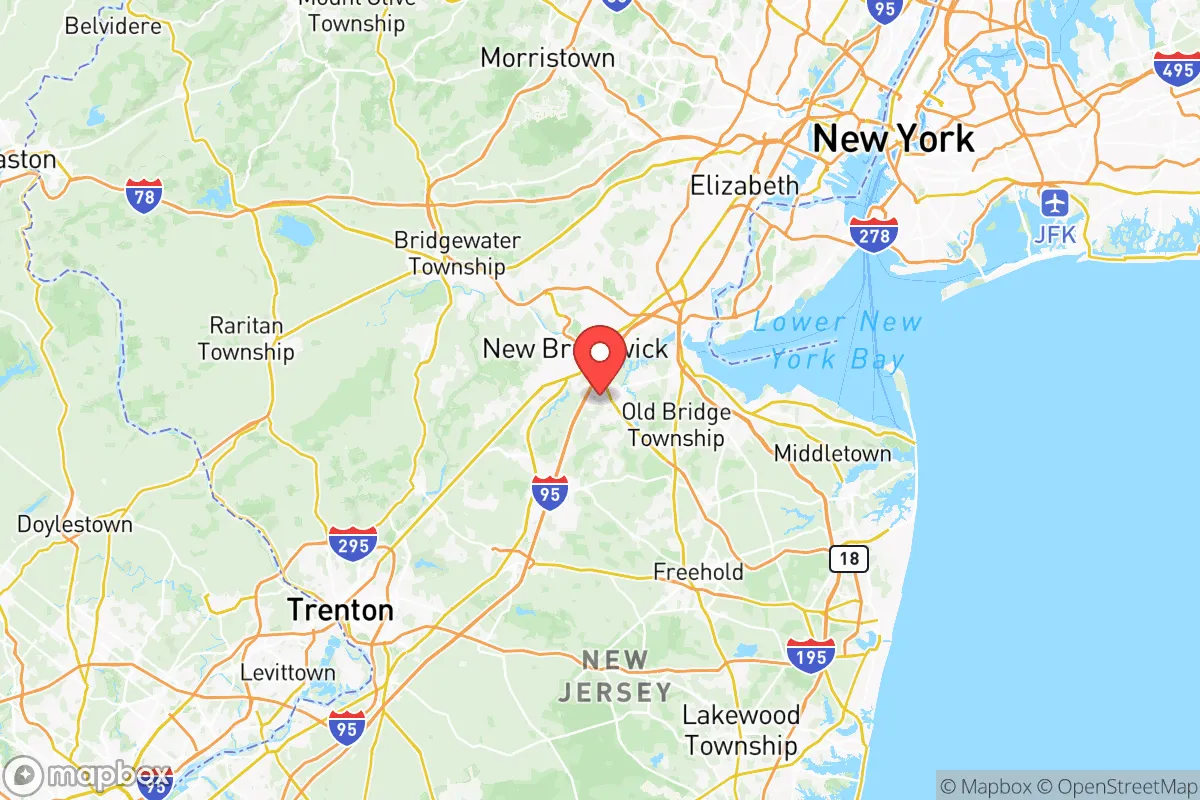
Middlesex County, New Jersey, has a Cook Partisan Voting Index (PVI) of D+13, meaning it votes about 13 points more Democratic than the national average. That’s a solid blue anchor, but it wasn’t always this way. I’ve lived here long enough to remember when the county was a true swing area, with towns like Edison and Woodbridge splitting tickets between local Republicans and national Democrats. Over the last decade, though, the shift has been dramatic—driven by an influx of New York City transplants, a growing Asian-American population in places like East Brunswick and South Brunswick, and a steady march of progressive policies that now feel baked into the local culture. Compared to the state overall (which sits at D+5), Middlesex is a full 8 points more liberal, and that gap is widening every election cycle.
How it compares to New Jersey as a whole
New Jersey as a state is reliably blue, but it still has pockets of genuine competition—think Ocean County or parts of Hunterdon. Middlesex County, by contrast, has become a Democratic stronghold where Republican candidates rarely break 40% in countywide races. The difference is stark when you look at town-level data. In Edison, the largest municipality, Democrats routinely win by 30-point margins, driven by dense, diverse precincts near the Metropark train station. Perth Amboy and New Brunswick are even more lopsided, with progressive city councils pushing rent control ordinances and sanctuary city policies. On the flip side, Monroe Township—home to a large Orthodox Jewish community—still leans more conservative, often voting 10-15 points to the right of the county average. South Brunswick and Plainsboro are the swing precincts, but even there, the trend is blueward. The state’s D+5 rating hides how deep the divide is: Middlesex is pulling the whole region left, while rural counties like Sussex and Warren push back. For a conservative, the state-level numbers are bad enough, but Middlesex is where the progressive experiment is running full throttle.
What this means for residents
For anyone who values personal freedoms—especially around property rights, school choice, and local governance—the political climate here is increasingly concerning. The county government has embraced policies that feel like overreach: strict affordable housing mandates that override local zoning, a push for “equity” training in public schools that sidelines parental input, and a growing reliance on county-level boards that can bypass town councils. In Woodbridge, for example, the mayor’s office has used emergency powers to fast-track development projects that residents opposed in public hearings. In East Brunswick, the school board recently adopted a controversial LGBTQ+ curriculum without a community vote, sparking protests that were largely ignored. The one-party dominance means there’s little pushback—primary elections are the only real contests, and they often favor the most progressive candidate. If you’re a conservative or even a moderate, you’ll find yourself constantly fighting battles over school boards, planning boards, and library budgets just to preserve a semblance of local control.
The cultural shift is palpable, too. Middlesex used to be a place where neighbors kept politics at arm’s length, but now you see “In This House We Believe” signs in every other yard, and local Facebook groups are dominated by progressive activism. The county’s diversity is a strength, but the political monoculture can feel stifling if you don’t toe the line. Long-term, I see this trend accelerating—more state-level mandates from Trenton, more county-level consolidation of power, and less room for dissenting voices. If you’re considering a move here, know that the political landscape is not neutral; it’s actively shaping everything from your property taxes to your kids’ education. For those who value individual liberty and limited government, Middlesex County is a place to engage cautiously—or to look elsewhere.

State Political ClimatePolitical Climate in New Jersey
State Political AnalysisPolitical Environment in the State
New Jersey has a Cook PVI of D+5, making it a solidly Democratic state in presidential elections, but that label hides a much more complicated reality. The state hasn't voted for a Republican president since George H.W. Bush in 1988, yet it's home to some of the most reliably red counties in the Northeast, and the political culture is a constant tug-of-war between progressive urban centers and deeply conservative rural and suburban areas. Over the last 10-20 years, the state has drifted leftward on social and cultural issues, driven by massive Democratic margins in the northeastern suburbs and the urban core, but the tax revolt and parental rights movements have kept the GOP competitive in local races and given the state a surprisingly volatile political character.
Urban vs. rural divide
The political map of New Jersey is a study in extremes. The Democratic stronghold is the Newark-Jersey City corridor in Essex and Hudson counties, where voters routinely deliver 70-80% margins for Democrats. Jersey City and Newark are the engines of the state's blue lean, powered by dense, diverse, and heavily unionized populations. Bergen County, once a swing county, has moved decisively blue over the past decade, driven by suburban professionals and an increasingly Asian-American electorate. On the flip side, Ocean County and Sussex County are among the most Republican in the Northeast, routinely voting +20 to +30 points for the GOP. Monmouth County and Morris County are classic suburban battlegrounds—they lean Republican in local races but have trended toward Democrats in presidential years, especially among college-educated women. The rural Hunterdon County and Warren County remain reliably red, but their populations are small compared to the urban centers. The divide isn't just about party—it's about lifestyle: dense, transit-oriented, high-tax urban living versus car-dependent, lower-tax, more family-oriented suburbs and exurbs.
Policy environment
New Jersey's policy environment is defined by high taxes and heavy regulation, which is a major concern for conservative-leaning residents. The state has the highest property taxes in the nation, averaging over $9,500 per year, and a progressive income tax that tops out at 10.75% for income over $1 million. The regulatory posture is aggressive: the state has some of the strictest environmental rules in the country, a strong public-sector union presence, and a minimum wage that reached $15 per hour in 2024. On education, New Jersey spends more per pupil than almost any other state, but the results are mixed—wealthy suburbs like Millburn and Princeton have world-class schools, while urban districts in Camden and Paterson struggle. Healthcare is heavily regulated, with a state-based insurance exchange and Medicaid expansion under the Affordable Care Act. Election laws lean Democratic: the state has no-excuse mail-in voting, automatic voter registration, and same-day registration, which conservatives argue reduces election integrity. The state also has a Democratic governor and a legislature that has been controlled by Democrats for over two decades, making it difficult to pass tax cuts or deregulation.
Trajectory & freedom
Over the past five years, New Jersey has moved in a direction that many conservatives find concerning on personal freedom. The state passed a red flag law in 2018, expanded background checks, and banned high-capacity magazines, making it one of the most restrictive states for gun owners. In 2022, the legislature passed a law requiring schools to adopt LGBTQ-inclusive curriculum, which sparked a backlash from parental rights groups. The state also expanded Medicaid coverage for gender-affirming care and codified abortion rights into state law in 2022. On the tax front, the millionaire's tax was made permanent in 2020, driving some high-income earners to Florida and Texas. However, there have been some wins for freedom: the state repealed its blue laws in certain counties, allowing Sunday shopping, and the school choice movement has gained traction, with a growing number of charter schools and a pilot voucher program for special-needs students. The parental rights movement has been particularly active in Morris County and Ocean County, where school board meetings have become battlegrounds over curriculum transparency and library books. Overall, the trajectory is toward more government involvement in daily life, but the pushback is real and organized.
Civil unrest & political movements
New Jersey has seen its share of political activism, but it's less about street protests and more about organized movements. The Black Lives Matter protests in 2020 were large in Newark and Trenton, but they were mostly peaceful compared to other states. The parental rights movement has been the most visible conservative force, with groups like Moms for Liberty gaining a foothold in Hunterdon County and Monmouth County. Immigration politics are a flashpoint: New Jersey is a sanctuary state by practice, with many cities like Jersey City and Newark limiting cooperation with ICE, which has led to tensions with the federal government. The state has also seen a rise in secessionist rhetoric from the South Jersey region, where some residents feel ignored by the Trenton-dominated political establishment—though this is more of a grumble than a serious movement. Election integrity has been a hot topic since 2020, with Republican activists in Ocean County and Sussex County pushing for stricter voter ID laws, but Democratic majorities have blocked those efforts. A new resident would notice that political signs are everywhere during election season, and local politics is taken very seriously—town council and school board races often draw more passion than national ones.
Projection
Looking ahead 5-10 years, New Jersey is likely to remain a Democratic-leaning state, but the margin could narrow. The suburban shift toward Democrats, especially among college-educated women, is probably baked in, but the cost of living crisis is driving out younger families and retirees to lower-tax states like Florida, Texas, and the Carolinas. This out-migration is disproportionately conservative, which could make the state even bluer over time. However, the parental rights and school choice movements are gaining steam, and if the GOP can focus on economic issues like property tax relief and regulatory reform, they could become more competitive in the Monmouth and Morris county suburbs. The 2025 gubernatorial election will be a key test—if a moderate Republican can win, it could signal a shift. But the demographic trends are against conservatives: the state is becoming more diverse, more urban, and more secular. Someone moving in now should expect a state that is politically divided, with high taxes and a strong regulatory environment, but also with pockets of conservative strength where you can find like-minded neighbors and active civic organizations.
For a conservative-leaning individual or family considering New Jersey, the bottom line is this: you can find a community that fits your values, especially in the Ocean County or Hunterdon County areas, but you will be swimming against the current at the state level. The taxes are high, the regulations are thick, and the cultural tide is progressive. If you value low taxes and limited government, you might be better off in Pennsylvania or Delaware. But if you need to be in the New York metro area for work or family, and you're willing to fight for your values at the local level, New Jersey offers a vibrant, if challenging, political landscape. Just know that your property tax bill will be a constant reminder of the trade-offs.
* Values derived from national, state, county, city and local statistics and may differ in a specific area. Last updated: 2026-05-16T08:26:09.000Z
Narrative content on this page is AI-generated and may contain mistakes. Verify any details that matter before acting on them.
ReloMaps may earn a commission from affiliate links at no extra cost to you.

