Photo: Wikipedia
Political ClimatePolitical Climate in New Mexico
Political Environment in the State
New Mexico has long been a reliably Democratic state at the presidential level, with a Cook PVI of D+3, but that label masks a deeply fractured political landscape. Over the past 20 years, the state has shifted from a moderate, blue-dog Democratic stronghold to a more progressive, one-party-controlled state, driven largely by the explosive growth of Albuquerque and Santa Fe. While rural counties like Lea and Eddy remain deeply conservative, the urban corridor from Santa Fe down through Albuquerque and into Las Cruces now dictates nearly every statewide election, making it increasingly difficult for conservative voices to gain traction outside of local offices.
Urban vs. rural divide
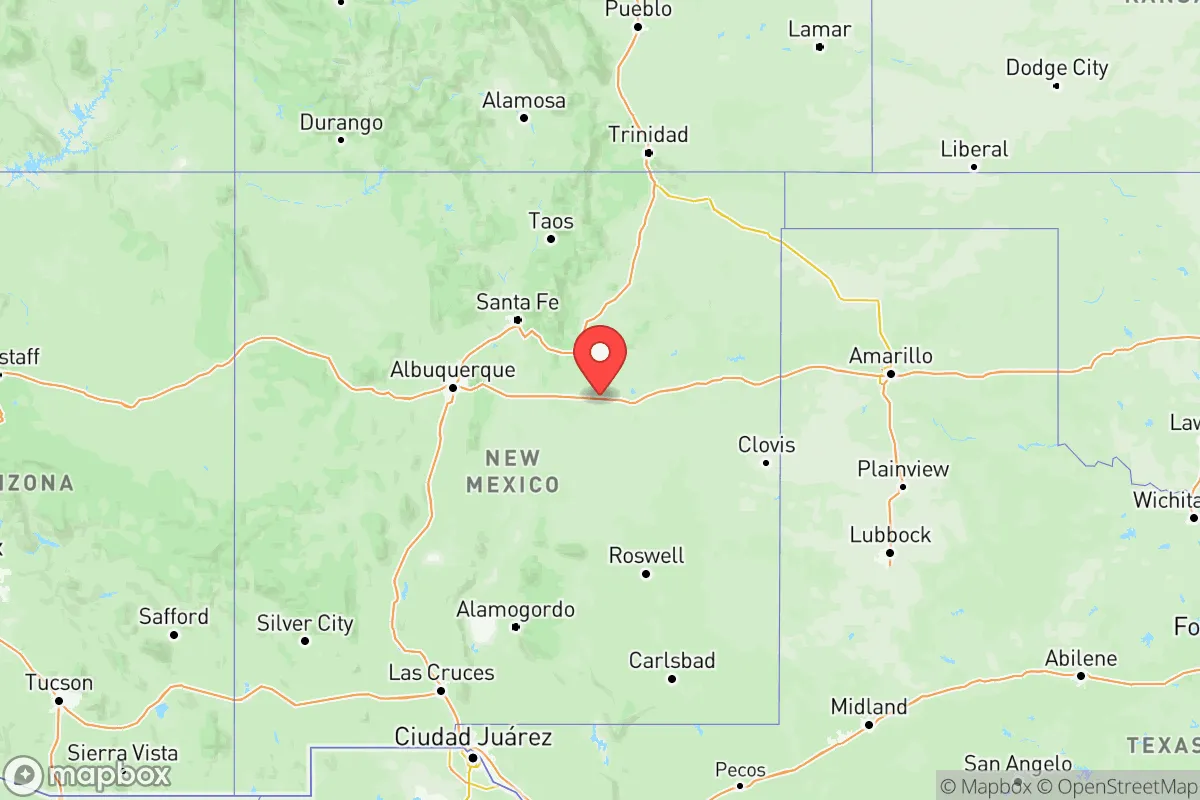
The political map of New Mexico is essentially a tale of two states. The I-25 corridor from Santa Fe to Las Cruces is the engine of Democratic power, with Santa Fe County delivering margins of 70% or more for Democratic candidates. Albuquerque's Bernalillo County, home to roughly a third of the state's population, is the decisive battleground—it leans Democratic but has a significant conservative minority, especially in the far Northeast Heights and the South Valley. In contrast, the southeastern corner of the state, anchored by Hobbs and Carlsbad in Lea and Eddy counties, votes Republican by margins of 30-40 points, driven by the oil and gas industry. The northwestern quadrant, including Farmington and the Four Corners area, is more mixed but leans Republican, while the rural eastern plains, from Clovis to Portales, are solidly red. The real story, though, is that the urban centers are growing faster than the rural areas, meaning the state's political center of gravity has moved decisively leftward over the past decade.
Policy environment
The policy environment in New Mexico has shifted sharply in a progressive direction over the last five years. The state has no right-to-work law, and union influence is strong, particularly in public education and government. The personal income tax is progressive, with a top rate of 5.9%, but the gross receipts tax (essentially a sales tax on services and goods) is high and varies by locality, often exceeding 8% in Albuquerque and Santa Fe. Property taxes are relatively low, which is a plus for homeowners, but the state has no property tax cap for primary residences, meaning they can rise with valuations. On education, the state has adopted the Community Schools Act, which funnels money into wraparound services rather than academic accountability, and it has resisted school choice expansion, though charter schools exist. Healthcare is dominated by the state's Medicaid expansion, which covers nearly half the population, and the state has passed a public option health insurance bill that aims to compete with private insurers. Election laws have been loosened significantly: New Mexico has same-day voter registration, automatic voter registration via the DMV, and no voter ID requirement, which has raised concerns about election integrity among conservatives. The state also has a "red flag" law (the Extreme Risk Firearm Protection Order Act) passed in 2020, which allows courts to temporarily seize firearms from individuals deemed a threat, a policy many conservatives view as an overreach.
Trajectory & freedom
On the freedom front, the trajectory is concerning for conservatives. The state has become less free over the past decade, particularly in the areas of gun rights, parental rights, and economic liberty. In 2021, the legislature passed a ban on carrying firearms in the state capitol building and at public protests, and in 2023, it passed a law requiring a 7-day waiting period for firearm purchases, one of the strictest in the region. On parental rights, the state has moved in the opposite direction of places like Texas and Florida: it passed a law in 2023 that prohibits school districts from requiring parental notification when a child changes their gender identity or pronouns at school, effectively overriding parental authority. The state also expanded abortion access, codifying it into law in 2023 and passing a law that prevents local municipalities from restricting abortion access, overriding any local pro-life ordinances. On the economic side, the state has increased the minimum wage to $12 an hour (indexed to inflation) and passed a paid family and medical leave law in 2024 that imposes a payroll tax on both employers and employees. Property rights have also been eroded by the state's Oil and Gas Act updates, which have increased regulatory hurdles for drilling on private land, a direct hit to the conservative-leaning energy sector in the southeast.
Civil unrest & political movements
Civil unrest in New Mexico has been relatively muted compared to other states, but there are flashpoints. The most visible is the ongoing debate over immigration and sanctuary policies. Albuquerque and Santa Fe are "sanctuary cities," meaning local law enforcement does not cooperate with federal immigration authorities, which has led to tensions with the state's conservative rural areas. In 2019, the state passed the New Mexico Family Act, which prohibits state and local agencies from inquiring about immigration status, effectively making the entire state a sanctuary. This has been a major grievance for conservatives, particularly in border communities like Las Cruces and Sunland Park, where illegal crossings are a daily reality. There have also been organized protests around the state's energy policies, with oil and gas workers in Hobbs and Carlsbad rallying against new regulations. The 2020 election cycle saw allegations of irregularities in the state's vote-by-mail system, though no major court challenges succeeded. More recently, the 2023 legislative session saw a surge in activism from both sides on the parental rights and transgender issues, with conservative parents groups forming in Albuquerque and Rio Rancho to push back against school policies. The state also has a small but vocal secessionist movement in the rural eastern counties, though it remains fringe.
Projection
Looking ahead 5-10 years, the trajectory is clear: New Mexico will continue to become more progressive and more one-party dominated. The demographic trends favor the urban corridor, with Santa Fe and Albuquerque attracting younger, more liberal transplants from other states, while the rural, conservative population continues to age and shrink. The oil and gas boom in the southeast may slow as global energy transitions accelerate, which would further weaken the conservative base. In-migration is modest, but the people moving in tend to be retirees seeking the state's low property taxes or remote workers drawn to Santa Fe's culture, both of which lean left. The Republican Party in New Mexico is increasingly confined to local offices in rural counties and a few state legislative seats, but it has little chance of winning statewide office in the near future. A conservative moving to New Mexico today should expect to live in a state where the political culture is dominated by progressive policies on education, healthcare, and immigration, with limited ability to change that at the ballot box. The best a conservative can hope for is to find a like-minded community in the rural southeast or the eastern plains, but even there, state-level policies will continue to be set in Santa Fe.
For a conservative considering a move to New Mexico, the bottom line is this: you are moving into a state where the political culture is increasingly hostile to your values, particularly on gun rights, parental rights, and economic freedom. The low property taxes and beautiful landscapes are real draws, but you will be living under a state government that is actively expanding its reach into your personal life, your children's education, and your business. If you are willing to fight for your values at the local level and can find a conservative enclave like Hobbs, Carlsbad, or parts of Rio Rancho, you can carve out a decent life. But if you are looking for a state that respects your personal freedoms and limits government overreach, New Mexico is not trending in that direction.

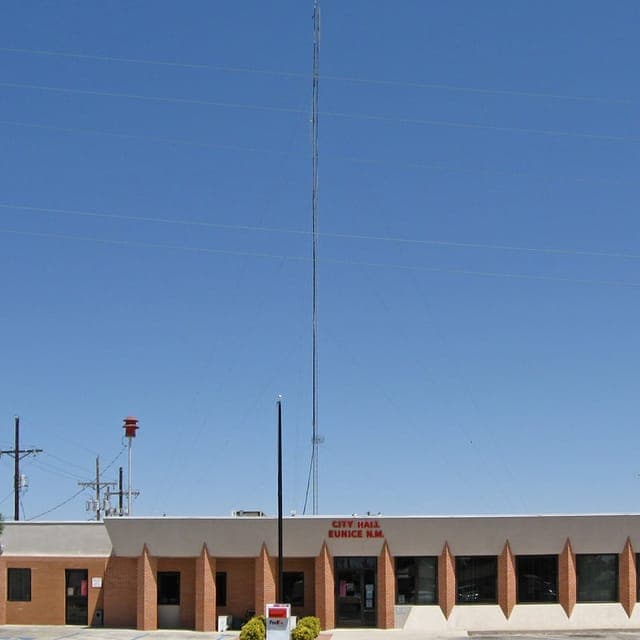
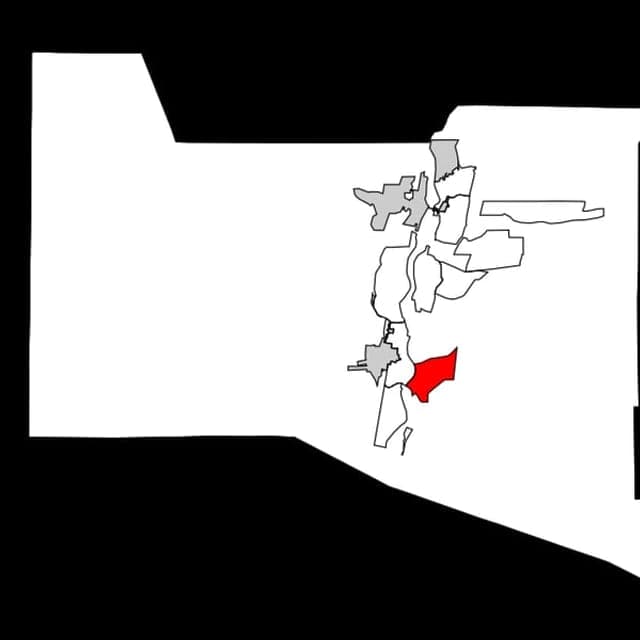
Most Conservative Cities in New Mexico
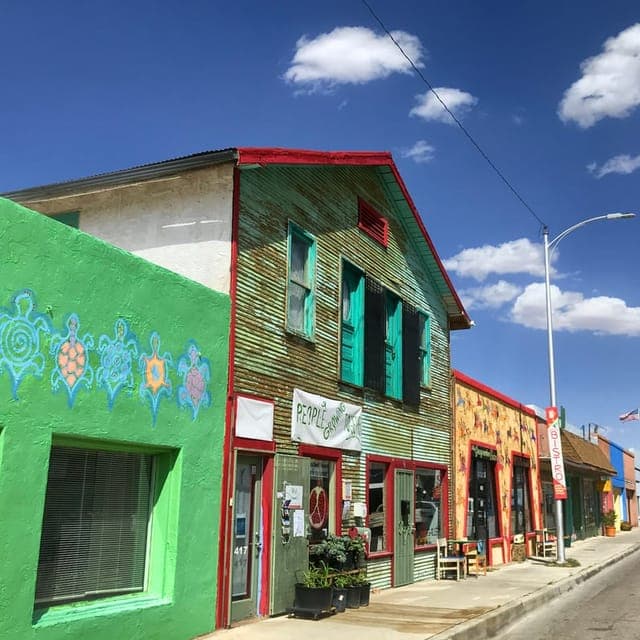
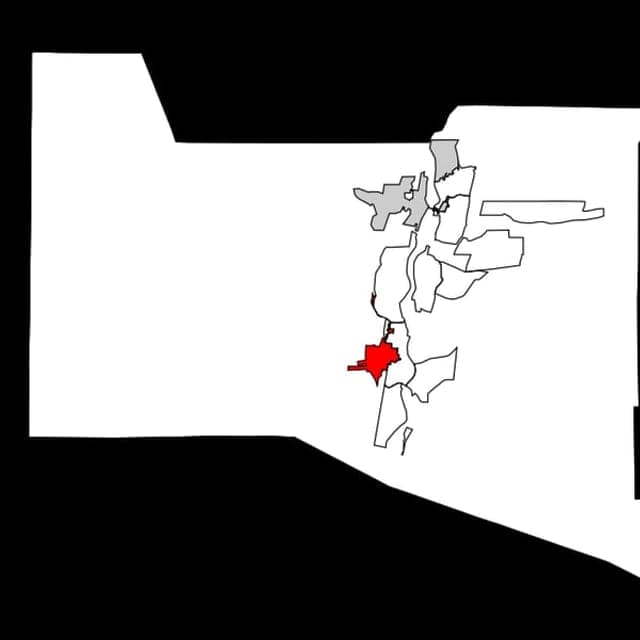
Most Liberal Cities in New Mexico

* Values derived from national, state, county, city and local statistics and may differ in a specific area. Last updated: 2026-04-14T06:21:01.000Z
Narrative content on this page is AI-generated and may contain mistakes. Verify any details that matter before acting on them.
ReloMaps may earn a commission from affiliate links at no extra cost to you.

