
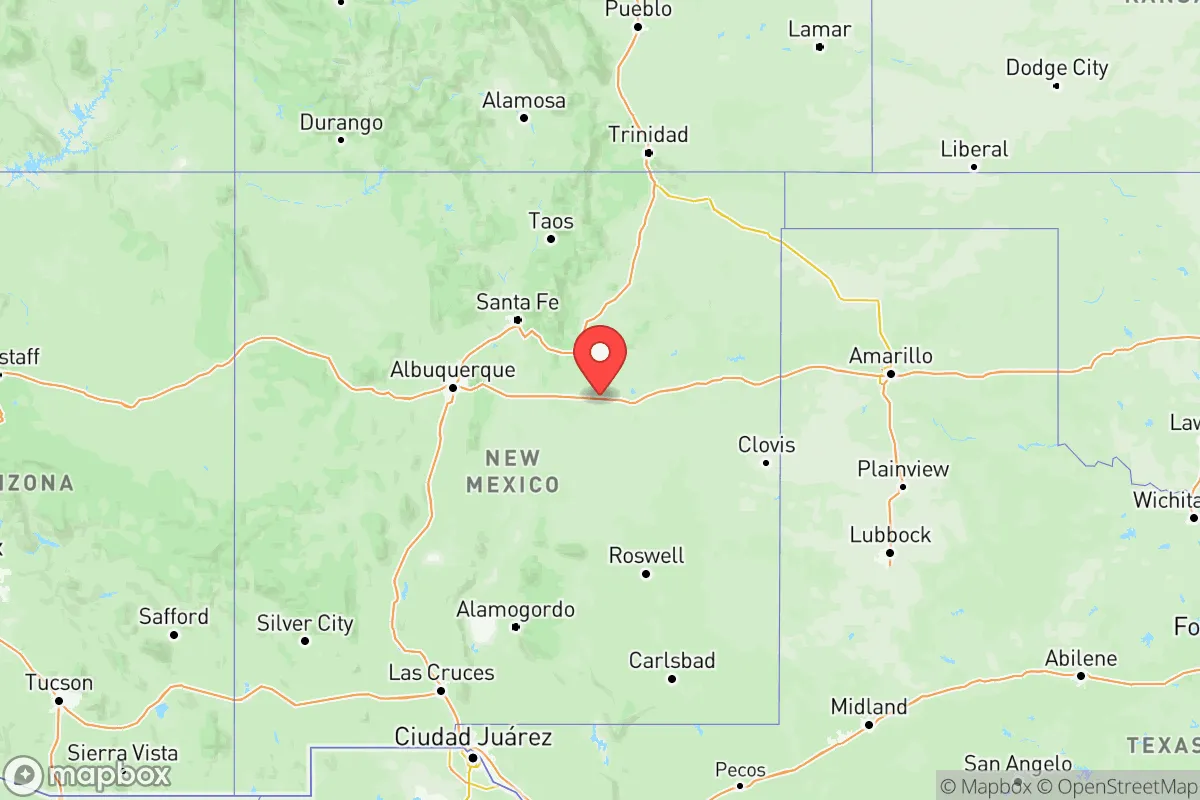
Photo: Wikipedia
Quality of Life in New Mexico
A livable area that tracks near national norms for affordability, walkability, and neighborhood health.
What does Quality of Life tell us?
Quality of Life measures an area by evaluating factors like cost of living, nearby amenities, country club access, airport proximity, socioeconomic signals and neighborhood character. For large states, this is a general average — quality of life can vary dramatically between metro areas, suburbs, and rural communities within the same state.
What does this tell us?
Quality of Life measures an area by evaluating factors like cost of living, nearby amenities, country club access, airport proximity, socioeconomic signals and neighborhood character. For large states, this is a general average — quality of life can vary dramatically between metro areas, suburbs, and rural communities within the same state.
Cost of Living
14% below national average
64%
The Real Cost of Living in New Mexico for 2026
| Tier | Individual | Family (4) |
|---|---|---|
| Survival | $31k | $58k |
| Comfortable | $66k | $97k |
| Luxury | $112k+ | $174k+ |
| Elite (Top 5%) | $140k+ | $217k+ |
Quality-of-Life Analysis
New Mexico offers a remarkably broad spectrum of quality-of-life options, from dense urban centers to remote high-desert homesteads, attracting everyone from aerospace engineers and film industry professionals to artists, retirees, and off-grid homesteaders. The state’s overall cost of living index sits at 86 (100 = US average), with a median home value of $232,200 and median rent of $1,021, but these averages mask a wide range of actual costs depending on location and lifestyle. The average commute of 23.2 minutes is notably shorter than the national average, reflecting the state’s generally lower traffic congestion outside of peak hours in Albuquerque.
Major metros
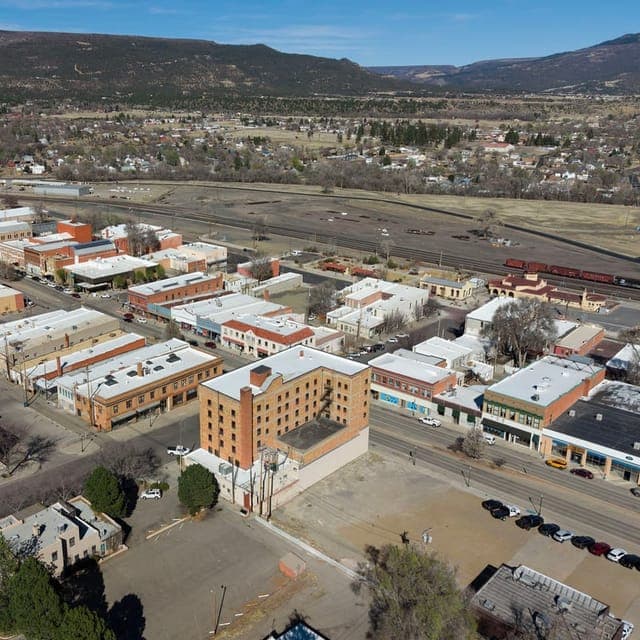
If you are looking for urban living, New Mexico has two primary metropolitan anchors. Albuquerque, the largest city with roughly 560,000 residents, is the state’s economic and cultural hub, centered on a mix of government research (Sandia and Los Alamos national labs), healthcare (Presbyterian and UNM Hospital), and a growing film and tech sector. Its vibe is a sprawling, sun-baked Southwestern city with distinct neighborhoods—from the historic Old Town to the hip Nob Hill corridor—and a daily life shaped by the Sandia Mountains and the Rio Grande bosque. Santa Fe, the state capital (population ~89,000), is a smaller, more expensive, and culturally distinct alternative, known globally for its art markets, Pueblo-style architecture, and high concentration of galleries and high-end dining. Santa Fe attracts a wealthier, more tourism-driven demographic, with a median home value significantly above the state average, while Albuquerque offers more affordability and a grittier, more diverse urban experience.
Mid-size cities & college towns
New Mexico’s mid-size cities and college towns provide a middle ground between urban density and rural quiet. Las Cruces, the second-largest city (population ~115,000), sits in the southern Mesilla Valley near the Texas border and White Sands Missile Range, offering a lower cost of living than Albuquerque and a strong agricultural and border-economy base, with New Mexico State University anchoring the community. Rio Rancho, a fast-growing suburb of Albuquerque, is a master-planned community with newer housing stock and a family-oriented, commuter-heavy feel, home to a large Intel manufacturing facility. Los Alamos is a unique case: a small, highly educated town (population ~13,000) built around Los Alamos National Laboratory, offering excellent schools, very low crime, and a high median income, but with limited housing stock and a quiet, science-focused social scene. Las Vegas, New Mexico (not to be confused with its Nevada namesake) is a historic, slower-paced town with Highlands University and a growing arts scene, appealing to those seeking a low-cost, culturally rich environment without the tourist crowds of Santa Fe.
Small towns & rural areas
The state’s small towns and rural areas offer the most dramatic lifestyle shift, often defined by wide-open spaces, extreme weather, and a slower, more self-reliant pace. Taos is a famous high-desert arts colony and ski town, attracting skiers, artists, and spiritual seekers, but with a high cost of living relative to other rural areas and limited year-round employment. Silver City in the southwest is a gateway to the Gila National Forest, popular with retirees and outdoor enthusiasts who value hiking, birding, and a low-key, liberal-leaning community. Farmington in the northwest is an energy-industry hub (oil, gas, coal) with a more conservative, working-class character and a stark, high-desert landscape. Ruidoso in the south-central mountains is a resort town known for horse racing and skiing, attracting a mix of tourists and second-home owners from Texas. For those seeking true remoteness, areas like Catron County (the least densely populated county in the state) or the Mimbres Valley offer off-grid living, minimal services, and profound solitude, appealing to homesteaders and those escaping urban life entirely.
Luxury vs. affordable living
The luxury tier in New Mexico is concentrated in specific enclaves. Santa Fe’s East Side and Bishop’s Lodge Road areas feature multi-million-dollar adobe estates with mountain views, while Los Alamos has some of the highest home values in the state due to its high-income workforce. Taos Ski Valley and Ruidoso’s Upper Canyon offer high-end vacation homes and condos. On the affordable end, Albuquerque’s South Valley and International District have median home values well below $200,000, and Las Cruces offers homes in the $180,000–$250,000 range. Clovis and Portales in the eastern plains are among the most affordable towns in the state, with median home values often under $150,000, though they lack the scenic beauty of the western half. Rental affordability is strongest in these eastern towns and in rural areas, where a one-bedroom apartment can be found for under $700, compared to $1,200+ in central Santa Fe.
The practical reality is that New Mexico’s quality-of-life options are sharply divided by geography and income. Those who thrive in the state are often self-selecting: professionals and retirees with remote income gravitate toward Santa Fe and Los Alamos for culture and safety; families and workers in logistics, healthcare, and education find balance in Albuquerque and Las Cruces; and those seeking solitude, low costs, or a connection to the land settle in the small towns and rural counties. The cost-of-living spread is significant—a home in Santa Fe’s luxury market can cost ten times what a similar-sized home in Clovis costs—so the choice of location is the single biggest financial decision a newcomer will make. The state’s low overall commute time and relatively affordable baseline make it a viable option for those willing to trade some urban amenities for space and a slower pace.

Crime in New Mexico
Higher crime rates than 67% of comparable U.S. locations.
Violent CrimeViolent Crime Analysis
Property CrimeProperty Crime Analysis
Crime Analysis
New Mexico consistently reports the highest violent crime rate in the United States, with a statewide average of 598.5 incidents per 100,000 residents in the most recent data—nearly double the national average. Property crime is similarly elevated at 2,174.8 per 100,000, placing the state among the top five nationwide for theft, burglary, and motor vehicle theft. While Albuquerque and Las Cruces drive much of this volume, smaller cities like Santa Fe and Gallup also report rates well above national benchmarks, making safety a primary concern for anyone considering relocation to the Land of Enchantment.
Crime in context
New Mexico’s violent crime rate of 598.5 per 100,000 is roughly 2.5 times the national average of 233 per 100,000. Property crime at 2,174.8 per 100,000 is about 1.5 times the U.S. rate of 1,401 per 100,000. Within the state, Albuquerque—home to roughly one-quarter of New Mexico’s population—accounts for a disproportionate share of both violent and property offenses. The city’s 2024 violent crime rate exceeded 1,100 per 100,000, driven largely by aggravated assault and auto theft. Las Cruces and Santa Fe also report elevated rates, though both are below Albuquerque’s peak. By contrast, communities like Los Alamos and Rio Rancho post significantly lower crime figures, with Los Alamos often recording violent crime rates below 100 per 100,000 due to its small, affluent, and highly educated population tied to the national laboratory.
What residents experience
For daily life, the most tangible safety concern in New Mexico is property crime. Vehicle theft is endemic in Albuquerque, where the city routinely ranks first nationally for auto theft per capita. Residents in urban areas commonly install steering wheel locks, use GPS trackers, and park in garages rather than on the street. Burglary and shoplifting are also persistent, particularly in retail corridors along I-25 and I-40. Violent crime, while less frequent in daily experience, is concentrated in specific neighborhoods and often tied to drug trafficking, domestic disputes, or gang activity. In Albuquerque’s Southeast Heights and the War Zone district, residents report higher exposure to shootings and assaults. In Santa Fe, the south side near Cerrillos Road sees elevated property crime, while the historic plaza area remains relatively safe during daytime hours. Progressive district attorneys in Bernalillo County and Santa Fe County have faced criticism for policies that reduce pretrial detention and lower felony charges, which many residents and law enforcement officials argue contribute to repeat offending and a perception that consequences are minimal. This judicial philosophy, while intended to reduce incarceration, has been linked to higher recidivism rates and a sense among victims that the system prioritizes offender rehabilitation over public safety.
Neighborhood-level variation
Safety in New Mexico varies dramatically by neighborhood, even within high-crime cities. In Albuquerque, the Northeast Heights and the North Valley are generally safer than the International District or the South Valley. Rio Rancho, a large suburb northwest of Albuquerque, offers violent crime rates roughly half the state average and is often recommended for families. Los Alamos, home to the national laboratory, is statistically the safest community in New Mexico, with property crime rates below 1,000 per 100,000. In Las Cruces, the Mesilla Valley and Sonoma Ranch areas are considered safer than the downtown core. For those considering relocation, focusing on these lower-crime pockets—and understanding the local judicial climate—is essential to making an informed decision about personal and family safety.
Top Cities for Quality of Life in New Mexico
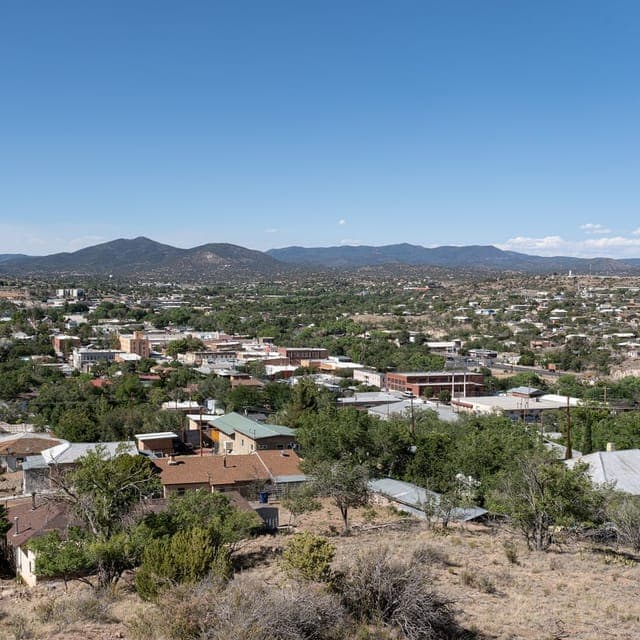
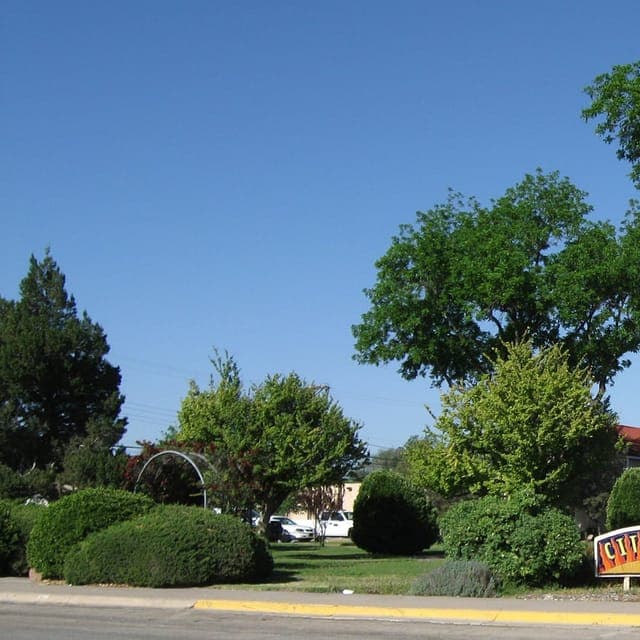
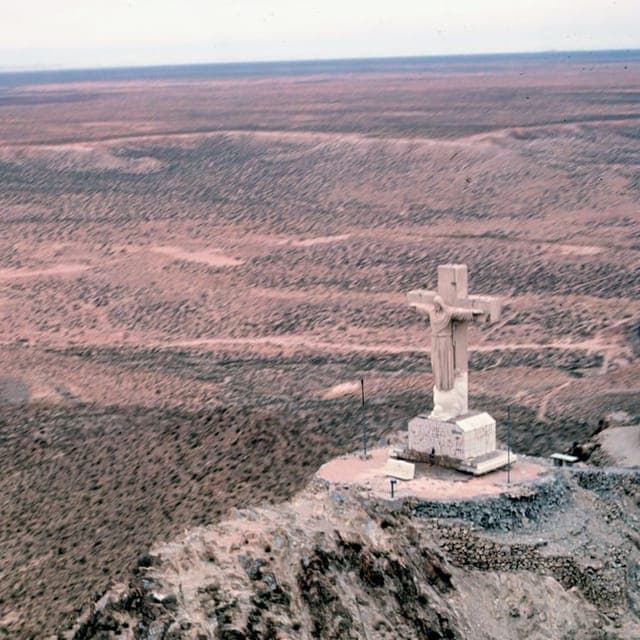

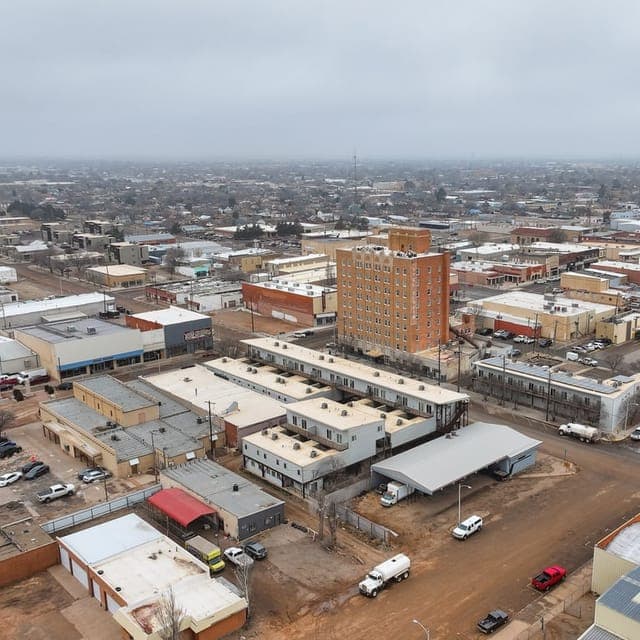
* Values derived from national, state, county, city and local statistics and may differ in a specific area. Last updated: 2026-04-14T06:21:01.000Z
Narrative content on this page is AI-generated and may contain mistakes. Verify any details that matter before acting on them.
ReloMaps may earn a commission from affiliate links at no extra cost to you.

