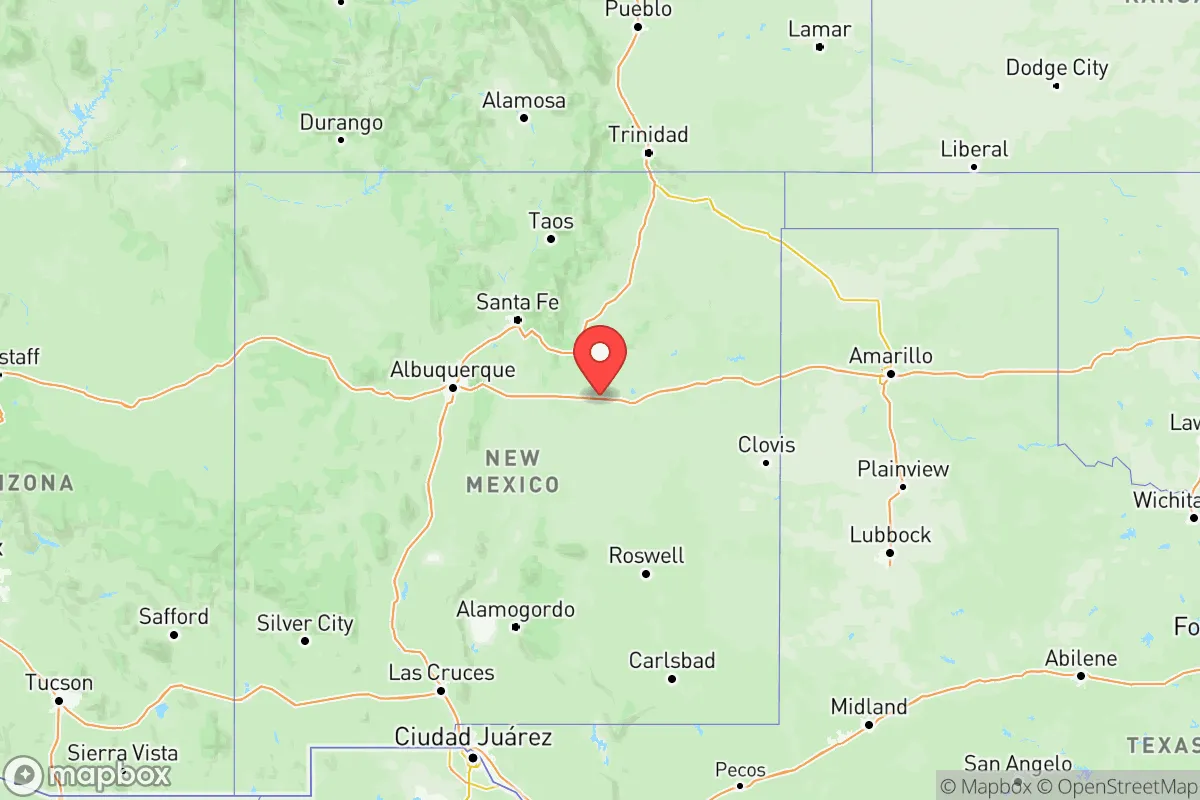
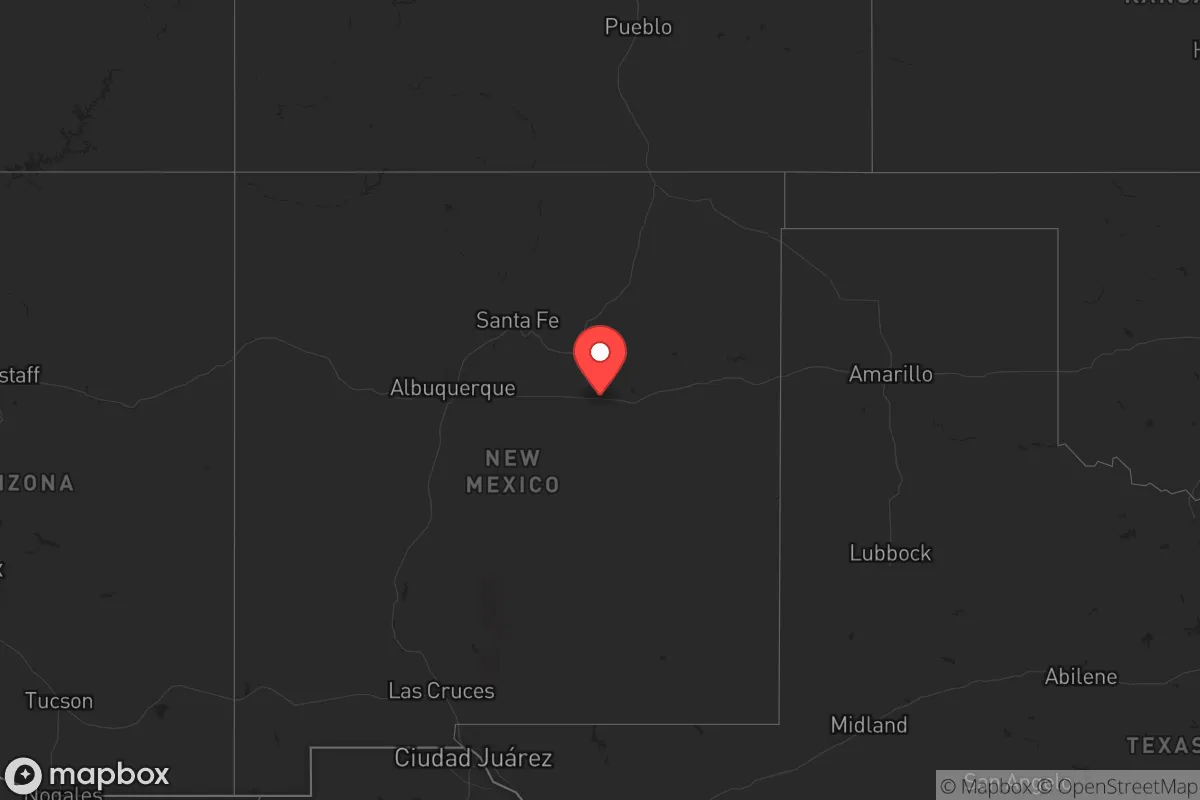
Photo: Wikipedia
Strategic Assessment of New Mexico
Strong survivability profile. Good buffer from population centers, with manageable environmental and tactical risks.
What does the Strategic Assessment tell us?
Our Strategic Assessment grades tactical survivability of an area. Major population centers, military targets, fallout zones, natural disasters, and border exposure all drive risk — lower exposure means a more defensible position in a crisis.
This is heavily inspired by Joel Skousen's Strategic Relocation book. Highly recommended you checkout the book ($)What does this tell us?
Our Strategic Assessment grades tactical survivability of an area. Major population centers, military targets, fallout zones, natural disasters, and border exposure all drive risk — lower exposure means a more defensible position in a crisis.
This is heavily inspired by Joel Skousen's Strategic Relocation book. Highly recommended you checkout the book ($)Regional Safe Places
Below is our recommended "safe zones" in New Mexico and the surrounding area based on our strategic heuristics. For most people, it's unrealistic to live in a “safe zone” full-time due to work, family or other personal reasons. They tend to be more rural. However, many of these areas are perfect for second homes and retreat properties that double as a vacation home or even a short-term rental.

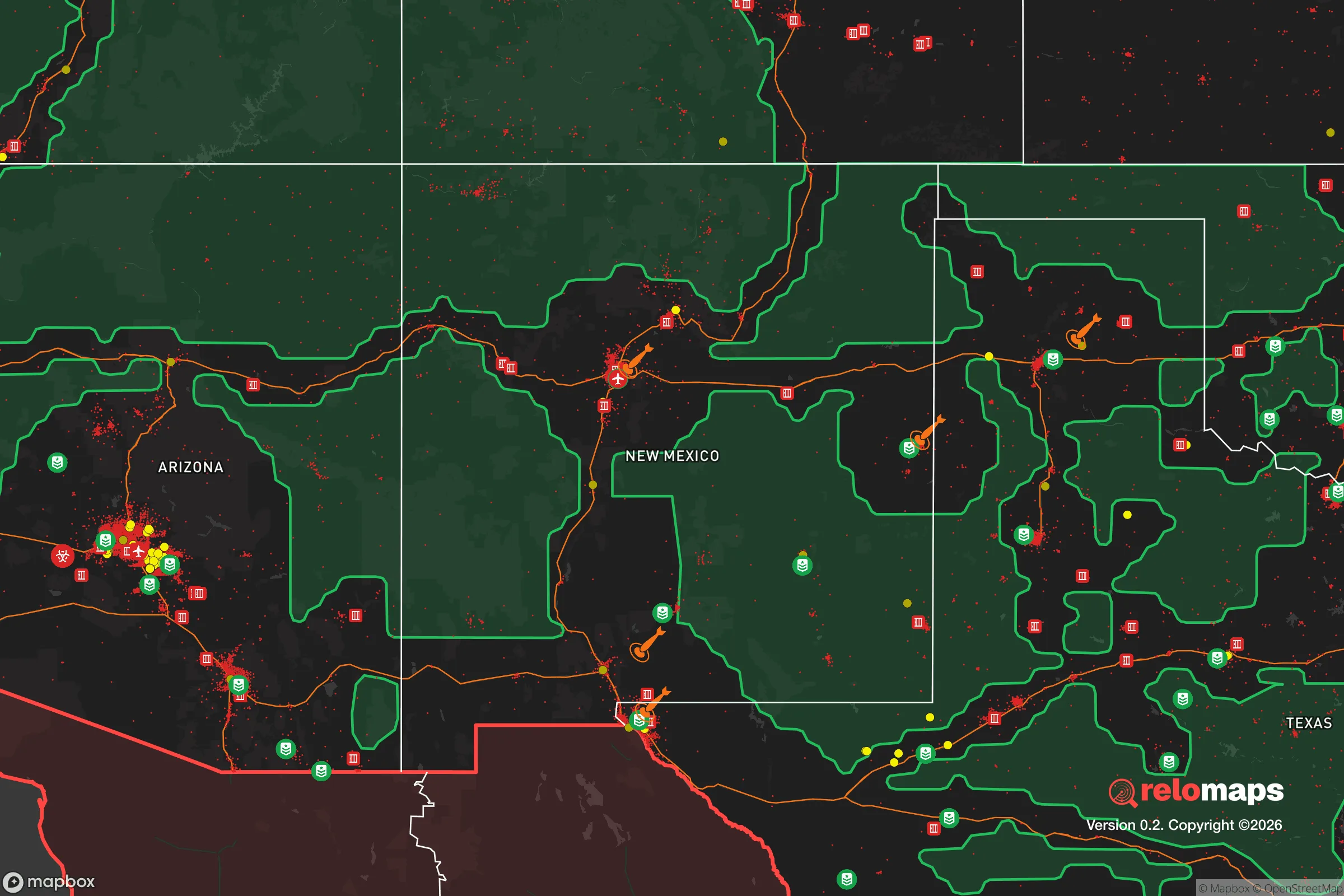


Important Note: For informational purposes only. This does not mean nothing bad ever happens in the green zones. Please use common sense. This is based on public data and modeled with AI. We tried to take a conservative approach but mistakes happen. We update this regularly as new information becomes available.
Solar Generator Recommendations
Backup power matters more here than in safer locations. We've picked three solar generators across budgets and capacity tiers — start with the budget unit if you only need a few essentials, or step up if you want to run a fridge and HVAC for days at a time.

Jackery Portable Power Station Explorer 300
Budget OptionPower on the Go: Weighing only 11 lbs, it's convenient to set up and store with book-sized foldable solar panels

BLUETTI Portable Power Station AC180
Designed for both indoor and outdoor scenarios, AC180 is highly capable as it has a robost capacity and continuous output power.

EF ECOFLOW DELTA Pro Ultra Power Station
Upgraded PickEcoFlow DELTA Pro Ultra is a whole-home energy system designed to grow with your family. Integrated with the Smart Home Panel 2, it scales to meet your evolving energy needs — keeping your home powered, intelligent, and secure through every stage of life.
We earn a commission, at no additional cost to you.
Strategic Assessment Analysis
New Mexico offers a compelling mix of geographic isolation, resource independence, and low population density that makes it a serious contender for anyone thinking long-term about resilience and self-reliance. While the state has its own set of challenges—water scarcity and a heavy-handed state government in Santa Fe chief among them—its position far from the major coastal population centers and away from the most likely fallout zones gives it a strategic edge that’s hard to ignore. For a conservative-leaning relocator looking to weather civic unrest, supply chain disruptions, or larger-scale disasters, New Mexico’s high desert and mountain regions provide a buffer that few other states can match.
Geographic isolation and natural defensive advantages in the Southwest
New Mexico sits in a sweet spot of the American Southwest, far enough from the West Coast’s seismic and tsunami risks and the Eastern Seaboard’s dense urban corridors. The state’s terrain is a natural fortress: vast stretches of high desert, rugged mountain ranges like the Sangre de Cristos and the Gila Wilderness, and wide-open basins that make it hard for any large-scale chaos to spread quickly. Key towns like Las Vegas (NM), Raton, and Silver City are tucked away from major interstate corridors, offering defensible positions with limited choke points for entry. The state’s low population—roughly 2.1 million people spread over 121,000 square miles—means you’re not competing with millions for resources when things go sideways. The Jicarilla Apache Nation and Navajo Nation lands in the northwest add another layer of cultural and geographic separation from the chaos of big-city life. For a prepper, this isolation is a feature, not a bug.
Fallout risks, proximity to military targets, and exposure to national-level threats
No place is completely safe, and New Mexico has its own set of exposure risks that need to be factored in. The state is home to Kirtland Air Force Base in Albuquerque and White Sands Missile Range near Las Cruces—both high-value military installations that could be primary or secondary targets in a major conflict. Los Alamos National Laboratory, the birthplace of the atomic bomb, is another obvious landmark that sits in the northern part of the state. While these sites are spread out, their presence means that certain areas—especially around Albuquerque and Santa Fe—carry a higher risk of being in a fallout or strike zone. On the flip side, the state’s distance from the Houston refinery corridor, the Port of Los Angeles, and the Dallas-Fort Worth metroplex means you’re well away from the most likely targets for economic or infrastructure attacks. The Permian Basin oil fields in southeastern New Mexico (around Carlsbad and Hobbs) are a potential target, but that region is sparsely populated and easy to avoid if you choose a more remote location. For the average relocator, the key is to avoid the I-25 corridor from Albuquerque to Santa Fe and instead look at the eastern plains or the Gila region.
Practical resilience: food, water, energy, and defensibility for a relocator
Water is the biggest practical concern in New Mexico. The state is arid, and much of it relies on the Rio Grande and the Pecos River for irrigation and municipal supply. For a relocator looking to be self-sufficient, this means you need to secure a property with a well or access to a reliable surface water source. The Gila River in the southwest and the Canadian River in the northeast are less tapped and offer better options for off-grid living. Food production is possible but requires planning—the growing season is short in the mountains (May to September) but longer in the southern valleys. Small-scale farming and livestock (goats, chickens, and hardy cattle) are viable, especially in areas like the Estancia Valley or around Mora. Energy is a bright spot: New Mexico has abundant solar potential, and many rural properties already have off-grid setups. Wind is also strong in the eastern plains. Defensibility comes down to terrain and community. The state has a strong tradition of rural self-reliance, with many small towns like Cloudcroft or Chama where neighbors look out for each other. The lack of major urban sprawl means you can find a property with a clear line of sight for miles, making it hard for anyone to approach unnoticed. The state’s gun laws are relatively permissive, and the culture is generally pro-Second Amendment, which aligns with a preparedness mindset.
The overall strategic picture for New Mexico is one of high reward with manageable risk. The state’s isolation from coastal chaos and major industrial targets gives it a strong baseline for weathering national-level disruptions. The trade-offs are real—water scarcity, a sometimes-hostile state government in Santa Fe, and the presence of a few high-value military sites—but for someone willing to do the legwork on water access and choose a location away from the Albuquerque-Santa Fe axis, the advantages are significant. New Mexico isn’t a bug-out location for the faint of heart; it’s a place for serious preppers who value space, independence, and a community that doesn’t rely on the grid. If you can handle the dry climate and the long drives to supplies, this state offers one of the best combinations of defensible terrain and resource potential in the lower 48.

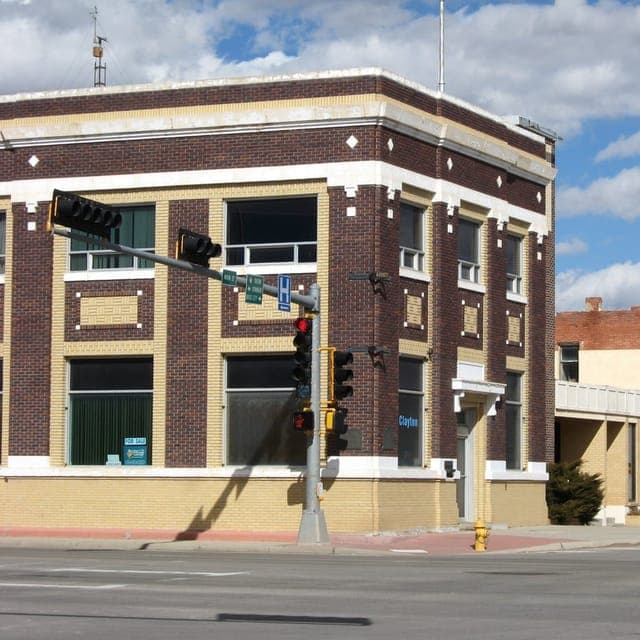
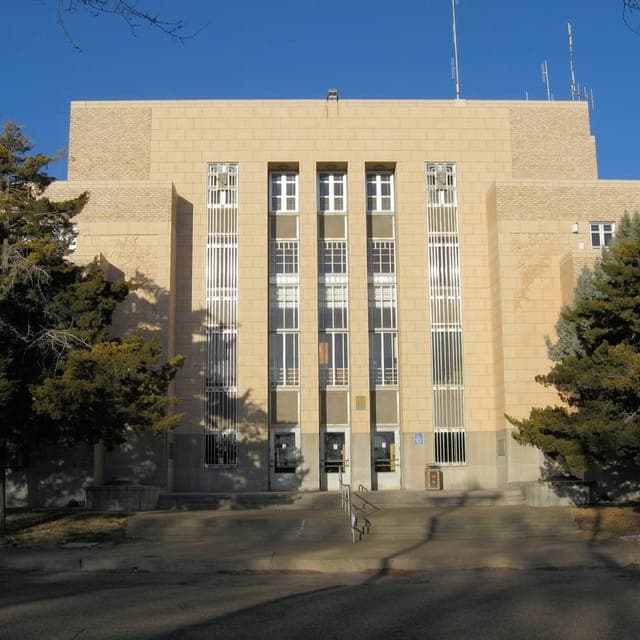
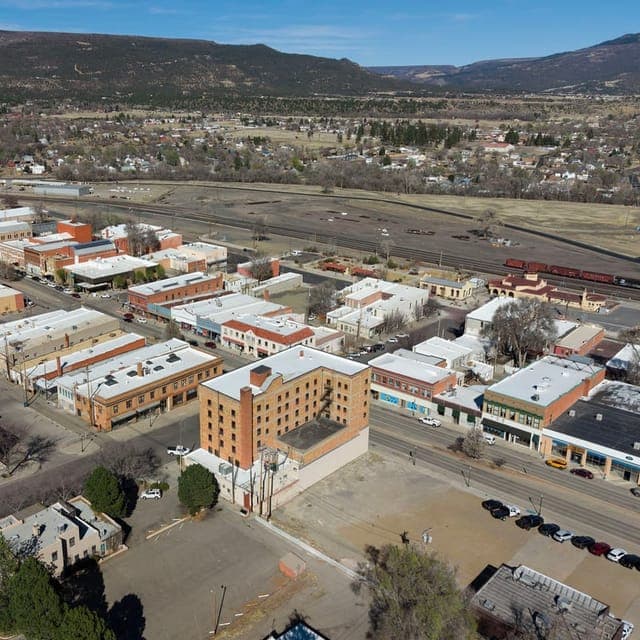
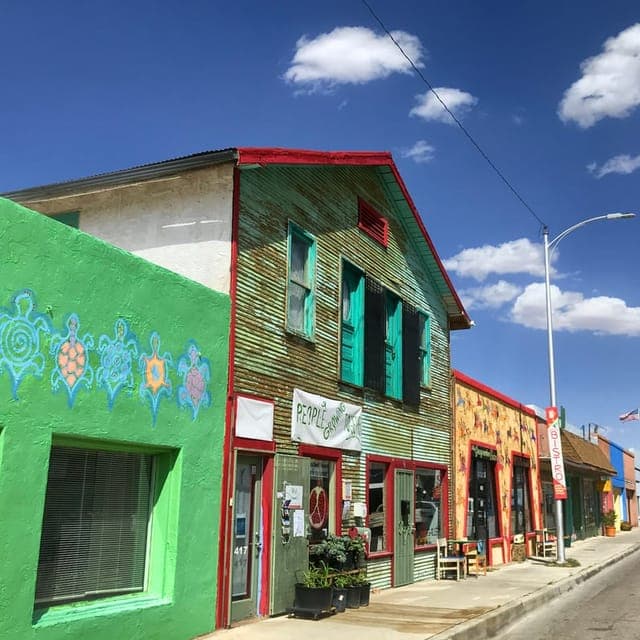
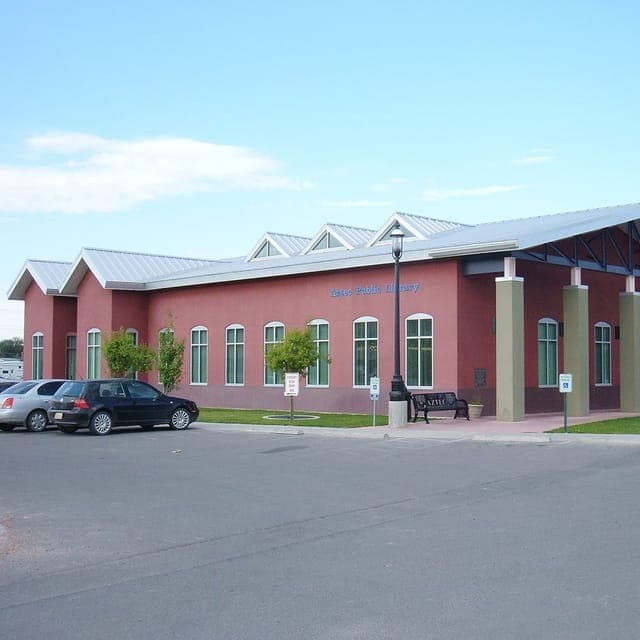
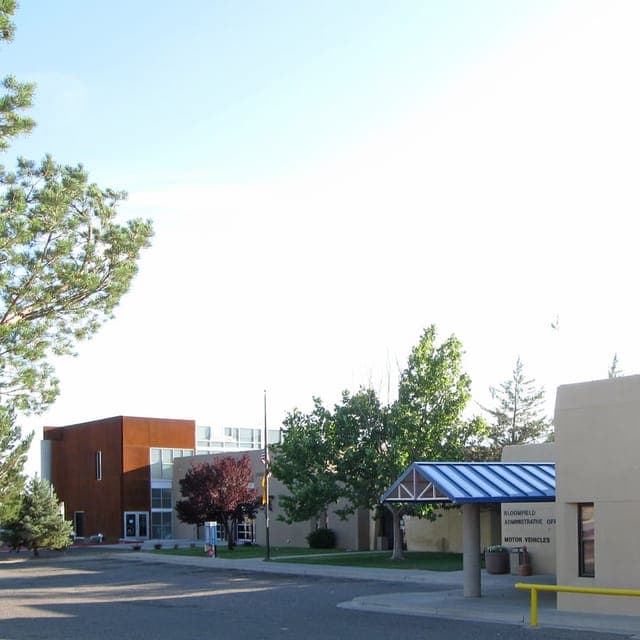
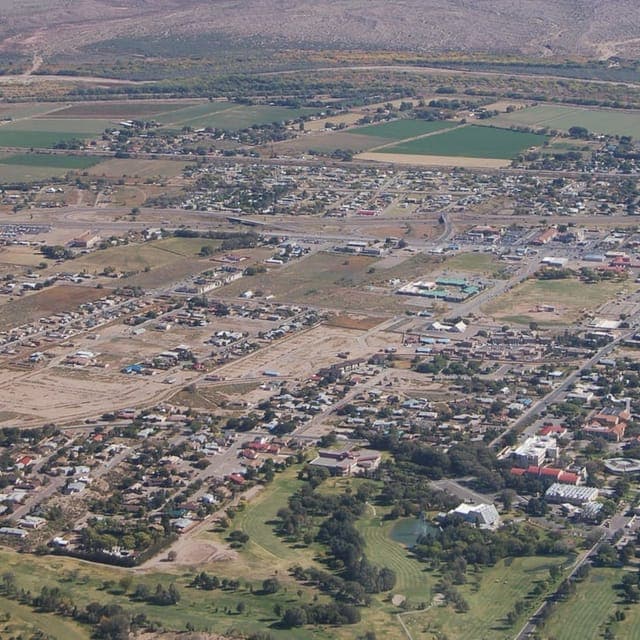
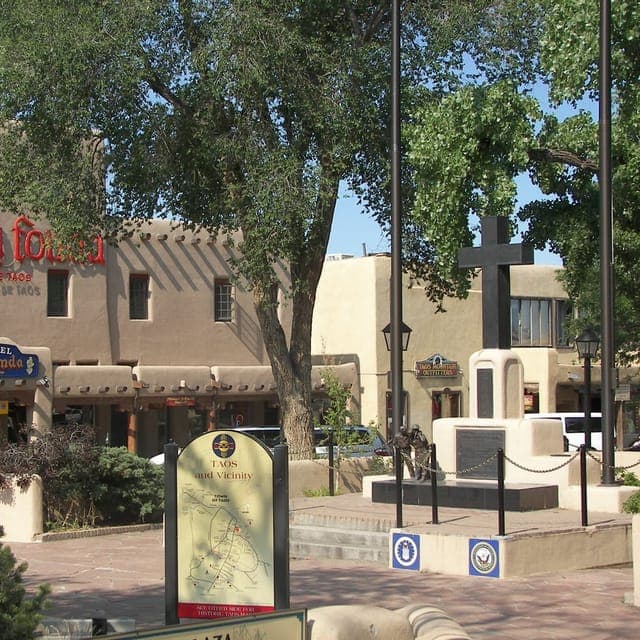
Top 10 Cities by Strategic Assessment in New Mexico
* Values derived from national, state, county, city and local statistics and may differ in a specific area. Last updated: 2026-04-14T06:21:01.000Z
Narrative content on this page is AI-generated and may contain mistakes. Verify any details that matter before acting on them.
ReloMaps may earn a commission from affiliate links at no extra cost to you.

