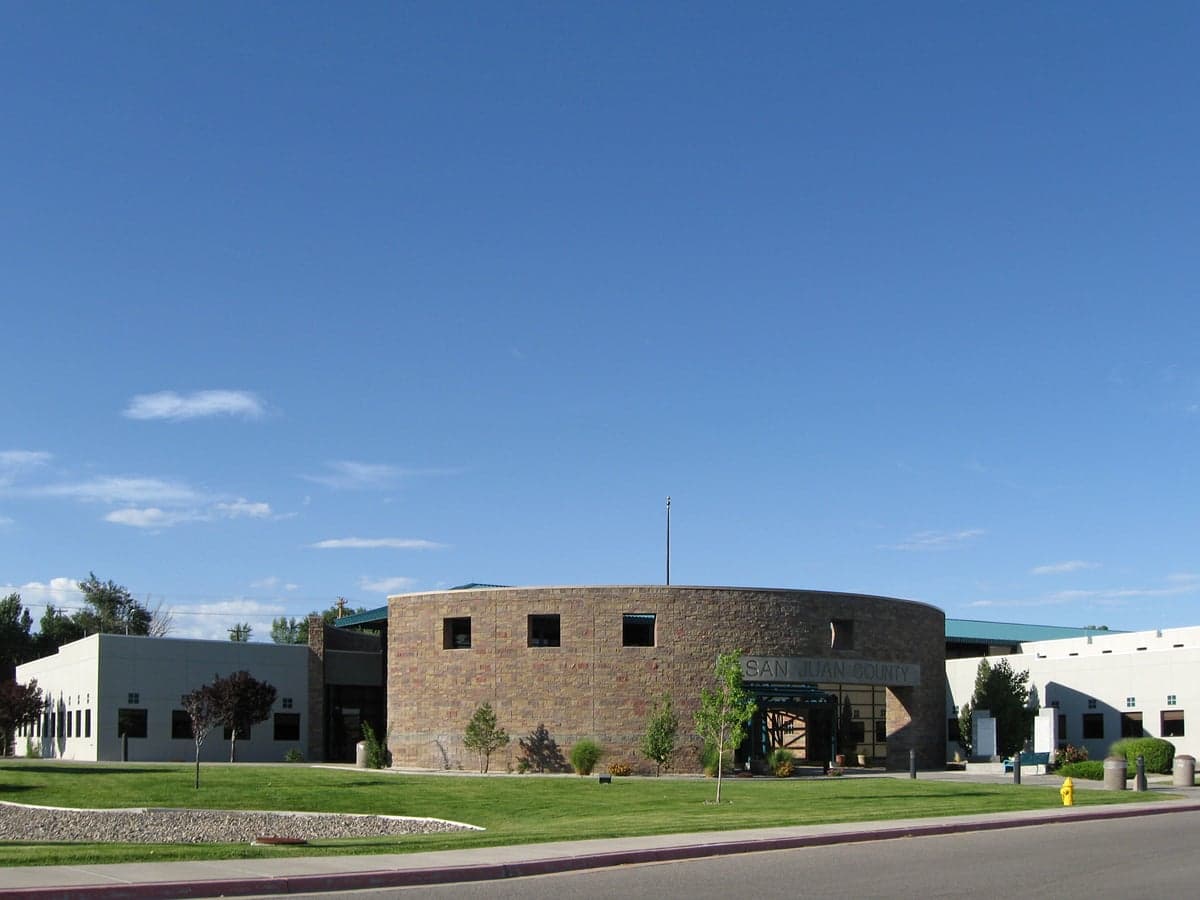
Photo: Wikipedia
Find The Best Places To Live in San Juan County
PRO TIP! You can paste a Zillow or Redfin link to get info on that property.
Best Places to Live in San Juan County
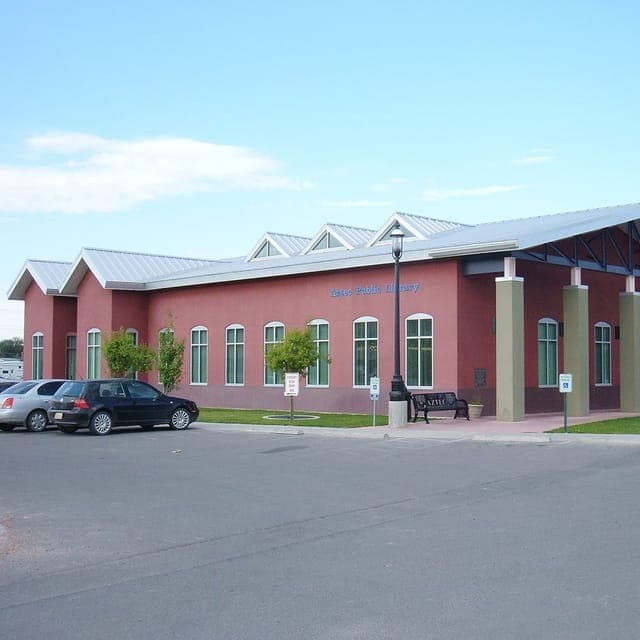
Cities & Towns in San Juan County
Cities in San Juan County
What It's Like Living in San Juan County, NM
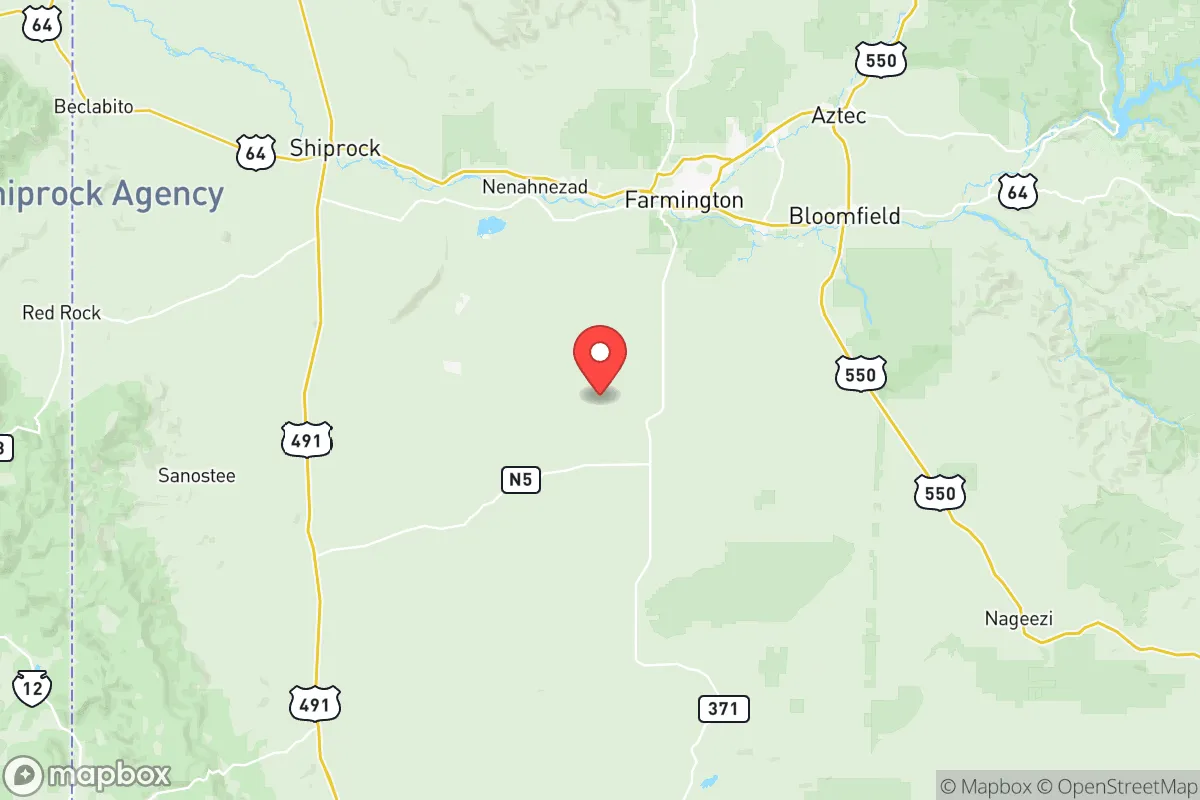
Living in San Juan County, New Mexico means settling into a landscape where the high desert meets the San Juan River, and where the pace of life is dictated more by the seasons and community events than by traffic jams. The county, anchored by the city of Farmington and including the towns of Aztec, Bloomfield, and Kirtland, along with the Navajo Nation communities of Shiprock and Ojo Amarillo, offers a distinct blend of Southwestern culture, outdoor recreation, and a working-class economy. It’s a place where you’ll know your neighbors, where Friday night football is a genuine social event, and where the Four Corners region’s unique history is always within reach.
Daily Rhythm: What People Actually Do
A typical day in San Juan County starts early, often with a commute that averages just under 24 minutes—a stark contrast to the hour-long slogs in Albuquerque or Denver. Most people work in energy, healthcare, education, or retail, with the San Juan Generating Station and the nearby oil and gas fields providing steady employment. In Farmington, you’ll find the main shopping and dining corridor along Main Street and the Animas Valley Mall, while Aztec’s historic downtown offers a quieter, more walkable experience with local cafes and antique shops. Weekends are often spent on the river—fishing, kayaking, or floating the San Juan River through the scenic Animas Valley—or hiking the Bisti/De-Na-Zin Wilderness, a surreal landscape of hoodoos and petrified wood that feels otherworldly. For families, the E3 Children’s Museum & Science Center in Farmington is a popular Saturday destination, while the Aztec Ruins National Monument provides a tangible connection to the Ancestral Puebloan people who lived here centuries ago.
Sports, Community, and the Local Identity
High school sports are a genuine cultural pillar here. On a Friday night in the fall, the stands at Farmington High School’s Scorpion Stadium or Aztec High School’s Fred Cook Memorial Stadium are packed, with the rivalry between the two schools drawing crowds that rival small college games. The community’s identity is deeply tied to these events—they’re where you catch up with neighbors, buy a green chile cheeseburger from the booster club, and cheer on the local kids. Beyond high school, the San Juan College Skyhawks provide junior college athletics, and the annual San Juan County Fair in Farmington is a week-long celebration of livestock shows, rodeo events, and carnival rides that brings the entire county together. The region’s cultural quirks are notable: the strong influence of the Navajo Nation means you’ll hear Diné Bizaad spoken in stores and see traditional fry bread sold at roadside stands, while the area’s deep Mormon and Catholic roots create a conservative, family-oriented social fabric. The Four Corners Monument is a tourist draw, but locals know the real magic is in the quiet canyons and the endless starry skies.
What’s There to Do: Entertainment, Outdoors, and Eating Out
Outdoor recreation is the main draw. The San Juan River is a world-class trout fishery, and the nearby Chaco Culture National Historical Park is a UNESCO World Heritage site that offers some of the best dark-sky stargazing in the country. For a night out, locals head to Three Rivers Brewery in Farmington for craft beer and live music, or to Kokopelli’s Grill for Southwestern fare. The Farmington Museum at Gateway Park offers rotating exhibits on local history and art, while the Aztec Speedway draws crowds for dirt-track racing on summer weekends. The biggest annual event is the Northern Navajo Nation Fair in Shiprock, which features a rodeo, parade, and traditional dances. For a quieter evening, the Allen Theatres in Farmington and Aztec show first-run movies. The cost of living index of 74 (well below the US average of 100) means that a night out or a weekend trip is affordable, and the median home value of $185,100 makes homeownership attainable for many—especially compared to the booming markets in Santa Fe or Durango, Colorado.
Pros and Cons of Living Here
Longtime residents love the low cost of living, the strong sense of community, and the unmatched access to the outdoors. The median household income of $53,020 goes further here than in most of the country, and the short commute means more time for family and hobbies. The weather is another plus: four distinct seasons with mild winters (average January highs in the 40s) and warm, dry summers (July highs in the 90s), with very little humidity. But there are real frustrations. The violent crime rate of 605.9 per 100,000 is significantly higher than the national average, and property crime is a concern in parts of Farmington and Shiprock. The college-educated population is just 16.6%, which reflects a limited white-collar job market—many professionals commute to Durango or work remotely. The isolation is another factor: the nearest major city, Albuquerque, is a three-hour drive, and the closest airport with regular commercial service is in Durango, Colorado, about 45 minutes away. For families, the schools are a mixed bag—Aztec and Bloomfield have solid reputations, while Farmington’s schools face challenges tied to poverty and funding. The median age of 38 suggests a population that’s settled and family-focused, but the lack of young professionals and nightlife can feel stifling for singles in their 20s. Ultimately, San Juan County is a place for people who value community, the outdoors, and a slower pace—and who are willing to trade urban amenities for space and affordability.

* Values derived from national, state, county, city and local statistics and may differ in a specific area. Last updated: 2026-08-04T00:52:29.000Z
Narrative content on this page is AI-generated and may contain mistakes. Verify any details that matter before acting on them.
ReloMaps may earn a commission from affiliate links at no extra cost to you.

