
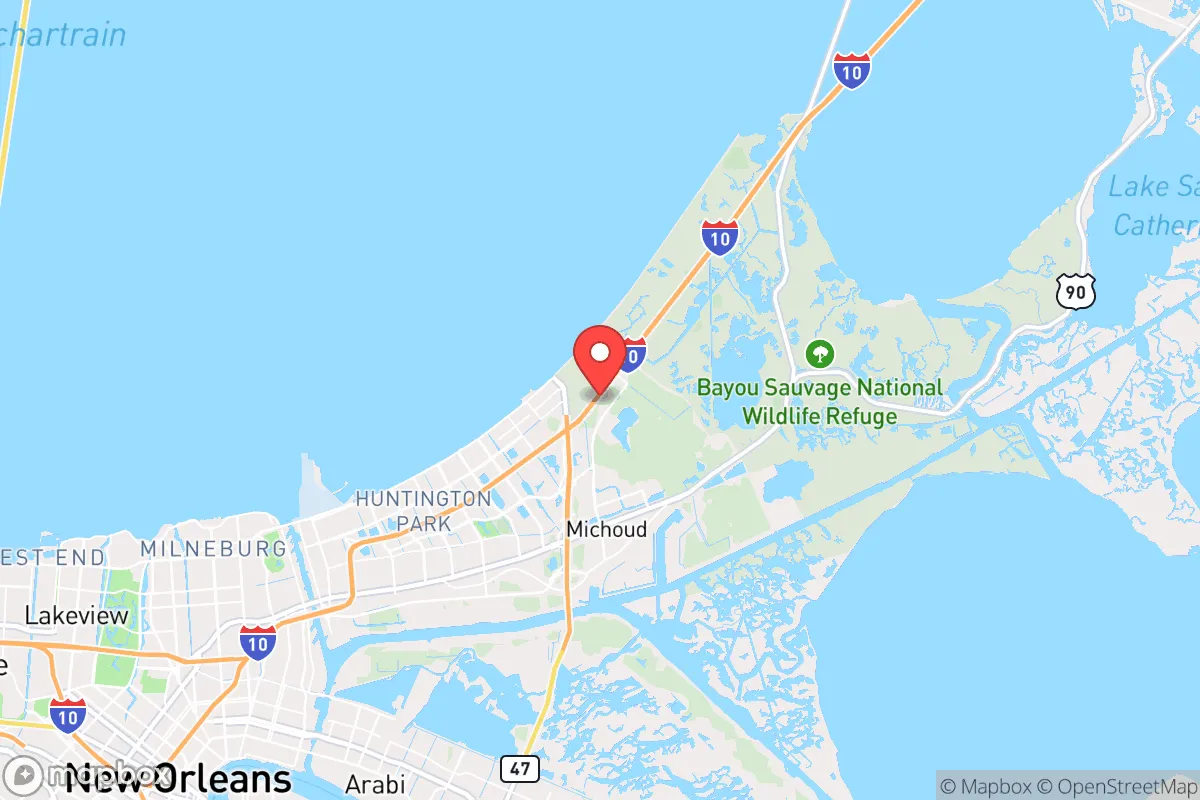
Photo: Wikipedia
Quality of Life in New Orleans, LA
A high quality of life with strong walkability, manageable living costs, healthy neighborhood signals, and solid amenity access.
What does Quality of Life tell us?
Quality of Life blends cost of living, nearby amenities, socioeconomic signals, and neighborhood character. City-level scores represent the whole municipality; individual neighborhoods can differ.
What does this tell us?
Quality of Life blends cost of living, nearby amenities, socioeconomic signals, and neighborhood character. City-level scores represent the whole municipality; individual neighborhoods can differ.
Cost of Living
5% above national average
The Real Cost of Living in New Orleans, LA for 2026
| Tier | Individual | Family (4) |
|---|---|---|
| Survival | $19k | $36k |
| Comfortable | $58k | $85k |
| Luxury | $100k+ | $155k+ |
| Elite (Top 5%) | $169k+ | $262k+ |
65%
The Area Signal
A metric tracking the socioeconomic signals of the area.
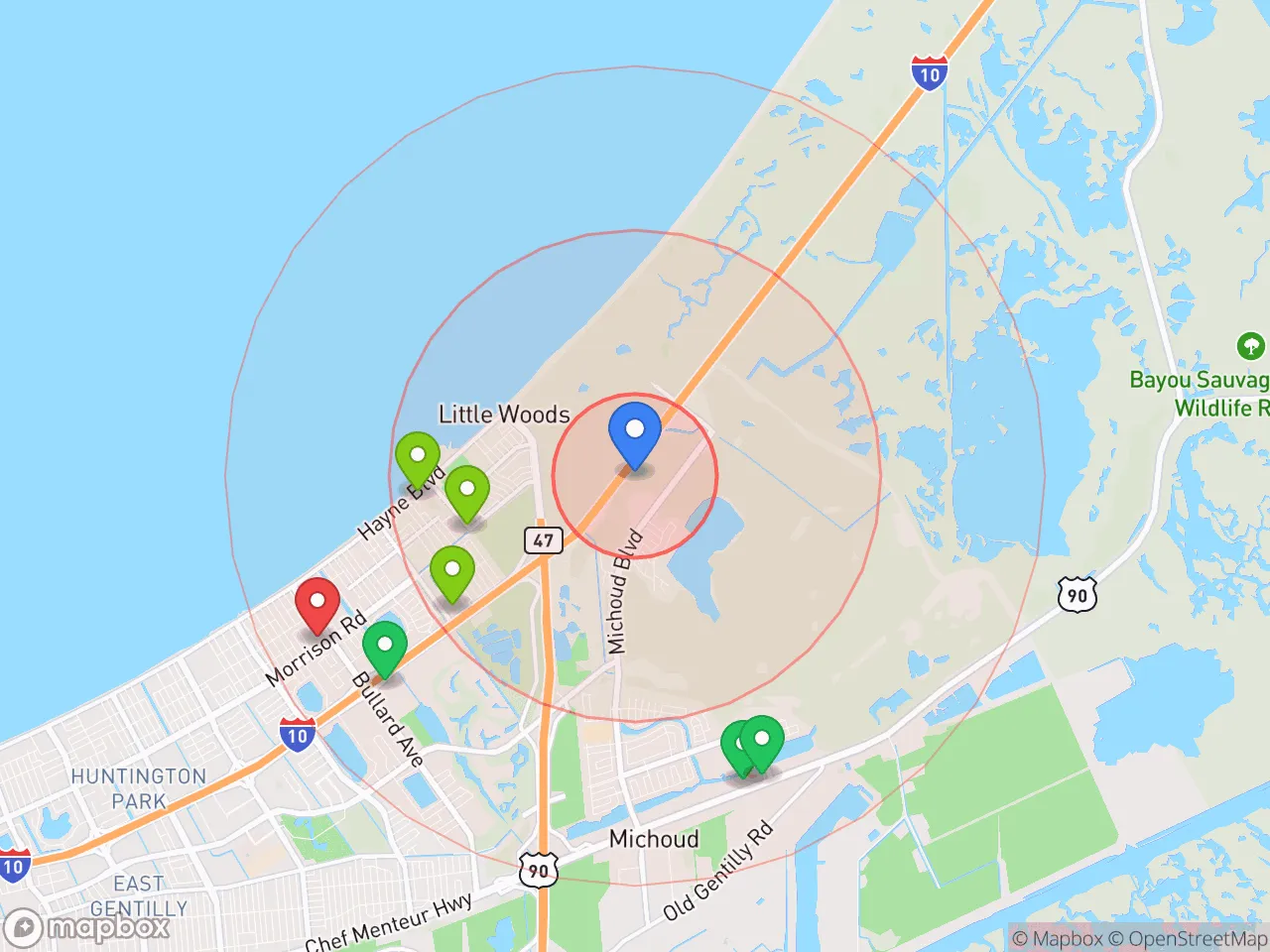
Hobbies
Explore the areaGroceries
2 within 10 miles
Gas
20 within 10 miles
Hospital
20 within 20 miles
Airport
IAH — George Bush Intercontinental
Post Office
USPS — New Orleans, LA
Critical Amenities
Quality-of-Life Analysis
New Orleans, Louisiana, presents a distinctive quality-of-life profile that blends a below-average cost of living for a major metro with a median household income of roughly $55,000, placing it below the national median. The city attracts a diverse mix of residents: young professionals drawn to the culture and hospitality industries, creative-class workers in music and the arts, and long-established multi-generational families who anchor neighborhoods like the Marigny, Uptown, and Gentilly. While the city is not affluent by national standards—its poverty rate hovers around 23%—its unique cultural assets and relatively low housing costs create a lifestyle that prioritizes experience over material wealth.
Cost of living, housing, and affordability compared to nearby areas
New Orleans has a cost-of-living index of 105, meaning it is slightly above the U.S. average but significantly cheaper than peer Southern metros like Austin (index ~115) or Nashville (index ~110). The median home value is $296,400, which is roughly $100,000 below the national median and about $50,000 less than in Baton Rouge, the state capital 80 miles northwest. Median rent sits at $1,211, making it more affordable than the national median of $1,400 and substantially cheaper than the $1,700+ averages seen in Houston or Atlanta. However, property insurance costs are among the highest in the country—often $4,000–$8,000 annually for a standard home—due to hurricane risk, which can offset the lower purchase price. The average commute time is 22.7 minutes, well below the national average of 26.4 minutes, meaning most residents can live close to work or school without sacrificing time. For renters and first-time buyers, neighborhoods like Mid-City, Algiers Point, and the 7th Ward offer entry points under $250,000, while the French Quarter and Garden District command premiums above $500,000.
Amenities, schools, and what daily life is like for families
Daily life in New Orleans revolves around its walkable, neighborhood-centric layout, with corner grocery stores, live music venues, and parks like City Park (1,300 acres) and Audubon Park providing recreation. The city’s public school system has undergone significant reform since Hurricane Katrina, with over 90% of schools now operating as charter schools under the Recovery School District. Top-performing options include Benjamin Franklin High School (ranked #1 in Louisiana) and Lusher Charter School, though school quality varies widely by neighborhood, and many middle-class families opt for private or parochial schools (tuition averaging $6,000–$12,000/year). Amenities are abundant: the New Orleans Museum of Art, the Ogden Museum of Southern Art, the French Market, and the 24-hour culture of Frenchmen Street music clubs define the rhythm. For families, the city offers strong community ties through neighborhood festivals (e.g., Po-Boy Festival, Bayou Boogaloo) and a robust network of early childhood centers, though healthcare access is uneven—the city has only one Level 1 trauma center (University Medical Center) and limited pediatric specialty care compared to Houston or Atlanta.
New Orleans is best suited for residents who value cultural richness, walkability, and a slower pace of life over high-end retail, top-tier public schools, or low insurance costs. It appeals strongly to creatives, hospitality workers, remote professionals who can tolerate occasional infrastructure quirks (aging drainage systems, potholes), and families willing to navigate the charter school lottery or pay for private education. Those seeking a low-crime, high-amenity suburban environment may find better fits in neighboring Jefferson Parish (Metairie, Kenner) or the Northshore (Mandeville, Covington), where home values are similar but insurance is lower and schools are more uniformly rated. For anyone drawn to a city where daily life includes second-line parades, neighborhood po-boy shops, and a calendar packed with festivals, New Orleans offers a quality of life that no cost index can fully capture.

Crime in New Orleans, LA
Crime rates similar to the national median for U.S. locations.
Violent CrimeViolent Crime Analysis
Property CrimeProperty Crime Analysis
Crime Analysis
New Orleans faces a serious public safety challenge, with violent and property crime rates significantly exceeding national averages. The city's overall crime picture is shaped by a combination of socioeconomic factors and a local justice system that has, in recent years, adopted progressive policies that critics argue prioritize offender rehabilitation over public safety and victim accountability. For anyone considering relocation, understanding these dynamics is essential to making an informed decision.
Crime in context
New Orleans reports a violent crime rate of 351.6 incidents per 100,000 residents, which is roughly double the national average. Property crime stands at 1,418 per 100,000, also well above the U.S. median. These figures place the city among the highest-crime large metro areas in the country. A key factor driving these numbers is the local criminal justice environment. Orleans Parish has elected progressive district attorneys and judges who have championed bail reform, reduced sentencing guidelines, and diversion programs for repeat offenders. While these policies aim to reduce incarceration, they have been linked to a revolving-door effect: criminals are frequently released back onto the streets without meaningful consequences, undermining deterrence and leaving victims with little recourse. This pattern is especially pronounced in a large metro area like New Orleans, where high population density and concentrated poverty amplify the impact of lenient justice.
What residents experience
For daily life, the risk is not abstract. Property crime—including car break-ins, burglaries, and theft—is a near-constant concern, particularly in tourist-heavy areas like the French Quarter and Central Business District. Violent crime, while less random, is concentrated in specific neighborhoods and often tied to drug markets or interpersonal disputes. Residents report that police response times are slow and that many property crimes go unsolved, a direct consequence of understaffing and a justice system that deprioritizes prosecution. The progressive approach has also led to a rise in open-air drug use and public disorder, as enforcement of quality-of-life laws has waned. For families and professionals, this means constant vigilance: securing vehicles, avoiding certain streets after dark, and investing in home security systems are standard precautions.
Neighborhood-level variation
Safety varies dramatically by neighborhood. The Uptown area, including the Garden District and Audubon Park, sees lower crime rates due to higher property values and active neighborhood watches. Conversely, the Lower Ninth Ward, Central City, and parts of the Seventh Ward experience the highest violent crime rates. Suburban areas like Metairie and Kenner, while still in the metro area, offer significantly lower crime rates and more conservative local governance. For those committed to living within New Orleans proper, choosing a neighborhood with strong community policing and homeowner associations is critical. However, the overarching reality remains: the city's progressive judicial philosophy creates an environment where public safety is consistently compromised, and residents must accept a higher baseline of risk than in comparable cities with tougher justice policies.
* Values derived from national, state, county, city and local statistics and may differ in a specific area. Last updated: 2026-04-22T12:55:34.000Z
Narrative content on this page is AI-generated and may contain mistakes. Verify any details that matter before acting on them.
ReloMaps may earn a commission from affiliate links at no extra cost to you.

