Photo: Wikipedia
Find The Best Places To Live
in Metairie
PRO TIP! You can paste a Zillow or Redfin link to get info on that property.
What It's Like Living in Metairie, LA
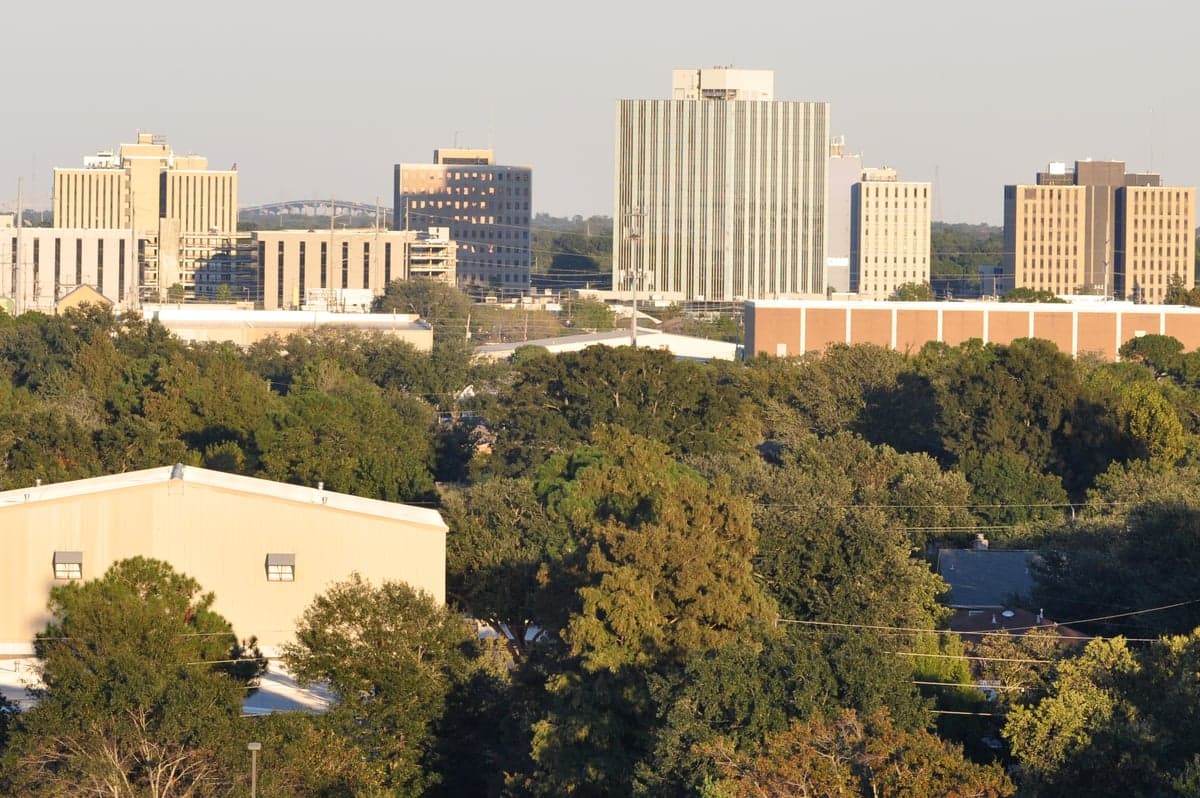
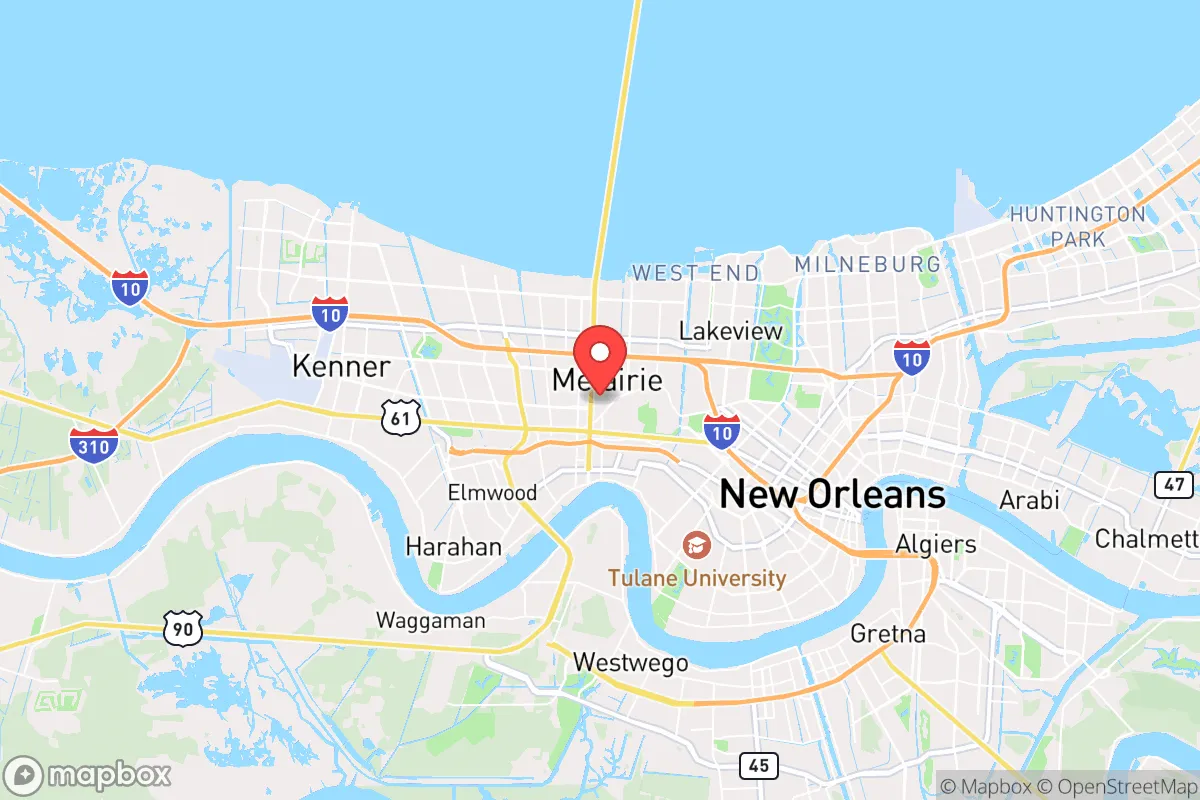
Metairie is the kind of place that feels like a small town but happens to have 138,995 people living in it. It’s a suburban powerhouse just west of New Orleans, where the median age hovers around 41.5 and the median household income sits at $73,256 — a solidly middle- to upper-middle-class community where people actually know their neighbors. If you’re looking for a place that’s close enough to the French Quarter for a weekend date night but far enough to avoid the constant parade of tourists and parking headaches, Metairie is where you land.
Daily Rhythm: What People Actually Do
Life here revolves around a few reliable anchors: work, school, food, and family. The average commute is just over 21 minutes, which means most people can get to their jobs in New Orleans or the nearby industrial corridor without spending an hour in the car. Weekends are for errands at Lakeside Shopping Center, grabbing a po-boy from a neighborhood joint like Parran’s Po-Boys or Harbor Seafood & Oyster Bar, and catching a game at a local sports bar. The median home value of $308,900 gets you a solid 3-bedroom in a neighborhood with mature oak trees and sidewalks — not luxury, but comfortable. The cost of living index is 104, just a hair above the national average, which feels fair given the proximity to New Orleans amenities.
Parents here lean heavily into school and extracurricular life. The public schools are a mixed bag — some are excellent, others are not — so private and parochial schools like Archbishop Rummel High School and St. Martin’s Episcopal School are common conversation topics. Youth sports, especially football and baseball, are a big deal. The kind of person who fits in here is someone who values stability, has a job in healthcare, oil and gas, or the service industry, and doesn’t mind that the biggest cultural events are often centered around food and football.
Sports, Festivals, and the Local Identity
Sports are woven into the fabric here, but not in the way you might expect. There’s no major pro team in Metairie itself, but the New Orleans Saints and LSU Tigers are religion. On game days, you’ll see flags on trucks, jerseys at the grocery store, and bars packed by 11 a.m. High school football is genuinely huge — John Curtis Christian School and Rummel draw crowds that rival some small colleges. The local identity is proudly Louisianan but slightly more buttoned-up than New Orleans proper. People here say “New Or-leens” (not “N’awlins”) and take their king cake seriously during Carnival season.
Festivals are a year-round thing. The Jefferson Parish Fair in the spring is a classic small-town carnival with rides and funnel cakes. The Metairie Art Guild puts on shows, and the Louisiana Renaissance Festival draws families from across the region. For music, you’re a 15-minute drive from the Maple Leaf Bar or Tipitina’s in New Orleans, but locally, Rock ’n’ Bowl on South Carrollton Avenue is a beloved spot for zydeco and blues. Outdoor life is limited — the terrain is flat and swampy — but Lafreniere Park offers walking trails, a lake, and a carousel that’s a hit with kids.
Pros and Cons of Living Here
What longtime residents love:
- The food scene is ridiculous. You can eat world-class gumbo, crawfish étouffée, and fried shrimp at a dozen places within a 10-minute drive. Deanie’s Seafood and Drago’s Seafood Restaurant are local institutions.
- Proximity to New Orleans without the chaos. You can be in the French Quarter in 20 minutes, but you sleep in a quiet suburb with a yard.
- Strong sense of community. Block parties, school fundraisers, and church events are the social calendar. People look out for each other.
- Affordable for the region. Compared to the Garden District or Uptown, Metairie offers more space for the money.
What frustrates residents:
- Traffic on Veterans Memorial Boulevard. It’s a parking lot during rush hour and on weekends. Locals learn the back roads fast.
- Crime is a real concern. The violent crime rate is 351.6 per 100,000 — above the national average. Property crime, especially car break-ins, is a common complaint. Most people lock their doors and don’t leave valuables in sight.
- Weather is brutal. Humid summers with heat indexes over 100°F, and hurricane season runs June through November. Everyone has a generator and a plan for evacuation.
- Not a lot of nightlife for singles. If you’re under 30 and not into sports bars or family gatherings, you’ll likely end up driving to New Orleans for entertainment.
Cultural Quirks and Practical Realities
Metairie has a few quirks that newcomers notice immediately. Neutral ground is what everyone calls the median strip — it’s where you park your car during a parade or a hurricane. Speaking of hurricanes, the seasonal rhythm is real: from June to November, you watch the Weather Channel and stock up on water and canned goods. The local government, Jefferson Parish, is efficient compared to New Orleans — trash pickup is reliable, and potholes get filled faster. The median age of 41.5 reflects a community that’s settled: lots of empty-nesters and families with school-age kids, fewer young singles. About 39.9% of adults hold a bachelor’s degree or higher, which is respectable but not elite — this is a blue-collar-and-professional mix.
For parents, the schools are a central concern. The public system has some strong magnets and charters, but many families opt for private or parochial education, which runs $5,000–$12,000 a year. The community is heavily Catholic, and that influences the rhythm of life — Lenten fish fries, Christmas pageants, and school carnivals are standard. If you’re a conservative-leaning family who values tradition, safety, and a good meal, Metairie will feel like home. If you’re looking for walkable urbanism or a vibrant arts scene, you’ll need to head into the city. But for the daily grind of work, school, and weekend crawfish boils, it’s hard to beat.

Similar small cities to Metairie



* Values derived from national, state, county, city and local statistics and may differ in a specific area. Last updated: 2026-04-23T04:58:29.000Z
Narrative content on this page is AI-generated and may contain mistakes. Verify any details that matter before acting on them.
ReloMaps may earn a commission from affiliate links at no extra cost to you.

