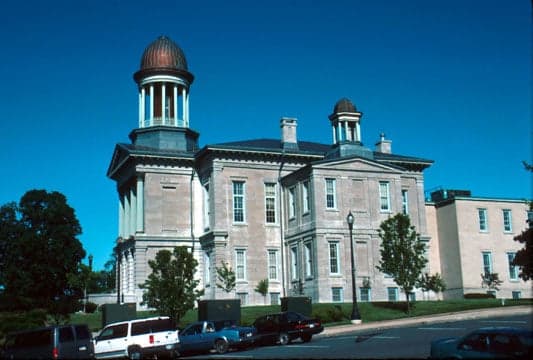
Photo: Wikipedia
Quality of Life in Oswego County
A livable area that tracks near national norms for affordability, walkability, and neighborhood health.
What does Quality of Life tell us?
Quality of Life measures an area by evaluating factors like cost of living, nearby amenities, country club access, airport proximity, socioeconomic signals and neighborhood character. For large states, this is a general average — quality of life can vary dramatically between metro areas, suburbs, and rural communities within the same state.
What does this tell us?
Quality of Life measures an area by evaluating factors like cost of living, nearby amenities, country club access, airport proximity, socioeconomic signals and neighborhood character. For large states, this is a general average — quality of life can vary dramatically between metro areas, suburbs, and rural communities within the same state.
Cost of Living
32% below national average
172%
The Real Cost of Living in Oswego County for 2026
| Tier | Individual | Family (4) |
|---|---|---|
| Survival | $15k | $28k |
| Comfortable | $27k | $40k |
| Luxury | $114k+ | $177k+ |
| Elite (Top 5%) | $135k+ | $209k+ |
Quality-of-Life Analysis
Oswego County offers a broad quality-of-life spectrum that ranges from the small-city amenities of its county seat to the deep quiet of Lake Ontario shoreline hamlets and inland farming communities. The county’s character shifts noticeably as you move from the Fulton–Oswego corridor, where daily life revolves around regional employers and modest commercial strips, into the rural townships where agriculture, seasonal tourism, and outdoor recreation define the pace. People drawn here typically prioritize affordability and space over urban density, with the mix of settings accommodating everyone from young families seeking a low-cost starter home to retirees looking for lakefront tranquility.
Largest town(s) & population centers
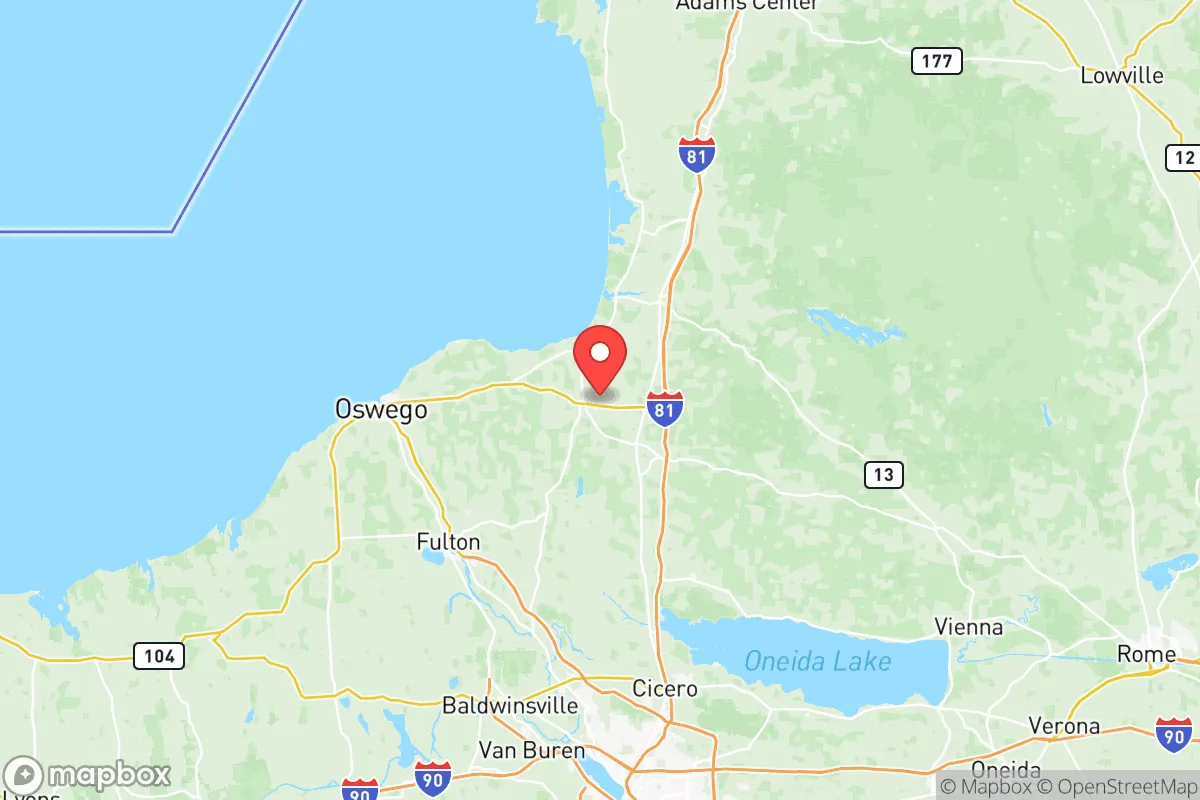
The county’s two primary population centers are Oswego (pop. ~17,000) and Fulton (pop. ~10,600). Oswego, the county seat and a Lake Ontario port city, functions as the region’s commercial and institutional hub, anchored by SUNY Oswego (roughly 7,000 students) and a modest downtown with restaurants, a farmers market, and the H. Lee White Maritime Museum. Daily life here includes walkable neighborhoods near the waterfront, a small hospital (Oswego Health), and a commute that averages 25 minutes countywide — slightly longer for those driving to manufacturing jobs in Fulton or to the larger employment base in Syracuse (about 40 minutes southeast). Fulton, located on the Oswego River, has a more industrial feel with legacy employers like Huhtamaki (packaging) and a compact downtown that has seen reinvestment in its historic buildings. Both cities offer the basics — grocery stores, chain retail, public libraries — but residents typically drive to Syracuse for major shopping, specialized healthcare, or air travel.
Smaller towns & rural pockets
Beyond the two cities, Oswego County contains a string of smaller communities that each offer a distinct flavor. Mexico (pop. ~1,500) serves as a rural service center with a village green, a weekly farmers market, and easy access to the Salmon River for fishing. Pulaski (pop. ~2,200), the gateway to the Salmon River’s renowned steelhead and salmon runs, draws anglers year-round and supports a small tourism economy with guide services and seasonal lodging. Central Square (pop. ~1,800) is a bedroom community for Syracuse commuters, offering newer subdivisions and a direct route via NY-481. Along the Lake Ontario shoreline, hamlets like Sandy Creek and Hannibal are predominantly residential and agricultural, with lake-effect snow in winter and quiet summers punctuated by boating and beach access at county parks like Selkirk Shores State Park. The inland towns of Williamstown and Redfield are sparsely populated, with large tracts of state forest land (including the Tug Hill region) that attract hunters, snowmobilers, and off-grid homesteaders.
Cost & lifestyle range
The county’s cost-of-living index of 68 (well below the national average of 100) makes it one of the most affordable places in New York State, but the lifestyle experience varies significantly by location. At the lower end of the cost spectrum, Fulton and the rural townships offer the cheapest housing: the countywide median home value is $139,600, and in areas like Volney or Granby, fixer-uppers can be found for under $100,000. Renters pay a median of $943 per month, with the most affordable units concentrated in Fulton and the older housing stock of Oswego’s east side. At the higher end, lakefront properties in Oswego’s west side neighborhoods or along the shoreline in Mexico and Sandy Creek can reach $250,000–$400,000, though that still represents a bargain compared to similar waterfront in Wayne or Cayuga counties. Amenities follow the same gradient: Oswego offers the most dining, entertainment, and healthcare options; Fulton has solid basics but fewer choices; and rural residents rely on trips to either city or to Syracuse for anything beyond groceries and hardware. Internet access is generally reliable in the villages but can be spotty in the deeper rural areas of Tug Hill.
Oswego County works best for people who value low housing costs, outdoor recreation, and a slower pace, and who are comfortable with a 25–40 minute drive to reach a full-service grocery store or a sit-down restaurant. Young families and first-time homebuyers find the most opportunity in Fulton and Central Square, where starter homes are abundant and school districts are adequate. Retirees and second-home buyers gravitate toward the lakefront communities for seasonal beauty and lower taxes than the Finger Lakes region. Remote workers can stretch a modest income further here than almost anywhere else in the Northeast, provided they have a reliable internet connection. The county does not offer the cultural density or job diversity of a metro area, but for those whose priorities lean toward space, affordability, and access to water and woods, it delivers a quality of life that is increasingly hard to find in New York State.

Crime in Oswego County
Crime rates similar to the national median for U.S. locations.
Violent CrimeViolent Crime Analysis
Property CrimeProperty Crime Analysis
Crime Analysis
Oswego County, New York, presents a mixed safety picture that varies significantly by municipality. The county's overall violent crime rate of 362.7 per 100,000 residents is notably higher than the national average, while its property crime rate of 1,540.3 per 100,000 sits below the national benchmark. These county-level figures, however, mask sharp contrasts between the City of Oswego, which drives much of the crime data, and safer suburban and rural towns like Mexico, Pulaski, and Central Square.
Crime in context
When compared to New York State as a whole, Oswego County's violent crime rate is roughly 1.5 times the state average, placing it among the higher-crime counties in Upstate New York. The property crime rate, by contrast, is about 20% lower than the state average, reflecting a lower incidence of theft and burglary in many of the county's smaller communities. The violent crime rate of 362.7 per 100K is driven primarily by aggravated assaults and robberies, with homicides remaining rare. The property crime rate of 1,540.3 per 100K is dominated by larceny-theft, followed by burglary and motor vehicle theft. These numbers are drawn from FBI Uniform Crime Reporting data, which relies on voluntary submissions from local law enforcement agencies.
What residents experience
Daily life in Oswego County is heavily influenced by which town or city a resident calls home. The City of Oswego, the county seat and largest population center, consistently reports the highest crime rates in the county. Its proximity to the State University of New York at Oswego contributes to a transient population and a concentration of alcohol-related incidents, including assaults and property crimes. Residents of Oswego city often cite concerns about theft from vehicles and occasional street-level drug activity. In contrast, the towns of Mexico and Pulaski report significantly lower crime rates, with violent incidents being rare and property crime mostly limited to opportunistic theft. Central Square, a growing bedroom community for Syracuse commuters, has seen property crime rise modestly since 2020 but remains well below the county average for violent offenses. The Fulton area, once a manufacturing hub, has experienced a mixed trend: property crime has declined slightly, but drug-related offenses, particularly opioid possession and distribution, remain a persistent issue. The progressive judicial philosophy in Oswego County's courts, particularly in the City of Oswego, has led to concerns among residents about repeat offenders being released on reduced bail or diverted to treatment programs rather than facing incarceration. This approach, while intended to address root causes of addiction, has resulted in a perception that the justice system prioritizes offender rehabilitation over public safety, with some individuals cycling through the system multiple times before facing meaningful consequences.
Neighborhood-level variation is pronounced. Within the City of Oswego, the waterfront and university-adjacent areas see higher rates of alcohol-fueled incidents, while the more residential east side and west side neighborhoods report lower crime. The rural towns of Williamstown and Redfield are among the safest in the county, with crime rates near zero for violent offenses. For families and retirees seeking low-crime environments, the villages of Phoenix and Parish offer strong community policing and low incident rates. Prospective residents should examine block-level data for the City of Oswego and Fulton, while the outlying towns generally provide a safer, quieter living experience with minimal violent crime and manageable property crime.
* Values derived from national, state, county, city and local statistics and may differ in a specific area. Last updated: 2026-08-14T12:32:11.000Z
Narrative content on this page is AI-generated and may contain mistakes. Verify any details that matter before acting on them.
ReloMaps may earn a commission from affiliate links at no extra cost to you.

