Photo: Wikipedia
Find The Best Places To Live
in Syracuse
PRO TIP! You can paste a Zillow or Redfin link to get info on that property.
What It's Like Living in Syracuse, NY
Syracuse has a way of growing on you. It’s a blue-collar city with a scrappy, underdog identity, where the weather is brutal but the people are warm, and where you can buy a house for what a down payment costs in Brooklyn. It’s not trying to be the next Austin or Nashville—it’s comfortable in its own skin, and that authenticity is what draws people in and keeps them here.
The Daily Rhythm: Salt City Pace
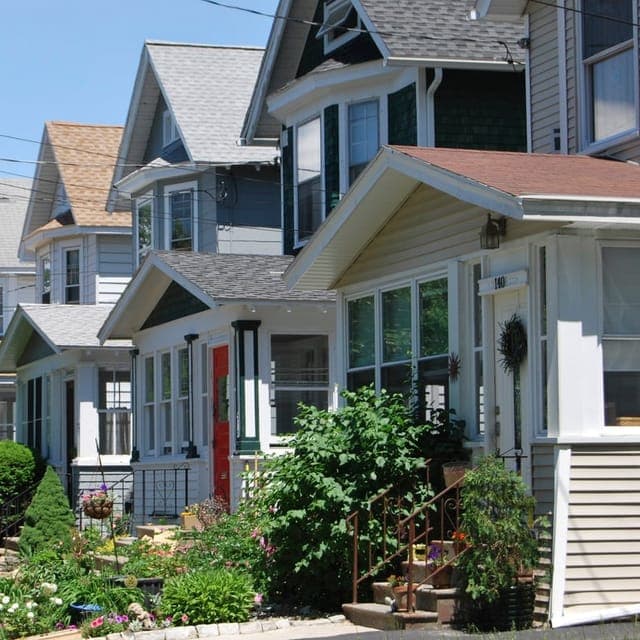
Life in Syracuse moves at a deliberate, unhurried pace. The average commute is just under 18 minutes, which means you can live in a quiet neighborhood like Strathmore or the Westcott Nation and be at your desk downtown before your coffee cools. Most people shop at the regional malls—Destiny USA is a massive indoor complex that feels like a small city itself—or hit the Tops and Wegmans for groceries. Weekends often revolve around the seasons: apple picking at Beak & Skiff in the fall, skiing at Greek Peak in the winter, or just grabbing a beer at the Evergreen on Westcott Street, a dive bar that’s been a local institution for decades. The median household income is about $45,800, which is tight, but the cost of living index sits at 69—well below the national average. That means a $125,000 median home value actually buys you a solid three-bedroom with a yard, not a parking spot.
Who Fits In: The Syracuse Vibe
Syracuse is a place for people who don’t need a lot of flash. It attracts young professionals from Upstate Medical University and SUNY-ESF, families who want good public schools (the suburban districts like Fayetteville-Manlius and Jamesville-DeWitt are excellent), and folks who value community over status. The median age is just under 32, so there’s a decent mix of recent grads and settled families. You’ll find a strong conservative streak in the surrounding suburbs and rural areas, but the city itself leans left—it’s a pragmatic, live-and-let-live kind of place. If you’re looking for nightclubs and Michelin stars, you’ll be disappointed. If you want a neighborhood bar where the bartender knows your name and a backyard big enough for a garden, you’ll fit right in.
Sports & Community: Orange Crush
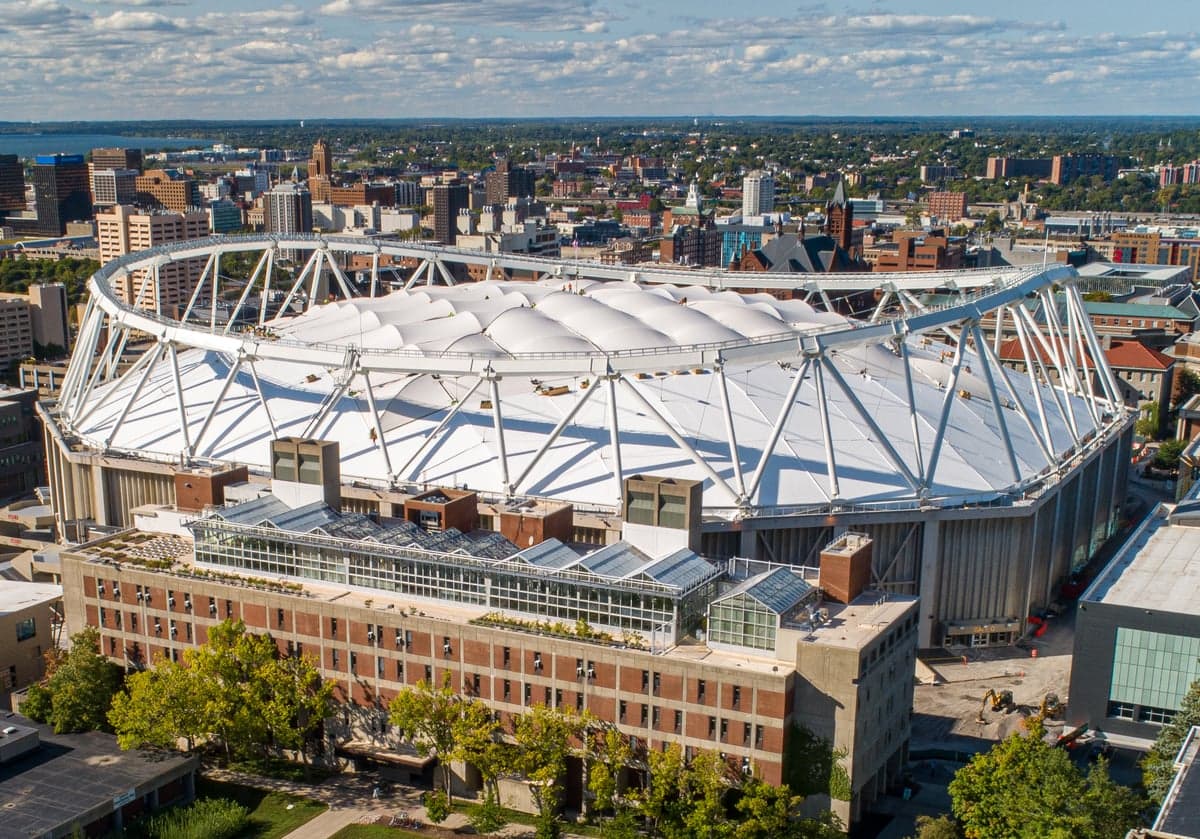
Syracuse bleeds orange. Syracuse University basketball is the city’s religion—Carrier Dome (now the JMA Wireless Dome) fills up for Jim Boeheim’s zone defense, and game days transform the entire campus area into a sea of orange. The SU football team draws solid crowds too, but hoops is the heartbeat. High school sports are a big deal in the suburbs, with Friday night football games at Cicero-North Syracuse drawing thousands. The Syracuse Mets (Triple-A baseball) and Syracuse Crunch (AHL hockey) offer affordable pro sports options. The community rallies around these teams in a way that feels genuine—it’s not just entertainment, it’s identity.
What’s There to Do: Festivals, Food, and Four Seasons
Outdoor life is defined by the seasons. Onondaga Lake Park has miles of paved trails for biking and running, and the Erie Canalway Trail runs through the northern suburbs. Winter is long—expect snow from November through March—but locals embrace it with skiing at Labrador Mountain and ice skating at Clinton Square. The New York State Fair in late summer is a massive event, drawing hundreds of thousands for fried dough, concerts, and livestock shows. The food scene punches above its weight: Dinosaur Bar-B-Que is a legendary stop for brisket and live blues, and the Westcott neighborhood has a string of independent restaurants like Alto Cinco (Mexican) and Recess Coffee (a cozy café). The Syracuse Jazz Fest and the Westcott Street Art Fair bring the community together. For culture, the Everson Museum has a solid collection of American art, and the Landmark Theatre hosts Broadway tours.
Pros and Cons of Living Here
- Pro: Affordability. You can buy a home for $125,000 and still have money left over for travel. Rent is reasonable too—a one-bedroom downtown runs about $900–$1,200.
- Con: The weather. Lake-effect snow is real. Syracuse averages 124 inches of snow per year. You will own a snowblower and you will use it. Seasonal affective disorder is a thing here.
- Pro: Short commutes. The 18-minute average commute means more time with family or hobbies. Traffic is rarely a headache outside of the I-81 construction zones.
- Con: Crime. The violent crime rate is 331.5 per 100,000—above the national average. It’s concentrated in certain neighborhoods (the Near West Side, parts of the South Side), and most residents know to be street-smart, but it’s a real concern for families.
- Pro: Community feel. People look out for each other. Block parties, volunteer fire departments, and church suppers are still a thing. It’s easy to get involved.
- Con: Economic stagnation. The job market is anchored by healthcare (Upstate Medical, St. Joseph’s), education (SU, OCC), and government. Private-sector growth is slow, and many young people leave after college.
Syracuse isn’t for everyone. But if you value substance over style, can handle a real winter, and want a place where your dollar goes far, it’s worth a serious look. The city has grit, and that grit comes with a surprising amount of heart.

Similar small cities to Syracuse
* Values derived from national, state, county, city and local statistics and may differ in a specific area. Last updated: 2026-05-01T21:55:59.000Z
Narrative content on this page is AI-generated and may contain mistakes. Verify any details that matter before acting on them.
ReloMaps may earn a commission from affiliate links at no extra cost to you.

