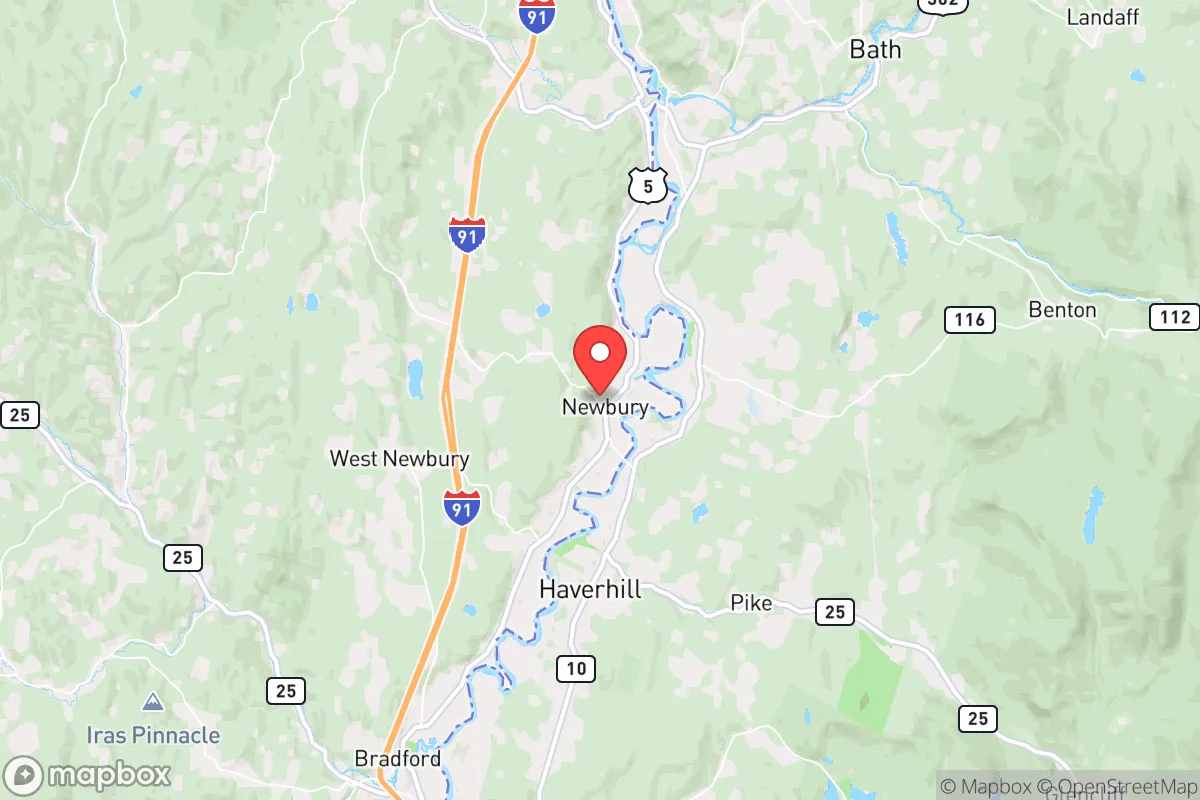
Quality of Life in Newbury, VT
Above-average quality of iife. The area offers a reasonable cost of living, decent mobility, and a mix of neighborhood amenities.
What does Quality of Life tell us?
Quality of Life blends cost of living, nearby amenities, socioeconomic signals, and neighborhood character. City-level scores represent the whole municipality; individual neighborhoods can differ.
What does this tell us?
Quality of Life blends cost of living, nearby amenities, socioeconomic signals, and neighborhood character. City-level scores represent the whole municipality; individual neighborhoods can differ.
Cost of Living
27% below national average
The Real Cost of Living in Newbury, VT for 2026
| Tier | Individual | Family (4) |
|---|---|---|
| Survival | $12k | $23k |
| Comfortable | $51k | $75k |
| Luxury | $113k+ | $176k+ |
| Elite (Top 5%) | $187k+ | $291k+ |
84%
The Area Signal
A metric tracking the socioeconomic signals of the area.
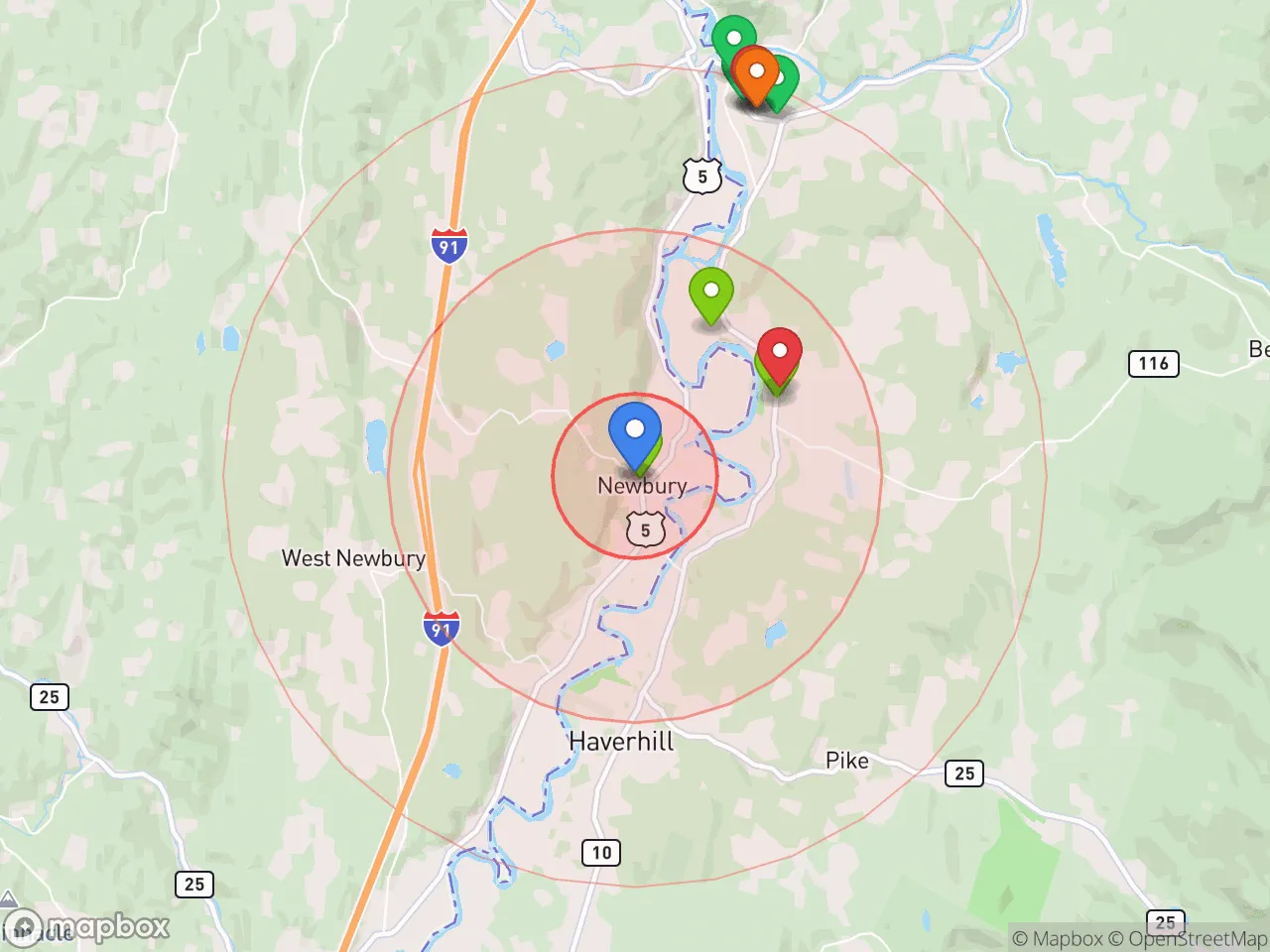
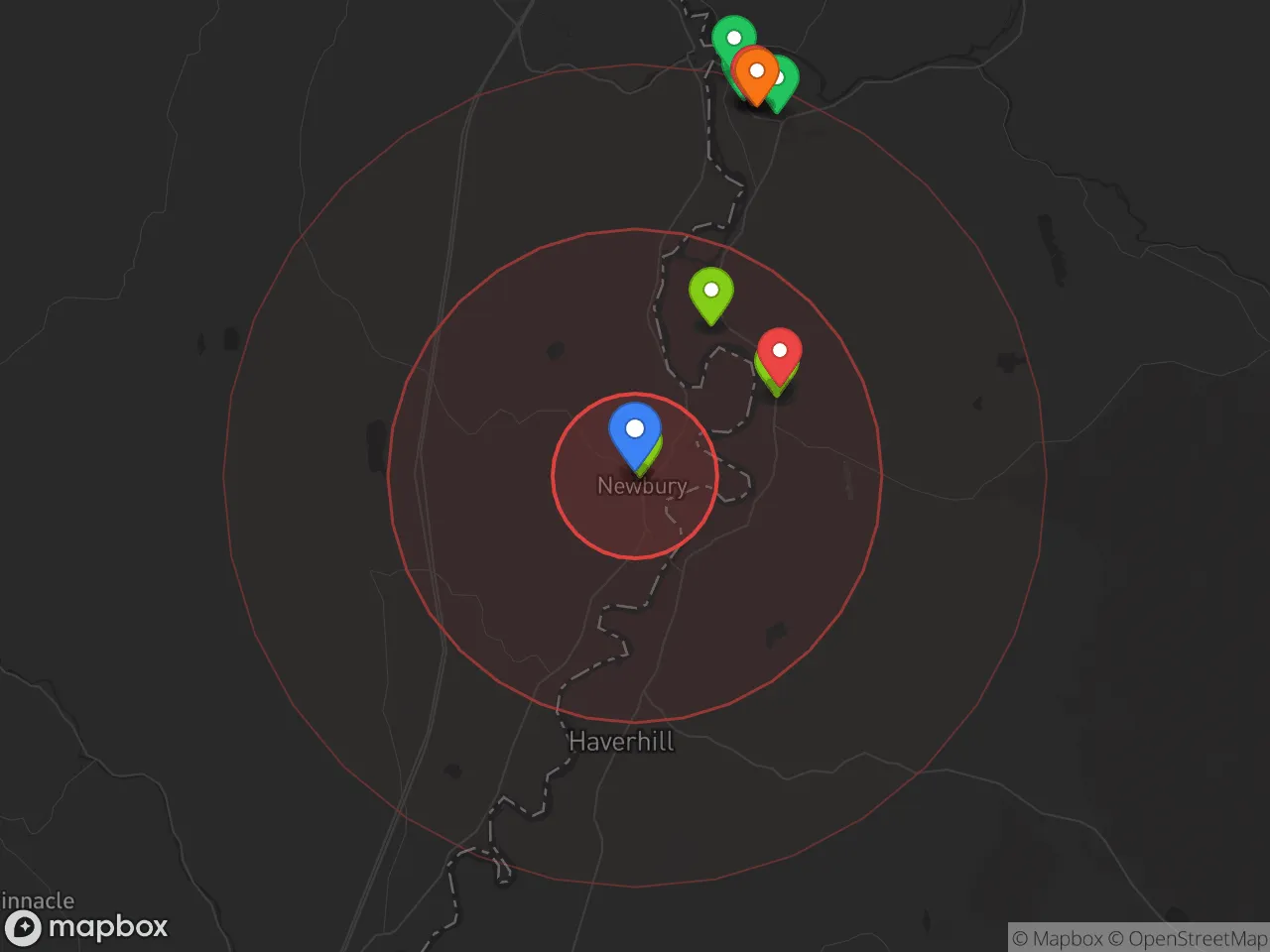
Hobbies
Explore the areaGroceries
3 within 10 miles
Gas
7 within 10 miles
Hospital
2 within 20 miles
Airport
PDX — Portland International Jetport
Post Office
USPS — Newbury, VT
Critical Amenities
Quality-of-Life Analysis
Newbury, Vermont, presents a quality of life defined by rural tranquility and relative affordability, attracting a mix of retirees, remote workers, and families seeking a slower pace. With a cost of living index of 73—well below the US average of 100—the town offers a financial reprieve compared to pricier New England hubs like Burlington or Hanover, New Hampshire. The population skews older and more homogenous, with a median age around 50, reflecting a community where long-term residents and second-home owners coexist alongside a modest number of younger families drawn by the area’s natural beauty and lower housing costs.
Cost of living, housing, and affordability compared to nearby towns
Newbury’s affordability stands out sharply against neighboring communities. The median home value of $261,000 is roughly half that of nearby Hanover, NH (where median values exceed $600,000), and significantly undercuts St. Johnsbury’s median of about $200,000. Median rent in Newbury is $697, a figure that is nearly 40% lower than the Vermont state average of roughly $1,100. This low rent makes the town one of the most accessible rental markets in Orange County, though inventory is limited and units often go quickly. Property taxes in Newbury average around 1.5% of assessed value, which is moderate for Vermont but higher than in neighboring New Hampshire towns like Haverhill, where rates are roughly 1.2%. For buyers, the trade-off is clear: lower purchase prices come with older housing stock—many homes date to the 19th century—and limited modern amenities like central air or updated kitchens. The overall cost of living index of 73 means groceries, healthcare, and transportation are all below national averages, though heating costs in winter can spike due to reliance on oil or propane.
Local amenities, schools, and the daily rhythm of life
Daily life in Newbury revolves around the village centers of Newbury Village and South Newbury, with the Connecticut River providing a backdrop for recreation. The town has no major grocery store; residents typically drive 15 minutes to Wells River or 25 minutes to Bradford for essentials. The Newbury Elementary School serves grades K-6 with a student-teacher ratio of about 10:1, feeding into Oxbow High School in Bradford, which has a graduation rate near 85%. For dining and social life, options are sparse: the Newbury Village Store offers basic provisions, while the nearby Colatina Exit in Bradford provides a popular farm-to-table restaurant. Outdoor amenities dominate—the town maintains a public beach on Lake Morey, and the 1.5-mile Lake Morey Loop is a favored walking and biking path. The daily rhythm is quiet, with most commerce and employment centered in Bradford or St. Johnsbury, where major employers include Northern Vermont Regional Hospital and the St. Johnsbury Academy. Internet access is improving, with fiber-optic service from VTel available in parts of town, supporting remote work, but cell coverage remains spotty in the more rural western sections.
Newbury is best suited for those who prioritize low costs and natural surroundings over urban convenience and social diversity. Retirees on fixed incomes will find the $697 median rent and $261,000 median home value highly manageable, while remote workers can leverage the improving broadband to live affordably within striking distance of the Upper Valley job market. Families should weigh the limited school options and lack of after-school activities against the safe, low-crime environment. Those who thrive here are self-sufficient, comfortable with a 20-minute drive for groceries, and value the quiet rhythms of a small Vermont town over the amenities of a city.

Crime in Newbury, VT
Generally safer than 71% of comparable U.S. locations.
Violent CrimeViolent Crime Analysis
Property CrimeProperty Crime Analysis
Crime Analysis
Newbury, Vermont, presents a mixed safety profile that requires careful consideration. The town’s violent crime rate of 213.8 per 100,000 residents is notably lower than the national average, but its property crime rate of 1,415.9 per 100,000 is significantly higher than both the Vermont state average and the U.S. national figure. This combination means that while the risk of a violent encounter is relatively low, the likelihood of experiencing theft, burglary, or vandalism is elevated compared to similar rural communities.
Crime in context
When compared to national benchmarks, Newbury’s violent crime rate is roughly 40% below the U.S. average of approximately 380 per 100,000, placing it in a safer tier for personal safety. However, the property crime rate is about 30% above the national average of roughly 1,100 per 100,000. This disparity is unusual for a small Vermont town, where property crime rates typically track below national figures. The elevated property crime rate may be influenced by Newbury’s location along the I-91 corridor and its proximity to larger population centers like St. Johnsbury and the Dartmouth-Hitchcock medical area in Lebanon, New Hampshire, which can attract transient property crime. It is important to note that Vermont’s justice system, influenced by progressive and liberal policies in its district attorneys’ offices and courts, often emphasizes rehabilitation and diversion programs over incarceration. While this approach aims to address root causes of crime, critics argue it can result in more offenders remaining in the community, potentially contributing to higher property crime rates and reducing the deterrent effect for repeat offenders.
What residents experience
For those living in Newbury, the day-to-day reality is shaped more by property crime than by violent threats. Residents commonly report issues like theft from vehicles, shed and garage break-ins, and occasional vandalism, particularly in areas near the village center and along the river. Violent incidents are rare and typically involve disputes among known individuals rather than random attacks. The town’s small population—around 2,000—means that most residents know their neighbors, which can both deter some crime and make victims feel a deeper sense of violation when a theft occurs. Local law enforcement, provided by the Vermont State Police and the Orange County Sheriff’s Department, is stretched thin, so response times for non-emergency property crimes can be slow, and clearance rates for burglaries are low.
Neighborhood-level variation in safety is modest but noticeable. The more rural, outlying areas of Newbury—such as the sections along Route 5 south of the village or the hill roads leading toward Bradford—tend to see fewer property crimes than the denser village core near the common and the river. Properties with visible security measures, such as outdoor lighting or cameras, report fewer incidents. Prospective residents should prioritize securing outbuildings and vehicles, as opportunistic theft is the most common crime pattern. Overall, Newbury offers a low risk of violent crime but demands vigilance against property crime, a dynamic that is consistent with broader trends in Vermont’s rural communities under a progressive justice framework.
* Values derived from national, state, county, city and local statistics and may differ in a specific area. Last updated: 2026-04-30T06:46:32.000Z
Narrative content on this page is AI-generated and may contain mistakes. Verify any details that matter before acting on them.
ReloMaps may earn a commission from affiliate links at no extra cost to you.

