
Photo by Nikunj Singh on Unsplash
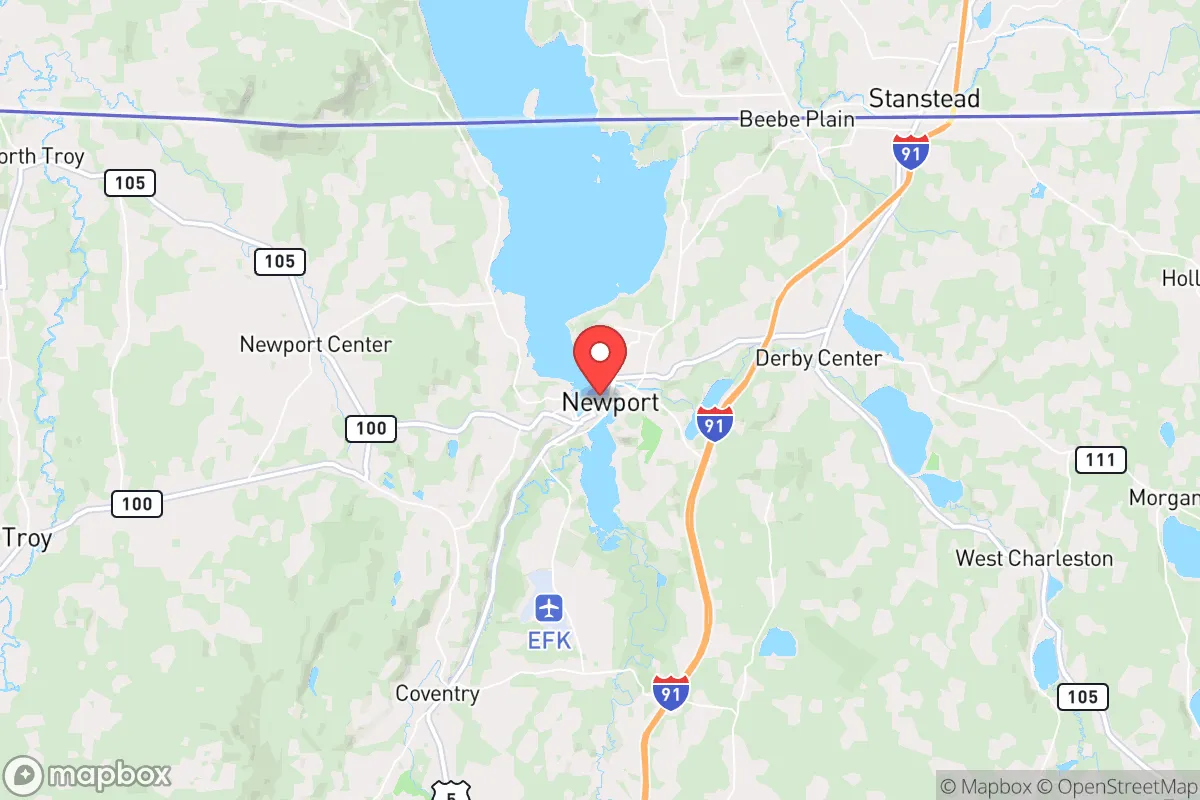
Personal Sovereignty in Newport, VT
Moderate friction. Expect trade-offs in some aspect of personal liberty and independence.
What does Personal Sovereignty tell us?
Personal Sovereignty measures your capacity for self-reliance and independence with minimal government friction. Higher scores mean fewer barriers between you and the way you want to live... but it assumes you have the space you need and good neighbors.
What does this tell us?
Personal Sovereignty measures your capacity for self-reliance and independence with minimal government friction. Higher scores mean fewer barriers between you and the way you want to live... but it assumes you have the space you need and good neighbors.
State Policy
Energy independence: Importer (15% of energy produced in-state)
Personal Liberty
Homesteading

Personal Liberty Analysis
Newport, Vermont, offers a notably high degree of personal sovereignty compared to much of the Northeast, but it is not a libertarian free-for-all. The town sits in Orleans County, a region where a strong independent streak meets the realities of a state government that has increasingly pushed progressive policies on health mandates and land use. For the survivalist or prepper, the key trade-off is clear: you get a low-density, rural environment with a culture of self-reliance, but you must navigate a state-level regulatory framework that can feel intrusive, particularly on medical autonomy and property rights. The real sovereignty here is found in the community’s distance from federal power centers and the practical ability to live off the grid, not in any formal legal protections.
Tax burden and regulatory posture: How Vermont’s state policies affect your wallet and freedom
Vermont’s tax burden is among the highest in the nation, and Newport residents feel it. The state levies a progressive income tax that tops out at 8.75%, and property taxes are notoriously high to fund the state’s school system—averaging around $1.80 per $100 of assessed value in Orleans County. This directly impacts a prepper’s ability to accumulate land and resources. However, Newport itself has a relatively low municipal tax rate compared to Chittenden County, and the town’s regulatory posture on building and development is far more lenient than in southern Vermont. There is no county-level zoning board that can stop you from building a root cellar or installing a wood stove, but you will need to comply with state Act 250 permits for any significant subdivision or commercial activity. The regulatory burden is real but manageable if you keep your operation small and low-profile. The state’s push for universal health care and carbon taxes adds a layer of ongoing cost that erodes disposable income, which is a constant frustration for those trying to stockpile supplies or invest in off-grid infrastructure.
Self-defense and gun law specifics: What you can and cannot do in Vermont
Vermont is a constitutional carry state, meaning no permit is required to carry a concealed firearm, and there is no state-level firearm registry or waiting period. This is a major plus for personal sovereignty. However, the state has tightened restrictions in recent years. In 2023, Vermont passed a ban on “large-capacity” magazines (over 10 rounds for rifles, 15 for pistols) and raised the minimum age to purchase a firearm to 21. These laws are enforced, and local sheriffs in Orleans County generally support the Second Amendment but will not openly defy state statutes. Stand-your-ground laws do not exist in Vermont; you have a duty to retreat if safely possible before using deadly force. Castle doctrine applies inside your home, but the legal landscape is less forgiving than in states like Texas or Florida. For the prepper, this means you can own and carry firearms freely, but you must be cautious about magazine capacity and self-defense scenarios. The local gun culture is strong, with several gun shops and ranges in the area, and the community is generally supportive of hunting and sport shooting.
Self-reliance and homesteading viability: Lot sizes, zoning, and off-grid feasibility
Newport’s rural character makes it a prime location for homesteading and off-grid living. Minimum lot sizes in unzoned areas of Orleans County are typically 1 to 2 acres, but many parcels are 5 to 20 acres, allowing for substantial gardens, livestock, and timber management. Zoning is minimal outside the village center; you can build a shed, install solar panels, or dig a well without extensive permits, provided you meet state health codes for septic systems. Off-grid feasibility is high: the region gets adequate sunlight for solar, and wood heat is the norm. However, Vermont’s state building code requires that any new dwelling have a permanent heat source and a sanitary system, so a true “no-trace” cabin is illegal. The state also has strict water rights laws—you cannot simply dam a stream without a permit. For the prepper, the biggest challenge is the short growing season (Zone 4) and the cost of land, which has risen as out-of-state buyers seek rural retreats. Still, with a modest investment, you can achieve a high degree of food and energy independence here, far more than in any suburban or urban setting.
Personal liberties: Parental rights, medical autonomy, speech, and property
Parental rights in Vermont are under pressure. The state mandates comprehensive sex education in public schools and has laws that allow minors to consent to certain medical treatments without parental notification, including mental health care and substance abuse treatment. This is a significant concern for conservative parents. Medical autonomy is similarly constrained: Vermont has some of the strictest vaccine mandates in the country for school attendance, and during the COVID-19 pandemic, the state imposed broad emergency powers that many locals felt were excessive. Speech is protected under the First Amendment, and there is a vibrant local press, but social media censorship and deplatforming are real concerns for those who voice dissenting views on health or politics. Property rights are generally strong, but the state’s environmental regulations—particularly Act 250 and the new land-use law (Act 181)—give the government broad authority to restrict development on wetlands, shorelines, and agricultural soils. This can be a headache if you want to build a pond or clear land for a food forest. The overall environment is one where you can live your life largely as you see fit, but you must be aware that the state government in Montpelier is actively expanding its reach into family and medical decisions.
In the broader context of the Northeast, Newport stands out as a relative bastion of personal sovereignty, especially when compared to Massachusetts or New York. The combination of constitutional carry, low-density zoning, and a culture of self-reliance makes it a viable destination for those seeking to escape urban overreach. However, it is not a haven. The high tax burden, state-level mandates on education and health, and growing regulatory complexity mean that you will need to be strategic—keeping a low profile, building community ties with like-minded locals, and staying informed on legislative changes. For the prepper who values practical autonomy over legal guarantees, Newport offers a workable base, but it demands constant vigilance against the creeping influence of state power.

* Values derived from national, state, county, city and local statistics and may differ in a specific area. Last updated: 2026-04-24T06:57:20.000Z
Narrative content on this page is AI-generated and may contain mistakes. Verify any details that matter before acting on them.
ReloMaps may earn a commission from affiliate links at no extra cost to you.

