
Photo by Nikunj Singh on Unsplash
Political ClimatePolitical Climate in Newport, VT
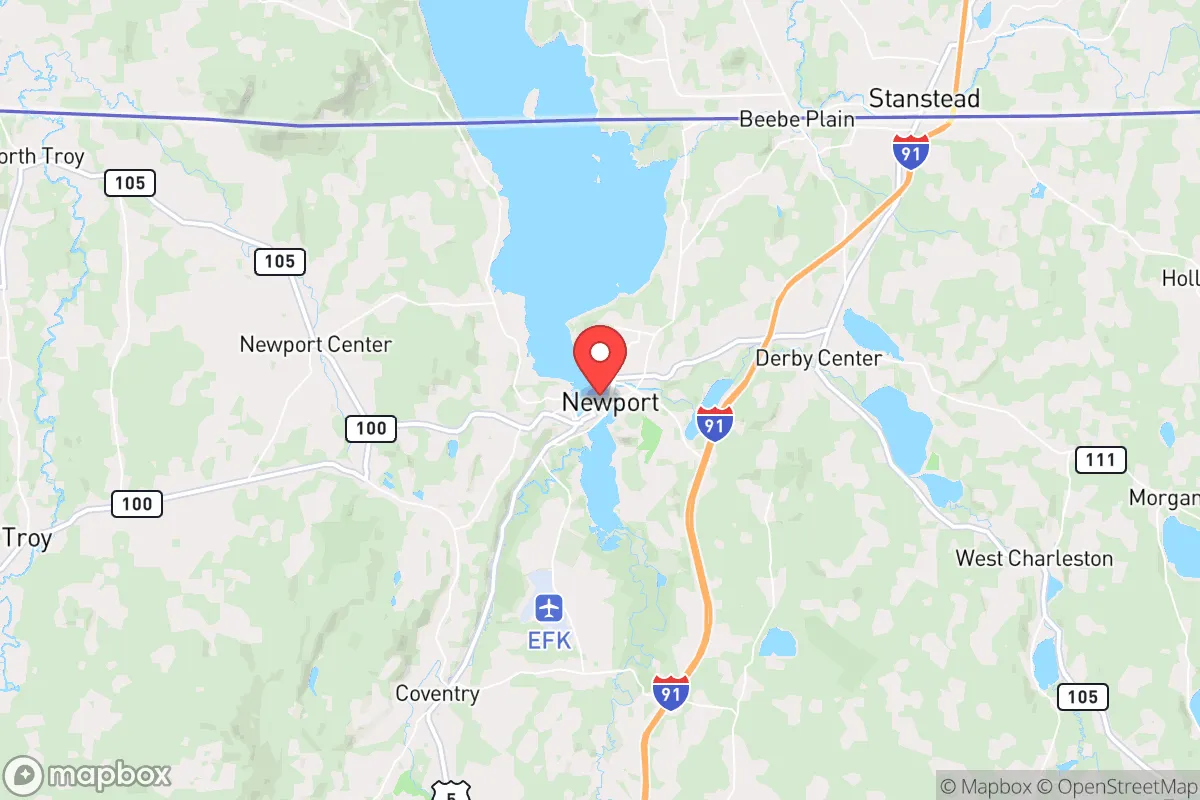
District shown is the primary district for this city’s centroid. Cities may span multiple districts.
Inherited from parent state — no local data available.
Local Political AnalysisPolitical Analysis of Newport, VT
Newport, Vermont, sits in a deep blue bubble with a Cook PVI of D+17, meaning it votes about 17 points more Democratic than the national average. That’s a stark shift from what this area used to be—even 20 years ago, you’d find a lot more independent, live-and-let-live folks here. Now, the local politics lean hard progressive, and it shows in everything from property taxes to how the town handles business permits. If you’re coming from a place where government keeps its nose out of your backyard, you’ll feel the difference fast.
How it compares
Drive 20 minutes south to Barton or 30 minutes west to Irasburg, and you’ll hit towns that still vote red or purple. Those communities have a “mind your own business” vibe that Newport has mostly lost. The contrast is sharp: Newport’s city council pushes green energy mandates and zoning rules that feel like they’re written by Burlington bureaucrats, while surrounding towns like Derby and Coventry still let you build a shed without three permits. Even the county level—Orleans County—votes more conservative than Newport itself, so you’ve got a city that’s out of step with its own neighbors. That’s a red flag if you value local control over your property or your kids’ education.
What this means for residents
For daily life, the progressive tilt means higher taxes to fund social programs and schools that push a certain worldview. Newport’s property tax rate is among the highest in the Northeast Kingdom, and you’ll see that money go to things like diversity training for teachers and climate action plans that don’t do much for potholes. If you run a small business, expect more red tape—permitting for a simple home renovation can take months, and the town’s zoning board has a reputation for nitpicking. On the plus side, if you’re into organic farming or alternative energy, you’ll find like-minded neighbors. But for someone who just wants to hunt, fish, and raise a family without government interference, Newport feels increasingly like a place where the state knows best.
Culturally, Newport has a few policy distinctions that stand out. The city was an early adopter of a local minimum wage ordinance above the state’s, which sounds good until you see small restaurants closing because they can’t afford the labor. There’s also a strong push for “equity” in housing, meaning more rental inspections and rent control talk—stuff that makes landlords sell out to out-of-state investors. Voter turnout here is high, often over 70% in presidential years, but the candidates are almost always from the same progressive playbook. If you’re looking for a place where your vote actually balances things out, you’ll find more of that in the surrounding hills than in Newport proper. The long-term trend? It’s not reversing. More young families from downstate are moving in, and they bring their politics with them. If you value personal freedom and a light government touch, you might want to look at a town like Glover or Westmore instead—places where the old Vermont spirit still hangs on.

State Political ClimatePolitical Climate in Vermont
State Political AnalysisPolitical Environment in the State
Vermont has long been a deep blue state, but the reality on the ground is far more complex than the statewide voting totals suggest. For a conservative considering a move, the key takeaway is that Vermont is a state of two starkly different worlds: the progressive, government-heavy Chittenden County corridor and the more independent, rural, and increasingly frustrated rest of the state. Over the last 20 years, the state has shifted from a quirky, live-and-let-live New England republic to a laboratory for progressive policy, with the Democratic trifecta in Montpelier pushing through a legislative agenda that many long-time residents see as a direct threat to personal freedom, property rights, and fiscal sanity.
Urban vs. rural divide
The political map of Vermont is a tale of one city and its suburbs versus everything else. Burlington and its surrounding Chittenden County towns—South Burlington, Essex, Williston—are the engine of the state's Democratic dominance. This is where the University of Vermont, state government workers, and a dense concentration of progressive activists live. Outside of this bubble, the political landscape shifts dramatically. The Northeast Kingdom (Orleans, Essex, and Caledonia counties) is the most reliably conservative region, with towns like Newport and St. Johnsbury voting heavily Republican. The southern counties, including Rutland and Bennington, are more mixed but have trended redder in recent cycles. A telling example: in 2020, while Joe Biden won the state by 35 points, Rutland County voted for Trump by a narrow margin, and the town of Rutland itself has a Republican mayor. The divide isn't just about party; it's about worldview. In rural towns like Hardwick or Danville, the local economy is still tied to logging, dairy farming, and small manufacturing, and the state's aggressive environmental regulations and tax hikes are felt as a direct attack on their way of life.
Policy environment
This is where the rubber meets the road for a conservative. Vermont's policy environment is, frankly, hostile to the values of limited government and personal responsibility. The state has the highest property tax burden in the nation, driven by a school funding system that pools all property taxes into a statewide "education fund." This means your local school board has almost no control over your tax rate. The income tax is also steep, with a top marginal rate of 8.75% kicking in at just over $200,000. On the regulatory front, Vermont has passed some of the nation's strictest environmental laws, including the Clean Heat Standard, which effectively forces homeowners to pay for a state-run program to transition away from fossil fuels. In 2023, the legislature passed a paid family leave program funded by a new payroll tax, and a "Global Warming Solutions Act" that gives the state broad authority to mandate emissions reductions. For parents, the state's education system is heavily centralized, with a strong teachers' union influence and a curriculum that increasingly emphasizes social justice and DEI initiatives. School choice is limited, though there are a handful of independent and religious schools. On election law, Vermont has universal mail-in voting and same-day voter registration, which critics argue erodes ballot security.
Trajectory & freedom
The trajectory over the last five years is unmistakably toward less freedom. The most glaring example is the 2023 passage of a magazine capacity ban and a ban on "assault weapons" (defined by cosmetic features), along with a 72-hour waiting period and a raising of the purchase age to 21. This was a major blow to Second Amendment rights in a state that once prided itself on a strong hunting and sporting tradition. On medical freedom, Vermont was one of the first states to pass a broad vaccine mandate for healthcare workers and schoolchildren, and during COVID, Governor Phil Scott (a Republican, but one who governed as a moderate Democrat) imposed some of the nation's longest-lasting emergency restrictions. More recently, the legislature passed a law requiring "gender-affirming care" to be covered by all insurance plans and shielding providers from out-of-state legal action, a clear overreach into parental rights and medical autonomy. Property rights are also under assault: Act 250, the state's land-use law, has been expanded to give state agencies more control over local development, and the Clean Heat Standard is seen by many as a backdoor property tax. The state's "sanctuary" policies for illegal immigrants, including a law that prevents local law enforcement from cooperating with federal immigration authorities, have also raised concerns about public safety.
Civil unrest & political movements
While Vermont doesn't see the large-scale riots of bigger cities, there is a persistent, low-grade civil unrest driven by the policy battles above. The 2020 Black Lives Matter protests in Burlington were significant, with statues toppled and a prolonged occupation of a city park. More recently, the gun control laws have galvanized a strong, organized opposition. The Vermont Federation of Sportsmen's Clubs and the Gun Owners of Vermont have been active in lawsuits and at the Statehouse. There is also a growing "secessionist" or "independence" movement in the Northeast Kingdom, with some towns passing resolutions declaring themselves "Second Amendment sanctuaries" or "constitutional towns." The issue of homelessness and drug addiction, particularly in Burlington, has become a visible flashpoint. The city's decision to decriminalize public drug use and open a "safe injection site" has led to a visible decline in the quality of life downtown, with open drug use and property crime becoming common. This has fueled a backlash, with a new political party, the "Vermont Progressive Party," actually losing ground to more moderate Democrats and even a few Republicans in recent local elections. The 2024 election saw a notable increase in Republican turnout in rural towns, though the statewide results remained blue.
Projection
Looking ahead 5-10 years, the trend is not favorable for conservatives. The in-migration pattern is dominated by remote workers from New York and Boston, who bring their progressive politics and high housing cost expectations. This demographic shift is slowly turning even some rural towns into bedroom communities for Burlington, diluting the traditional independent vote. The state's fiscal trajectory is unsustainable: the pension system for state employees is severely underfunded, and the combination of high taxes and a shrinking working-age population is a recipe for long-term decline. Expect property taxes to continue rising, and for the state to double down on its climate and social policies, as the legislature is now firmly controlled by a progressive wing that sees no reason to moderate. The Second Amendment fight is likely to continue, with further restrictions on carry permits or storage requirements a real possibility. For a conservative moving in now, the realistic expectation is that you will be a political minority in a state that is increasingly hostile to your values. You will pay high taxes for services that are often mediocre, and you will see your local culture and traditions slowly eroded by state-level mandates.
Bottom line for a new resident: If you are a conservative, moving to Vermont is a strategic decision that requires a clear-eyed understanding of the trade-offs. The natural beauty, low crime in rural areas, and strong sense of community in towns like St. Johnsbury or Randolph are real draws. But you will be swimming against a powerful political current. Your best bet is to find a town in the Northeast Kingdom or southern Vermont where the local culture is still independent-minded, and to get involved in local politics immediately—school board, selectboard, and town meeting. The state's small size means that a dedicated minority can have an outsized impact, but you must be prepared for a long, uphill fight against a state government that sees your values as an obstacle to be overcome. If you value low taxes, strong gun rights, and local control above all else, Vermont is likely not the right fit. If you are willing to fight for those things in a beautiful but challenging environment, it can be a rewarding place to call home.
* Values derived from national, state, county, city and local statistics and may differ in a specific area. Last updated: 2026-04-24T06:57:20.000Z
Narrative content on this page is AI-generated and may contain mistakes. Verify any details that matter before acting on them.
ReloMaps may earn a commission from affiliate links at no extra cost to you.

