 Popular
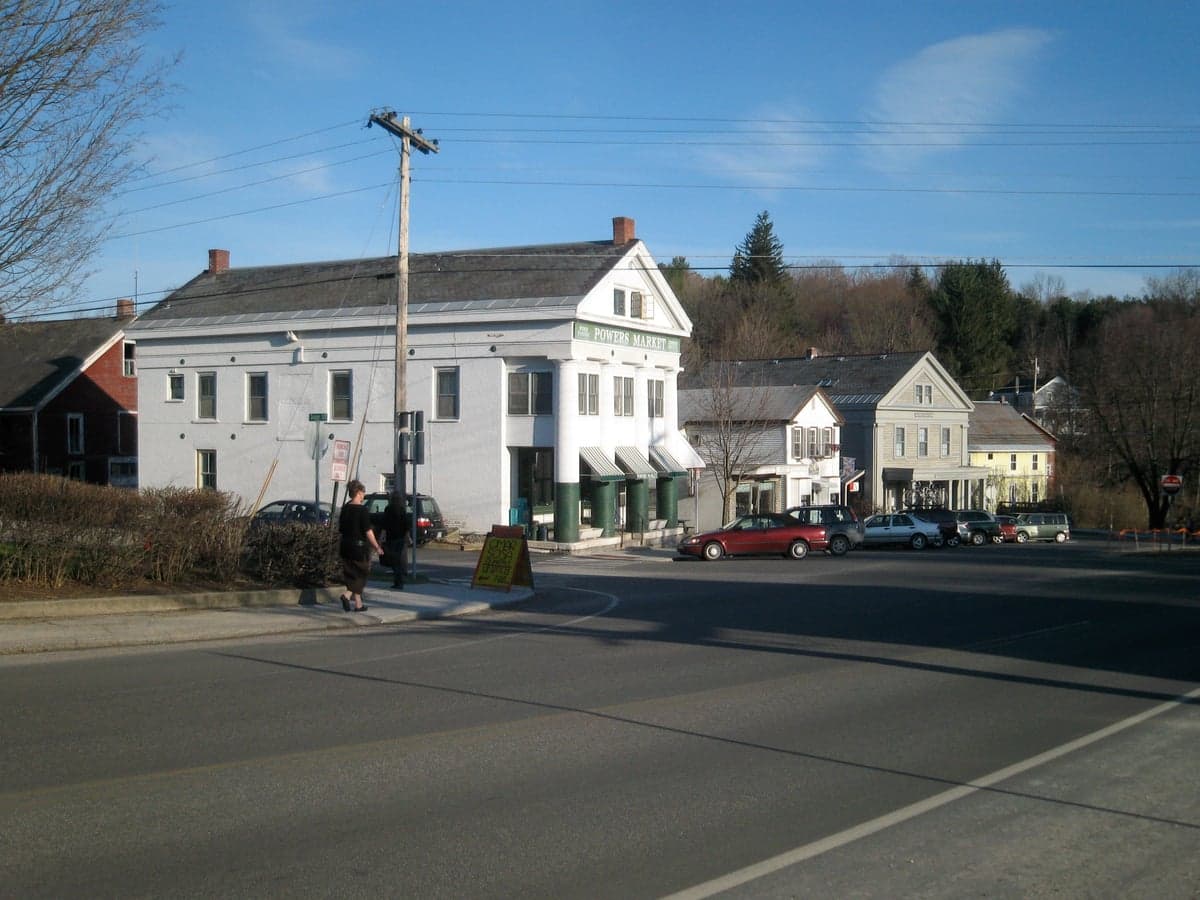
Photo: Wikipedia
Personal Sovereignty in North Bennington, VT
Moderate friction. Expect trade-offs in some aspect of personal liberty and independence.
What does Personal Sovereignty tell us?
Personal Sovereignty measures your capacity for self-reliance and independence with minimal government friction. Higher scores mean fewer barriers between you and the way you want to live... but it assumes you have the space you need and good neighbors.
What does this tell us?
Personal Sovereignty measures your capacity for self-reliance and independence with minimal government friction. Higher scores mean fewer barriers between you and the way you want to live... but it assumes you have the space you need and good neighbors.
State Policy
Energy independence: Importer (15% of energy produced in-state)
Personal Liberty
Homesteading

Personal Liberty Analysis
North Bennington, Vermont, offers a nuanced environment for personal sovereignty that demands careful scrutiny from a survivalist or prepper perspective. While the state's reputation for progressive governance raises immediate red flags regarding government overreach, the town's rural character, low population density, and proximity to the New York border create a pocket where self-reliance and personal freedoms can still be meaningfully exercised—provided you understand the legal and cultural landscape. For single individuals and parents prioritizing autonomy, North Bennington is not a libertarian haven, but it is a place where strategic compliance and community connections can preserve a high degree of personal control over your life and property.
Tax burden and regulatory posture: what you pay for the right to be left alone
Vermont's tax burden is among the highest in the nation, and North Bennington residents feel this acutely. The state imposes a progressive income tax with rates reaching 8.75% on high earners, and property taxes are notably steep—averaging around 2.2% of assessed home value in Bennington County. This means a $250,000 home carries an annual property tax bill of roughly $5,500, which funds a state government that has shown increasing appetite for regulatory expansion. Sales tax is 6%, and there is a 9% rooms and meals tax that affects local dining and lodging. For a prepper-minded individual, this tax burden directly reduces the capital available for land, supplies, and infrastructure improvements. However, the regulatory posture in North Bennington itself is less aggressive than in Burlington or Montpelier. The town has minimal zoning overlay beyond basic health and safety codes, and the local government tends to be more hands-off regarding what you do on your own property—so long as you don't draw complaints. The key trade-off is clear: you pay high state taxes for the privilege of relatively light local enforcement, but you must remain vigilant about state-level policy shifts that could tighten the screws.
Self-defense and gun law specifics: navigating Vermont's shifting landscape
Vermont has historically been one of the most gun-friendly states in the Northeast, with a strong tradition of firearm ownership for hunting and self-defense. However, recent legislative changes have eroded that legacy. As of 2024, Vermont requires universal background checks for all firearm sales, including private transfers, and has a "red flag" law (Extreme Risk Protection Order) that allows authorities to seize firearms based on a civil petition without criminal charges. Magazine capacity is limited to 10 rounds for long guns and 15 for handguns, and the state has a waiting period of 72 hours for handgun purchases. Concealed carry is permitted without a permit for residents, but non-residents must have a permit from their home state. For a survivalist, these restrictions are concerning because they create a paper trail and potential for government overreach in a crisis. That said, enforcement in rural Bennington County is generally lax compared to urban areas, and local gun culture remains strong. The Bennington County Sheriff's Office has publicly stated it will not enforce certain state-level gun laws it deems unconstitutional, offering a layer of local resistance. For parents, this means you can still teach your children firearm safety and maintain a home defense arsenal, but you must be meticulous about compliance with transfer and storage laws to avoid legal jeopardy.
Self-reliance and homesteading viability: lot sizes, zoning, and off-grid feasibility
North Bennington's rural character makes it one of the more viable locations in Vermont for serious homesteading and off-grid living. Minimum lot sizes in the town's agricultural and rural districts are typically 2 to 5 acres, with many parcels available at prices well below the state median—often $50,000 to $100,000 for a raw 5-acre lot. Zoning is permissive for agricultural uses, including livestock, gardens, and small-scale farming, with no requirement for a minimum dwelling size that would force you into a McMansion. Off-grid feasibility is high: the region receives adequate rainfall for rainwater catchment (though you'll need a permit for a well), and solar potential is moderate due to the valley's tree cover and winter cloudiness. Wood heat is the dominant heating method, and firewood is abundant and cheap. The town does not have a building code enforcement officer on staff for most rural parcels, meaning you can construct a cabin or workshop without the bureaucratic gauntlet found in more regulated towns. However, the state's Act 250 land-use law can still apply to larger developments or subdivisions, so you must verify that your plans fall under the "minor" exemption. For a prepper, this means you can realistically achieve a high degree of self-sufficiency in food, water, and shelter, but you must budget for the upfront costs of solar panels, battery storage, and well drilling—and accept that the growing season is short (about 120 days).
Personal liberties: parental rights, medical autonomy, speech, and property
On personal liberties, North Bennington reflects the broader tension between Vermont's progressive state government and its more libertarian-leaning rural population. Parental rights are a mixed bag: Vermont has mandatory vaccination requirements for school attendance (with medical and religious exemptions, but no philosophical exemption), and the state's Department for Children and Families has a reputation for aggressive intervention in cases of homeschooling or alternative medical choices. Medical autonomy is under pressure, with Vermont being one of the first states to mandate COVID-19 vaccines for healthcare workers and to consider broad vaccine mandates for schoolchildren. For a parent concerned about medical freedom, this means you may need to homeschool or seek out a private school that respects your choices—and be prepared for potential state scrutiny. Free speech is protected under the First Amendment, but Vermont's "fair housing" and "public accommodation" laws have been used to penalize individuals for expressing certain political or religious views on social media or in public forums. Property rights are relatively strong at the local level: you can generally build, fence, and use your land as you see fit, but the state's environmental regulations (Act 250, wetland protections, and stormwater rules) can impose costly delays if your project triggers review. The bottom line is that personal liberties in North Bennington require a defensive posture: you must know your rights, document your compliance, and be prepared to push back against overreach, particularly from state agencies.
Overall, North Bennington offers a sovereignty profile that is moderate but defensible for a survivalist or prepper. It is not a low-tax, low-regulation paradise like parts of the rural South or West, but it provides a realistic balance of affordability, land availability, and community resilience that is rare in the Northeast. The high state taxes and restrictive gun laws are significant drawbacks, but the local culture of self-reliance, the permissive zoning for homesteading, and the proximity to New York's less regulated upstate areas create a buffer zone where you can live largely on your own terms. For single individuals and parents who are willing to navigate the regulatory landscape with care, North Bennington represents a viable outpost for personal sovereignty—one where you can build a life that is independent, prepared, and resistant to the worst impulses of government overreach.

* Values derived from national, state, county, city and local statistics and may differ in a specific area. Last updated: 2026-04-30T03:08:52.000Z
Narrative content on this page is AI-generated and may contain mistakes. Verify any details that matter before acting on them.
ReloMaps may earn a commission from affiliate links at no extra cost to you.

