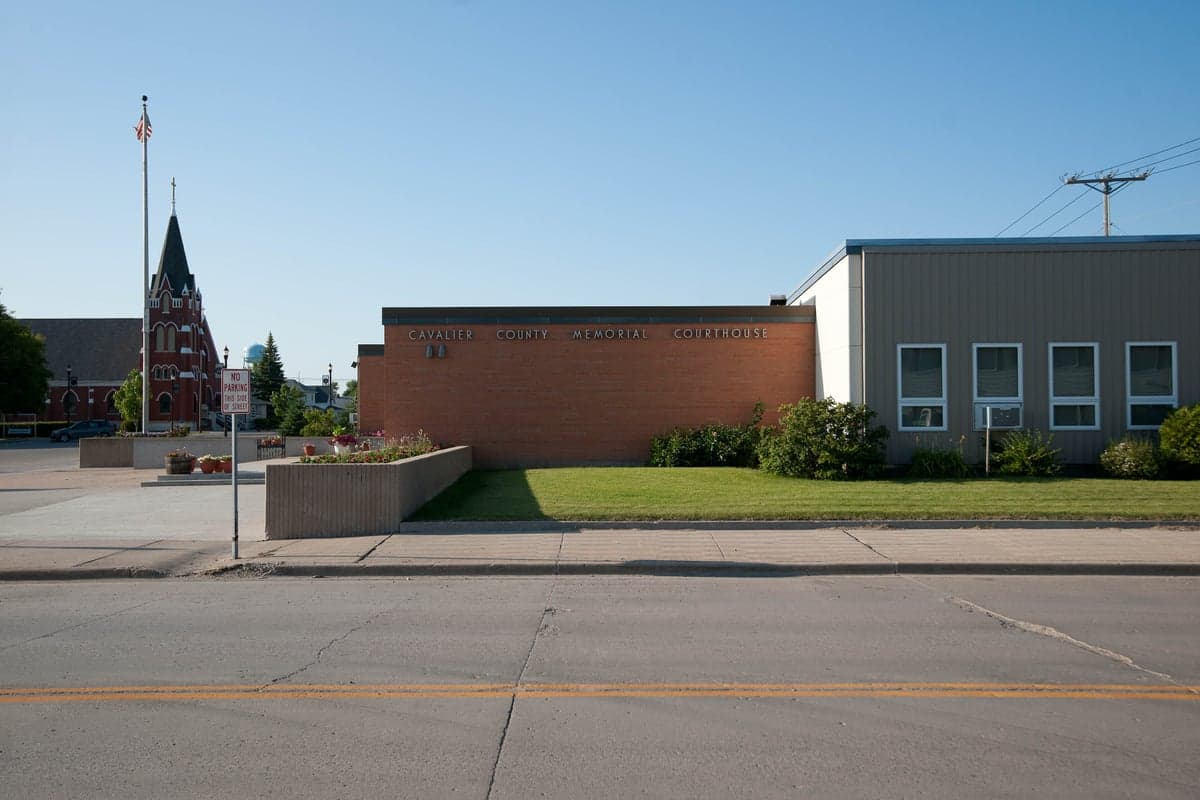
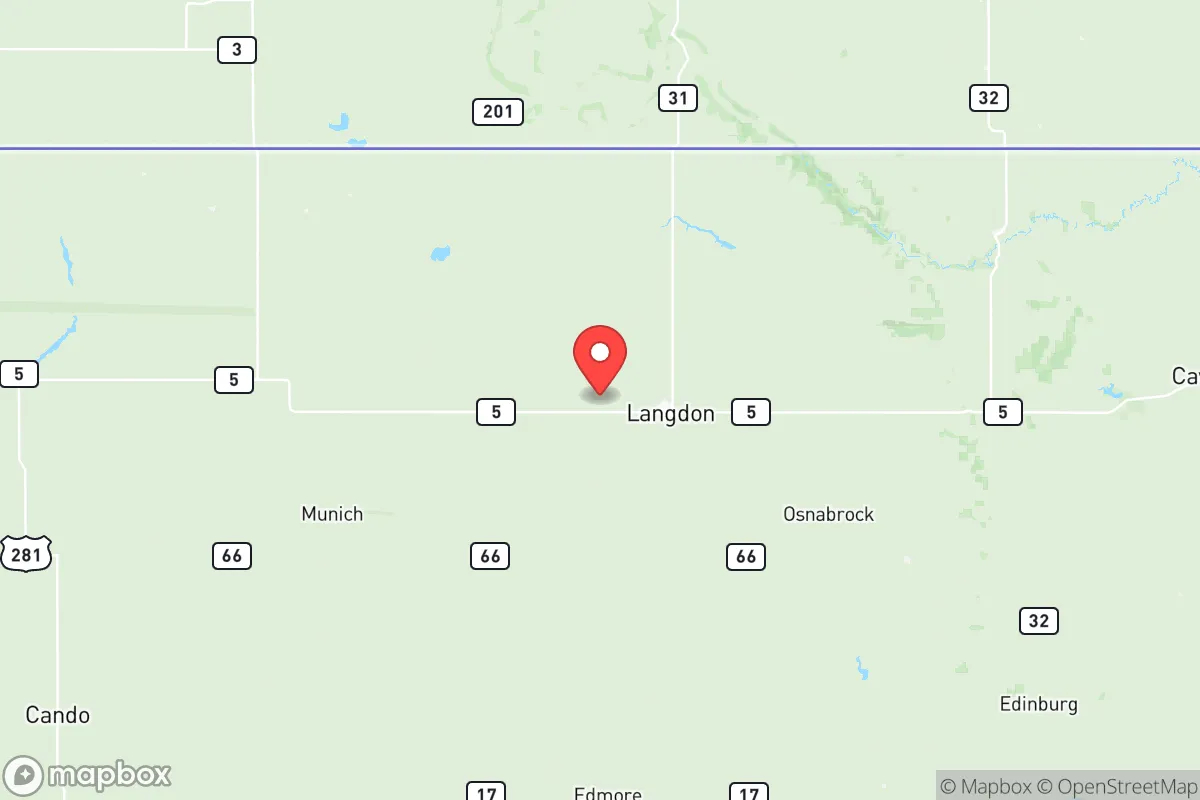
Photo: Wikipedia
Quality of Life in Cavalier County
A livable area that tracks near national norms for affordability, walkability, and neighborhood health.
What does Quality of Life tell us?
Quality of Life measures an area by evaluating factors like cost of living, nearby amenities, country club access, airport proximity, socioeconomic signals and neighborhood character. For large states, this is a general average — quality of life can vary dramatically between metro areas, suburbs, and rural communities within the same state.
What does this tell us?
Quality of Life measures an area by evaluating factors like cost of living, nearby amenities, country club access, airport proximity, socioeconomic signals and neighborhood character. For large states, this is a general average — quality of life can vary dramatically between metro areas, suburbs, and rural communities within the same state.
Cost of Living
38% below national average
173%
The Real Cost of Living in Cavalier County for 2026
| Tier | Individual | Family (4) |
|---|---|---|
| Survival | $14k | $26k |
| Comfortable | $26k | $39k |
| Luxury | $121k+ | $188k+ |
| Elite (Top 5%) | $167k+ | $259k+ |
Quality-of-Life Analysis
Cavalier County, North Dakota, offers a quality-of-life spectrum that spans from the modest commercial hub of Langdon to the quiet, unincorporated crossroads of communities like Alsen, Calvin, and Osnabrock, with vast stretches of farmland in between. The county’s overall character is defined by its extreme affordability—a cost of living index of 62 (well below the US average of 100)—and a deeply rural, agricultural rhythm. People drawn to Langdon tend to value access to schools, healthcare, and basic retail, while those settling in the smaller hamlets or on farmsteads prioritize privacy, land, and a slower pace, often accepting longer drives for daily errands.
Largest town(s) & population centers
Langdon is the county seat and the only incorporated city with a population exceeding 1,000 (approximately 1,900 residents). It functions as the commercial and civic anchor for the entire county. Daily life here centers on Main Street, which hosts a grocery store, a hardware store, a pharmacy, and several locally owned restaurants. The Langdon Area School District serves the county’s K-12 students, and the Langdon Community Hospital & Clinic provides primary and emergency care. The average commute in the county is a remarkably short 16.4 minutes, reflecting how most residents live and work within a tight radius of Langdon or on nearby farms. For entertainment, residents rely on the Langdon City Park, the Langdon Golf Club, and seasonal events like the Cavalier County Fair. There is no major chain retail or cinema; for those, residents drive roughly 90 minutes south to Grand Forks or two hours east to Winnipeg, Manitoba.
Smaller towns & rural pockets
Outside Langdon, the county’s smaller communities offer a quieter, more isolated lifestyle. Milton (population ~50) sits along ND Highway 5 and has a grain elevator and a small church but no retail. Calvin (population ~15) is a near-ghost town with a handful of occupied homes and a post office that serves surrounding farms. Osnabrock (population ~10) is similarly sparse, with a community hall and a few residences. Alsen (population ~10) is the westernmost hamlet, notable for its historic grain elevator. These places are not walkable; they are clusters of homes and farm buildings where residents drive 15–30 minutes to Langdon for groceries, mail, or fuel. The rural areas between these towns are dominated by wheat, canola, and sunflower fields, with farmsteads set miles apart. The population density of the entire county is roughly 3 people per square mile, making it one of the least densely populated counties in North Dakota.
Cost & lifestyle range
The cost of living across Cavalier County is uniformly low, but the trade-offs between town and country are distinct. In Langdon, the median home value is $122,300, and median rent is $859—figures that are roughly half the national median. A typical three-bedroom home in Langdon might sell for $110,000–$140,000, while a similar house on a larger rural lot outside town could be $90,000–$120,000. At the low end, a fixer-upper in Calvin or Osnabrock might sell for under $50,000, but buyers must accept minimal services and a 20-minute drive to the nearest gas station. At the high end, newer construction on acreages near Langdon can reach $200,000–$250,000, still far below national averages. Utility costs are higher in rural areas due to well water and septic systems, while Langdon residents pay for municipal water and sewer. Property taxes in Cavalier County are among the lowest in the state, typically around 1.0%–1.2% of assessed value, which keeps carrying costs low for landowners.
The county’s lifestyle range is narrow compared to urban areas but meaningful locally. Langdon offers sidewalks, a library, a swimming pool, and a modest senior center—amenities that vanish in the smaller towns. Rural residents gain space and quiet but lose convenience: the nearest Walmart is in Grafton (45 minutes east) or Devils Lake (50 minutes south). Internet access is a notable divide; Langdon has cable and fiber options, while many rural homes rely on satellite or fixed wireless with slower speeds. Healthcare is concentrated in Langdon; a medical emergency in Alsen requires a 25-minute ambulance ride to the Langdon hospital or a 50-minute transfer to Altru Hospital in Grand Forks.
The people who thrive in Cavalier County are those who value low cost of living, wide-open spaces, and a self-sufficient lifestyle over urban amenities and career diversity. Retirees on fixed incomes, remote workers with reliable internet, and families involved in agriculture or local trades find the county’s trade-offs acceptable. Those seeking nightlife, cultural institutions, or diverse employment will feel isolated. For the right resident, the combination of a $122,300 median home, a 16-minute commute, and a 62 cost-of-living index creates a financially sustainable, low-stress life that is increasingly rare in the United States.

Crime in Cavalier County
Generally safer than 66% of comparable U.S. locations.
Violent CrimeViolent Crime Analysis
Property CrimeProperty Crime Analysis
Crime Analysis
Cavalier County, North Dakota, presents a mixed safety profile that is significantly shaped by its rural character and small-town dynamics. With a violent crime rate of 230.8 per 100,000 residents and a property crime rate of 1,460.2 per 100,000, the county's overall risk is notably higher than the state average for property offenses but remains below national benchmarks for violent crime. The county seat of Langdon, along with smaller communities like Munich, Milton, and Osnabrock, form the primary population centers where most reported incidents occur, though the sparse geography means crime is not uniformly distributed.
Crime in context
When compared to North Dakota's statewide violent crime rate of approximately 310 per 100,000, Cavalier County's 230.8 figure is about 25% lower, placing it among the safer rural counties for violent offenses. However, the property crime rate of 1,460.2 per 100,000 is roughly 15% higher than the state average of 1,270 per 100,000 and nearly double the national rate of 800 per 100,000. This discrepancy is driven largely by thefts and burglaries in Langdon, the county's largest town, where a concentration of retail and residential properties creates more opportunities for crime. The Northeast Judicial District, which covers Cavalier County along with Pembina and Walsh counties, has historically taken a moderate approach to sentencing, but the district's rural nature means fewer progressive reforms compared to urban areas like Fargo or Grand Forks. Property crime in Cavalier County is a more pressing concern than violent crime, with the county's rate exceeding the national average by over 80%.
What residents experience
Daily life in Cavalier County is generally quiet, but residents in Langdon report occasional issues with theft from vehicles and unlocked outbuildings, particularly during the summer months when seasonal workers and tourists pass through. The towns of Munich and Milton see far fewer incidents, largely due to their populations of under 300 people, where social cohesion acts as a natural deterrent. Violent crime is rare and typically involves domestic disputes or alcohol-fueled altercations rather than stranger-on-stranger attacks. The Cavalier County Sheriff's Office, based in Langdon, maintains a visible presence, and response times in the county's remote areas—such as the farming communities near Osnabrock—can exceed 30 minutes due to the vast distances. Residents in Langdon face a property crime risk roughly double that of those in Milton or Osnabrock, making neighborhood choice a meaningful factor in personal safety.
Neighborhood-level variation is pronounced in Cavalier County. The central business district of Langdon, along with the residential areas near Highway 5, see the highest concentration of reported thefts and vandalism. In contrast, the outlying townships and unincorporated areas like Alsen and Calvin experience crime rates that are negligible, with many years passing without a single reported violent incident. The county's judicial system, overseen by the Northeast Judicial District, has not adopted the progressive prosecutorial policies seen in larger, more liberal jurisdictions such as Minneapolis or Chicago, which often correlate with higher recidivism and reduced public safety. For families and retirees seeking a low-crime environment, the smaller communities of Munich and Osnabrock offer the safest options, while Langdon requires more vigilance regarding property security. Overall, Cavalier County's safety landscape is defined by a manageable violent crime risk but a property crime problem that demands attention, particularly in its largest town.
* Values derived from national, state, county, city and local statistics and may differ in a specific area. Last updated: 2026-05-15T16:40:06.000Z
Narrative content on this page is AI-generated and may contain mistakes. Verify any details that matter before acting on them.
ReloMaps may earn a commission from affiliate links at no extra cost to you.

