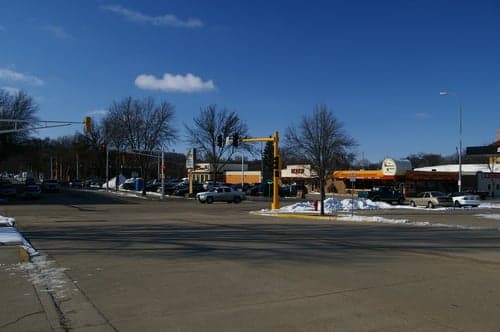
Photo: Wikipedia
Find The Best Places To Live
in Valley City
PRO TIP! You can paste a Zillow or Redfin link to get info on that property.
What It's Like Living in Valley City, ND
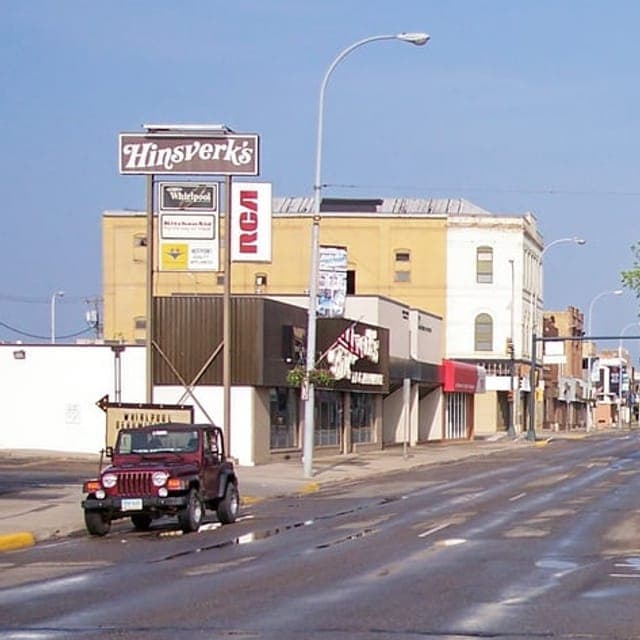
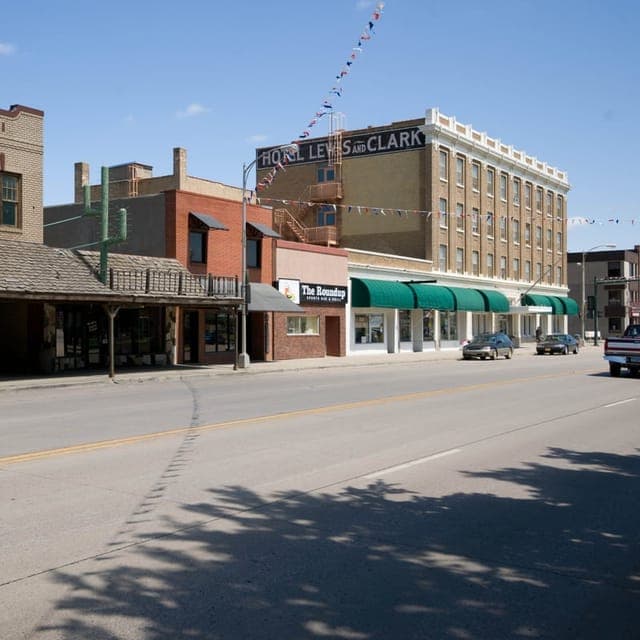
Valley City feels like a place where people still wave at each other on Main Street, and that’s not a cliché—it’s just how it works here. With a population just over 6,500, this small city along the Sheyenne River is the kind of spot where you can’t go to the grocery store without running into someone you know, and where the high school football game on a Friday night is the biggest event in town. It’s a community built around a strong sense of place, where the rhythms of work, school, and seasons dictate the pace of life, and where the trade-off for fewer big-city amenities is a genuine, low-stress existence that many people find hard to leave.
The Daily Rhythm: Slow, Predictable, and Surprisingly Full
Life in Valley City moves at a deliberate pace. The average commute is just over 15 minutes—one of the shortest in the state—which means most people are home for dinner, coaching youth sports, or working on a project in the garage. The median household income sits around $56,471, which goes a long way here thanks to a cost of living index of 62, nearly 40% below the national average. That financial breathing room is a big draw for families and single individuals alike. People shop at the local grocery stores, grab coffee at a downtown café, and eat at spots like the Wagon Wheel Bar & Grill or Dakota Inn, where the burgers are solid and the conversation is easy. Weekends often involve a trip to the Sheyenne River Valley National Scenic Byway for a hike, or a stop at the Valley City Farmers Market during the warmer months. The city’s median age of 38 suggests a mix of young families and established residents, and the 30% college-educated population points to a workforce that includes teachers, healthcare workers, and professionals tied to local institutions like Valley City State University.
Sports, Community, and the Things That Bring People Together
High school sports are the heartbeat of Valley City. The Valley City Hi-Liners football and basketball games draw crowds that pack the stands, and it’s not unusual for the whole town to show up for a state playoff run. There’s no professional sports team within a two-hour drive, so the local teams—along with Valley City State University athletics—are the main event. The university’s Vikings teams, particularly in football and basketball, give the town a college-town feel without the traffic or big-city distractions. Beyond sports, the Valley City Winter Show is a major annual event, a multi-day celebration with a rodeo, parade, and live music that feels like a homecoming for anyone who’s ever lived here. The Sheyenne River itself is a focal point for outdoor recreation—fishing, kayaking, and walking the riverfront trails are common weekend activities. For a town of 6,554, there’s a surprising amount of community pride, and it shows in how people show up for each other.
What It’s Really Like: The Honest Pros and Cons
Living in Valley City means embracing the quiet. The violent crime rate is just 76 per 100,000—far below the national average—so safety is a genuine selling point. The median home value of $152,800 means a young family or single person can buy a solid house without being house-poor. But the trade-offs are real. The winters are long and cold, with snow on the ground from November through March, and the isolation can feel heavy if you’re used to more options for dining, shopping, or entertainment. The nearest Target or major mall is in Fargo, about an hour’s drive east. That commute is a common gripe among locals, especially for those who work in the city but prefer the slower pace of Valley City. The schools—particularly Valley City Public Schools—are a central part of community life, with parent involvement high and class sizes small. For the right person, the pros outweigh the cons: a low-stress lifestyle, genuine neighbors, and a place where you can actually afford to live comfortably. For someone who craves nightlife, diversity of food, or constant activity, it might feel too quiet. The kind of person who fits in here is someone who values community over convenience, who doesn’t mind driving an hour for a concert, and who finds satisfaction in knowing their neighbors by name.
Cultural Quirks and Local Identity
There’s a subtle pride in being from Valley City that doesn’t need to be shouted. People here know the history—the city was a railroad hub, and the Northern Pacific Railroad bridge still stands as a landmark. The Valley City State University campus adds a youthful energy, but it’s not a party school; it’s a place where students are often from small towns themselves. One local quirk: the “Hi-Liner” nickname is a nod to the railroad heritage, and you’ll see it everywhere, from the high school gym to bumper stickers. The Sheyenne River flooding is a recurring reality, but the community has learned to manage it, and the annual Flood Festival turns a potential disaster into a celebration of resilience. If you’re considering a move here, the best advice is to visit during a winter weekend and a summer weekend to feel the full contrast. The people are genuine, the pace is slow, and the cost of living is a genuine advantage. It’s not for everyone—but for those who choose it, Valley City becomes home in a way that’s hard to replicate elsewhere.

Similar small towns to Valley City
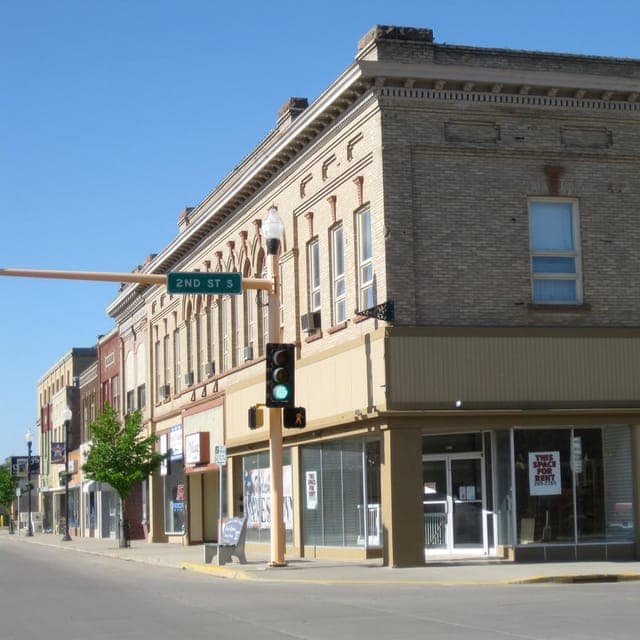
* Values derived from national, state, county, city and local statistics and may differ in a specific area. Last updated: 2026-04-19T07:55:33.000Z
Narrative content on this page is AI-generated and may contain mistakes. Verify any details that matter before acting on them.
ReloMaps may earn a commission from affiliate links at no extra cost to you.

