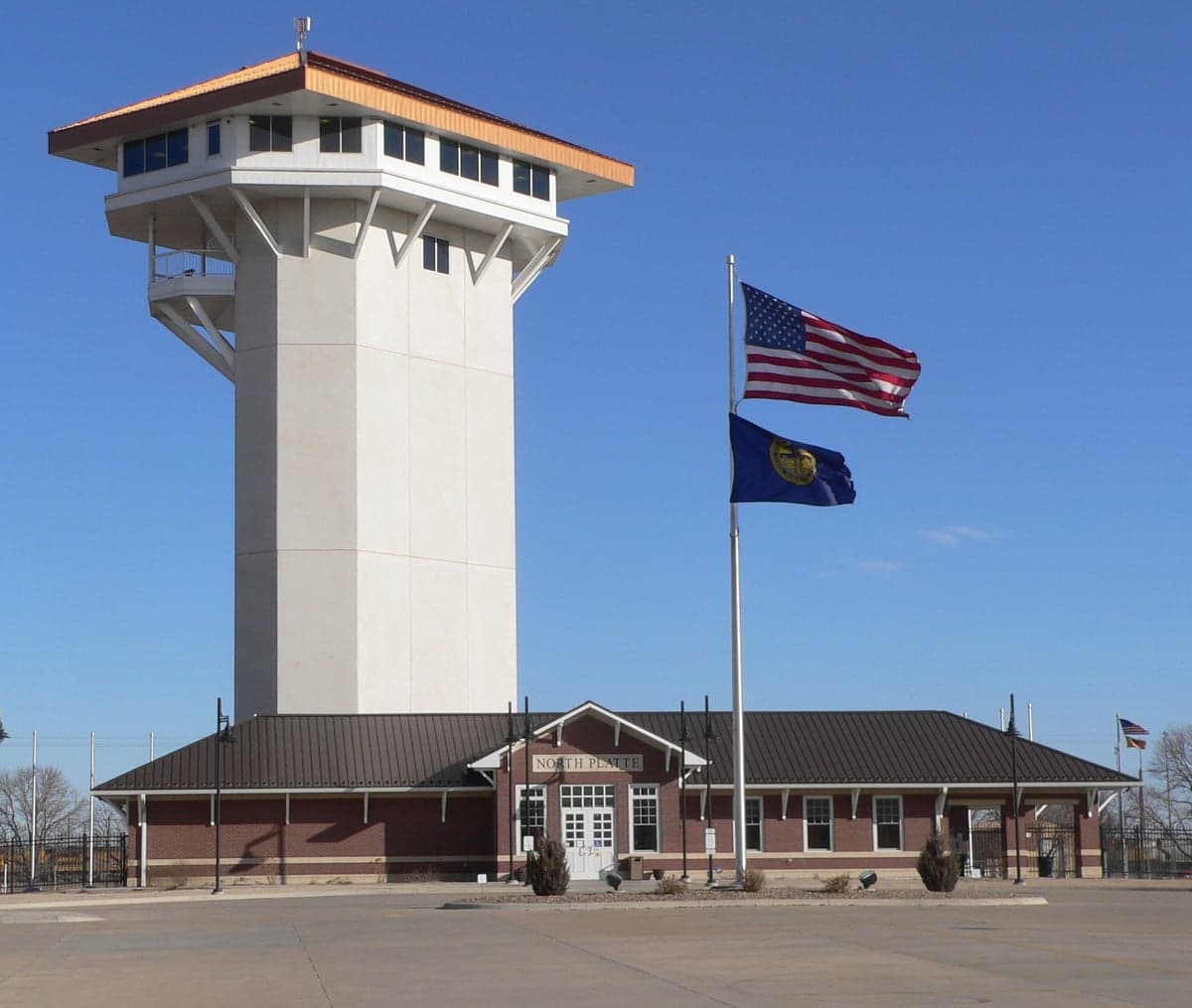
Photo: Wikipedia
Strategic Assessment of North Platte, NE
Strong survivability profile. Good buffer from population centers, with manageable environmental and tactical risks.
What does the Strategic Assessment tell us?
Our Strategic Assessment grades tactical survivability of an area. Major population centers, military targets, fallout zones, natural disasters, and border exposure all drive risk — lower exposure means a more defensible position in a crisis.
This is heavily inspired by Joel Skousen's Strategic Relocation book. Highly recommended you checkout the book ($)What does this tell us?
Our Strategic Assessment grades tactical survivability of an area. Major population centers, military targets, fallout zones, natural disasters, and border exposure all drive risk — lower exposure means a more defensible position in a crisis.
This is heavily inspired by Joel Skousen's Strategic Relocation book. Highly recommended you checkout the book ($)Strategic Pillars

Key Distances
Regional Safe Places
Below is our recommended "safe zones" in Nebraska and the surrounding area based on our strategic heuristics. For most people, it's unrealistic to live in a “safe zone” full-time due to work, family or other personal reasons. They tend to be more rural. However, many of these areas are perfect for second homes and retreat properties that double as a vacation home or even a short-term rental.
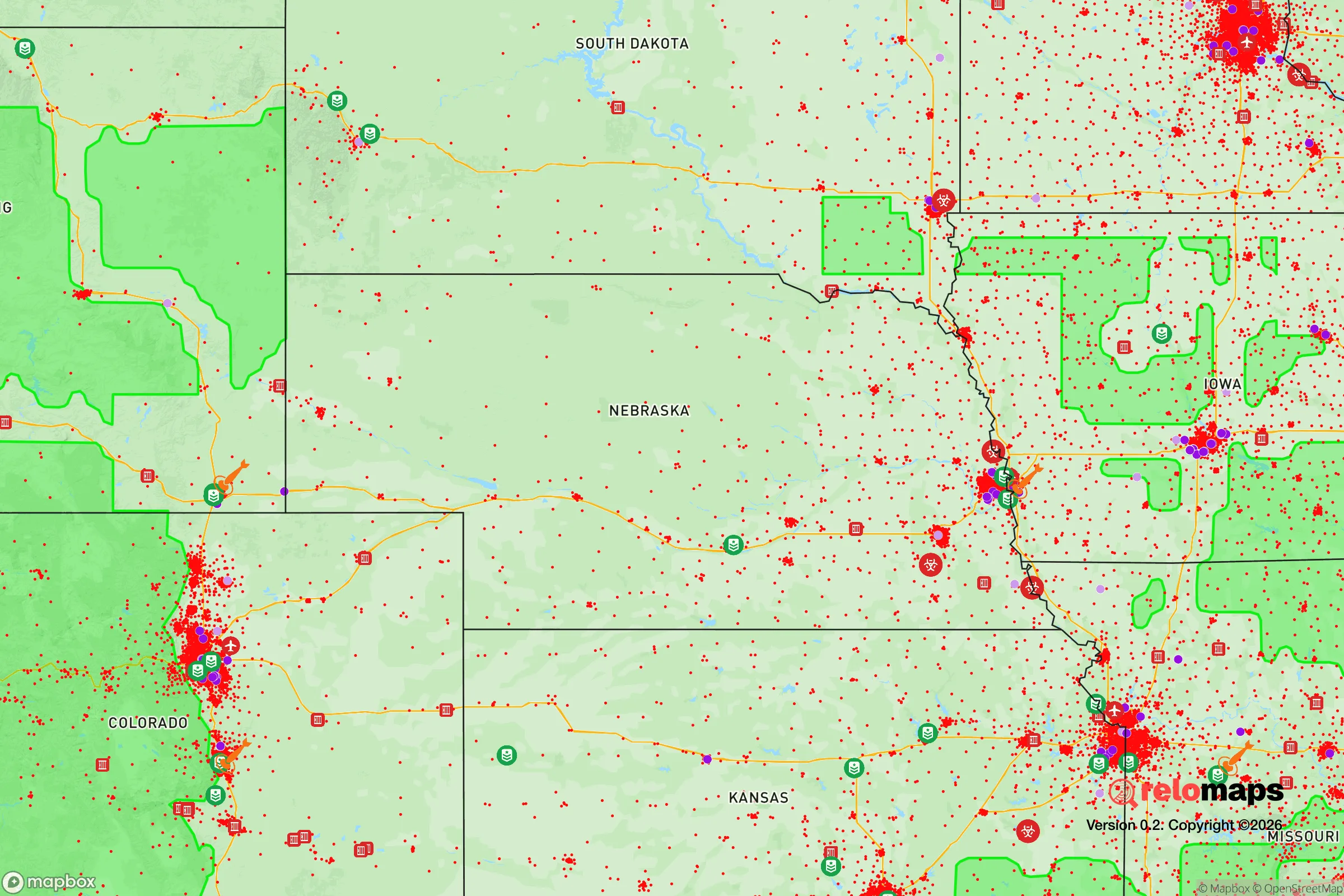
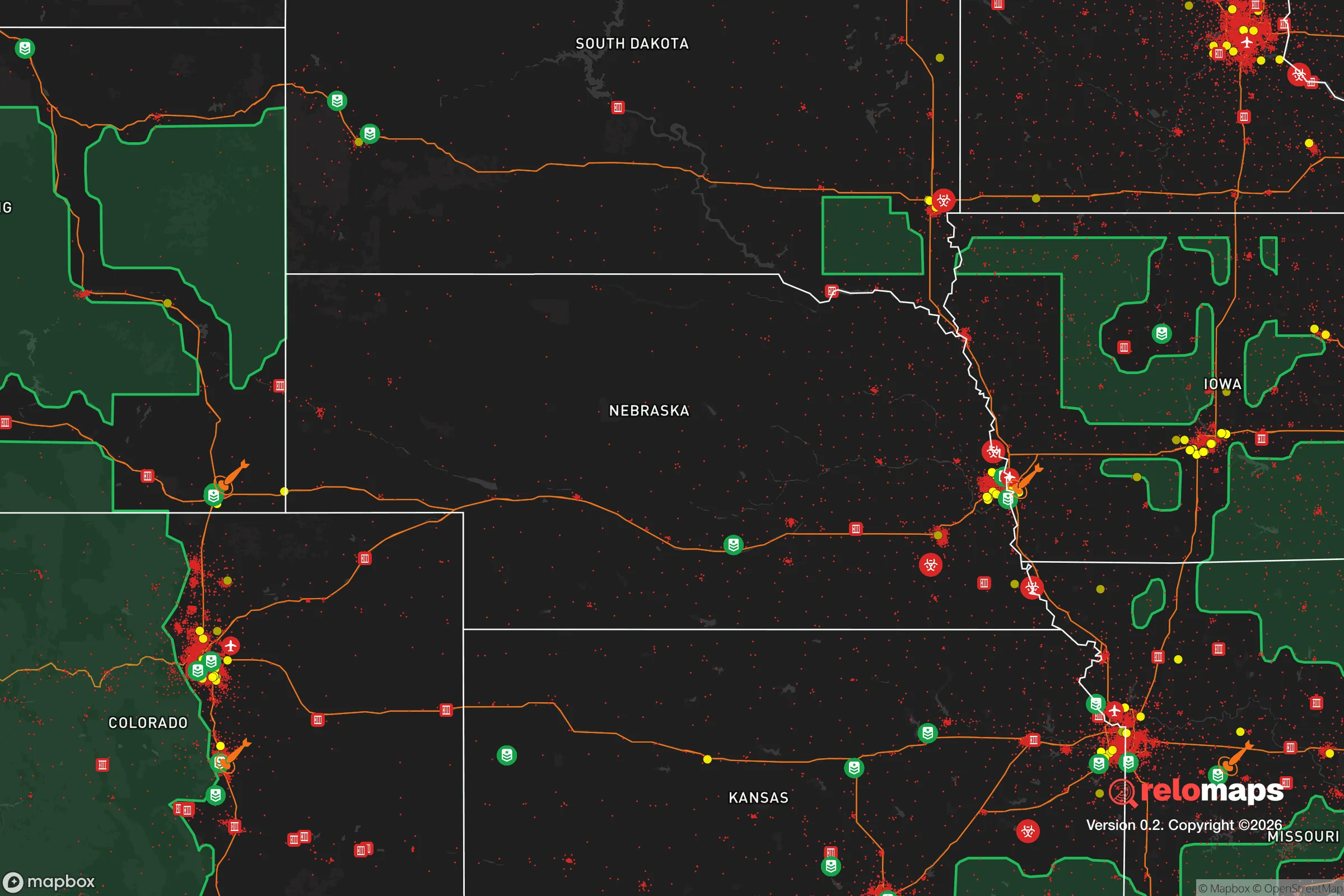


Important Note: For informational purposes only. This does not mean nothing bad ever happens in the green zones. Please use common sense. This is based on public data and modeled with AI. We tried to take a conservative approach but mistakes happen. We update this regularly as new information becomes available.
Solar Generator Recommendations
Backup power matters more here than in safer locations. We've picked three solar generators across budgets and capacity tiers — start with the budget unit if you only need a few essentials, or step up if you want to run a fridge and HVAC for days at a time.

Jackery Portable Power Station Explorer 300
Budget OptionPower on the Go: Weighing only 11 lbs, it's convenient to set up and store with book-sized foldable solar panels

BLUETTI Portable Power Station AC180
Designed for both indoor and outdoor scenarios, AC180 is highly capable as it has a robost capacity and continuous output power.

EF ECOFLOW DELTA Pro Ultra Power Station
Upgraded PickEcoFlow DELTA Pro Ultra is a whole-home energy system designed to grow with your family. Integrated with the Smart Home Panel 2, it scales to meet your evolving energy needs — keeping your home powered, intelligent, and secure through every stage of life.
We earn a commission, at no additional cost to you.
Strategic Assessment Analysis
North Platte, Nebraska, offers a strategic relocation option for those prioritizing resilience and self-sufficiency, anchored by its position along the Union Pacific Railroad's Bailey Yard—the world's largest rail classification yard—and its location at the confluence of the North and South Platte Rivers. This combination of critical transportation infrastructure and abundant freshwater resources provides a foundation for long-term stability, even as national disruptions unfold. For a conservative-leaning prepper or survivalist, North Platte represents a middle-ground bet: not as remote as the Nebraska Sandhills, but far enough from major population centers to avoid the worst fallout of urban collapse, while still maintaining access to essential supply chains and natural resources.
Geographic position and natural advantages for long-term stability
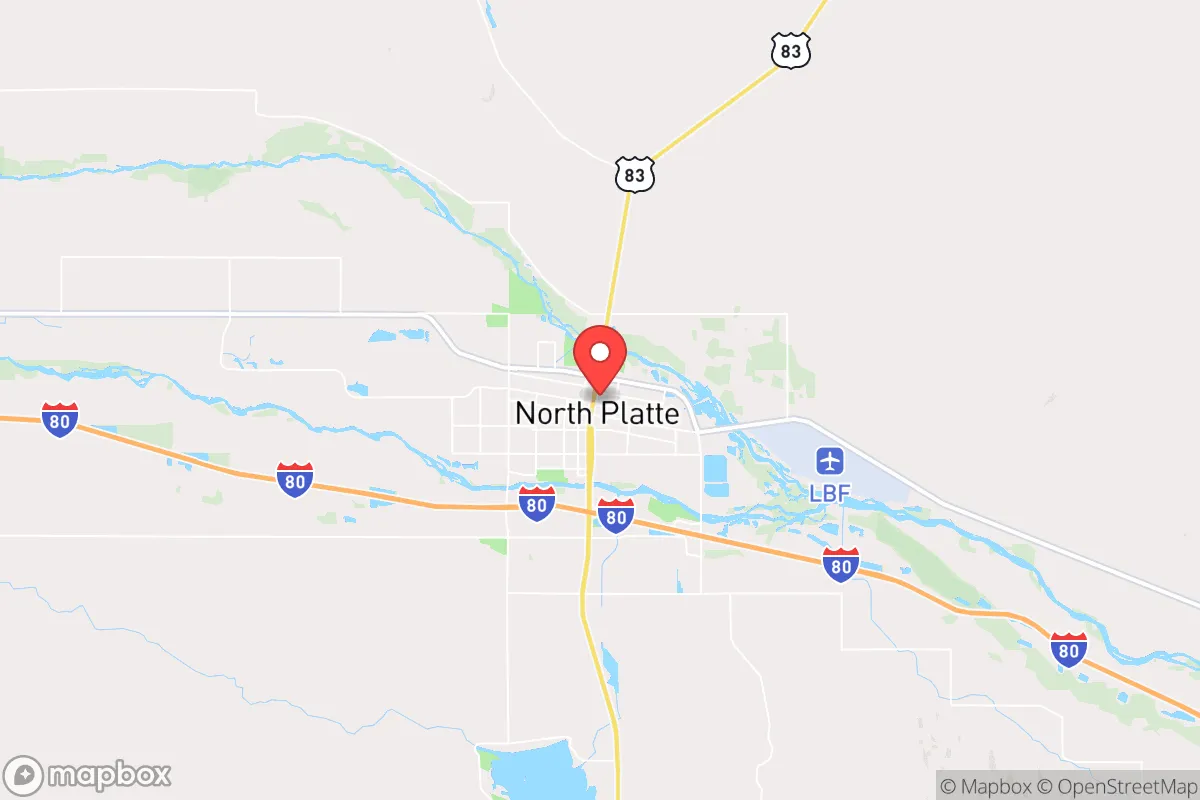
North Platte sits in west-central Nebraska, roughly 230 miles west of Omaha and 300 miles east of Denver, placing it in a sweet spot of isolation without complete detachment. The area's defining natural asset is the Platte River system, which provides a reliable surface water source even during drought years—critical for agriculture, livestock, and personal water needs. The surrounding terrain is mostly flat to gently rolling prairie, with the Loess Canyons region to the south offering some rugged, defensible pockets for those seeking more secluded homesteads. The local climate is semi-arid, with average annual precipitation around 20 inches, meaning water management is a real concern, but the river corridor mitigates this for those who secure riparian access. The region's agricultural base—primarily cattle ranching and corn/soybean farming—means that local food production is a given, not a luxury, and the presence of the Union Pacific rail hub ensures that bulk goods and fuel can move through even if interstate highways become compromised. The area's low population density (Lincoln County has about 35,000 people, with roughly 24,000 in North Platte itself) reduces competition for resources in a crisis scenario, while still providing a functional local economy for day-to-day life.
Risks, exposures, and proximity to fallout-relevant landmarks
The primary risk for North Platte is its role as a critical rail node. Bailey Yard is a strategic asset that could become a target for sabotage, civil unrest, or even state-level disruption during a national emergency. A coordinated attack on the yard could halt rail traffic across the western U.S., and the resulting chaos might draw federal attention or trigger supply chain failures that ripple into the local economy. Additionally, the city lies within 100 miles of the U.S. Strategic Command (STRATCOM) headquarters at Offutt Air Force Base near Omaha, making it theoretically within a secondary fallout zone if a major conflict escalates—though the prevailing winds would likely carry fallout eastward, away from North Platte. The nearby Nebraska Public Power District's Gerald Gentleman Station, a coal-fired plant about 30 miles south, is a potential industrial hazard if damaged, but it's not a nuclear facility. The area has no major nuclear power plants within 150 miles (the closest is Fort Calhoun near Omaha), which is a significant positive for fallout avoidance. Tornadoes are a real seasonal threat—Nebraska sits in Tornado Alley—but the flat terrain allows for ample warning time, and basements are standard in most homes. The biggest long-term risk is economic: if the rail industry contracts or automation reduces Bailey Yard's workforce, the local economy could stagnate, but that's a slow-burn issue, not a sudden collapse.
Practical resilience for a relocator: food, water, energy, and defensibility
For a relocator focused on practical self-sufficiency, North Platte offers several concrete advantages. Water access is the strongest asset: the Platte River is a perennial stream, and groundwater in the Ogallala Aquifer is accessible via wells in most of Lincoln County, though drilling depths vary (typically 100-300 feet). The city's municipal water supply comes from the river, so even if grid power fails, gravity-fed irrigation or hand-pumping from shallow wells is feasible for those with rural property. Food resilience is high due to the agricultural economy: local farmers' markets, bulk grain suppliers, and direct-from-ranch beef are available year-round, and the region's hunting (deer, pheasant, waterfowl) provides a protein buffer. Energy is a mixed bag: the grid is reliable but dependent on coal and natural gas from distant sources; solar potential is good (averaging 5.5 peak sun hours per day), and wind is abundant, making off-grid setups viable with proper battery storage. Defensibility is moderate: the flat terrain offers long sightlines but limited natural cover, so a rural property with a good perimeter and a basement or storm shelter is essential. The local population is predominantly conservative, with a strong gun culture and a "mind your own business" ethos, which reduces the likelihood of social friction for newcomers who keep to themselves. The Lincoln County Sheriff's Office and North Platte Police Department are professional but understaffed (roughly 1 officer per 1,000 residents), so in a prolonged crisis, community self-policing would be the norm. The nearest major military installation is Camp Ashland, about 200 miles east, which is a training facility—not a rapid-response asset—meaning the area is unlikely to see martial law or troop movements in most scenarios.
The overall strategic picture for North Platte is one of calculated trade-offs. It lacks the extreme isolation of the Nebraska Sandhills or the Black Hills, but it compensates with superior water access, a functional local economy, and critical infrastructure that, while a risk, also ensures supply lines stay open longer than in truly remote areas. For a conservative relocator who values preparedness without complete off-grid living, North Platte offers a realistic middle path: you can buy a house with a basement, drill a well, stockpile supplies, and still drive to a grocery store or hardware store without a two-hour trip. The biggest unknowns are the rail yard's vulnerability and the long-term economic trajectory, but for someone looking to ride out the next decade of potential instability, this is a solid, defensible base of operations. Just make sure you have a good tornado plan and a reliable water filtration system—the Platte is silty, and you'll want to treat it before drinking.

* Values derived from national, state, county, city and local statistics and may differ in a specific area. Last updated: 2026-04-19T07:50:33.000Z
Narrative content on this page is AI-generated and may contain mistakes. Verify any details that matter before acting on them.
ReloMaps may earn a commission from affiliate links at no extra cost to you.

