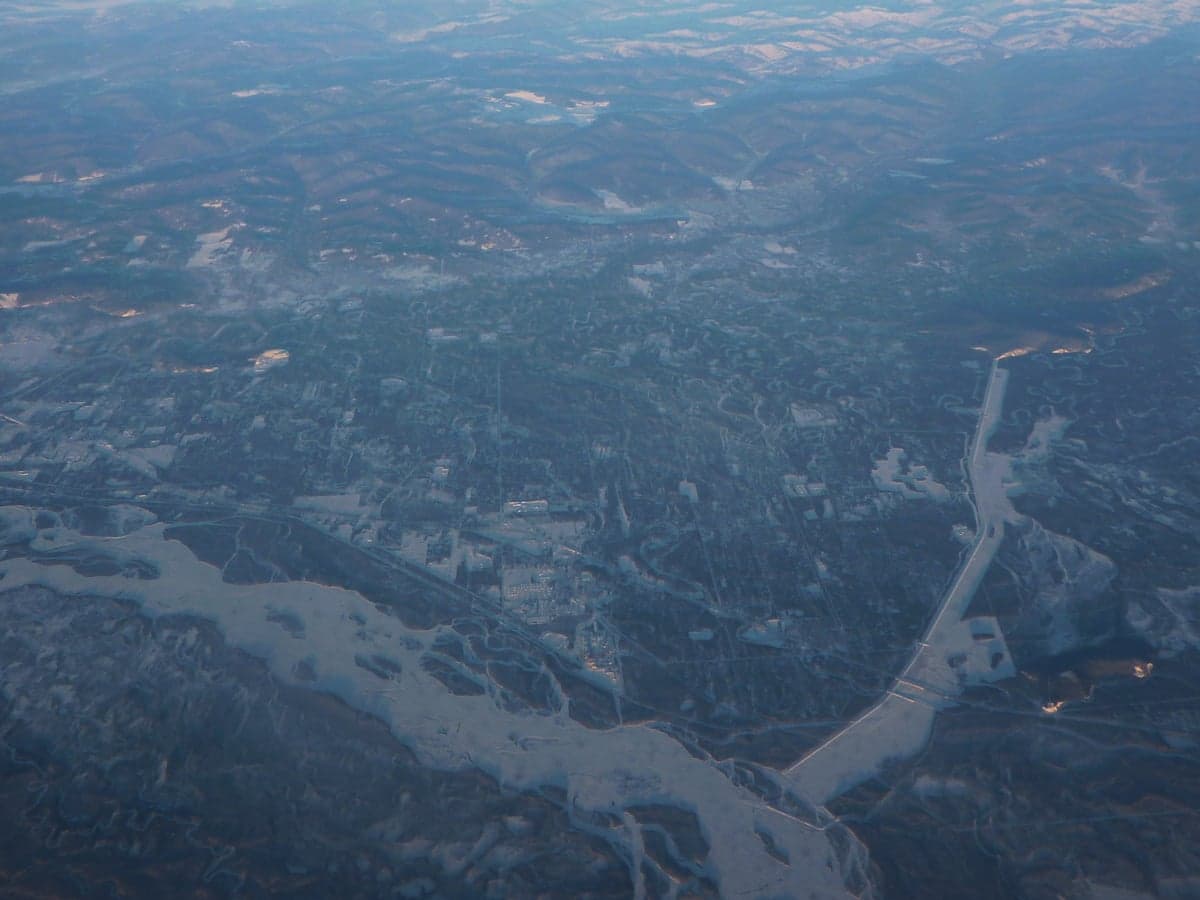
Photo: Wikipedia
Quality of Life in North Pole, AK
A high quality of life with strong walkability, manageable living costs, healthy neighborhood signals, and solid amenity access.
What does Quality of Life tell us?
Quality of Life blends cost of living, nearby amenities, socioeconomic signals, and neighborhood character. City-level scores represent the whole municipality; individual neighborhoods can differ.
What does this tell us?
Quality of Life blends cost of living, nearby amenities, socioeconomic signals, and neighborhood character. City-level scores represent the whole municipality; individual neighborhoods can differ.
Cost of Living
5% above national average
The Real Cost of Living in North Pole, AK for 2026
| Tier | Individual | Family (4) |
|---|---|---|
| Survival | $20k | $38k |
| Comfortable | $53k | $78k |
| Luxury | $112k+ | $174k+ |
| Elite (Top 5%) | $132k+ | $205k+ |
120%
The Area Signal
A metric tracking the socioeconomic signals of the area.


Hobbies
Explore the areaGroceries
0 within 10 miles
Gas
0 within 10 miles
Hospital
3 within 20 miles
Airport
Bradley Sky-Ranch Airport
Post Office
USPS — Fairbanks, AK
Critical Amenities
Quality-of-Life Analysis
North Pole, Alaska, presents a unique quality-of-life profile that blends small-town affordability with the logistical realities of living in a subarctic climate. The city's cost of living index of 105 (just 5% above the U.S. average) is notably lower than Anchorage's index of 126, making it a relatively budget-friendly option within the state. The population skews toward families and workers in logistics, military support (via nearby Fort Wainwright), and tourism, drawn by the town's year-round Christmas theme and proximity to Fairbanks.
Cost of living, housing affordability, and how North Pole compares to Fairbanks
Housing in North Pole is significantly more attainable than in Alaska's larger cities. The median home value sits at $272,000, which is roughly 15% lower than the Fairbanks median and about 30% below Anchorage's. Median rent is $1,281, a figure that undercuts Fairbanks by roughly $200 per month. While these numbers are manageable for many, the trade-off is that property taxes are moderate but utility costs—especially heating fuel and electricity—can spike dramatically in winter, often adding $300–$500 monthly to household expenses. The average commute of 23.7 minutes is reasonable, with most residents driving to jobs in Fairbanks (15 miles west) or to Eielson Air Force Base (20 miles south). Compared to the Anchorage metro area, where commutes often exceed 30 minutes, North Pole offers a shorter, less congested drive, though winter road conditions (ice, snow, and limited daylight) can extend travel time significantly.
Schools, amenities, and what daily life actually feels like
Daily life in North Pole revolves around a tight-knit, family-oriented rhythm. The Fairbanks North Star Borough School District operates two elementary schools and one middle/high school within city limits, with North Pole High School consistently posting graduation rates above 90%. For amenities, residents rely on a modest retail core (Walmart, Safeway, and local shops) but drive to Fairbanks for major healthcare, dining, and entertainment. The city's signature attraction—the Santa Claus House and the 42-foot-tall fiberglass Santa statue—draws tourists year-round, but locals appreciate the quiet, safe streets and low crime rates relative to Fairbanks. Winters are harsh (average January high of -10°F), with only 3–4 hours of daylight in December, which shapes a lifestyle centered on indoor activities, community events like the Winter Festival, and outdoor recreation (dog mushing, ice fishing, and Northern Lights viewing). Summers offer 22 hours of daylight, enabling gardening, hiking, and fishing in nearby Chena Lake Recreation Area.
North Pole is best suited for families, retirees, and workers in stable sectors like military support, education, or logistics who value affordability and a strong community identity over urban amenities. The low housing costs and short commute are compelling, but the extreme seasonal light variation and high heating bills are non-negotiable trade-offs. Those who thrive here are self-reliant, comfortable with small-town isolation, and willing to embrace a lifestyle where Christmas decorations are a year-round norm rather than a seasonal gimmick.

Crime in North Pole, AK
Generally safer than 56% of comparable U.S. locations.
Violent CrimeViolent Crime Analysis
Property CrimeProperty Crime Analysis
Crime Analysis
North Pole, Alaska, presents a crime profile that warrants careful consideration for potential residents. With a violent crime rate of 621.4 incidents per 100,000 residents and a property crime rate of 2,291.3 per 100,000, the city's safety statistics significantly exceed both state and national averages. These figures place North Pole in a higher-risk category than many comparably sized communities, a reality shaped by broader regional crime trends and local justice system dynamics.
Crime in context
To understand North Pole's safety landscape, it is essential to compare its rates against benchmarks. The national average for violent crime is roughly 380 per 100,000, making North Pole's rate over 60% higher. Property crime nationally averages around 1,950 per 100,000, meaning North Pole's rate is about 17% above the national figure. Alaska as a state consistently reports elevated crime rates, and North Pole's numbers align with this troubling pattern. The Fairbanks North Star Borough, which encompasses North Pole, has historically struggled with property theft and drug-related offenses, contributing to the city's elevated statistics.
What residents experience
For those living in North Pole, the daily reality involves a heightened awareness of personal and property security. Property crime—including burglary, larceny-theft, and motor vehicle theft—is the most common concern, with residents reporting incidents like package theft, vehicle break-ins, and shed burglaries. Violent crime, while less frequent, includes aggravated assault and robbery, and its high per-capita rate is a significant worry. A critical factor influencing these numbers is the local justice system. The Fairbanks area, including North Pole, operates under a judicial philosophy that many residents and analysts view as overly lenient toward offenders. Progressive district attorneys and judges, prioritizing rehabilitation and alternative sentencing over incarceration, have contributed to a revolving-door effect where repeat offenders cycle back into the community. This approach, while sympathetic to offenders, directly undermines public safety by keeping more criminals on the street and diminishing justice for victims.
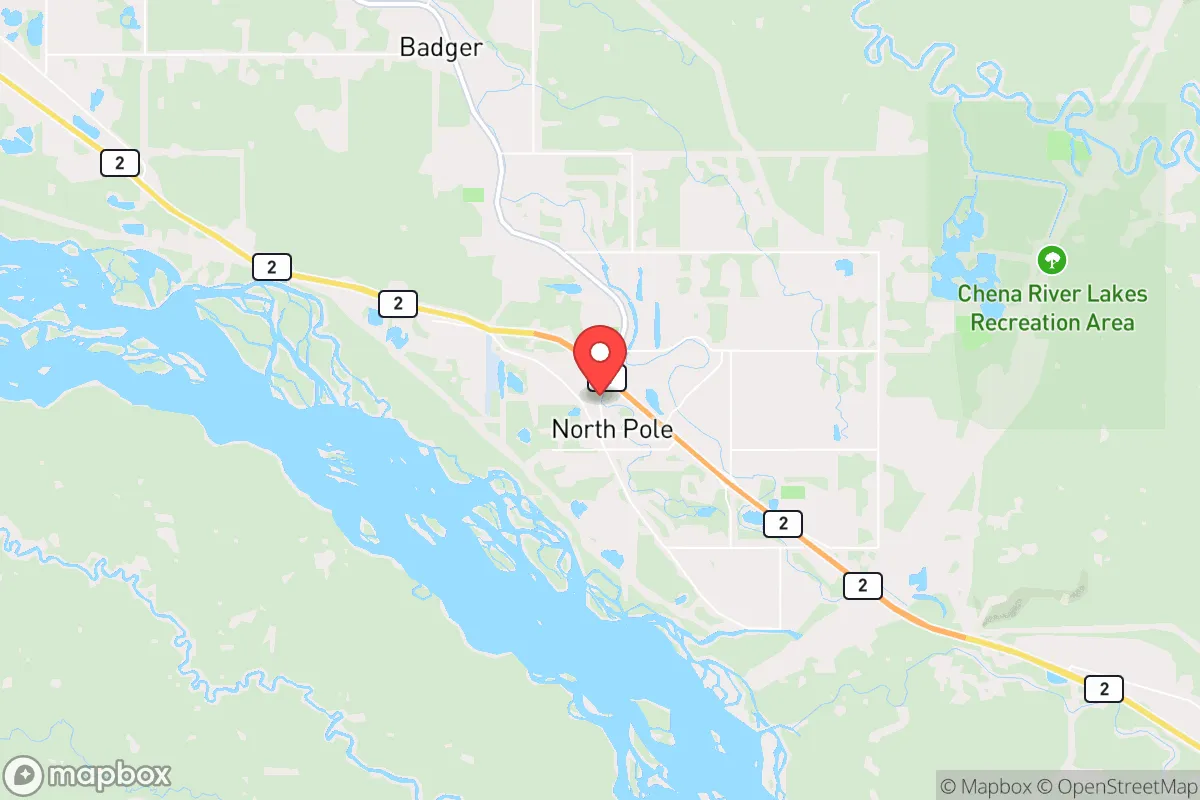
Neighborhood-level variation within North Pole is limited but notable. Areas closer to the city's commercial core along the Richardson Highway and Santa Claus Lane experience higher foot traffic and, consequently, more property crime. Residential subdivisions on the outskirts, such as those near the Chena River or in the Badger Road corridor, tend to see fewer incidents but are not immune. Gated communities are virtually nonexistent, and most homes rely on standard locks, outdoor lighting, and neighborhood watch efforts. For those considering a move, proximity to the Fairbanks city limits is a meaningful variable, as crime rates tend to rise closer to the urban center. Ultimately, North Pole demands a proactive approach to safety, with residents advised to invest in security systems, participate in local crime prevention groups, and remain vigilant about the broader implications of the area's justice policies.
* Values derived from national, state, county, city and local statistics and may differ in a specific area. Last updated: 2026-04-19T19:33:38.000Z
Narrative content on this page is AI-generated and may contain mistakes. Verify any details that matter before acting on them.
ReloMaps may earn a commission from affiliate links at no extra cost to you.

