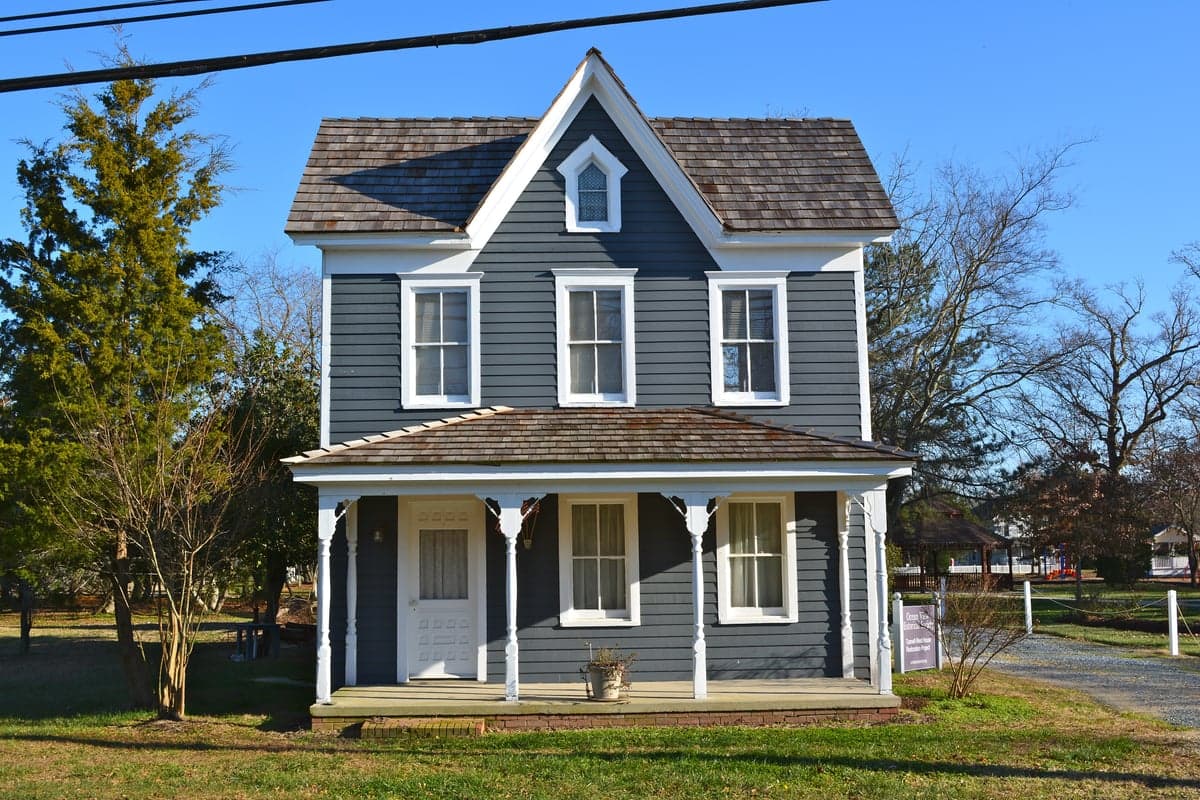
Photo: Wikipedia
Strategic Assessment of Ocean View, DE
Multiple tactical vulnerabilities. Population density, target proximity, or disaster risk are likely compounding. A retreat property and exit planning is required.
What does the Strategic Assessment tell us?
Our Strategic Assessment grades tactical survivability of an area. Major population centers, military targets, fallout zones, natural disasters, and border exposure all drive risk — lower exposure means a more defensible position in a crisis.
This is heavily inspired by Joel Skousen's Strategic Relocation book. Highly recommended you checkout the book ($)What does this tell us?
Our Strategic Assessment grades tactical survivability of an area. Major population centers, military targets, fallout zones, natural disasters, and border exposure all drive risk — lower exposure means a more defensible position in a crisis.
This is heavily inspired by Joel Skousen's Strategic Relocation book. Highly recommended you checkout the book ($)Strategic Pillars

Key Distances
Regional Safe Places
Below is our recommended "safe zones" in Delaware and the surrounding area based on our strategic heuristics. For most people, it's unrealistic to live in a “safe zone” full-time due to work, family or other personal reasons. They tend to be more rural. However, many of these areas are perfect for second homes and retreat properties that double as a vacation home or even a short-term rental.
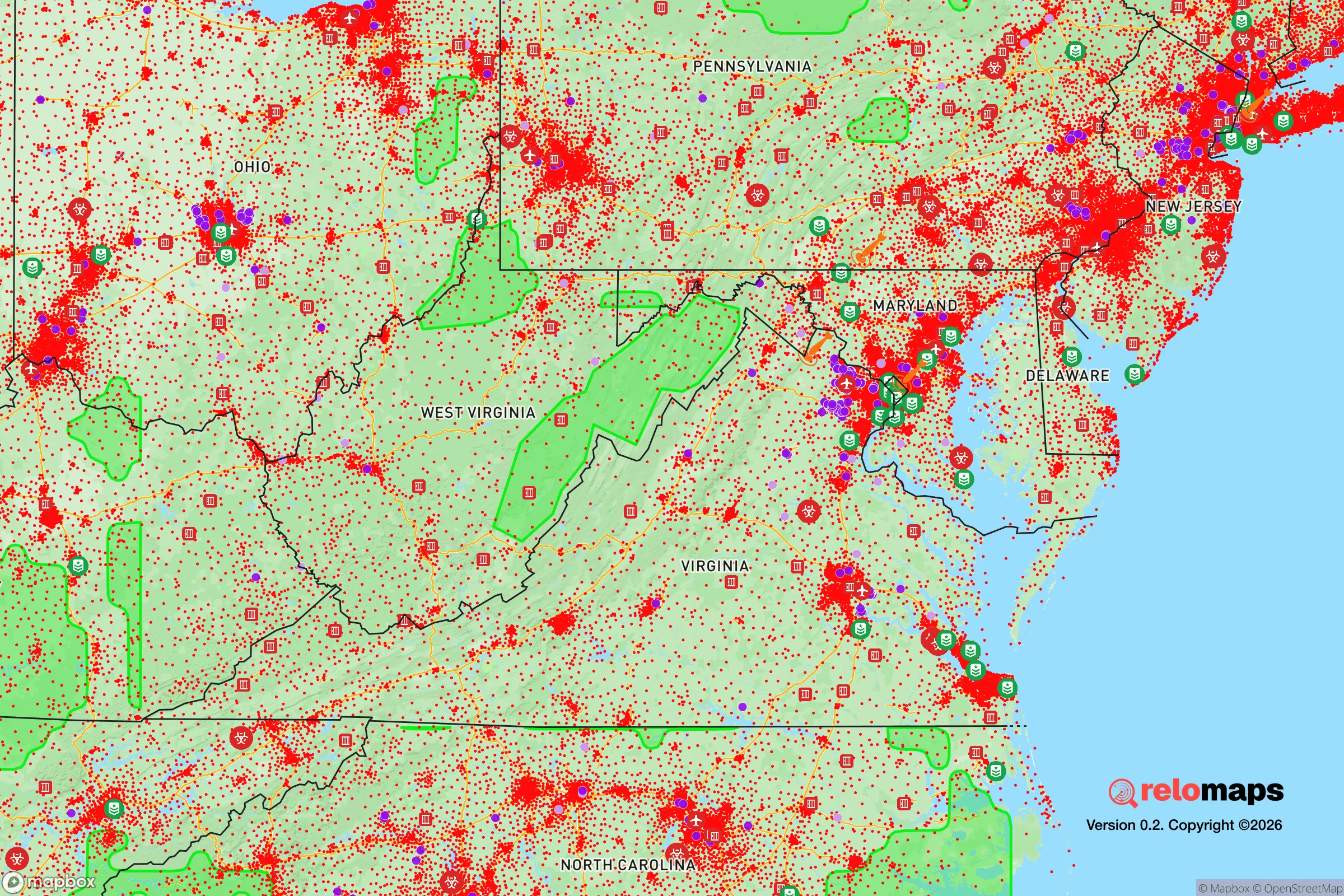
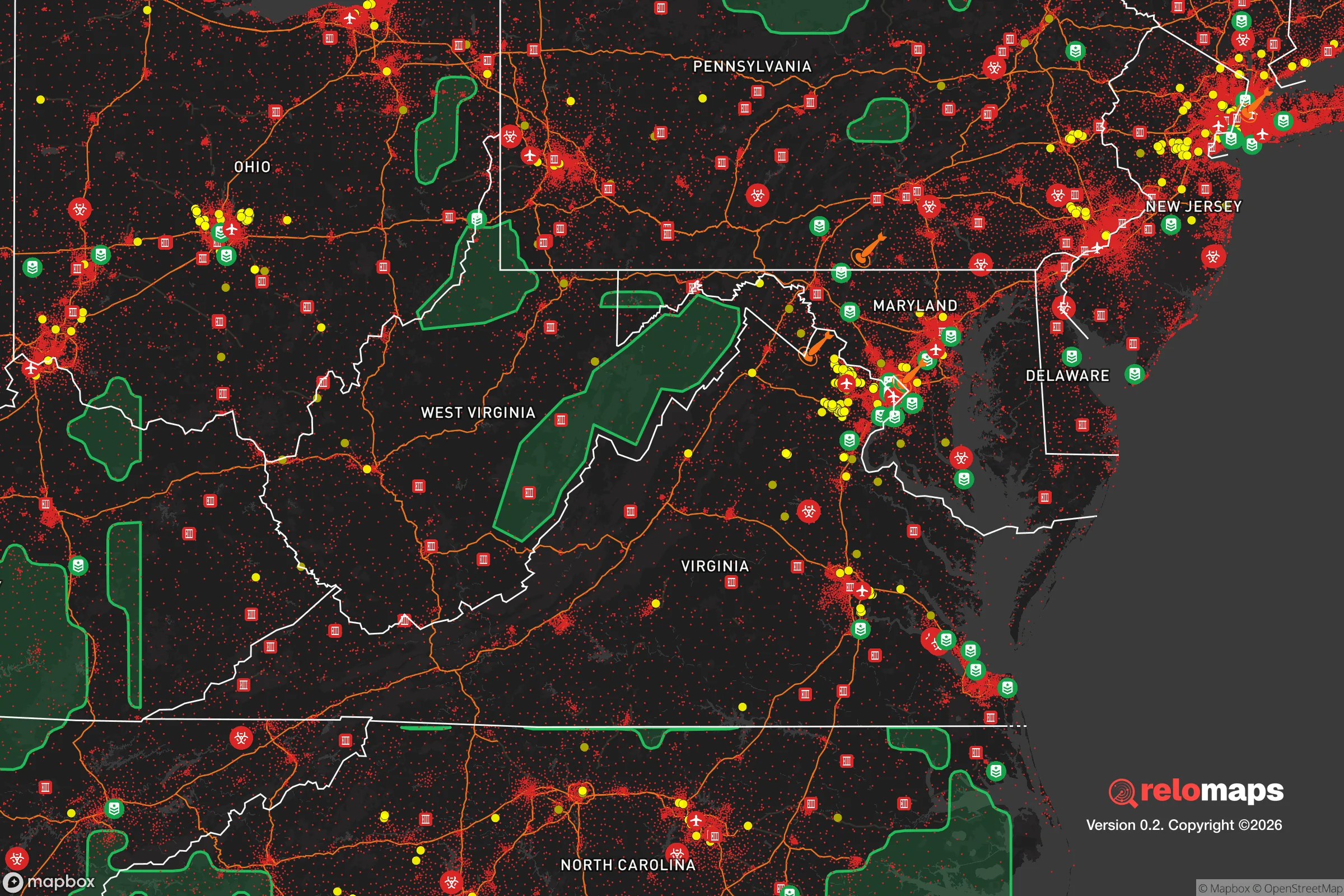


Important Note: For informational purposes only. This does not mean nothing bad ever happens in the green zones. Please use common sense. This is based on public data and modeled with AI. We tried to take a conservative approach but mistakes happen. We update this regularly as new information becomes available.
Solar Generator Recommendations
Backup power matters more here than in safer locations. We've picked three solar generators across budgets and capacity tiers — start with the budget unit if you only need a few essentials, or step up if you want to run a fridge and HVAC for days at a time.

Jackery Portable Power Station Explorer 300
Budget OptionPower on the Go: Weighing only 11 lbs, it's convenient to set up and store with book-sized foldable solar panels

BLUETTI Portable Power Station AC180
Designed for both indoor and outdoor scenarios, AC180 is highly capable as it has a robost capacity and continuous output power.

EF ECOFLOW DELTA Pro Ultra Power Station
Upgraded PickEcoFlow DELTA Pro Ultra is a whole-home energy system designed to grow with your family. Integrated with the Smart Home Panel 2, it scales to meet your evolving energy needs — keeping your home powered, intelligent, and secure through every stage of life.
We earn a commission, at no additional cost to you.
Strategic Assessment Analysis
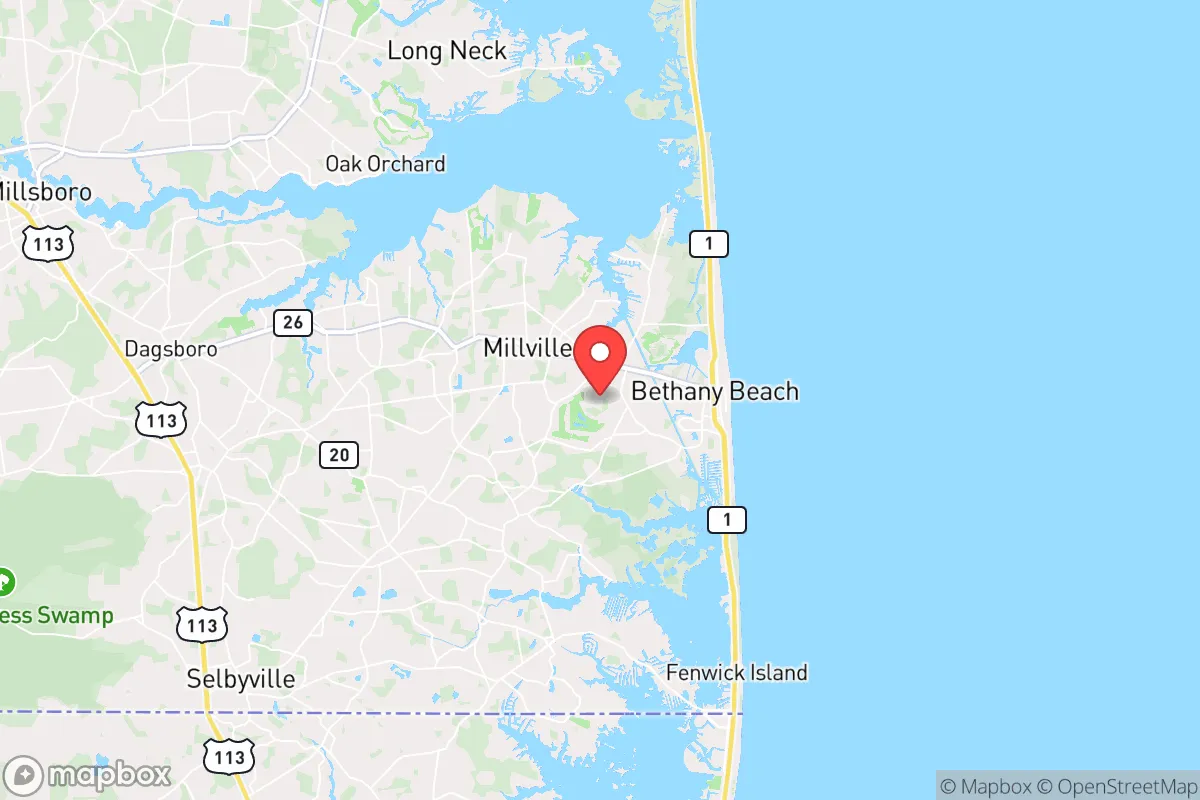
Ocean View, Delaware, occupies a narrow strip of coastal land that offers a mixed strategic picture for those prioritizing resilience and self-sufficiency. Its location on the Atlantic coast, roughly 25 miles south of the Rehoboth Beach tourist corridor and 30 miles north of the Maryland state line, places it within a zone that is neither fully rural nor densely urbanized—a Goldilocks position for a relocator seeking to avoid the immediate fallout zones of major cities while still retaining access to supply routes. The town's population hovers around 2,000 year-round residents, swelling seasonally, which means the permanent community is small enough to maintain social cohesion but large enough to support basic infrastructure. For a conservative-leaning prepper, Ocean View's primary advantage is its distance from the high-risk corridors of I-95 and the Washington-Baltimore-Philadelphia megalopolis, while its primary liability is its exposure to coastal hazards and the seasonal influx of transient populations that could strain local resources during a crisis.
Geographic position and natural advantages for long-term survival
Ocean View sits on a flat coastal plain bordered by the Atlantic Ocean to the east and the Indian River Bay to the north, giving it a natural water boundary that could serve as a defensive buffer against overland movement from the west. The surrounding Sussex County is the most agricultural county in Delaware, with over 40% of its land area dedicated to farmland—corn, soybeans, and poultry operations dominate. This means a relocator here has immediate access to local food production networks, unlike the suburban sprawl of northern Delaware. The area's groundwater is generally abundant and shallow, with the Columbia aquifer underlying much of the region, though it is vulnerable to saltwater intrusion near the coast. For a prepper, the ability to dig a well or tap into a shared community well is a realistic option, provided the property is at least a mile inland. The flat terrain also makes bicycle and ATV travel feasible if fuel becomes scarce, and the extensive network of rural roads and farm lanes offers multiple egress routes toward the interior of Sussex County or into Maryland's Worcester County. However, the lack of significant elevation means there are no natural high-ground defensive positions, and the area is exposed to nor'easters and hurricanes that can flood low-lying neighborhoods—something to factor into any bug-out or shelter-in-place plan.
Risks, exposures, and proximity to fallout-relevant landmarks
The most significant risk for Ocean View is its proximity to the Indian River Power Plant, a coal- and natural gas-fired facility located about 10 miles north near Millsboro. While not a nuclear plant, it is a critical infrastructure target that could be disrupted during civil unrest or a cyberattack, potentially cutting power to the region for extended periods. The nearest nuclear power plant is the Salem Nuclear Generating Station in New Jersey, roughly 70 miles northeast—outside the immediate lethal fallout zone for a worst-case event, but close enough that prevailing winds from the northeast could carry particulate matter into the area. More concerning for a prepper is the seasonal population surge: from Memorial Day to Labor Day, the population of Ocean View and surrounding Bethany Beach can increase by a factor of 10, straining local food supplies, medical facilities, and law enforcement capacity. During a crisis, these transient visitors could become a liability, competing for resources and potentially creating security issues. The town is also within 30 miles of the Dover Air Force Base, a major military logistics hub that could become a target in a conflict scenario. On the positive side, Ocean View is far from the major petrochemical complexes along the Delaware River near Wilmington and Philadelphia, and it sits outside the blast radius of any major metropolitan area. The nearest city of significant size is Salisbury, Maryland, about 35 miles west—a regional hub that could serve as a resupply point but also as a source of unrest if conditions deteriorate.
Practical resilience for a relocator: food, water, energy, and defensibility
For a relocator serious about self-sufficiency, Ocean View offers a workable but not ideal baseline. Food security is the strongest suit: the surrounding farmland means you can buy directly from local growers at roadside stands or join a CSA, and the Atlantic and bay provide fishing, crabbing, and clamming opportunities year-round. The Indian River Inlet and the Delaware Seashore State Park offer public access to marine resources, but note that these areas will be crowded during normal times and potentially contested during a collapse. Water security requires planning: municipal water comes from the aquifer, but a well on your property is the gold standard. Most lots in Ocean View are small (quarter-acre to half-acre), so drilling a well is feasible but may require a permit and upfront cost of $5,000–$10,000. Rainwater collection is legal in Delaware and can supplement supply, but the flat terrain means you'll need a pump or gravity-fed system. Energy resilience is a mixed bag: the area gets ample sun for solar panels, and net metering is available through Delaware Electric Cooperative, but the coastal climate means frequent cloud cover in winter and the risk of storm damage to panels. A backup generator running on propane or diesel is a must, and storing fuel for 30 days is prudent. Defensibility is the weakest link: Ocean View is a suburban-style development with grid streets, few natural chokepoints, and no topographic cover. The town's police force is small (fewer than 10 officers), and the nearest state police barracks is in Georgetown, 20 minutes away. For a single individual or family, a rural property on the western edge of Sussex County—near towns like Laurel or Bridgeville—would offer better defensibility with more land and fewer neighbors. But if you're committed to the coast, Ocean View's low population density in the off-season and the ability to fortify a single-family home with security doors, cameras, and a perimeter fence make it a viable option for a low-profile retreat.
The overall strategic picture for Ocean View is one of calculated trade-offs. It offers a buffer from the chaos of the I-95 corridor while retaining access to the agricultural and marine resources of the Delmarva Peninsula. The seasonal population surge is a real vulnerability, but it also means that for eight months of the year, you have a quiet, manageable community where you can build relationships with like-minded neighbors. The lack of natural defensibility and the exposure to coastal weather events are serious considerations that require proactive mitigation—elevated construction, flood insurance, and a well-stocked emergency kit. For a conservative prepper who values independence and community over isolation, Ocean View is a reasonable choice, provided you enter with eyes open to its limitations. It is not a bug-out location for a total collapse scenario—too exposed, too flat, too close to seasonal crowds—but as a long-term residence where you can establish a resilient lifestyle while still being within a day's drive of the major cities you're trying to avoid, it holds its own. The key is to treat it as a base of operations, not a fortress, and to have a secondary plan for relocation inland if conditions deteriorate beyond what the coast can sustain.

* Values derived from national, state, county, city and local statistics and may differ in a specific area. Last updated: 2026-04-30T03:48:28.000Z
Narrative content on this page is AI-generated and may contain mistakes. Verify any details that matter before acting on them.
ReloMaps may earn a commission from affiliate links at no extra cost to you.

