 Popular
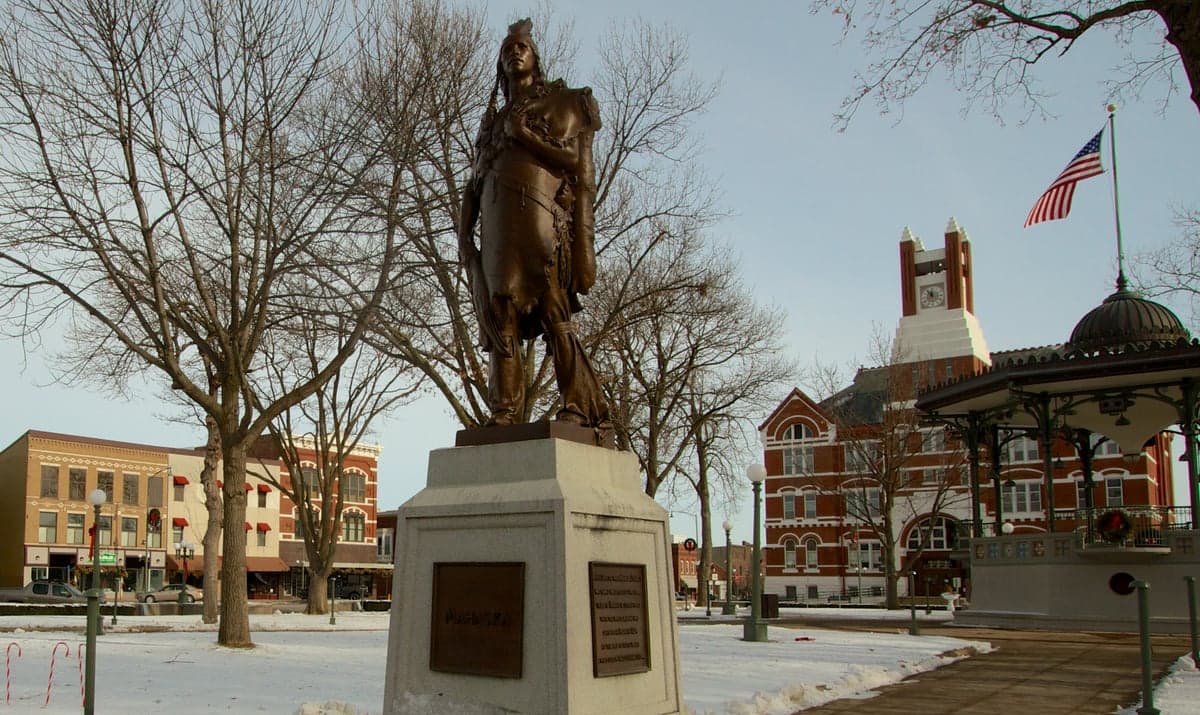
Photo: Wikipedia
Personal Sovereignty in Oskaloosa, IA
Viable for self-reliance. Generally workable, though some barriers may limit total independence.
What does Personal Sovereignty tell us?
Personal Sovereignty measures your capacity for self-reliance and independence with minimal government friction. Higher scores mean fewer barriers between you and the way you want to live... but it assumes you have the space you need and good neighbors.
What does this tell us?
Personal Sovereignty measures your capacity for self-reliance and independence with minimal government friction. Higher scores mean fewer barriers between you and the way you want to live... but it assumes you have the space you need and good neighbors.
State Policy
Energy independence: Importer (50% of energy produced in-state)
Personal Liberty
Homesteading

Personal Liberty Analysis
Oskaloosa, Iowa, offers a notably high degree of personal sovereignty for those seeking to minimize government overreach in daily life, particularly when compared to coastal or urbanized states. The city’s location in Mahaska County places it within a state that has consistently pushed back against federal mandates on health, education, and property rights, creating an environment where individual autonomy is the default rather than the exception. For single individuals and parents with a survivalist or prepper mindset, Oskaloosa represents a strategic balance—small enough to avoid heavy-handed municipal bureaucracy, yet connected enough to access resources and markets. The key question is whether this autonomy is robust enough to withstand future encroachments, and the evidence suggests a solid foundation, though vigilance remains necessary.
Tax burden and regulatory posture in Oskaloosa
Iowa’s tax climate is a major draw for those prioritizing financial sovereignty. The state has been aggressively cutting income taxes, with a flat rate of 3.9% scheduled for 2026, down from a progressive top rate of 8.53% just a few years ago. Oskaloosa itself imposes a local option sales tax of 1%, bringing the total to 7%—moderate by national standards. Property taxes in Mahaska County average around 1.3% of assessed value, which is reasonable for the Midwest. More importantly, the regulatory posture in Oskaloosa is light. The city does not have a burdensome business license regime, and zoning is generally permissive for home-based enterprises, which is critical for preppers running small-scale operations like food preservation or equipment repair. There is no city-level income tax, and no special “green” mandates or energy codes that force homeowners into expensive retrofits. For a survivalist, this means more of your earnings stay in your hands, and you can invest in land, supplies, and infrastructure without bureaucratic hurdles. The state’s right-to-work laws further reduce union influence, which can be a plus for those who value employment flexibility over collective bargaining.
Self-defense and gun law specifics in Oskaloosa
Iowa is a constitutional carry state, meaning no permit is required to carry a concealed firearm for anyone legally allowed to possess one. This went into effect in 2021, and Oskaloosa has not attempted to override it with local ordinances—a critical point for those who view self-defense as a non-negotiable right. There are no magazine capacity restrictions, no “assault weapon” bans, and no waiting periods for firearm purchases. The state also has a strong “stand your ground” law, which removes the duty to retreat before using deadly force in self-defense. For preppers, this legal framework allows for a robust home defense posture without fear of prosecution for defending your property. Additionally, Iowa does not require registration of firearms, and private sales between individuals are legal without background checks. Oskaloosa’s police department is professional but not overbearing; the city’s violent crime rate is low (about 1.5 per 1,000 residents), so the need for defensive use is minimal, but the legal right is fully protected. For parents, this means you can teach your children firearm safety and train them in marksmanship without state interference, as long as you follow basic storage laws.
Self-reliance and homesteading viability in Oskaloosa
Oskaloosa’s rural character makes it a strong candidate for homesteading and off-grid living. The city itself has standard zoning, but the surrounding Mahaska County areas offer large lots—often 1 to 5 acres within a 10-minute drive of downtown, and 10 to 40 acres further out. Zoning in unincorporated areas is minimal; there are no county-level restrictions on rainwater collection, composting toilets, or solar panel installation. The city does have building codes, but they are based on the 2018 International Residential Code, which is manageable for DIY construction. For off-grid feasibility, Iowa’s net metering policy allows you to sell excess solar power back to the grid, though the rates have been declining. More importantly, there are no state-level bans on private wells or septic systems, provided you meet basic health standards. Oskaloosa’s average lot price is around $15,000 per acre for raw land, making it affordable for those looking to establish a self-sufficient homestead. Chickens, goats, and even small livestock are generally allowed within city limits with a permit, and no restrictions exist on beekeeping or gardening. For preppers, this means you can grow a significant portion of your own food, store water, and generate power without fighting a hostile local government.
Personal liberties in Oskaloosa: parental rights, medical autonomy, speech, and property
Iowa has been a battleground for parental rights, and the current legal landscape is favorable. The state passed a law in 2023 requiring school districts to notify parents of any changes in a student’s mental, emotional, or physical health, effectively giving parents veto power over gender-related interventions. Oskaloosa’s school district, while not perfect, has not been a hotspot for controversial curriculum battles, and the community leans conservative enough that most parents feel their values are respected. Medical autonomy is strong: Iowa does not have a state-level vaccine mandate for adults, and while school vaccine requirements exist, religious and medical exemptions are available. The state also has a “right to try” law for experimental treatments, which is relevant for preppers concerned about future health emergencies. Free speech is protected under the First Amendment, and Oskaloosa has no local hate speech ordinances or permit requirements for public gatherings. Property rights are robust: Iowa has a strong eminent domain law that requires just compensation, and the state has not engaged in aggressive land use planning that would restrict private development. There are no rent control laws, no short-term rental bans, and no “just cause” eviction requirements that would limit a landlord’s ability to manage their property. For a survivalist, this means you can buy land, build a bunker, and live your life without fear of government seizure or regulatory harassment.
Overall, Oskaloosa ranks highly for personal sovereignty relative to other areas of the country, especially when compared to states like California, New York, or Illinois, where taxes, gun control, and regulatory overreach are severe. The city’s small size and conservative culture create a buffer against progressive policy experiments, and Iowa’s state-level protections for gun rights, parental authority, and property ownership provide a solid legal foundation. For a prepper or survivalist, Oskaloosa offers a rare combination of affordability, legal freedom, and community resilience. The main risks are future state-level changes—such as potential carbon taxes or federal preemption—but for now, this is a place where you can live on your own terms, raise your family without government interference, and prepare for whatever comes next. If you’re looking to escape the overreach of larger jurisdictions, Oskaloosa is a strategic relocation target worth serious consideration.

* Values derived from national, state, county, city and local statistics and may differ in a specific area. Last updated: 2026-04-30T04:33:33.000Z
Narrative content on this page is AI-generated and may contain mistakes. Verify any details that matter before acting on them.
ReloMaps may earn a commission from affiliate links at no extra cost to you.

