Quality of Life in Ottawa Hills, OH
A high quality of life with strong walkability, manageable living costs, healthy neighborhood signals, and solid amenity access.
What does Quality of Life tell us?
Quality of Life blends cost of living, nearby amenities, socioeconomic signals, and neighborhood character. City-level scores represent the whole municipality; individual neighborhoods can differ.
What does this tell us?
Quality of Life blends cost of living, nearby amenities, socioeconomic signals, and neighborhood character. City-level scores represent the whole municipality; individual neighborhoods can differ.
Cost of Living
39% above national average
The Real Cost of Living in Ottawa Hills, OH for 2026
| Tier | Individual | Family (4) |
|---|---|---|
| Survival | $30k | $56k |
| Comfortable | $62k | $90k |
| Luxury | $321k+ | $497k+ |
| Elite (Top 5%) | $447k+ | $693k+ |
196%
The Area Signal
A metric tracking the socioeconomic signals of the area.
Hobbies
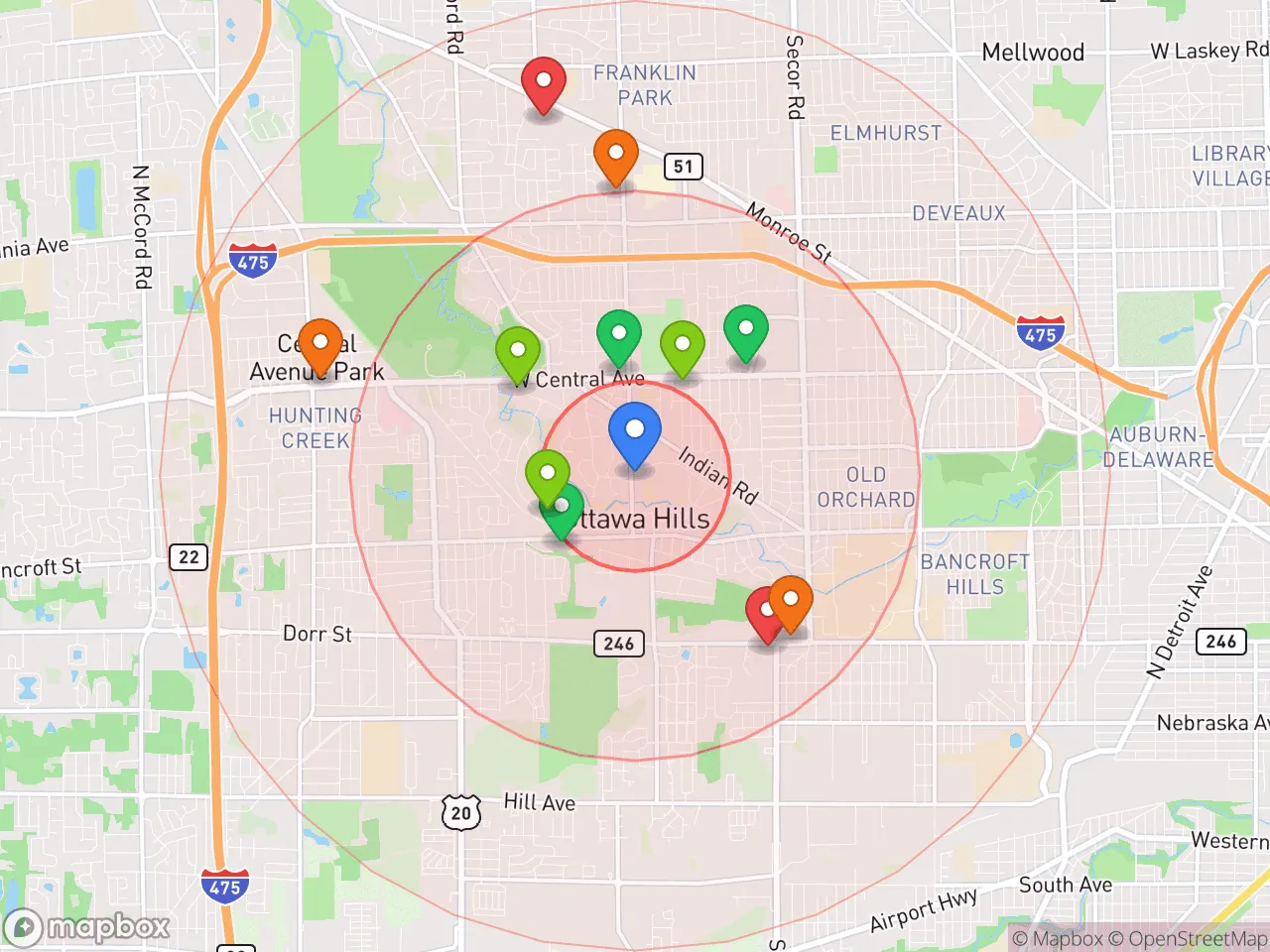
Explore the areaGroceries
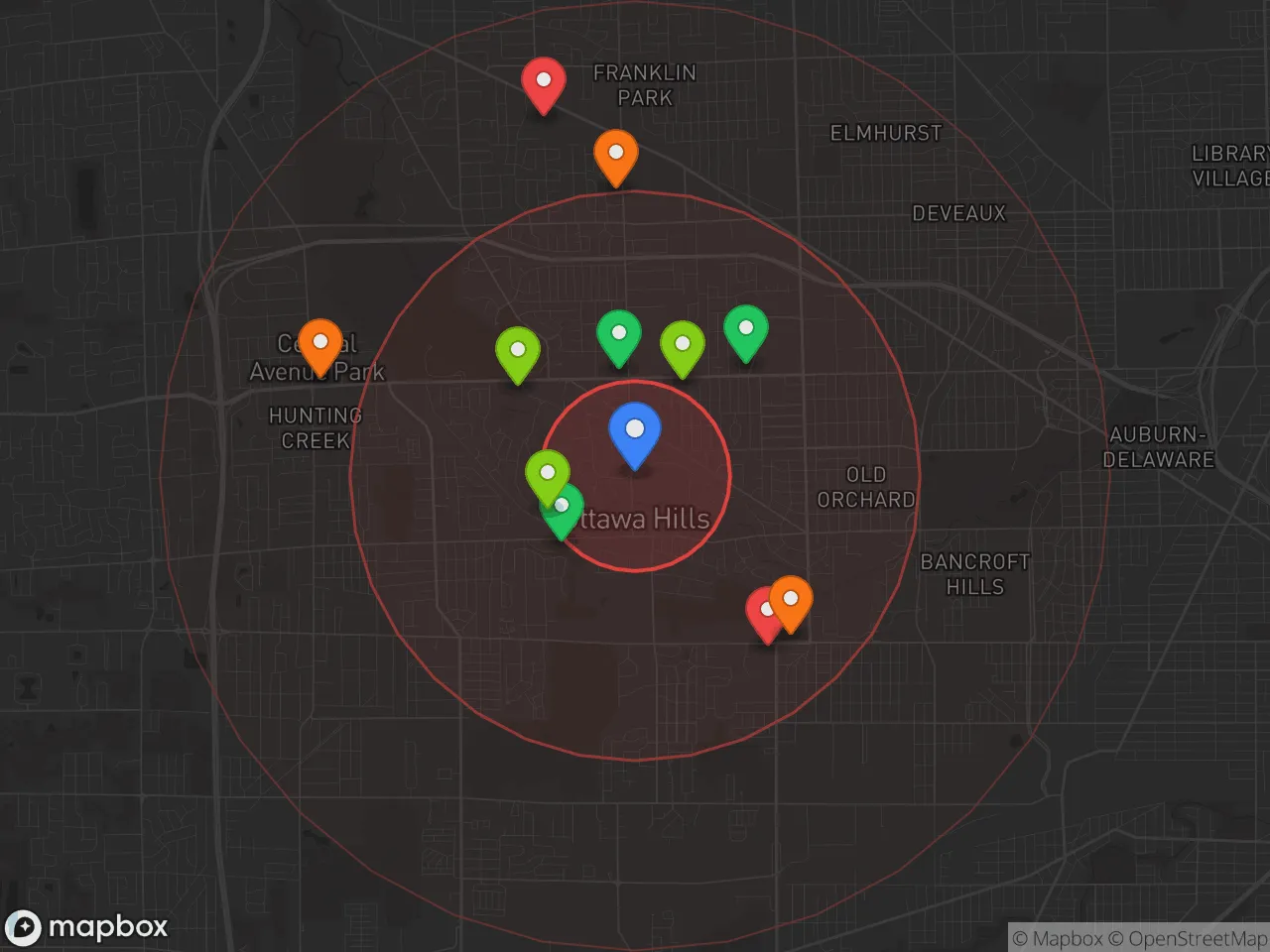
7 within 10 miles
Gas
20 within 10 miles
Hospital
18 within 20 miles
Airport
DTW — Detroit Metropolitan Wayne County
Post Office
USPS — Ottawa Hills, OH
Critical Amenities
Quality-of-Life Analysis
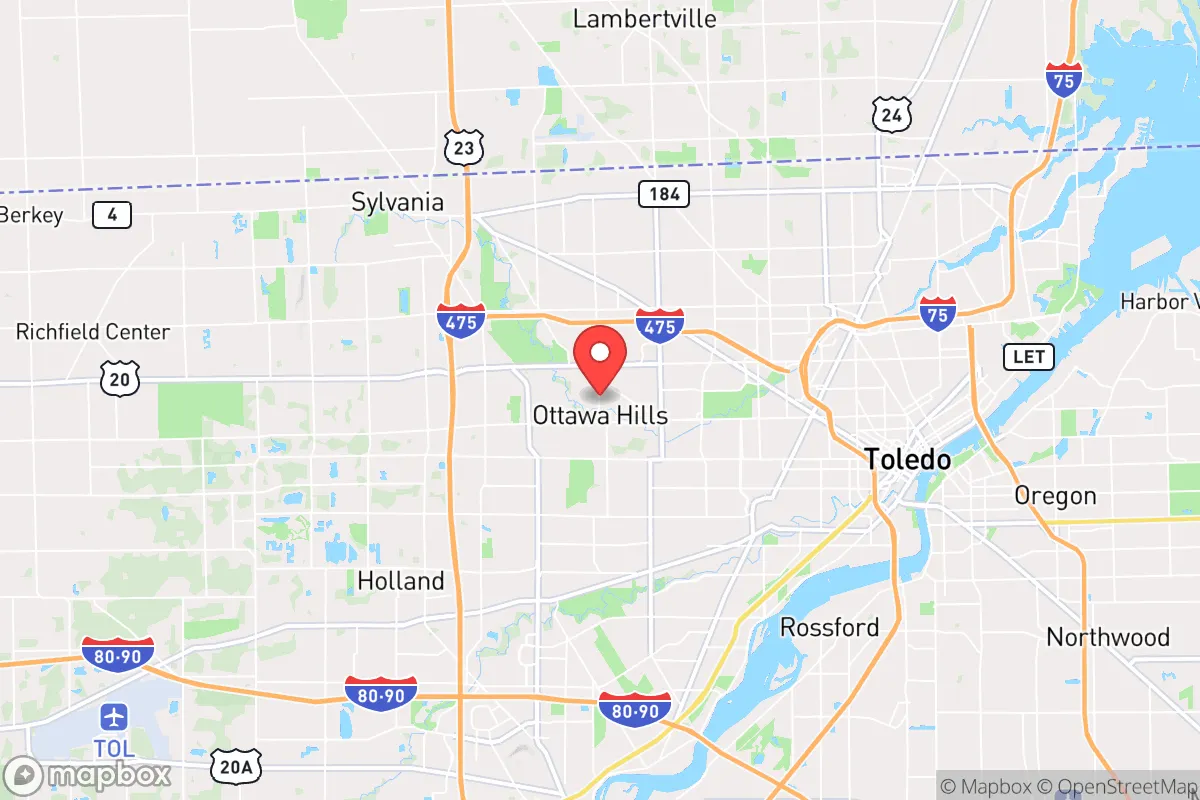
Ottawa Hills, Ohio, is a small, affluent village in Lucas County that consistently ranks among the most desirable suburbs in the Toledo metro area. With a cost of living index of 139 (39% above the U.S. average), the village attracts professionals, executives, and families who prioritize top-tier schools, low crime, and a quiet, well-maintained environment over urban convenience or lower housing costs. The population of roughly 4,500 residents is notably homogeneous in terms of income and education, creating a community where property values and public services are closely tied to local tax revenues.
Cost of living, housing, and affordability compared to Toledo and Perrysburg
Ottawa Hills is significantly more expensive than most of northwest Ohio. The median home value of $306,300 is roughly double the Lucas County median and about 70% higher than the Toledo city median. Rents reflect this premium, with a median of $1,859 per month—well above the regional average of roughly $1,100. For context, nearby Perrysburg (a similarly affluent suburb) has a median home value around $280,000, while Sylvania Township sits closer to $240,000. The village's high property tax rates (among the highest in Ohio per $100 of assessed value) further elevate the true cost of ownership. However, the trade-off is direct: Ottawa Hills operates its own school district, police department, and road maintenance, all funded by these taxes, which keeps services responsive and infrastructure in excellent condition. The average commute of 19 minutes is short by national standards, with most residents working in Toledo's healthcare, education, or manufacturing sectors—ProMedica, the University of Toledo, and Dana Incorporated are major employers within a 15-minute drive.
What daily life is like for families: schools, parks, and local amenities
Daily life in Ottawa Hills revolves around the village's highly rated public school system, Ottawa Hills Local Schools, which serves roughly 1,100 students from pre-K through 12th grade. The district consistently earns an A+ rating from Niche and ranks among Ohio's top 10% for academic performance, with a student-teacher ratio of 14:1. The village itself is compact—just 1.8 square miles—and walkable, with tree-lined streets, no through traffic, and a network of sidewalks connecting most homes to the school campus and the small commercial strip along Central Avenue. Amenities include the Ottawa Hills Memorial Park (a 10-acre green space with playgrounds and sports fields), the privately owned Ottawa Hills Swim Club, and the Ottawa Hills Village Hall, which hosts community events like the annual Fourth of July parade. There are no major shopping centers or nightlife venues within the village; residents drive 5–10 minutes to West Toledo or the Franklin Park Mall area for groceries, dining, and retail. The rhythm is quiet and family-oriented, with strong neighborhood associations and a village council that enforces strict zoning and property maintenance codes.
Ottawa Hills is best suited for families and professionals who value exceptional public schools, low crime, and a tight-knit community atmosphere above all else. Empty-nesters and retirees also find the village appealing due to its proximity to Toledo's hospitals and cultural institutions, such as the Toledo Museum of Art and the Toledo Zoo, both within a 10-minute drive. Those seeking urban amenities, diverse housing stock, or lower taxes will likely prefer nearby Perrysburg or Sylvania. For buyers willing to pay a premium for a self-contained, high-service village with a proven school system, Ottawa Hills remains one of the most stable and desirable residential enclaves in northwest Ohio.

Crime in Ottawa Hills, OH
Lower crime rates than 94% of comparable U.S. locations.
Violent CrimeViolent Crime Analysis
Property CrimeProperty Crime Analysis
Crime Analysis
Ottawa Hills, Ohio, is one of the safest communities in the Toledo metropolitan area, with a violent crime rate of 0 per 100,000 residents — a figure that places it among the most secure small villages in the state. Property crime, reported at 562.5 per 100,000, is notably lower than the national median for suburban communities. These statistics reflect a village that has maintained exceptional public safety outcomes, though residents should remain aware of broader regional crime trends that can affect surrounding jurisdictions.
Crime in context
Ottawa Hills’ violent crime rate of zero is a statistical outlier even for affluent suburbs, as most comparably sized communities in Ohio report at least some incidents of assault or robbery. The property crime rate of 562.5 per 100,000 is roughly 60% lower than the national average of approximately 1,400 per 100,000. This places Ottawa Hills in the safest decile of Ohio municipalities for both categories. However, the village sits within Lucas County, which includes Toledo — a city where progressive judicial policies and district attorney practices have been criticized for contributing to higher recidivism and property crime rates. Residents benefit from Ottawa Hills’ own police department and strong neighborhood watch culture, which act as buffers against spillover crime from the larger metro area.
What residents experience
Daily life in Ottawa Hills is characterized by a near-total absence of violent threats. The most common property crimes are theft from vehicles and occasional burglary, typically opportunistic rather than organized. The village’s tree-lined streets, low traffic density, and active civic engagement create an environment where residents feel comfortable walking at night and leaving doors unlocked during the day. That said, the broader Lucas County justice system — which includes judges and a district attorney’s office often aligned with progressive sentencing reforms — has drawn concern from safety-conscious residents. Critics argue that lenient plea deals and reduced incarceration for repeat property offenders in the county system can lead to criminals cycling through Ottawa Hills’ borders. The village’s own police force maintains a proactive presence, but the county’s approach to prosecution remains a point of vigilance for long-term homeowners.
Neighborhood-level variation within Ottawa Hills is minimal. The village is compact and uniformly affluent, with no statistically significant differences in crime rates between its eastern and western sections. The primary safety distinction is proximity to the village’s borders: homes along the boundary with Toledo’s Secor Road corridor see slightly higher rates of vehicle break-ins than interior streets. For families and retirees seeking the lowest possible crime exposure, properties on interior cul-de-sacs offer the greatest insulation from regional crime trends. Overall, Ottawa Hills provides a safety profile that is exceptional by any standard, though its location within a metro area with progressive criminal justice policies means residents should remain engaged with county-level elections and public safety funding decisions.
* Values derived from national, state, county, city and local statistics and may differ in a specific area. Last updated: 2026-04-27T17:50:30.000Z
Narrative content on this page is AI-generated and may contain mistakes. Verify any details that matter before acting on them.
ReloMaps may earn a commission from affiliate links at no extra cost to you.

