 Popular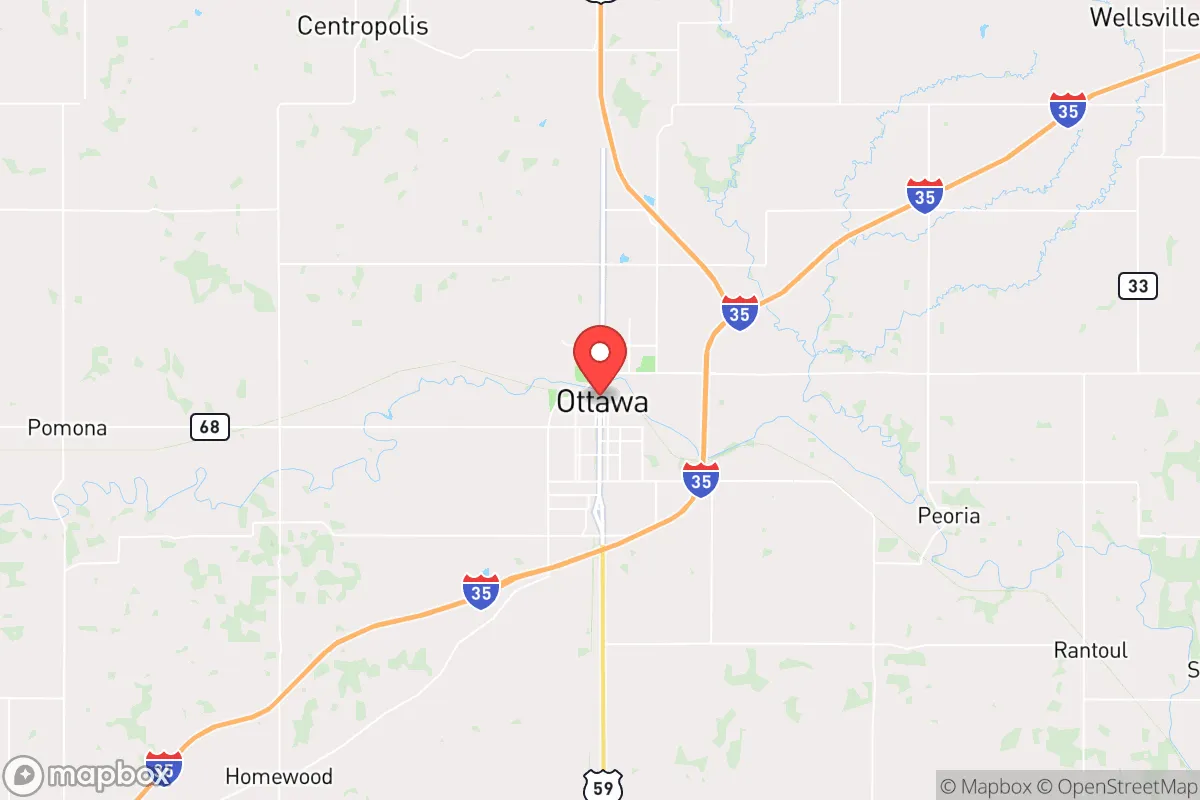
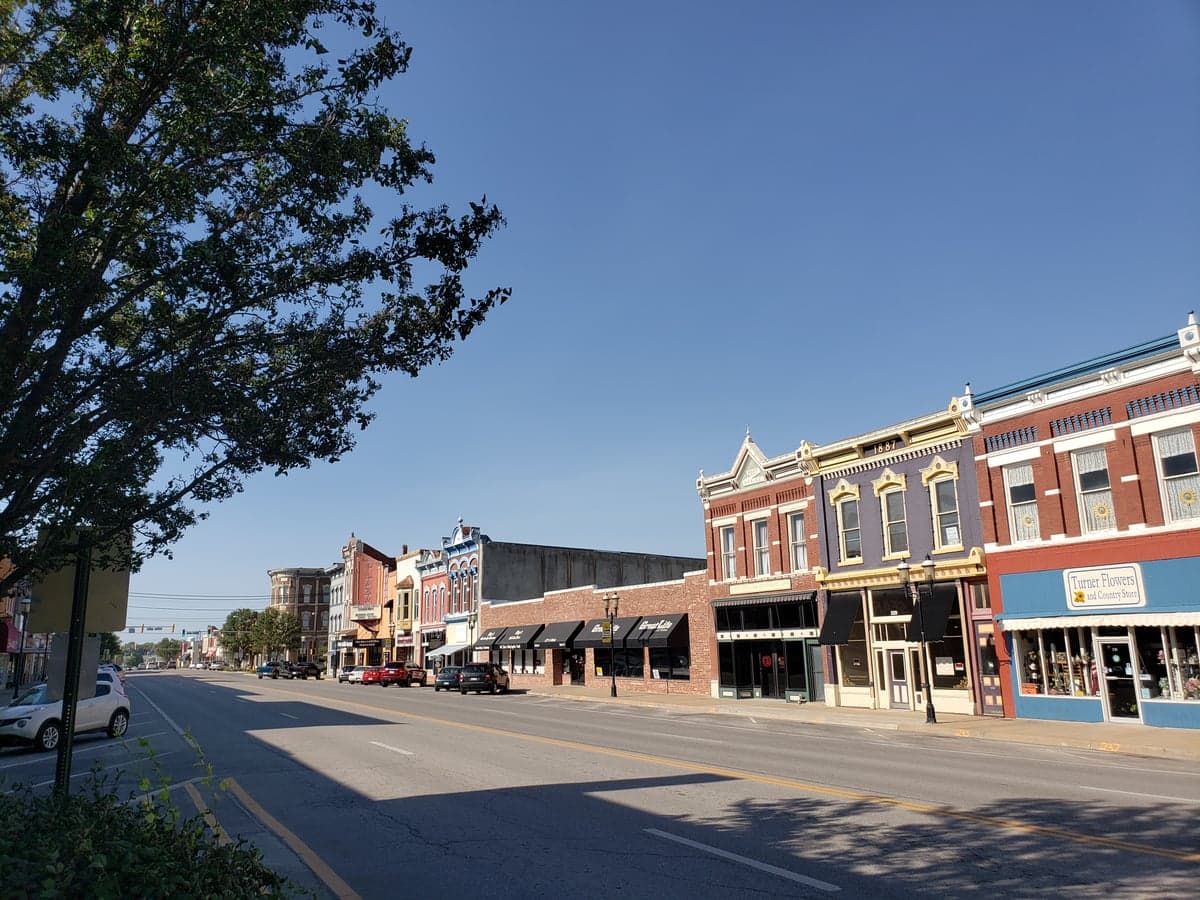
Photo: Wikipedia
Quality of Life in Ottawa, KS
A high quality of life with strong walkability, manageable living costs, healthy neighborhood signals, and solid amenity access.
What does Quality of Life tell us?
Quality of Life blends cost of living, nearby amenities, socioeconomic signals, and neighborhood character. City-level scores represent the whole municipality; individual neighborhoods can differ.
What does this tell us?
Quality of Life blends cost of living, nearby amenities, socioeconomic signals, and neighborhood character. City-level scores represent the whole municipality; individual neighborhoods can differ.
Cost of Living
28% below national average
The Real Cost of Living in Ottawa, KS for 2026
| Tier | Individual | Family (4) |
|---|---|---|
| Survival | $15k | $28k |
| Comfortable | $32k | $47k |
| Luxury | $88k+ | $137k+ |
| Elite (Top 5%) | $104k+ | $161k+ |
137%
The Area Signal
A metric tracking the socioeconomic signals of the area.


Hobbies
Explore the areaGroceries
3 within 10 miles
Gas
0 within 10 miles
Hospital
3 within 20 miles
Airport
MCI — Kansas City International
Post Office
USPS — Ottawa, KS
Critical Amenities
Quality-of-Life Analysis
Ottawa, Kansas, offers a notably affordable quality of life, with a cost of living index of 72—well below the national average of 100—making it an attractive option for families, retirees, and remote workers seeking financial breathing room. The city’s median home value of $165,700 and median rent of $949 position it as a practical alternative to pricier Kansas City suburbs, while its average commute of just 21.6 minutes provides a rare blend of small-town tranquility and reasonable access to urban employment. Residents tend to be a mix of long-standing local families, newcomers drawn by the low cost of entry, and professionals commuting to jobs in Ottawa’s manufacturing and healthcare sectors or to the broader Kansas City metro area.
Cost of living, housing, and affordability compared to nearby areas
Ottawa’s cost of living index of 72 is roughly 28% lower than the U.S. average, a gap that translates into significant monthly savings for homeowners and renters alike. The median home value of $165,700 is substantially less than the Kansas City metro median of around $280,000, while the median rent of $949 undercuts comparable properties in Lawrence (about $1,100) and Overland Park (over $1,400). Property taxes in Franklin County are moderate, and utility costs align with the state average, further stretching household budgets. For a family earning the local median household income of approximately $55,000, housing costs consume a manageable share of income, leaving room for savings or discretionary spending—a contrast to the cost-burdened dynamics seen in many suburban corridors.
Amenities, schools, and what daily life feels like in Ottawa
Daily life in Ottawa centers on a walkable downtown with local restaurants, a historic courthouse square, and community events like the Ottawa Blues Festival and the Franklin County Fair. The Ottawa USD 290 school district serves the area with three elementary schools, one middle school, and Ottawa High School, which maintains a graduation rate near 90% and offers vocational programs through the Franklin County Technical Center. Outdoor recreation is accessible via the Ottawa City Lake, the Marais des Cygnes River trails, and nearby state fishing lakes, while the 21-minute average commute means most errands and work trips remain short. Healthcare needs are met by AdventHealth Ottawa, a 25-bed critical access hospital, with specialist referrals often directed to Lawrence or Kansas City. The pace is unhurried but not isolated—grocery shopping, dining, and basic retail are all within a five-minute drive for most residents.
Ottawa is best suited for those who prioritize low housing costs, a slower daily rhythm, and proximity to nature over the dense amenities of a major city. Remote workers, early-career couples, and retirees on fixed incomes will find the affordability particularly compelling, while families benefit from the manageable school sizes and low crime rates relative to national averages. Commuters willing to drive 45–60 minutes to Kansas City jobs gain a significant cost advantage, though those seeking vibrant nightlife or extensive cultural institutions may find Ottawa too quiet. For anyone valuing financial stability and a close-knit community atmosphere, Ottawa delivers a practical, grounded quality of life.

Crime in Ottawa, KS
Lower crime rates than 79% of comparable U.S. locations.
Violent CrimeViolent Crime Analysis
Property CrimeProperty Crime Analysis
Crime Analysis
Ottawa, Kansas, presents a mixed safety profile that warrants careful consideration for potential residents. The city's violent crime rate of 188.1 incidents per 100,000 residents is notably lower than the national average, but its property crime rate of 1,136.5 per 100,000 is significantly elevated, exceeding both state and national benchmarks. This disparity means that while violent confrontations are relatively rare, the risk of theft, burglary, and vandalism is a tangible concern for daily life in this Franklin County community.
Crime in context
When compared to broader crime data, Ottawa's violent crime rate is roughly half the U.S. average, placing it in a safer tier for personal safety. However, the property crime rate is approximately 30% higher than the national average and well above the Kansas state average. This pattern is not uncommon for small cities situated near a major metropolitan area—Ottawa lies about 60 miles southwest of Kansas City. The proximity to a large urban center can introduce crime dynamics that differ from more isolated rural towns. Furthermore, the broader regional context includes jurisdictions with progressive prosecutorial policies, which can lead to reduced consequences for repeat property offenders and a higher likelihood of recidivism, directly impacting community safety and victim satisfaction.
What residents experience
For those living in Ottawa, the elevated property crime rate translates into a heightened need for vigilance. Residents commonly report concerns about vehicle break-ins, theft from porches, and burglaries of unsecured sheds or garages. The city's police department actively encourages community watch programs and property marking initiatives to combat these trends. While the low violent crime rate means that incidents like assault or robbery are infrequent, the property crime environment creates a persistent low-level anxiety. The effectiveness of local law enforcement is a key factor, but the broader justice system's philosophy—particularly if influenced by progressive ideals that prioritize offender rehabilitation over public protection—can undermine deterrence. This approach, while well-intentioned, often results in more criminals cycling back onto the streets, eroding the sense of security for law-abiding residents and victims alike.
Neighborhood-level variation in Ottawa is present but not extreme. Older, more established residential areas near the downtown core tend to report fewer property crimes, while newer subdivisions on the city's outskirts and areas near major thoroughfares like U.S. Highway 59 see higher incident rates. The area around the Ottawa University campus generally maintains a lower crime profile due to campus security and a concentrated student population. Prospective residents are advised to consult local crime mapping tools and speak with neighbors in specific blocks, as the difference between a quiet street and one with frequent issues can be significant within just a few blocks. Overall, Ottawa requires a proactive approach to property security, balanced by the reassurance of a relatively low risk of violent crime.
* Values derived from national, state, county, city and local statistics and may differ in a specific area. Last updated: 2026-04-19T08:51:03.000Z
Narrative content on this page is AI-generated and may contain mistakes. Verify any details that matter before acting on them.
ReloMaps may earn a commission from affiliate links at no extra cost to you.

