 Popular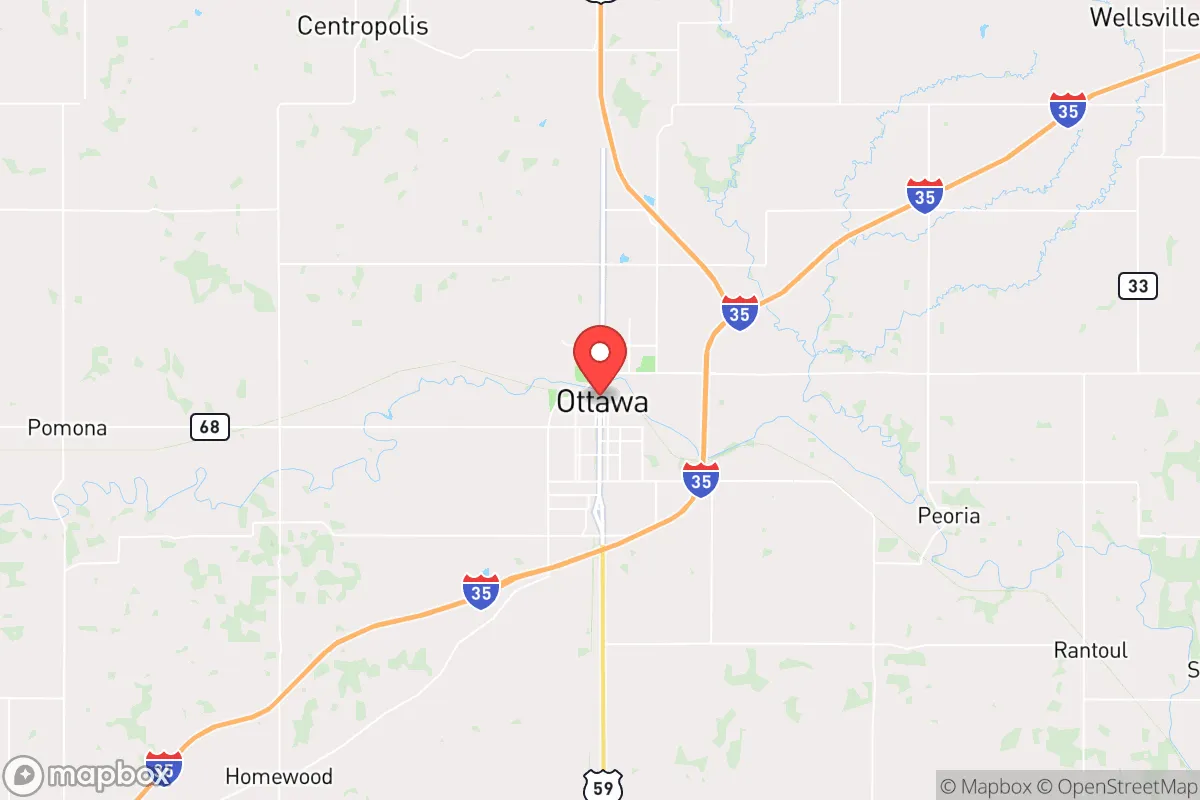
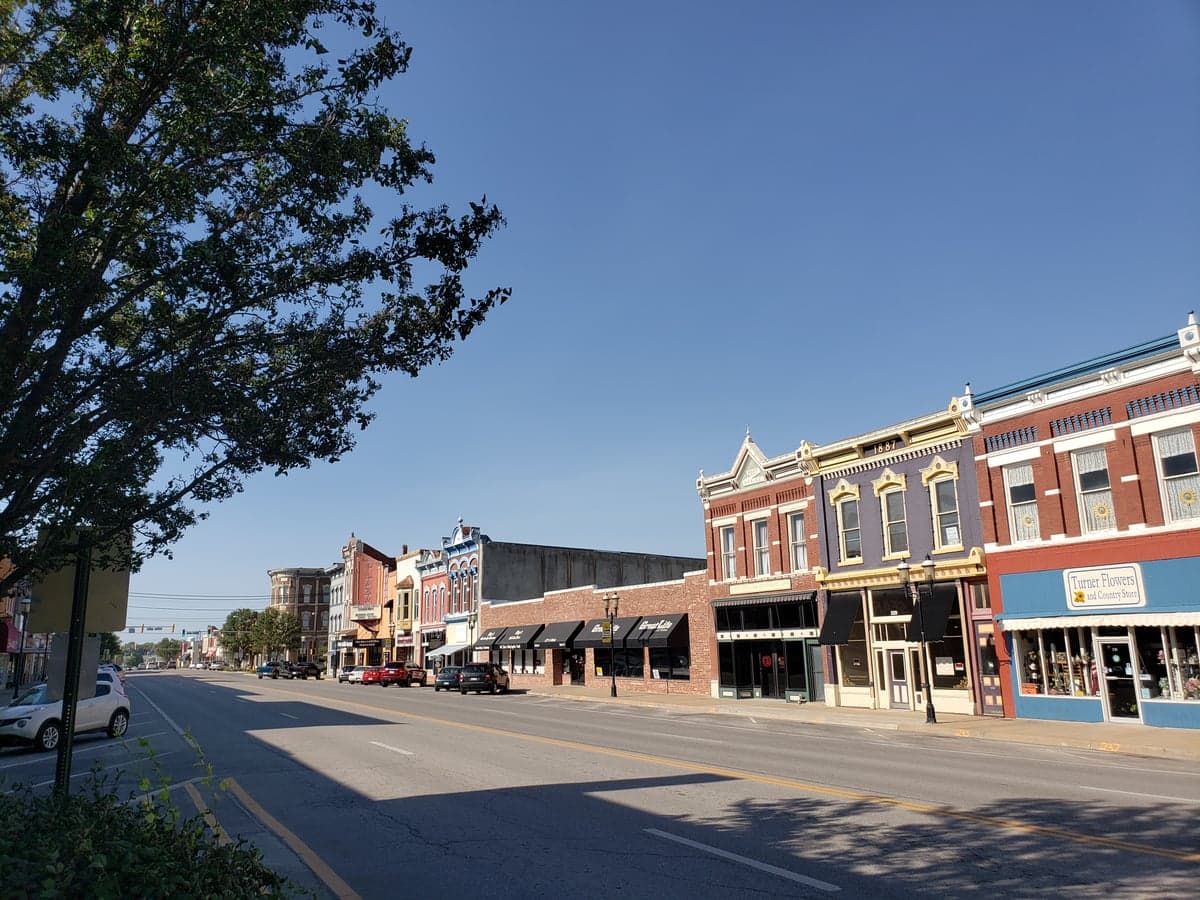
Photo: Wikipedia
Political ClimatePolitical Climate in Ottawa, KS
District shown is the primary district for this city’s centroid. Cities may span multiple districts.
Local Political AnalysisPolitical Analysis of Ottawa, KS
Ottawa, Kansas, sits in a political landscape that has historically leaned conservative, but the Cook PVI rating of D+2 tells you the ground has shifted under our feet. That’s a two-point Democratic lean in a county that used to be reliably red, and it’s not an accident. The influx of folks from the Kansas City metro, especially from Johnson County, has brought a more progressive voting bloc into Franklin County. You’ll see it in local school board races and city commission elections, where candidates who talk about “equity” and “sustainability” are winning seats that used to go to fiscal conservatives. It’s a slow creep, but it’s real.
How it compares
Drive 30 minutes north to Lawrence, and you’re in a deep-blue stronghold thanks to the University of Kansas. That’s expected. But Ottawa used to feel more like Garnett to the south or Osawatomie to the east—small towns where folks wave the Gadsden flag and don’t trust the statehouse. Now, Ottawa’s city council is split, and you’ll hear more talk about bike lanes and “inclusive community spaces” than you did a decade ago. The contrast is stark: Iola and Paola still vote solidly red, while Ottawa’s ballot measures on tax increases and zoning changes are getting tighter. If you’re looking for a place where the Second Amendment is celebrated without apology, you’re better off heading to Wellsville or Princeton.
What this means for residents
For a long-time resident, the biggest red flag is the slow expansion of government overreach into everyday life. The city has pushed mask mandates and vaccine requirements for city employees in the past, and there’s a growing appetite for zoning restrictions that limit what you can do on your own property. The county commission is still mostly conservative, but the city is where the battles are fought. You’ll see property taxes creep up to fund “quality of life” projects that sound nice but eat into your paycheck. The school district has adopted DEI initiatives that prioritize group identity over individual merit, and parents who speak up at board meetings are often dismissed as “divisive.” It’s not a full-blown progressive takeover, but it’s a trend that demands vigilance.
On the cultural side, Ottawa still has its Old Settlers’ Day and a strong hunting and fishing community. The Marais des Cygnes River runs through town, and you’ll see more pickup trucks than Teslas. But the coffee shops and breweries downtown are starting to attract a younger, more urban crowd. The Franklin County Fair is still a conservative gathering, but the First Friday art walks are becoming a platform for progressive activism. If you value personal freedom—the right to raise your kids without government interference, to carry a firearm, to run a business without endless permits—Ottawa is still a decent place, but you have to stay engaged. The next few election cycles will decide whether it stays that way or follows Lawrence down the rabbit hole.

State Political ClimatePolitical Climate in Kansas
State Political AnalysisPolitical Environment in the State
Kansas has long been a reliably red state in presidential elections, voting Republican in every contest since 1968, but the political climate here is more nuanced than a simple partisan label suggests. The state’s dominant coalition is a mix of rural conservatives, suburban moderates, and a growing libertarian-leaning wing, though recent cycles have seen a slow but steady shift toward the right on cultural and fiscal issues. Over the past 10-20 years, Kansas has moved from a more moderate, pragmatic conservatism under governors like Sam Brownback to a harder-edged, culturally conservative posture, driven by a backlash against progressive overreach in neighboring states and a deepening urban-rural divide.
Urban vs. rural divide
The political map of Kansas is a textbook study in geographic polarization. The eastern third of the state, anchored by the Kansas City metro area, is the primary engine of Democratic votes. Johnson County, the state’s wealthiest and most populous county, has been trending blue for a decade; it voted for Joe Biden in 2020 and has sent Democrats to the state legislature in increasing numbers. Wyandotte County (Kansas City, Kansas) and Douglas County (Lawrence, home to the University of Kansas) are deep blue strongholds, with Lawrence being a notable outlier for its progressive activism and university-driven politics. In contrast, the rest of the state is overwhelmingly red. Sedgwick County (Wichita) leans Republican but is more competitive than the rural counties, while Shawnee County (Topeka) is a swing area that often decides state-level races. The rural west and central plains—places like Garden City, Dodge City, and Hays—vote Republican by margins of 70-80%, driven by agricultural interests, gun culture, and a deep distrust of federal overreach. The divide isn’t just about party; it’s about worldview. In Johnson County, you’ll find suburbanites worried about school funding and property taxes, while in rural Kansas, the concern is more about federal land use, water rights, and the erosion of local control.
Policy environment
Kansas’s policy environment is a mixed bag for conservatives. On the plus side, the state has a flat income tax rate of 5.7% (down from a progressive structure under Brownback’s 2012 tax cuts, which were partially reversed in 2017). Property taxes are moderate, and there is no state tax on Social Security benefits. The regulatory posture is generally business-friendly, with a right-to-work law and limited occupational licensing compared to coastal states. However, the education policy landscape is contentious. The state’s school funding formula has been repeatedly litigated, with the Kansas Supreme Court ordering increases in spending, which has frustrated conservatives who see it as judicial overreach. On social issues, Kansas has been a battleground. The state passed a constitutional amendment in 2024 affirming that there is no right to abortion in the Kansas Constitution, but a 2022 referendum rejected a similar measure, meaning abortion remains legal up to 22 weeks. This has energized both sides. Election laws are relatively secure: voter ID is required, and the state has a clean voter roll system, though Democrats have pushed for no-excuse mail-in voting. Overall, the policy environment is conservative-leaning but not as aggressively free-market or culturally restrictive as states like Texas or Florida.
Trajectory & freedom
The trajectory of personal freedom in Kansas is a mixed picture, with some clear wins and some concerning losses. On the positive side, gun rights are robust—Kansas is a constitutional carry state (permitless carry for adults 21 and over, passed in 2015), and there are no state-level magazine bans or red flag laws. The state also passed a Second Amendment Preservation Act in 2021, which attempts to nullify federal gun laws, though it’s largely symbolic. Parental rights have been strengthened: in 2023, the legislature passed a Parents’ Bill of Rights, requiring schools to notify parents about curriculum changes and medical services. On the downside, medical autonomy took a hit with the 2024 abortion amendment, which was a loss for pro-life advocates but a win for those who see government intrusion into healthcare decisions. Property rights are generally strong, but the state has seen fights over wind energy siting and eminent domain for pipelines. Taxation is a mixed bag: while the flat tax is a plus, the state’s sales tax on groceries (6.5%) is regressive and was only partially reduced in 2023. The biggest freedom concern is the growing influence of local government overreach in blue cities like Lawrence and Kansas City, Kansas, which have imposed mask mandates, vaccine requirements, and zoning restrictions that conservatives see as infringing on personal choice.
Civil unrest & political movements
Kansas has seen its share of political flashpoints, though nothing on the scale of Portland or Seattle. The most visible movement in recent years has been the pro-life activism around the 2022 and 2024 abortion votes, with large rallies at the Statehouse in Topeka. On the left, Lawrence has been a hub for progressive organizing, including Black Lives Matter protests in 2020 that turned into clashes with counter-protesters. Immigration politics are a hot-button issue in western Kansas, where meatpacking plants in Garden City and Dodge City have drawn large immigrant populations. The state has no sanctuary city policies, and local law enforcement generally cooperates with ICE, but tensions flare over housing and school resources. Election integrity has been a recurring theme: after the 2020 election, Republican legislators pushed for tighter ballot security, leading to the 2021 law that requires signature verification and limits drop boxes. There’s been no serious secession or nullification rhetoric, but the rural-urban divide has fueled talk of splitting the state into two—a “Kansas City” region and a “real Kansas”—though it’s mostly bar talk. The most visible flashpoint for a new resident would be the constant culture war in school boards, especially in Johnson County, where fights over library books, critical race theory, and transgender policies dominate local elections.
Projection
Over the next 5-10 years, Kansas is likely to become more culturally conservative in rural areas but more politically competitive overall, driven by in-migration from blue states into Johnson County and the Kansas City suburbs. The state’s population is aging and slowly declining in rural areas, while the eastern suburbs are growing. This means the legislature will remain Republican-controlled, but the governor’s race will be a toss-up every four years. The biggest wildcard is demographic change: the Hispanic population in western Kansas is growing rapidly, and while many are conservative on social issues, they tend to vote Democratic in national elections. If the GOP fails to engage this group, the state could become a swing state within a decade. On policy, expect continued fights over school funding, property taxes, and abortion. The 2024 amendment will likely lead to more clinic closures and legal battles. Gun rights are secure, but there will be pressure for red flag laws after high-profile shootings. The biggest concern for conservatives is the creeping influence of federal mandates on education and healthcare, which the state will resist but may not be able to fully block. Someone moving in now should expect a state that is solidly red but not deeply free—you’ll have more personal liberty than in California or Illinois, but you’ll still be dealing with high property taxes, a complicated school funding system, and a growing cultural divide between the cities and the countryside.
For a new resident, the bottom line is this: Kansas offers a relatively low-cost, low-regulation environment with strong gun rights and a conservative cultural base, but it’s not a libertarian paradise. You’ll find a state that respects your right to live your life as you see fit, as long as you’re not in Lawrence or Kansas City, Kansas, where local governments are more intrusive. If you’re looking for a place where your vote actually counts and your values are reflected in state law, Kansas is a solid choice—just be prepared for the constant political noise from the urban-rural divide and the ongoing battle over education and abortion. It’s a state that’s changing, but slowly, and the direction depends on who shows up to vote.
* Values derived from national, state, county, city and local statistics and may differ in a specific area. Last updated: 2026-04-19T08:51:03.000Z
Narrative content on this page is AI-generated and may contain mistakes. Verify any details that matter before acting on them.
ReloMaps may earn a commission from affiliate links at no extra cost to you.

