
Photo by Mary Hammel on Unsplash
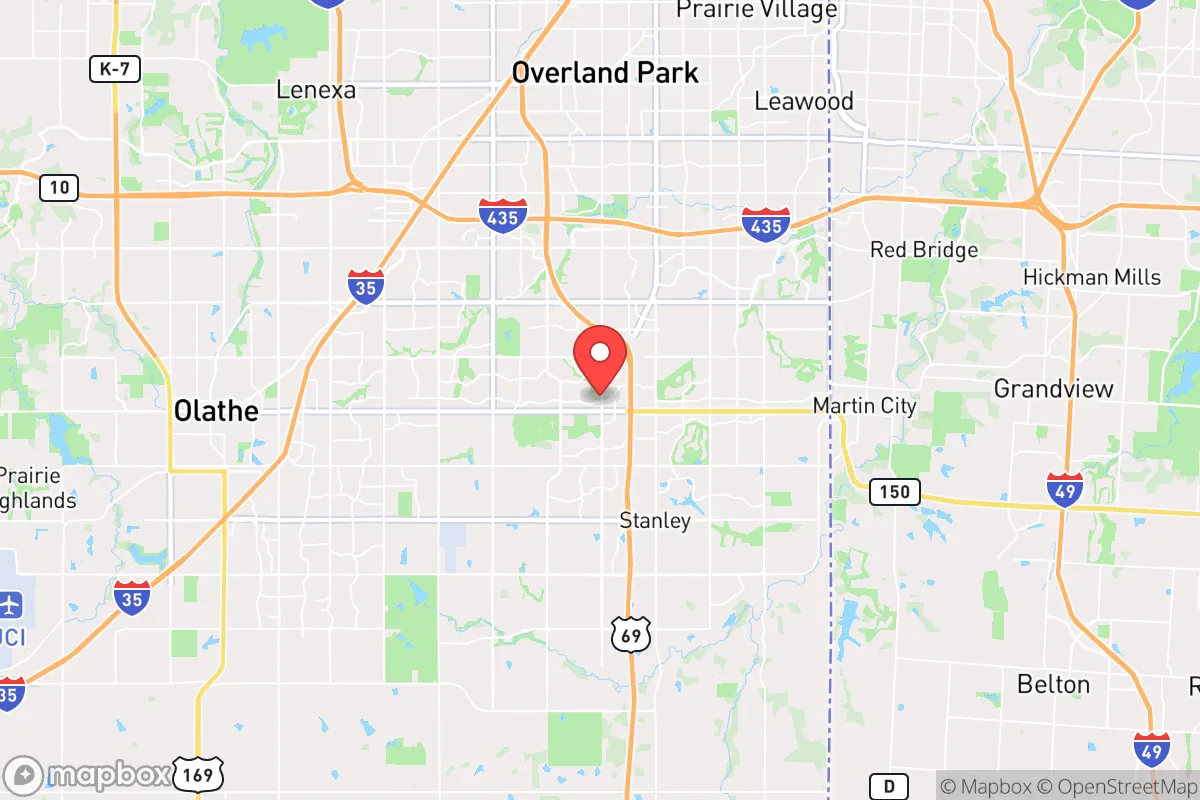
Quality of Life in Overland Park, KS
A high quality of life with strong walkability, manageable living costs, healthy neighborhood signals, and solid amenity access.
What does Quality of Life tell us?
Quality of Life blends cost of living, nearby amenities, socioeconomic signals, and neighborhood character. City-level scores represent the whole municipality; individual neighborhoods can differ.
What does this tell us?
Quality of Life blends cost of living, nearby amenities, socioeconomic signals, and neighborhood character. City-level scores represent the whole municipality; individual neighborhoods can differ.
Cost of Living
30% above national average
The Real Cost of Living in Overland Park, KS for 2026
| Tier | Individual | Family (4) |
|---|---|---|
| Survival | $23k | $44k |
| Comfortable | $75k | $110k |
| Luxury | $185k+ | $287k+ |
| Elite (Top 5%) | $218k+ | $338k+ |
95%
The Area Signal
A metric tracking the socioeconomic signals of the area.

Hobbies
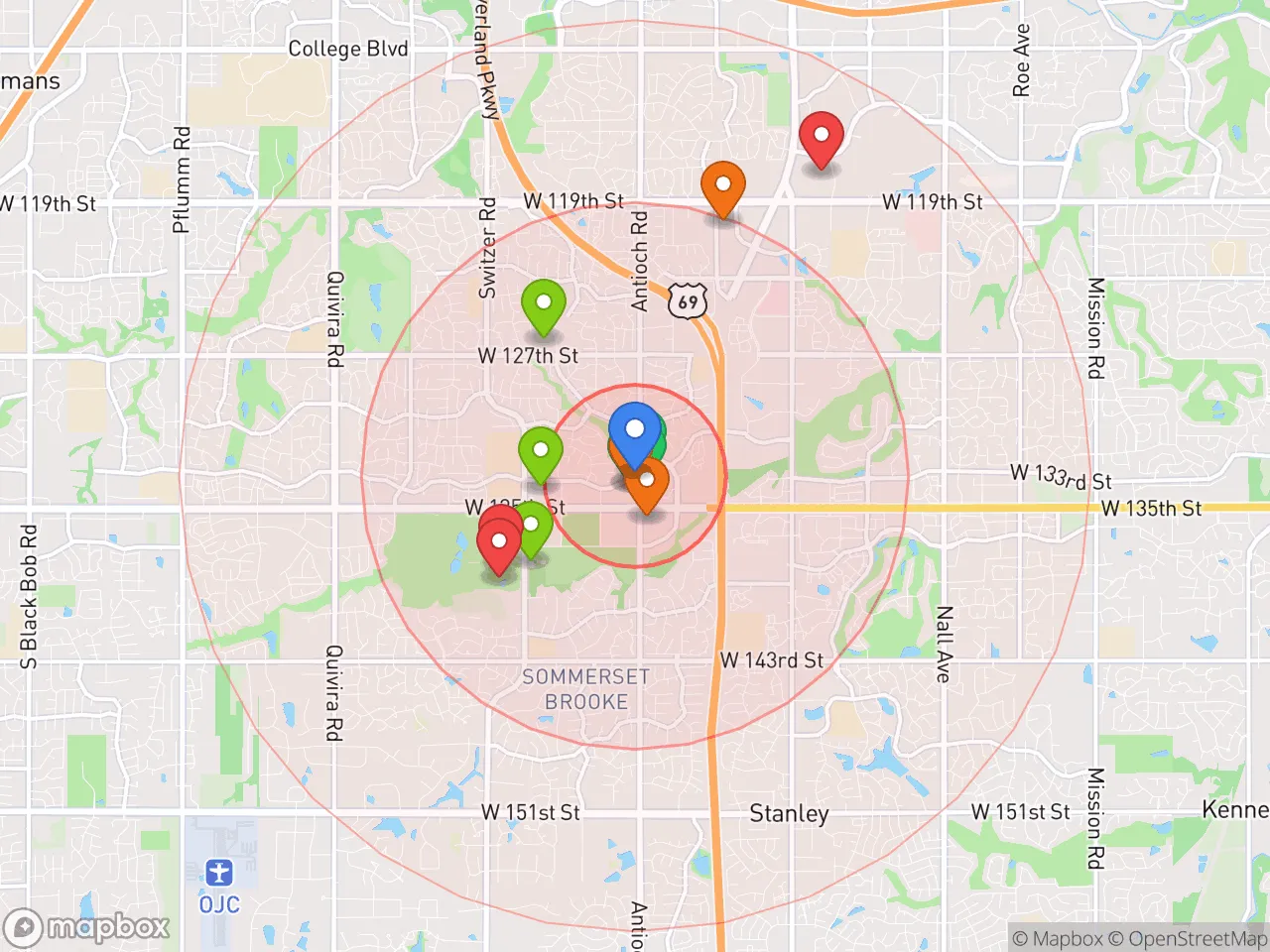
Explore the areaGroceries
8 within 10 miles
Gas
20 within 10 miles
Hospital
20 within 20 miles
Airport
MCI — Kansas City International
Post Office
USPS — Overland Park, KS
Critical Amenities
Quality-of-Life Analysis
Overland Park, Kansas, is one of the most affluent suburbs in the Kansas City metropolitan area, drawing a population of highly educated professionals, families, and retirees who prioritize top-tier schools, low crime, and a stable, amenity-rich environment. With a cost of living index of 130 (30% above the U.S. average), the city commands a premium for its quality of life, yet it remains a more affordable alternative to comparable suburbs in coastal markets or even nearby Johnson County rivals like Leawood. The typical resident is a married homeowner with a college degree, working in healthcare, finance, or technology, and commuting a short distance to offices in Overland Park, Lenexa, or downtown Kansas City, Missouri.
Cost of living, housing affordability, and value compared to nearby cities
Overland Park’s cost of living is driven primarily by housing, with a median home value of $384,400 and a median rent of $1,455. While these figures are well above national medians, they are roughly 10-15% lower than in neighboring Leawood, where median home values exceed $500,000, and comparable to Olathe, which offers slightly lower prices but fewer high-end amenities. The average commute of just under 20 minutes is a significant quality-of-life advantage, as it undercuts the national average of 26 minutes and allows residents to spend more time at home or in the community. Property taxes in Johnson County are moderate for Kansas (around 1.2% of assessed value), and there is no city sales tax on groceries, which helps offset the higher housing costs for families. For renters, the $1,455 median rent is competitive with Overland Park’s peer suburbs, though it has risen about 8% since 2020, reflecting strong demand for apartments near the 435 and 69 highway corridors.
Schools, parks, and the daily rhythm of suburban life
The daily rhythm in Overland Park revolves around its nationally recognized Blue Valley and Shawnee Mission school districts, which consistently rank among the top in Kansas for test scores and college readiness. The city maintains over 80 parks and 135 miles of trails, including the 300-acre Overland Park Arboretum and Botanical Gardens, which serve as a hub for weekend recreation and community events. Retail and dining are anchored by the Town Center Plaza and Oak Park Mall, offering a mix of national chains and local eateries, while the downtown Overland Park Farmers’ Market operates seasonally as a social gathering point. Commuters benefit from the Johnson County Transit bus system and easy access to Interstate 435, but the vast majority drive, with parking rarely an issue. The area’s low violent crime rate (roughly 1.5 per 1,000 residents) and well-lit, walkable neighborhoods in areas like the Downtown Overland Park historic district reinforce a sense of safety that is a primary draw for families moving from higher-crime urban cores.
Overland Park is best suited for professionals and families who value exceptional public schools, short commutes, and a predictable, low-stress suburban lifestyle, and who are willing to pay a premium for these benefits. Retirees also thrive here, drawn to the medical infrastructure of the nearby University of Kansas Health System and the abundance of age-restricted housing communities. Those seeking a vibrant nightlife or dense urban walkability may find Overland Park too quiet, as its social scene is largely family- and outdoor-oriented. For anyone prioritizing safety, education, and convenience within a 20-minute drive of a major metro, Overland Park delivers a quality of life that justifies its above-average cost.

Crime in Overland Park, KS
Lower crime rates than 76% of comparable U.S. locations.
Violent CrimeViolent Crime Analysis
Property CrimeProperty Crime Analysis
Crime Analysis
Overland Park, Kansas, consistently ranks among the safest large cities in the United States, with violent crime rates significantly below both state and national averages. The city reported a violent crime rate of 158.2 incidents per 100,000 residents and a property crime rate of 1,458.6 per 100,000 in the most recent data. While no community is crime-free, these figures place Overland Park in a strong position relative to comparable suburban jurisdictions in the Kansas City metropolitan area.
Crime in context
Overland Park's violent crime rate is roughly 60% lower than the national average and well below the Kansas state average of approximately 350 per 100,000. The property crime rate, while higher than the national average of roughly 1,950 per 100,000, is notably lower than in nearby Kansas City, Missouri, where rates exceed 4,000 per 100,000. However, residents should be aware that Johnson County, which includes Overland Park, is part of a large metropolitan area where some neighboring jurisdictions have adopted more progressive prosecutorial policies. These policies, which prioritize alternatives to incarceration and reduced sentencing for property and drug offenses, can lead to higher recidivism and more criminals cycling back onto the streets. While Overland Park itself maintains a conservative approach to law enforcement, the regional justice system's leniency toward offenders can spill over, undermining public safety for victims and law-abiding residents.
What residents experience
For most Overland Park residents, daily life involves very low exposure to violent crime. Homicides are extremely rare, and aggravated assaults and robberies are concentrated in specific commercial corridors rather than residential neighborhoods. Property crime, particularly vehicle break-ins and package thefts, is the most common concern. The city's Overland Park Police Department maintains a proactive community policing model, with officers assigned to specific neighborhoods and a robust crime prevention unit. Residents report feeling safe walking in their neighborhoods and using city parks, even after dark. The city's strong property values and high median household income—over $90,000—contribute to a stable social environment that discourages serious crime.
Neighborhood-level variation is modest but worth noting. Areas near the I-435 and Metcalf Avenue corridor, which host major retail centers like Oak Park Mall, see higher rates of shoplifting and vehicle burglaries. The Deer Creek and Stilwell neighborhoods in the southern part of the city consistently report the lowest crime rates, while older neighborhoods near 75th Street and Antioch Road experience slightly elevated property crime. Overall, Overland Park's crime profile is that of a well-managed, affluent suburb where serious crime is the exception rather than the rule, though regional justice policies warrant continued vigilance.
* Values derived from national, state, county, city and local statistics and may differ in a specific area. Last updated: 2026-04-29T18:33:19.000Z
Narrative content on this page is AI-generated and may contain mistakes. Verify any details that matter before acting on them.
ReloMaps may earn a commission from affiliate links at no extra cost to you.

